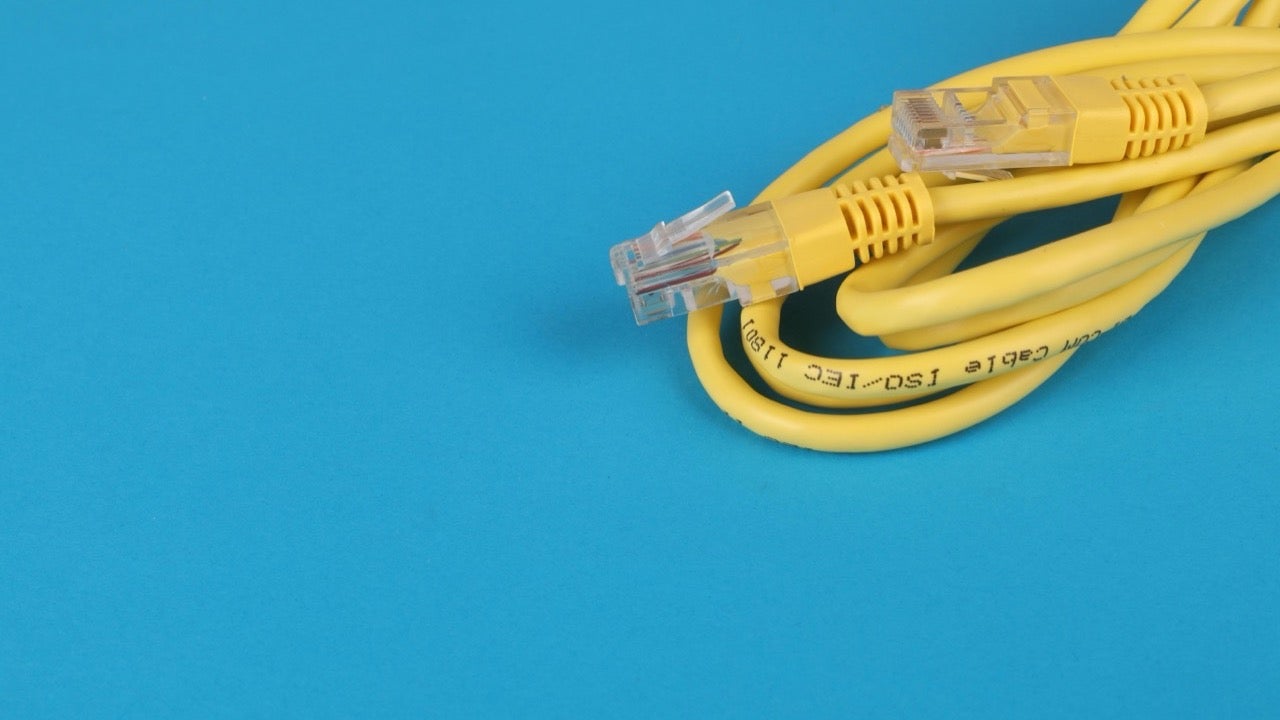
When choosing between Wi-Fi and a wired connection, most people assume that Ethernet is always superior. While wired connections do offer higher speeds and stability, there are several everyday situations where Wi-Fi is not only more practical but also the preferred option.
Mobility makes Wi-Fi the smarter choice
One of Wi-Fi’s biggest advantages is the freedom of movement. For users working from a laptop or mobile device, moving between rooms—or even between floors—is effortless. Running Ethernet cables across a home or office is not only expensive but also limits where you can comfortably work or relax.
Connecting multiple devices becomes easier
Most routers come with only four Ethernet ports at most, which quickly become insufficient in households or small offices filled with devices. Rather than investing in additional hardware like switches, Wi-Fi allows dozens or even hundreds of devices to connect simultaneously, ideal for modern connected homes.
Smart homes rely entirely on wireless connections
Many smart devices, from lights to thermostats, are built to operate over Wi-Fi and don’t even offer Ethernet ports. Creating a smart home ecosystem through wired connections would be technically and financially impractical. Wi-Fi enables seamless integration without structural changes or complex installations.
Wi-Fi works when cables aren’t feasible
There are many situations—due to layout, budget, or environment—where laying Ethernet cables simply isn’t possible. In older buildings or areas with hard-to-reach locations, Wi-Fi becomes the only viable solution. It avoids disruption and eliminates high installation costs.
In summary, while Ethernet is ideal for high-speed needs, Wi-Fi often proves to be the most flexible and cost-effective solution for the modern connected user.