Modat warns 8,547 wind and solar systems are now exposed online in Europe

Modat has released a report with the Dutch National Cyber Security Centre (NCSC-NL) that identifies 8,547 internet-facing systems left exposed at wind farms and solar parks across 35 countries in and around the European Union.

Nmap Download

The researchers say those systems shouldn’t be publicly reachable, and even that number is probably on the low side. They counted only the systems they could confidently tie to specific sites. Some of the exposed interfaces were more than simple status pages: login portals, turbine dashboards, live “Start,” “Stop” and “Reset” controls, and even a Siemens ET 200SP PLC web server. At about 181 sites, full control may have been possible.

Most of the exposure came from solar parks, with 7,942 systems across 34 countries. Spain accounted for 2,766, Greece 1,860, Italy 753 and Germany 672, which adds up to 76% of the total. Wind sites made up the other 605 exposures in 23 countries, led by Germany at 212 and Italy at 192. The affected sites ranged from 10 MW to more than 4,500 MW.

The bigger takeaway is straightforward: once a system is online, physical distance doesn’t mean much. Modat says it used machine-learning clustering to sort known and unknown device types quickly. The same remote-access problems and weak OT security keep showing up, some traffic is still unencrypted, and a December 2025 attack hit more than 30 Polish sites. EU regulatory pressure is climbing too, and Lithuania has already started restricting some remote control. If you work in energy or OT security, this report should be on your list. You can get it from Modat and NCSC-NL.

Wireshark Download

Google Pixel 10 hacked three times at Pwn2Own Ireland 2026: $560,000 in rewards

Pwn2Own Ireland 2026 is over, and the hacking contest turned up 98 zero-days while paying out more than $1.2 million, according to its published results. The bugs showed up across smartphones, printers, smart speakers, smart-home hubs, coding tools, cloud databases, and even a connected wellness device.

Malwarebytes Anti-Malware Download

Google’s Pixel 10 drew the most attention. Contest results show three successful attacks against it, worth more than $560,000 combined.

Ikotas Labs took home $300,000 for a remote exploit chain. Tim Becker and Yves Bieri earned $150,000 for a separate chain, though that payout was cut because part of it relied on a known bug. Dimitrios Valsamaras and Ken Gannon collected $112,500 for a third chain that mixed a zero-day with a known flaw, which is how Pwn2Own reduces rewards when researchers don’t bring a fully original set of bugs.

The rest of the board was busy too. The published results list a Samsung Galaxy S26 hack for about $30,000, a Home Assistant Green compromise for roughly the same amount, a Sonos Era 300 hit for $50,000, Lexmark and Brother printer hacks at $20,000 each, a Garmin Index BPM breach at $20,000, and coding and cloud database targets in the $40,000 range.

If you use any of those products, pay attention. Vendors now get the exploit details privately under the usual 90-day patch window. One other detail from the published results stands out: nobody took a shot at the $300,000 Apple iPhone 17 or WhatsApp targets.

Avast Free Antivirus Download

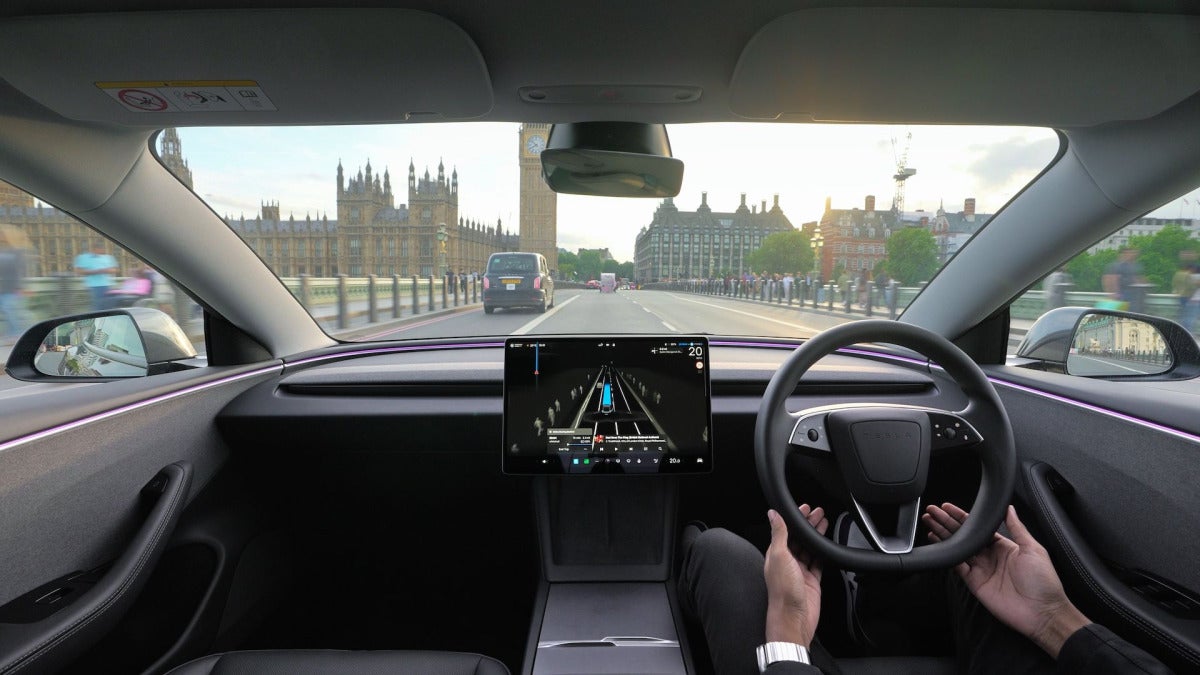
Tesla FSD moves closer in Europe: Germany backs it, but the name must change

Germany has now thrown its support behind Tesla’s Full Self-Driving (Supervised), which is a Level 2 driver-assistance system, for use in Europe, but only if Tesla stops calling it “Full Self-Driving.” The bigger European Union vote still hasn’t happened.

Tesla Download

What that means in practice is pretty simple: Germany wants steering, braking, and acceleration assistance on the market soon, but it also thinks the current name says more than the software actually delivers. Tesla has reportedly floated “Tesla Assisted Driving” in Germany, and possibly in other markets too, because the person behind the wheel still has to stay alert and be ready to take over at any moment.

The main fight inside the European Union comes down to speed. Germany is fine with the system allowing up to 10% above posted limits. France and Sweden aren’t sold on that buffer, and they’ve also raised questions about driver attention in city traffic, with Sweden reportedly pushing for rejection unless the speeding function is stripped out.

If you keep an eye on driver-assistance tech, this one matters. Eight countries have already signed off, with the Netherlands going first. A wider European Union rollout is still expected in 2027, and the bloc-wide vote that had been penciled in for October has now slipped to at least December. So Germany’s backing helps, sure, but a qualified majority is still what decides it.

You still can’t get this anywhere in the European Union. The argument over the name is really part of a larger safety dispute, with the American Automobile Association (AAA) and SAE International both pushing for labels that say more clearly what these systems can and can’t do. At the same time, U.S. crash investigations tied to Autopilot and Full Self-Driving, along with court cases, keep the pressure on Tesla, even as supporters argue the technology reduces fatigue and makes driving easier.

Waze Download