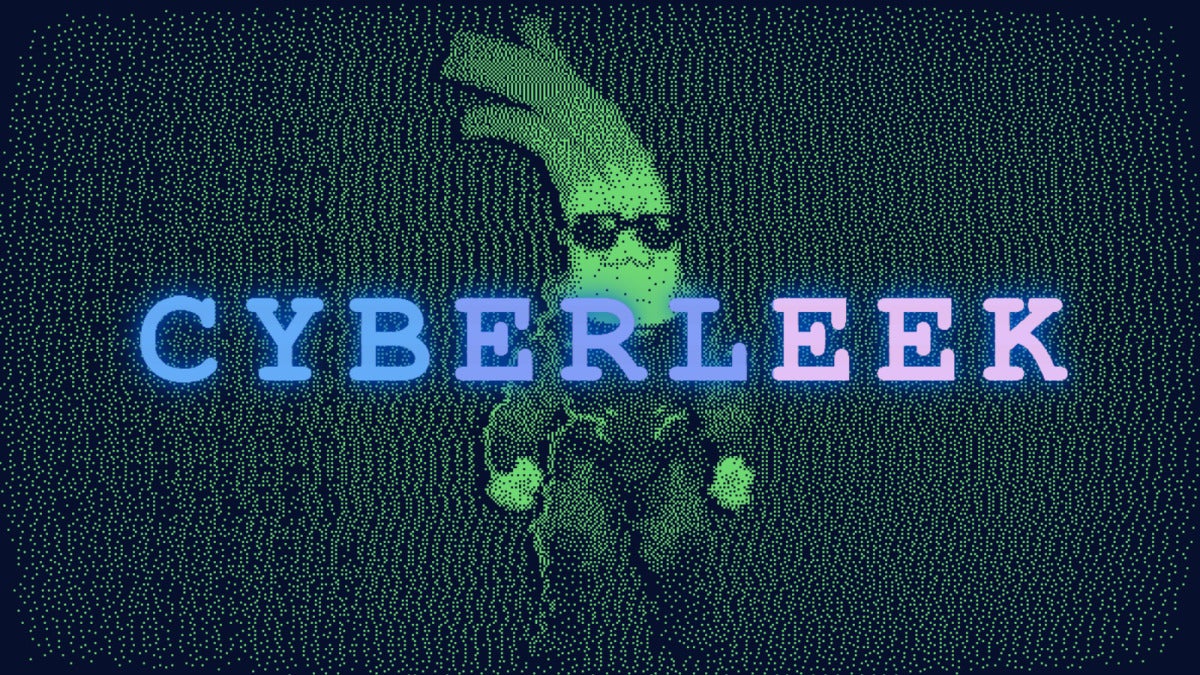
On October 10, LegacyKillaHD said Grand Theft Auto 6 may be facing a fresh leak threat. According to him, the leaker known as Cyberleek could release a full playable build, possibly one that can be completed from beginning to end, along with major story spoilers.
What pushed this further, at least according to LegacyKillaHD, was roughly 25 minutes of alleged footage that reportedly showed mission cutscenes, racing, first-person gameplay, and Jason and Lucia nude or semi-nude. People picking through the material also speculated that developer tools were visible. That followed Cyberleek’s earlier clips from mid-August 2026, which were said to include combat, driving, basketball, police chases, radio stations, map areas, and a wall shot marked “LEEK.”

There’s still a huge catch here. Rockstar Games hasn’t verified the footage, the source, or the claim that any public-ready build exists, and independent reporting hasn’t confirmed any of it either. Cyberleek is also reportedly trying to pressure Take-Two Interactive into giving out physical GTA 6 discs, issuing a public apology, or helping revive and promote a memecoin that’s supposedly aiming for a $30 million market cap. He’s framed all of that as a protest over digital-only releases, paid content, and games vanishing once servers go offline.
If you follow GTA 6 closely, this is something to keep an eye on, not something to treat as settled fact. Critics have already described it as financially motivated, or flat-out a crypto scam. Rockstar has called past leaks heartbreaking. Take-Two has gone after subpoenas involving Discord and Microsoft. And some observers say this appears to be separate from the 2022 Arion Kurtaj hack, with the added warning that insiders, social engineering, and malware-laced downloads could all be part of the picture.
For now, the only thing you can really count on is the official release date: Grand Theft Auto 6 is still scheduled for November 19, 2026.