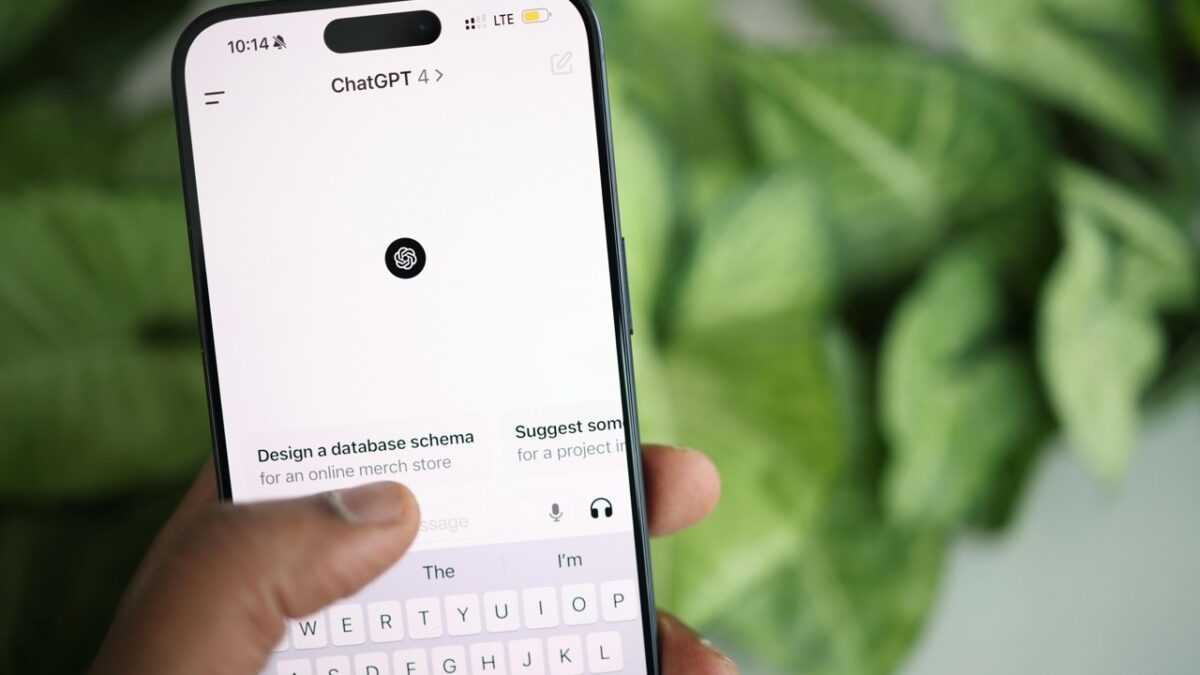
Using ChatGPT effectively is not just about asking questions—it’s about how you structure your prompts. Many users get generic answers, but with the right techniques, you can get clearer, more precise, and highly relevant responses. Here are eleven tricks to improve your interactions with ChatGPT.
Specify your target audience
One of the most impactful ways to improve responses is by defining who will read the answer. Whether you’re explaining Wi-Fi to a 10-year-old or a network engineer, ChatGPT will adjust its language, examples, and depth based on your audience.
Import external content for analysis
Instead of summarizing an article yourself, attach documents or paste text for ChatGPT to analyze. It can extract key points, simplify jargon, and identify patterns in research papers, legal documents, or news articles.
Create custom organizational formats
Rather than receiving a long paragraph, ask ChatGPT to structure data in tables, bullet points, or charts. This works well for product comparisons, expense tracking, and summarizing complex information.
Switch up the default style and tone
ChatGPT usually has a neutral tone, but you can request specific writing styles. Whether you need a Hemingway-like story or a persuasive Apple-style product description, giving clear stylistic direction enhances results.
Try response constraints
To avoid lengthy responses, set specific constraints. Ask for answers in “exactly three paragraphs” or “under 100 words” to ensure focused, concise outputs.
Guide with example-based learning
Provide 2-3 examples before asking for a task. This technique helps ChatGPT mimic a specific format and results in consistent, accurate responses.