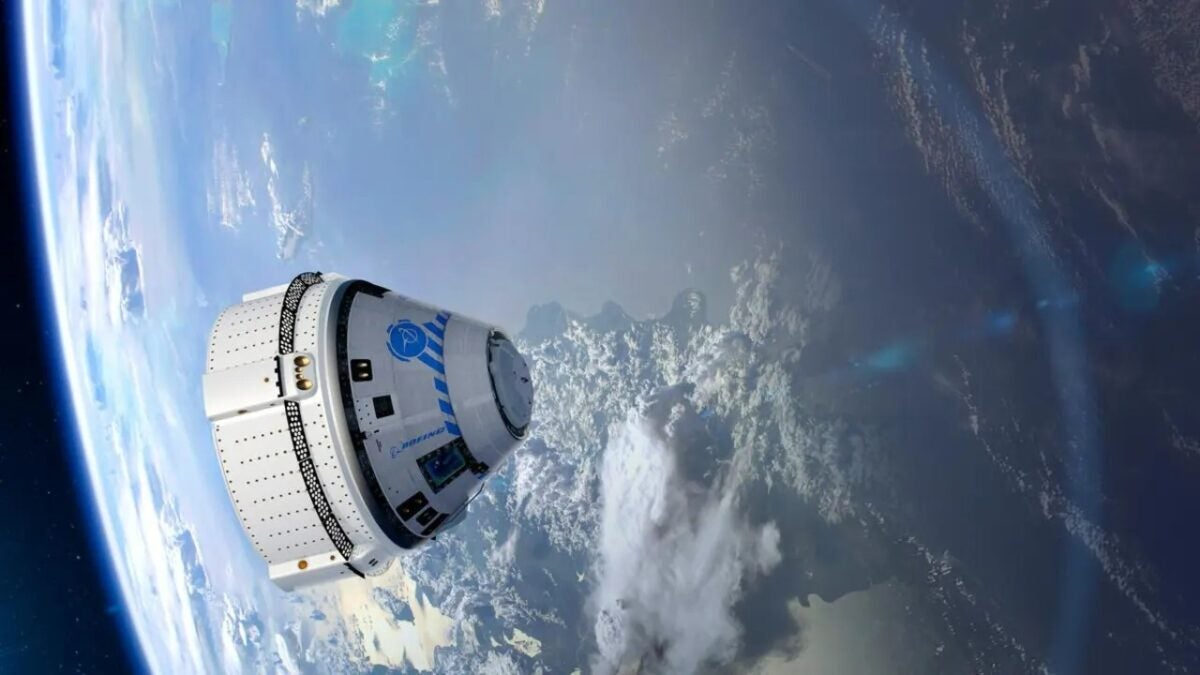
The first manned space flight by Boeing was postponed just two hours before launch for a safety check, according to NASA officials.

Astronauts Butch Wilmore and Suni Williams were already in position inside the Starliner when the decision was made to abort the flight due to a possible issue with an oxygen relief valve on the United Launch Alliance (ULA) Atlas rocket.
That is to say, it was not a problem with Boeing’s Starliner spacecraft, which is atop the ULA Atlas rocket.
The flight engineers discovered that the valve had been opening and closing rapidly in the period leading up to launch, so the countdown was aborted.
The flight team is currently examining the data to see how much energy the valve has consumed. If it has exceeded its lifespan, it will need to be replaced, something that, according to ULA, its engineers can do in a few days.
A spacecraft heading to the International Space Station with a new crew
It was planned for the spacecraft to take off from Cape Canaveral (Florida) bound for the International Space Station (ISS). The earliest a new launch attempt can be made is Friday, Boeing said in a social media post.
The mission has already been delayed for several years due to setbacks in the development of the spacecraft. “Launch attempt tonight scrubbed,” tweeted NASA Administrator Bill Nelson. “As I’ve said before, @NASA’s top priority is safety. We’ll go when we’re ready.”
Boeing aims to become the second private company capable of transporting crews to and from the ISS, along with Elon Musk’s SpaceX.
Musk’s company was the first to achieve it in 2020 with its Dragon capsule, on a flight that ended nearly a decade of US dependence on Russian space rockets.
The first unmanned test flight of the Starliner was initially scheduled for 2015, but was delayed until 2019. When it took place, software failures caused a malfunction of the internal clock, causing the thrusters to fire excessively. So much fuel was consumed that the capsule couldn’t reach the ISS.
It is clear that the space race comes with delays, failures, and billions of dollars spent along the way. But the goal is worth it: to conquer the stars.
