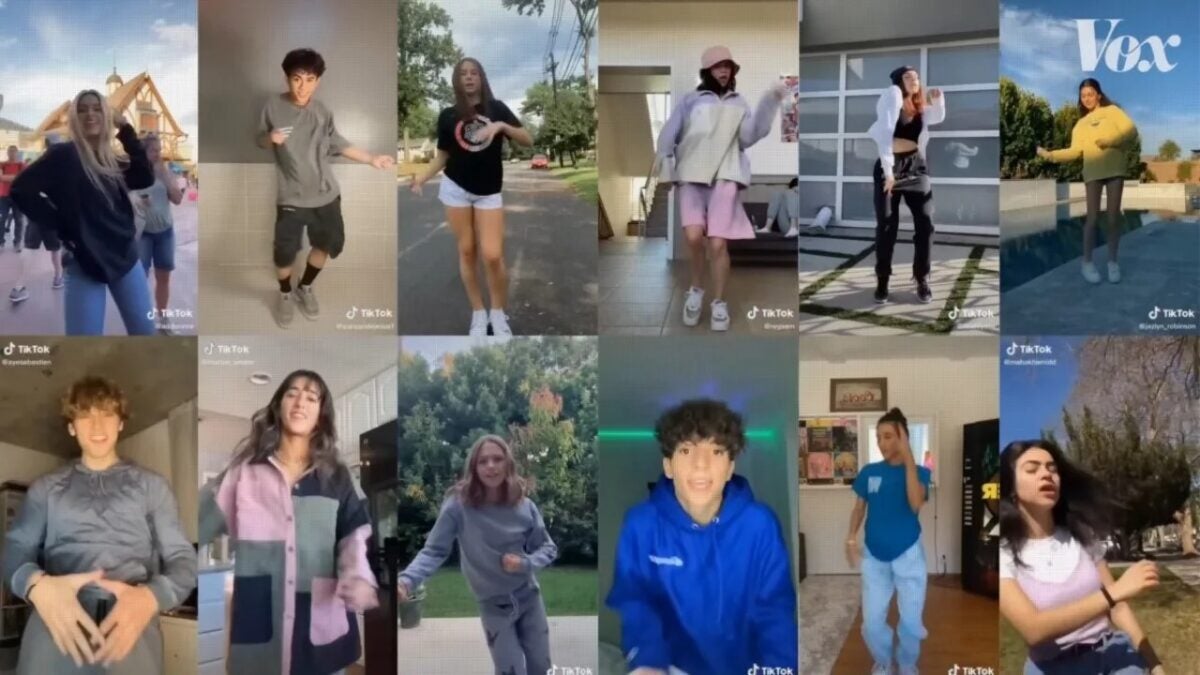
TikTok is the app of trends. Every week (or every day) new trends emerge that thousands and thousands of users of the platform join, such as one that puts us in a Wes Anderson movie, another one about things with “low vibrations” or another one that (filter through) rejuvenates us and shows us our teenage self.

And from the “looks of it”, the creators of artificial intelligences are well aware of these fads. Why is that, you ask? Because thanks to these fads, developers can “train” their AIs based on the expressions and movements of the people starring in their videos.
In the case we bring you today, the news website Vox (not to be confused with the Spanish political party) has analyzed in a recent video how the developers of an AI used hundreds of TikTok videos in which users dance or perform the popular Mannequin Challenge (a trend that was very famous several years ago), so that the artificial intelligence learned to “see”. We explain how.
How do you train an AI to see?
When training artificial intelligence, they need to assimilate thousands and thousands of different data sets. Depending on the type of artificial language model, it will require input from a particular type of dataset. For example, text AIs such as ChatGPT are fed with texts of all kinds and image AIs are fed with many different images.
A similar thing happens with videos. Their training requires that tens, hundreds or even thousands of videos are analyzed in order to find a series of “midpoints” that serve the AI to detect patterns and make processing power “understand” aspects of this, our reality, better and better. But not everything is as easy as it seems.
Videos are two-dimensional elements that start from a three-dimensional reality. While humans are capable of interpreting these dimensions when watching a video, an AI does not have this basic capacity, and needs to start from such basic concepts as interpreting what a human being is (physically) and understanding the space in which he or she is located.
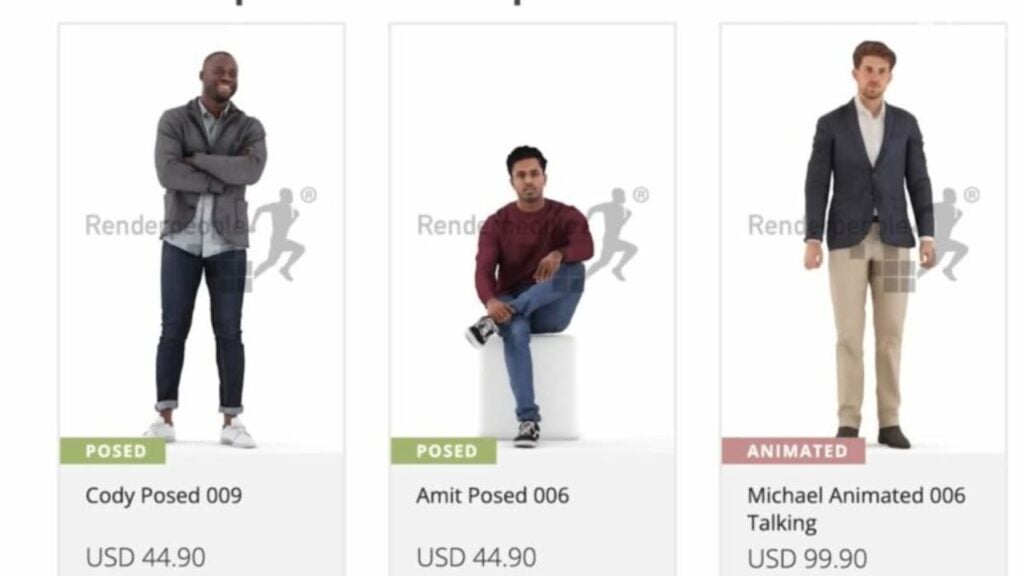
Yasamin Jafarian, a researcher at the University of Minnesota, began training an AI based on images, videos and 3D scans from a website called Renderpeople, providing valuable data that helps the AI to interpret the space in which a person is located.
But, despite the great value of this data, the AI needs to be trained with different contexts. In the case of videos, the AI requires a variety of backgrounds, different movements of the people in them, different poses, etc. And what better place to find all these things than on TikTok?
As many as 600 TikTok videos were used by researchers to train the AI. In these videos, you can see very diverse people with completely different clothes, lighting, backgrounds, movements and shapes, giving an immense variety of dataset to the artificial intelligence.
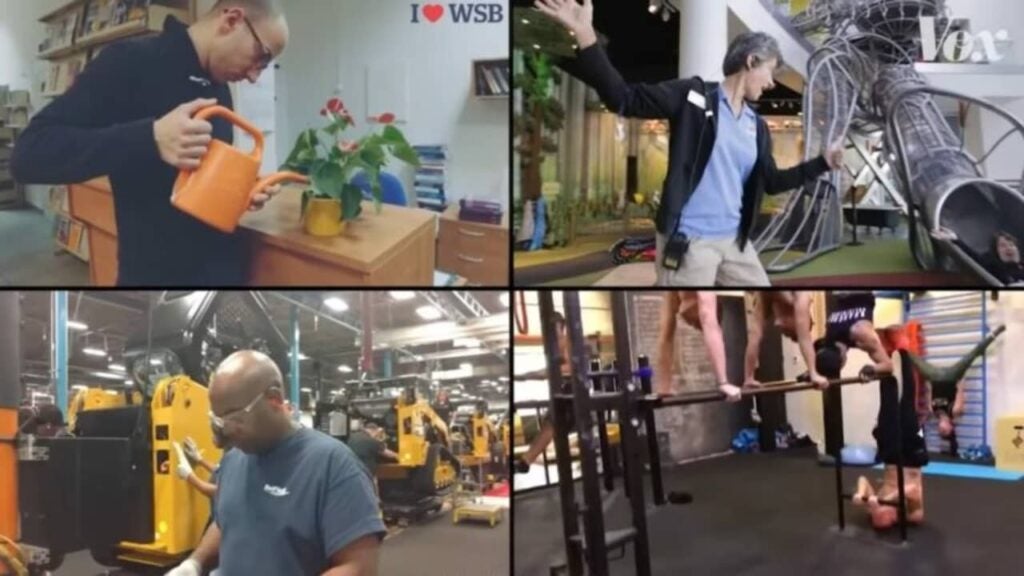
But to teach the AI what depth is in a three-dimensional space, the researchers not only used people in motion, but also made use of completely static people. And remember an Internet trend where everyone had to stand still? That’s right, they also used videos of the famous Mannequin Challenge.
From a whopping 2,000 completely different videos of “frozen people” doing the Mannequin Challenge, the AI developers created a large dataset of videos with static people where the camera moves around them, giving the AI the data needed to “triangulate” their positions and allow it to know the three-dimensional space they are in.
With the ability to “see” and know the space in which the elements of an image are located, the AI can begin to “guess” what a frame of the video would look like if a person moved several centimeters, if they jumped, or if they lay on the ground.
Obviously, this is only the beginning and these types of AIs still need much more extensive training, but it is striking how useful elements as everyday and normal as the videos we upload to TikTok, considered by many to be the great revolution of this decade, can be for the development and advancement of AIs.
Some of the links added in the article are part of affiliate campaigns and may represent benefits for Softonic.
