Google Phone beta update reveals Pixel 11a codename: another budget Pixel may be coming

Google’s Phone app got an update today to beta version 230.0.946661649-publicbeta-pixel, and the code in that release seems to point to the Pixel 11 lineup, especially a Pixel 11a.

Inside the code, bear names appear to line up with specific devices: “cubs” for the Pixel 11, “grizzly” for the Pixel 11 Pro, “kodiak” for the Pixel 11 Pro XL, and “formosan” for what looks to be the Pixel 11a.

That’s probably a nod to the Formosan black bear, and it’s the clearest sign yet, straight from Google’s own app code, that another budget Pixel is on the way, even if the specs, branding, and release plans could still shift before anything is official.

Since these names turned up in Google’s own Phone app, this leak carries more weight than the usual third-party rumor. If you keep up with Pixel news, this beta is worth grabbing just to poke around for clues. It also lines up with Google’s habit of accidentally letting unreleased Pixel details slip through its own software.

If Google sticks to its usual timing, the Pixel 11 series should show up at Google’s confirmed August 12 event in New York City, right in its normal August 2026 window. The Pixel 11a could then follow in spring 2027. Other rumors have also suggested 256GB may replace 128GB, prices could go up, and the standard model might get a “Pixel Glow” light.

You can download the Google Phone beta through Google Play on supported Pixel devices.

Starlink rolls out the new V5 dish in the US: smaller, lighter and more efficient

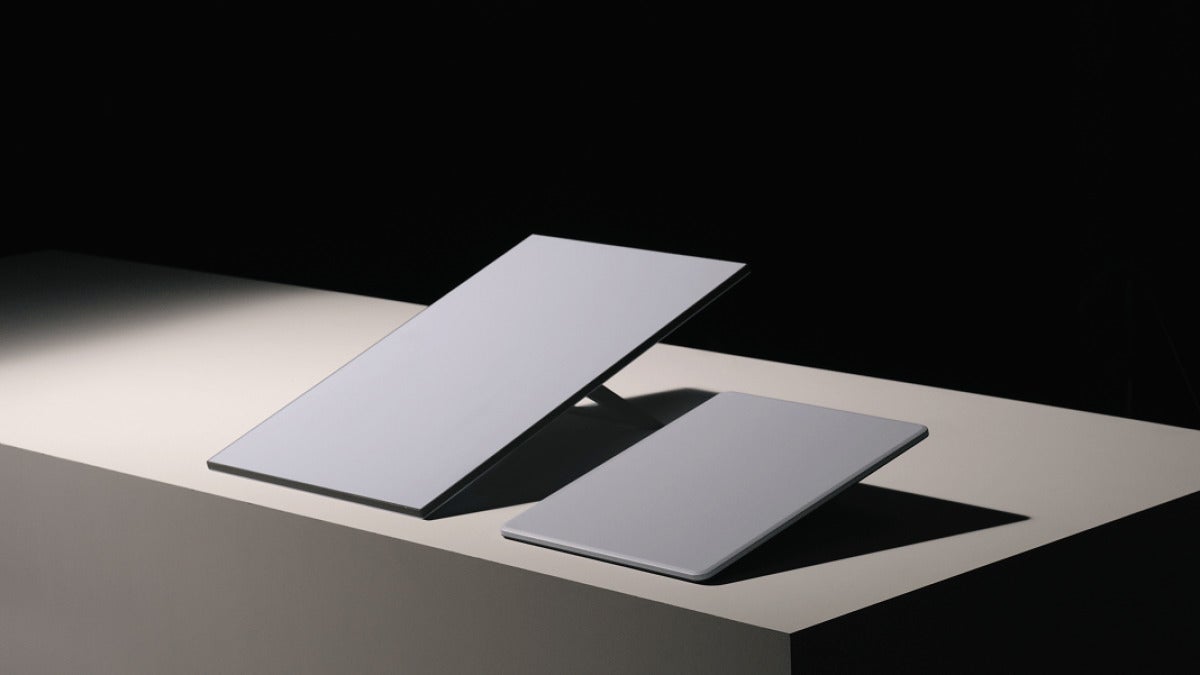
SpaceX has begun offering the Starlink V5 residential dish to a limited group of new U.S. customers, at least based on current Starlink listings. It brings smaller, lighter hardware that also pulls less power, which makes it a more practical fit for home internet.

Starlink Download

Next to the Starlink V4 dish, the V5 is a big drop in size and power use. It goes from about 6.5 pounds down to 2.4, and it draws roughly 35 to 50W instead of 75 to 100W, according to Starlink’s official specs and those early listings. The V5 package also comes with a smaller Router Mini and a pipe adapter, and the same specs point to a setup built for easier use at home, not for in-motion use.

Starlink lists peak speed for the V5 at 375+ Mbps, compared with 400+ Mbps for the V4. That gap is small on paper, and your real speeds will still come down to your plan, network congestion, and local capacity more than the published maximum.

If you’re looking at Starlink for a house, a remote property, or a battery-backed setup, this seems like the better pick because of the lower weight and lower power draw. If you need internet while driving, though, this isn’t the one to chase. SpaceX is steering those customers toward the updated Starlink Mini.

There are still some obvious caveats. Availability is limited, most customers probably won’t see the new dish yet, and there’s still no public timeline for an international rollout. Also, most of what’s known so far comes from Starlink’s own specifications and early listings, not from broad real-world testing.

Right now, the Starlink V5 is available directly from Starlink as a residential option for select new U.S. customers.

Speedtest by Ookla Download

X launches Live Studio: $1 million creator fund is now live

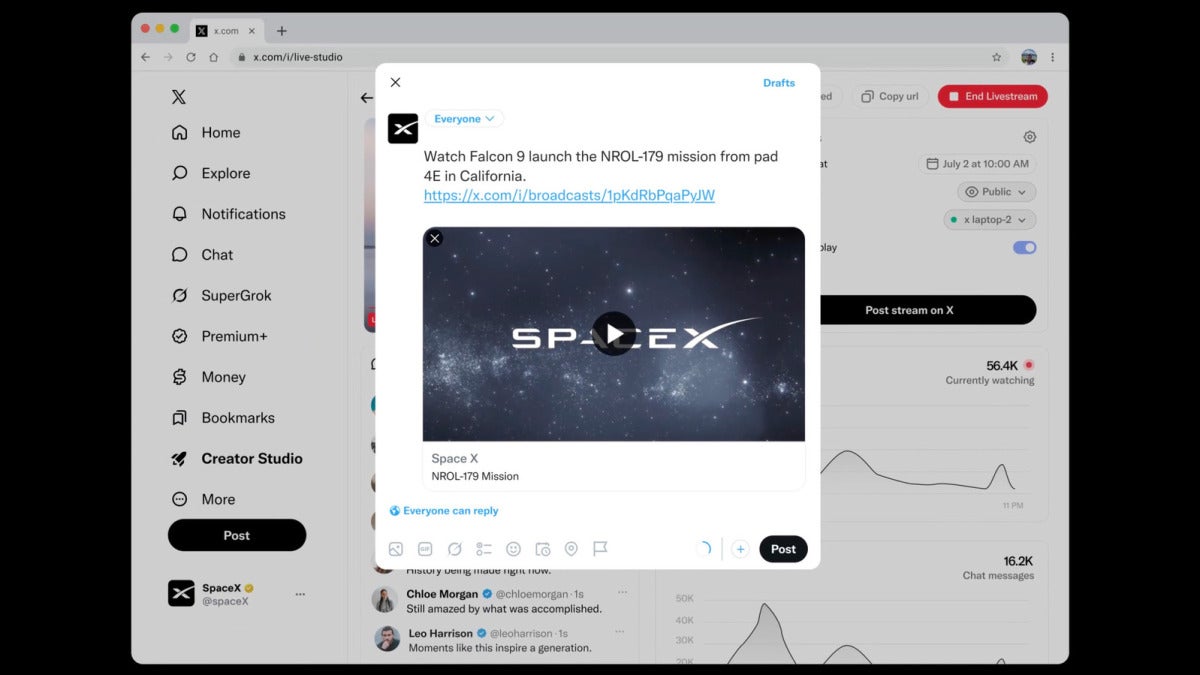
X, the platform many people still call Twitter, has rolled out Live Studio inside Creator Studio. It’s available now, with a new dashboard for livestreaming and a $1 million creator payout fund built around live video.

OBS Studio Download

X says you can schedule streams, upload thumbnails, limit access to subscribers or verified users, and keep an eye on numbers like concurrent viewers and audience demographics from the same place. The company is pushing harder on live content, and this looks like a direct bid to look more competitive next to YouTube and Twitch.

The fund is meant to get creators trying live video right away. What’s still missing is the part people will actually want clarified before they commit real time to it: X hasn’t said what the long-term payout model will look like or exactly which benchmarks creators will need to hit.

If you stream on X often, this is something to pay attention to.

There are catches. The more advanced Live Studio features require an X Premium subscription, livestreaming itself is on track to become Premium-only, and X is also giving monetization preference to original creators over repost and aggregation accounts.

That all fits with X’s bigger video push, especially as video viewing on the platform keeps climbing and the X TV app has now joined the mix. But X still has to show it can support bigger streams without issues, and it needs to explain payouts in a way that isn’t so vague.

You can get to Live Studio now through X’s Creator Studio. If you want the advanced tools, you’ll need X Premium.