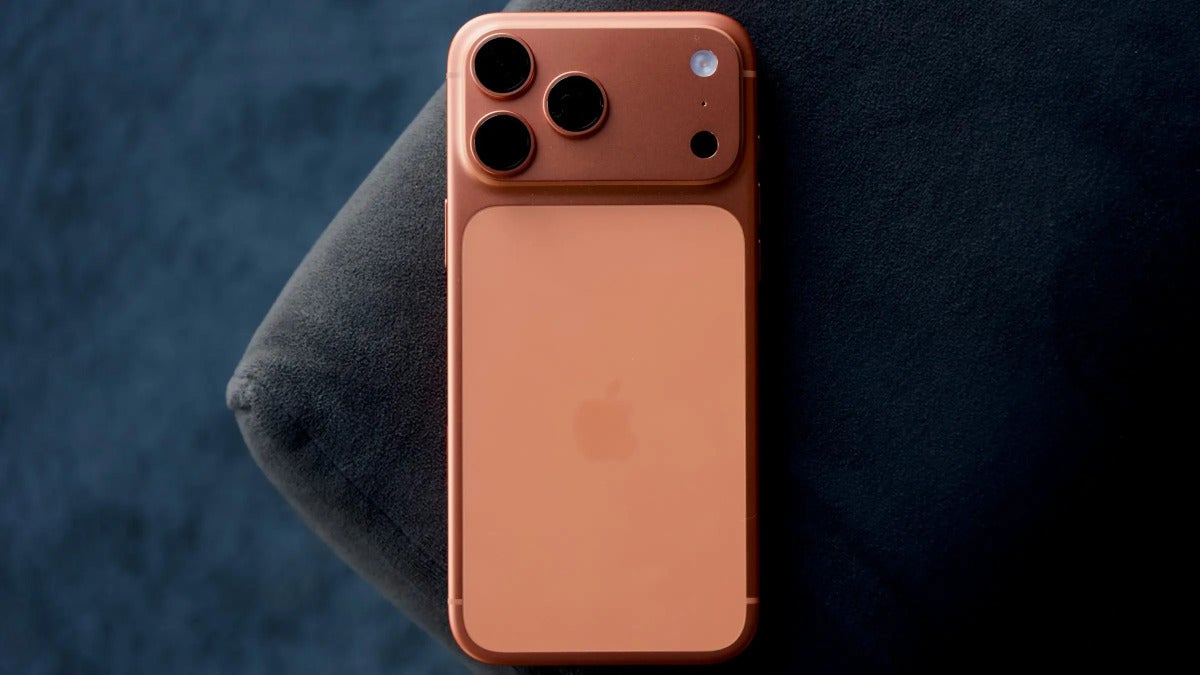
iPhone 18 Pro price rise now looks smaller: rumored $100 US hike

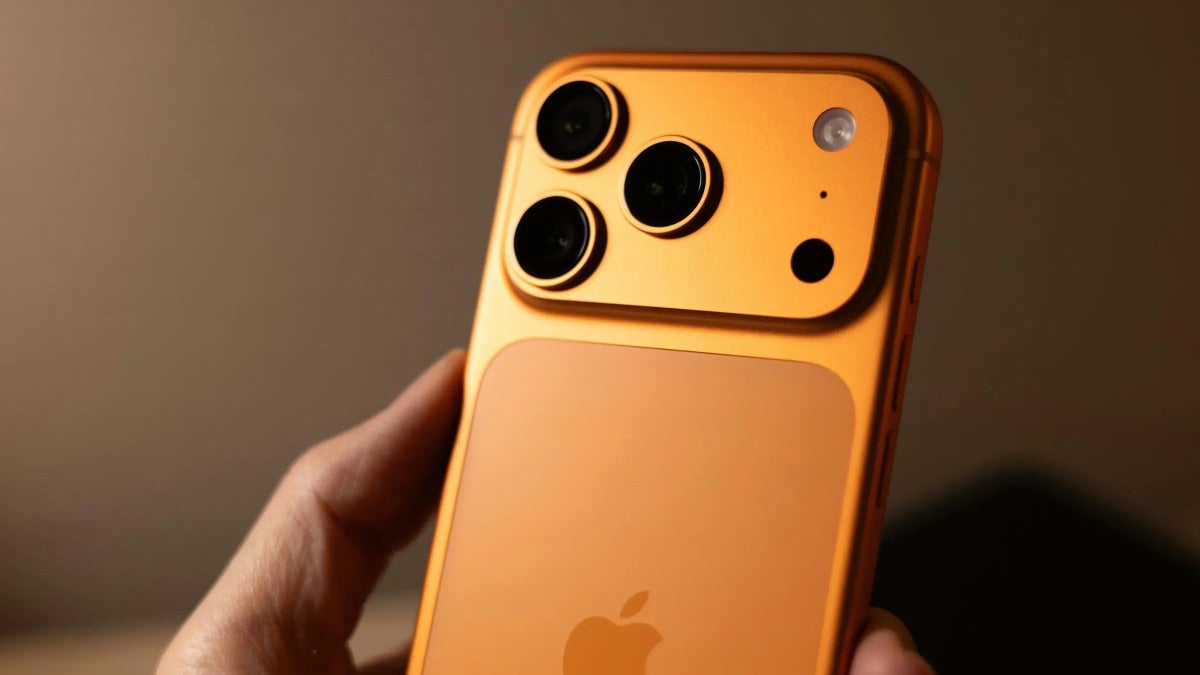
The latest iPhone 18 Pro pricing rumor is a little less dramatic than the earlier ones. Instead of the $200 to $300 jump that had been floating around, the new talk is that Apple may raise the US price by about $100.

Bloomberg’s Mark Gurman says Apple could tie that increase to a handful of hardware upgrades: a variable-aperture main camera on the iPhone 18 Pro Max, an A20 Pro chip, vapor-chamber cooling, and maybe some efficiency gains from a 2-nanometer process. In practice, that should matter most for low-light photos, gaming, 4K video, and the kind of on-device AI work Apple keeps pushing onto the phone itself.

Still, don’t expect a major visual overhaul. Most reports say the iPhone 18 Pro will look a lot like the iPhone 17 Pro line, with a few tweaks rather than a full redesign. The details being mentioned so far include a burgundy red finish, a smaller Dynamic Island, and support for three Live Activities at once, up from two.

The price bump is reportedly coming from higher DRAM and NAND costs. Some estimates say memory prices could rise by as much as 400%, with the bill of materials landing roughly 40% above the previous model. That said, stronger US trade-in offers could take some of the sting out of it. Buyers in India, China, and parts of Europe may still end up paying more too, with estimates landing around ₹10,000, 1,000 yuan, and €100 to €300, depending on the market.

If you’re already thinking about upgrading in 2026, this smaller rumored increase could make the iPhone 18 Pro a more reasonable buy at launch, assuming Apple sticks to its usual iPhone event timing.
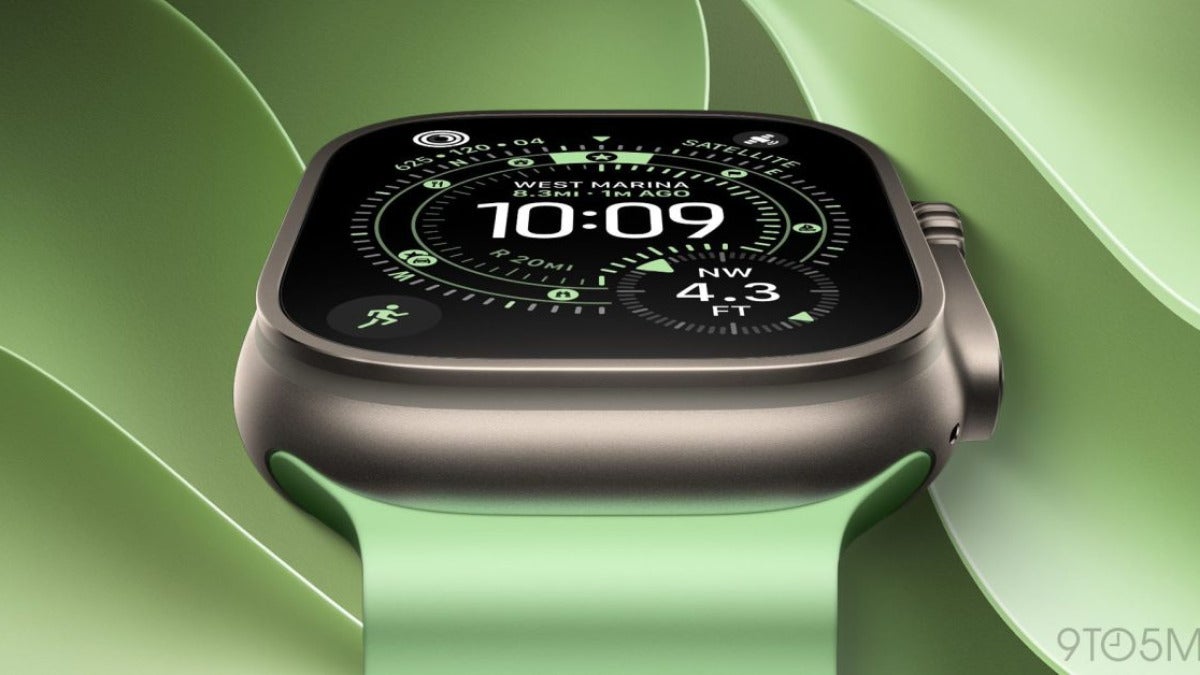
Apple Watch Series 12 and Ultra 4 expected this week: faster chips, health upgrades

Apple is widely expected to show off the Apple Watch Series 12 and Apple Watch Ultra 4 at its September 9 event, alongside the new iPhones, if recent leaks and reports hold up. The headline changes are said to be faster chips, new health features, and a round of improvements tied to watchOS 27.

Assuming those leaks are right, this looks less like a big visual reset and more like the kind of update current Apple Watch owners actually notice day to day: moving past the S10 chip to an S11 or S12 package, snappier apps, better battery efficiency, a smarter Siri, a new Readiness app, and more detailed strength tracking that covers sets, reps, and weight.

The Apple Watch Ultra 4 could end up being the more interesting of the two on the hardware side, with reports pointing to a lot more sensors and an upgraded optical heart-rate sensor. There’s also a chance it gets a new high-blood-pressure alert system if FDA review wraps up in time, building on the hypertension notifications Apple added in watchOS 26.

As for the design, the rumors are all over the place. Still, you probably shouldn’t go into this week expecting a dramatically different watch, even with talk of a possible Apple Watch Ultra 4 redesign, 128GB of storage, the return of a ceramic option, and Touch ID now seeming less and less likely.

If you already wear an Apple Watch, those performance and health upgrades may be enough to make the new models worth picking up , even if they don’t look very different at a glance.

Apple should fill in the rest on September 9. If the reports are right, both watches will then roll out through the company’s usual retail channels.

Product strategy is now the bottleneck: building software is easier

There’s a new discussion on product strategy making a pretty straightforward case: software teams can now build and ship a lot faster with code generation, rapid prototyping, and automated testing, but deciding what actually deserves to be built is turning into the bigger bottleneck for product teams.

The argument is that as building gets cheaper, product judgment gets harder to find. The numbers behind that are ugly: 42% of startups still fail because they misread demand, 70% to 80% of new consumer packaged goods fail, 95% of new products fall short of expectations, and about 80% of software features are rarely used or never used at all.

The discussion also points to MIT-cited research showing a surge in new mobile apps as automated coding spreads. User attention, though, isn’t expanding at the same pace, so teams are competing less on shipping speed and more on relevance, habit, and whether people keep coming back.

If you work in product, this is worth reading because behavior data is starting to carry more weight. Product teams can see what users return to, where they get stuck, and where they abandon tasks, and repeat use says more than surveys or launch-day curiosity.

You can read the full discussion online.

Intel may raise PC CPU prices again from October 5: roughly 10% more

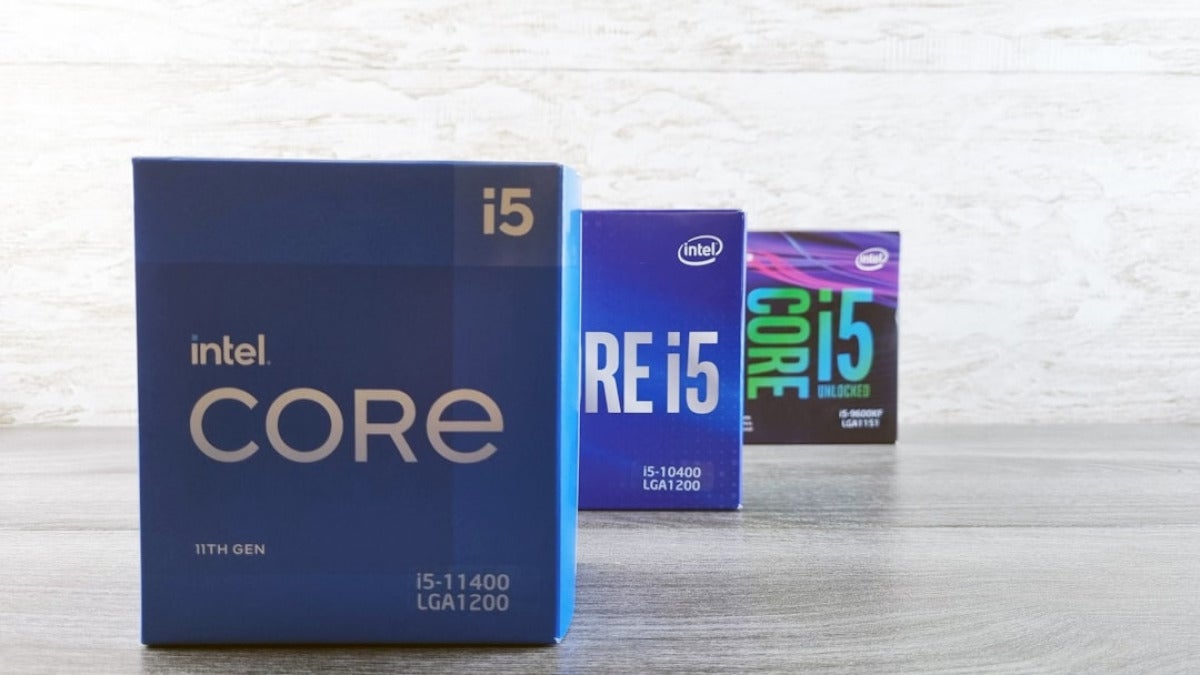
Intel is reportedly preparing to raise prices on its PC processors by about 10% starting October 5, according to Digitimes and industry researchers. If that happens, the first place most people are likely to feel it is in newly released desktop and laptop systems.

CPU-Z Download

Digitimes and industry researchers say this planned increase would come after roughly a 10% rise in Q1 2026, followed by another increase in July that also affected Intel server CPUs. Some server parts reportedly went up by more than 1,000. Put together, it extends a pattern that started in late 2025, as Intel shifts away from defending market share at all costs and puts more weight on protecting margins.

For buyers, the effect may show up slowly. PC brands can work through existing inventory and current supply agreements before higher costs fully reach store shelves. Still, you could end up paying more later, with memory and PCB costs staying under pressure, data-center demand tightening capacity, and Intel reportedly giving priority to higher-margin server products. Digitimes says that could happen even if it leads to some share slippage after Qualcomm’s own price increase on September 1.

If you’re planning to buy a mainstream PC, this is something to watch. Digitimes also says Intel may cut another 5% to 10% of its workforce, while still hiring selectively, and discontinue some low-margin Intel Small Core chips. Those parts are used mostly in industrial, IoT, and embedded systems, not in typical home PCs.

There’s nothing to download here. Any Intel price change would show up later in future PC configurations and prices set by PC makers.

Speccy Download

Stuart Fails to Save the Universe episode 8 arrives Thursday: HBO Max release time

Episode 8 of Stuart Fails to Save the Universe, “We’re as Confused as You Are,” arrives on HBO Max on Thursday, September 10. In the US, HBO Max has the release set for 6:00 p.m. PT / 9:00 p.m. ET.

In most international markets, HBO Max shows it going live on Friday local time: 2:00 a.m. BST in the UK, 6:30 a.m. IST in India, 9:00 a.m. SGT in Singapore, 11:00 a.m. AEST in Australia, and 1:00 p.m. NZST in New Zealand.

Season 1 is almost at the finish line. HBO Max’s current release calendar has episode 9 dated for September 17 and episode 10 for September 24, so there are three episodes left, including this week’s.

The Big Bang Theory spin-off Stuart Fails to Save the Universe centers on Stuart Bloom after he damages a device built by Sheldon, Leonard, and Howard. That sets off a larger multiverse story, with alternate realities, bigger set pieces, and more room for the side characters to get involved.

Stuart Fails to Save the Universe was created by Chuck Lorre, Zak Penn, and Bill Prady, with Kevin Sussman leading the cast alongside Lauren Lapkus, Brian Posehn, and John Ross Bowie.

If you’ve been following the show, this episode looks like one to keep up with. Reaction has been mixed, but the series reportedly drew 3.1 million views in its first six days, has stayed in the top half of HBO Max’s charts, and has already been renewed by HBO Max for season 2. Interest is still there. You can watch it on HBO Max.

iOS 27 beta 8 leak: Apple hints at a major Pro Camera upgrade

Leaked code in iOS 27 beta 8 suggests Apple is trying out more advanced camera controls in its Camera app. If they make it to users, they may show up first on the iPhone 18 Pro rather than rolling out across older iPhones.

What turns up in the code is a lot more than basic camera tweaks. There are exposure tools like waveform and histogram scopes, along with RGB Composite, RGB Parade, and Luminance presets. That would move Apple’s default Camera app a lot closer to what people currently use Halide, Blackmagic Camera, or Filmic-style apps for. The same code also references focus peaking, highlight clipping warnings, and a repeat self-timer mode for taking multiple shots.

There’s also what looks like a manual focus slider. The catch is that it may depend on hardware that debuts with the first phones built for iOS 27, most likely the iPhone 18 Pro. That fits with the broader rumor cycle around variable aperture hardware and aperture-based lens correction blending, both aimed at improving light distribution and overall image quality as the lens changes.

If you shoot photo or video on your iPhone a lot, this is one to keep an eye on. Casual users might not notice much, though, and Apple could still hold these tools back, keep them exclusive to Pro models, or drop some of them before release.

You can install iOS 27 beta 8 through Apple’s beta program on iPhone, but at this point leaked code comes from leaked code, not from any official feature announcement.

Xiaomi 18 Fold launches in China: XRING O3 and a 6,000mAh battery

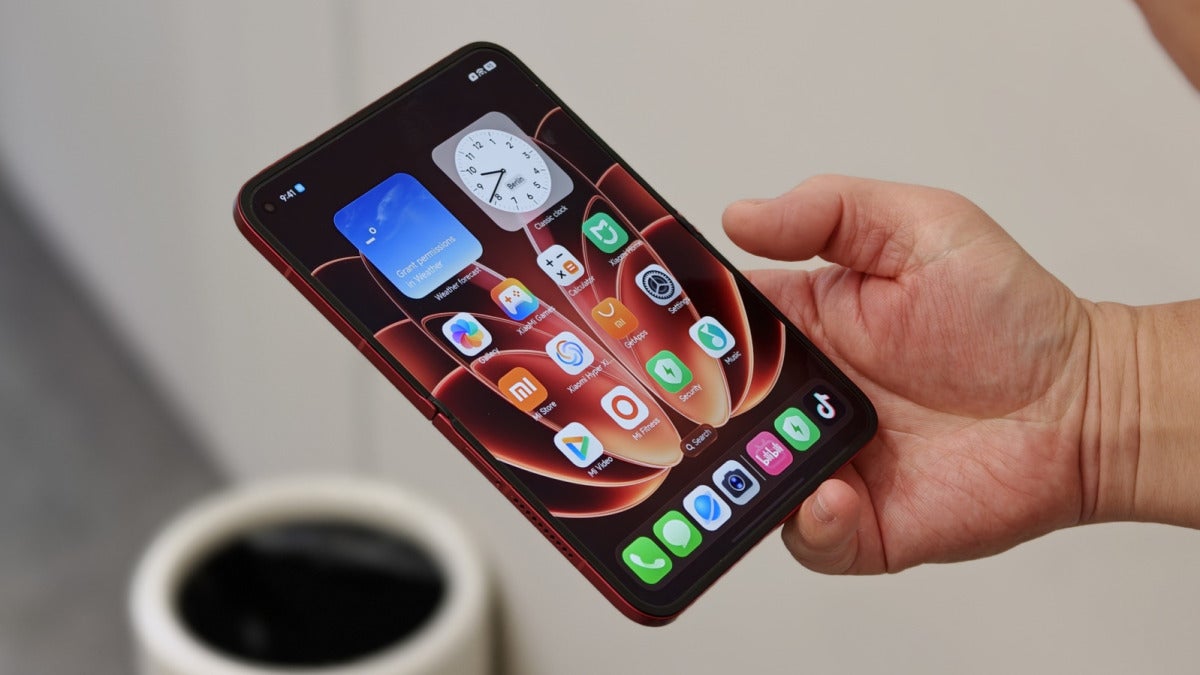
Xiaomi has launched the Xiaomi 18 Fold in China, and the foldable is already on sale there. The company is pitching it as its first mid-size foldable: a passport-style wide-fold phone with a 3nm XRING O3 chip, a 6,000mAh battery, Leica-branded cameras, and a starting price of CNY 10,999, which works out to about $1,600.

Xiaomi says the 18 Fold is meant to land somewhere between flip phones and the bigger book-style foldables. It has a 5.38-inch outer display and an inner screen of about 7.6 inches, both using an A4-like aspect ratio so the jump from one screen to the other feels more natural.

It also doesn’t weigh much for this category. At 219g, Xiaomi says the 18 Fold is its lightest foldable so far, and both HyperRGB LTPO panels use full RGB subpixels, support refresh rates from 1Hz to 120Hz, and hit 4,000 nits of peak brightness. The company also says the phone uses an aluminum alloy frame, Shield Glass 3.0, and a new three-link hinge.

Inside, Xiaomi is packing in a 10-core CPU, a 16-core GPU, LPDDR6 support, and what it claims is a 45% jump in NPU decoding performance. Charging is rated at 67W wired and 50W wireless. Camera hardware includes a Leica triple-camera setup with a 200MP main sensor, a 50MP periscope, and a 50MP ultra-wide, which Xiaomi says helps it sidestep the usual trade-offs that come with foldables.

If you’ve been waiting for a wider foldable and you’re in China, the Xiaomi 18 Fold has a lot going for it, especially with Apple’s foldable rumored to be on the way and Samsung’s Galaxy Z Fold 8 already adding more pressure in a market that’s getting crowded fast.

The Xiaomi 18 Fold starts at CNY 10,999, or roughly $1,600, and it’s available in China now. Xiaomi hasn’t said anything yet about an international release.