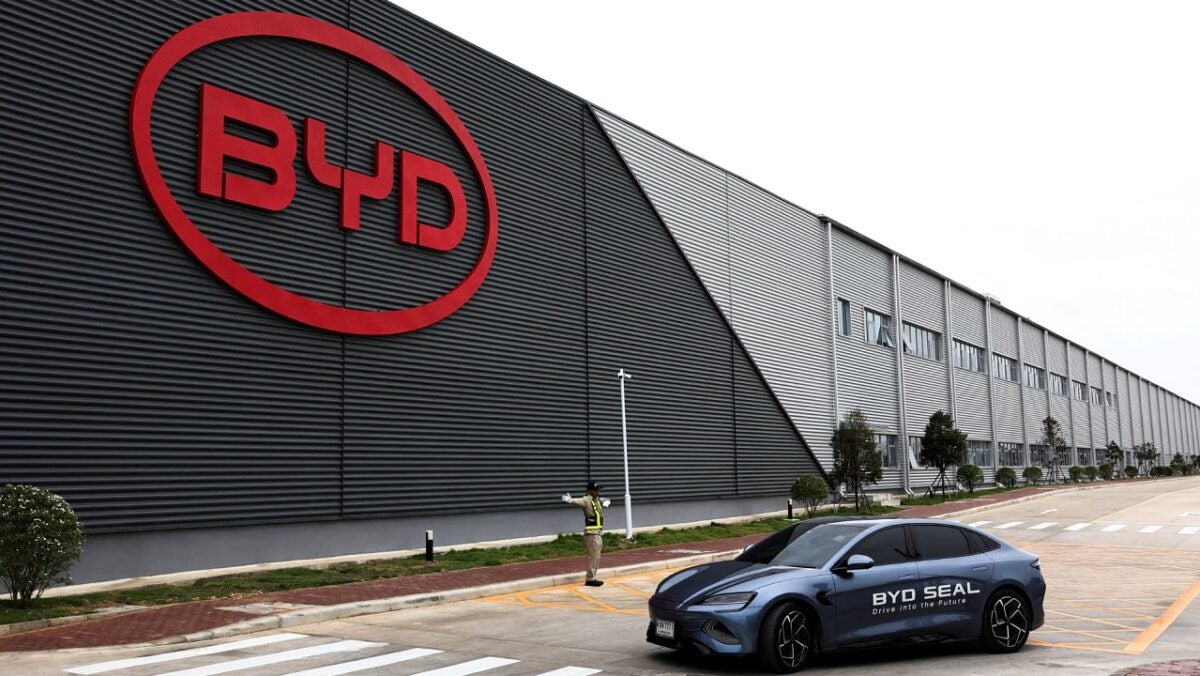
The European Union Commission has launched a preliminary investigation into whether China provided unfair subsidies to Chinese electric vehicle (EV) manufacturer BYD as it plans to establish a new production facility in Hungary.
This initiative further escalates the already rising trade tensions between the EU and Beijing amid a backdrop of global economic frictions.
BYD, which has rapidly expanded its presence in the EV market, intends to invest €4 billion and create approximately 10,000 jobs in Hungary, with a production capacity capable of producing 200,000 EVs annually.
BYD’s championship in the industry, the situation remains volatile
However, concerns have emerged that BYD may employ Chinese labor and import most of its components, including batteries, from abroad. As a result, critics argue the investment may not significantly contribute to local economic growth, a point that the EU is keen to scrutinize.
This investigation follows a prior EU probe that determined several Chinese automakers, including BYD, had received unfair subsidies, leading to new tariffs on imports from these companies. If the current investigation finds that BYD indeed benefited from unjust state aid, the company could be compelled to repay those subsidies, face fines, or reduce its production capacity.
Hungary’s Prime Minister Viktor Orbán has actively sought to attract Chinese investments like BYD’s to bolster the domestic economy. Yet, Hungary’s Minister for European Union Affairs, János Bóka, indicated that Budapest was unaware of the EU’s latest inquiry but acknowledged that any substantial investment in the country tends to draw scrutiny from the Commission.
As the global landscape for EVs continues to evolve, the assurances of fair competition will be critical. With the EU’s ongoing investigations and BYD’s championship in the industry, the situation remains volatile, potentially affecting the future of not just the automaker but the European market as a whole.