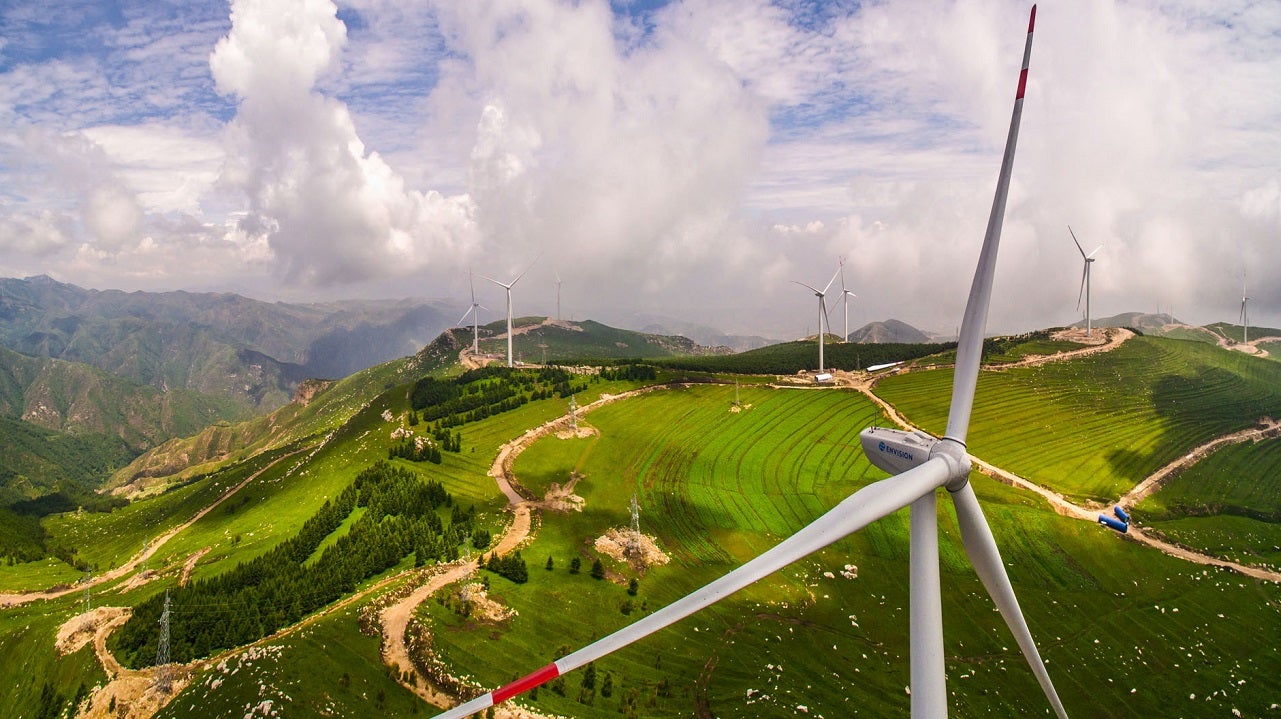
China’s carbon dioxide emissions fell by 1.6% in the first quarter of 2025, a notable milestone for the world’s largest emitter.
This decrease is attributed to a robust increase in renewable energy and nuclear power generation, marking a significant shift in the country’s energy landscape, according to a recent analysis by the Center for Research on Energy and Clean Air (CREA).
Notably, this decline in emissions came despite a 2.5% surge in total electricity demand, indicating that the growth of clean power generation has now outpaced the demand for fossil fuels.
Clean Power Outpaces Fossil Fuels as China’s Electricity Demand Rises
Specifically, emissions from the power sector decreased by 5.8%, helping to offset increases from coal usage in industries such as metals and chemicals. This achievement underscores a pivotal change: the primary driver behind emissions reductions is now the rise in clean energy generation rather than decreased consumption, as seen during the stringent COVID-19 lockdowns in 2022.
Despite the progress, experts caution that China remains “significantly off course” to meet its 2030 goal of reducing carbon intensity by 65% from 2005 levels.
The recent expansion in coal power—94.5 gigawatts of new coal projects are under construction—represents 93% of the total global additions for 2024. The dual pressures of meeting domestic energy demands and international trade tensions, particularly with the United States, may hinder further progress in emissions reduction.
Chinese President Xi Jinping emphasized the nation’s commitment to combating climate change, stating that efforts in this area “will not slow down” despite shifting global dynamics. Plans are underway to announce new greenhouse gas reduction targets before the upcoming COP30 summit in November. Experts from energy think tank Ember have suggested that for China to maintain its momentum, a “paradigm shift” is necessary, focusing on advanced technologies and systems that can fully integrate clean energy solutions into the economy.