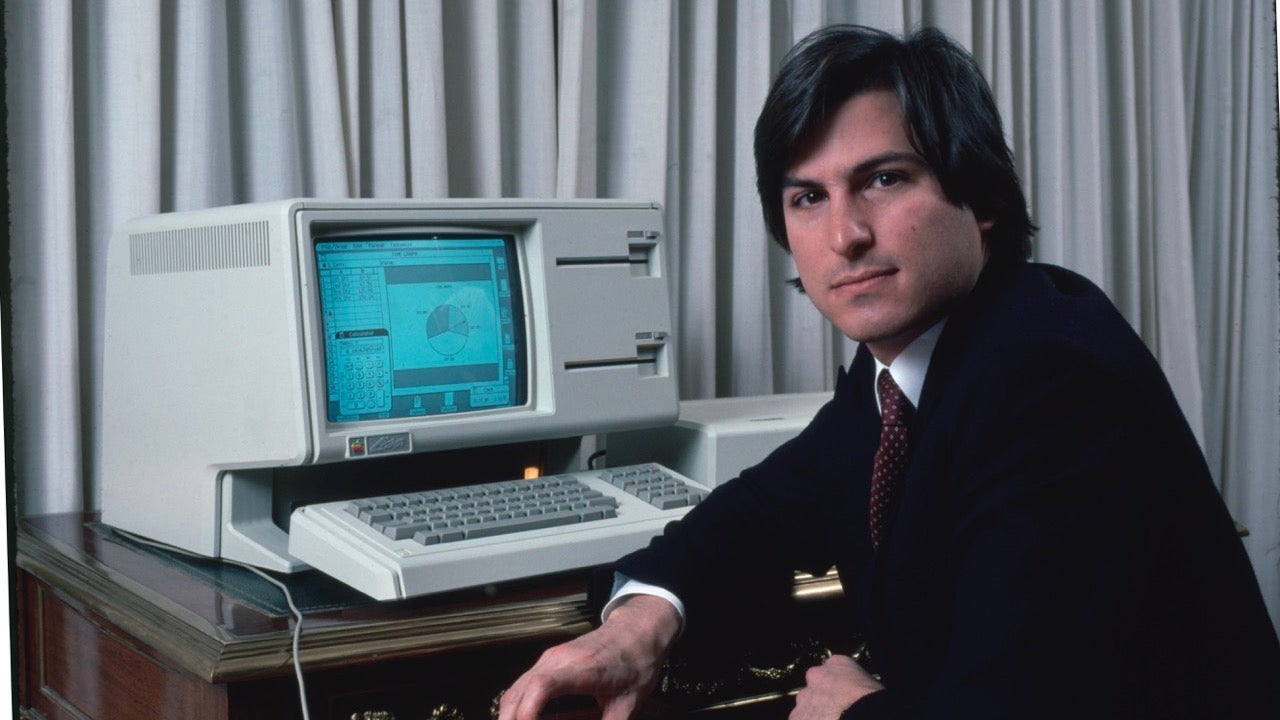
Back in the early days of personal computing, waiting minutes for a machine to boot was completely normal. Even the first Macintosh, despite its groundbreaking design and performance, took far too long to start. That delay wasn’t just a technical nuisance—it became a personal mission for Steve Jobs.
The obsession with saving seconds
When Steve Jobs confronted Macintosh engineer Larry Kenyon about the machine’s slow startup time, Kenyon pushed back, claiming that it simply couldn’t be improved. Jobs, unsatisfied with that answer, turned to a powerful analogy from the world of medicine: What if saving ten seconds could save a life?
That question reframed everything.
Jobs then took it a step further, sketching out the math on a whiteboard: if 5 million users lost 10 seconds daily, that added up to 300 million hours a year—equivalent to roughly 100 human lifetimes. Suddenly, those ten seconds felt massive.
Steve Jobs intense vision and persuasive power pushed teams beyond what they thought possible. The result? Kenyon didn’t just shave off ten seconds—he cut the boot time by 28 seconds.
In a world where every micro-moment of performance counts, that improvement didn’t just speed up a machine—it changed how users experienced technology. It’s a reminder that innovation isn’t always about adding features. Sometimes, it’s about removing friction so well, users don’t even notice it’s gone.
Today, when we press the power button on a Mac and see it ready almost instantly, we’re witnessing the legacy of a demand that once seemed unreasonable—and became reality.