
Let’s be honest: a pricey phone with a great camera won’t stop you from ending up with blurry shots. Shaky hands, low light, a split-second of movement, any of these can turn a good moment into a detail-free memory. The good news is that Adobe Photoshop can fix most of these problems with the right approach.

What Photos Can You Actually Fix in Photoshop?
Before diving in, it helps to know which photos are worth the effort. It all comes down to the type of blur you’re dealing with.
Images with light motion blur respond best to correction. The classic shaky-hand shot, where everything looks just slightly out of focus, can improve a lot.
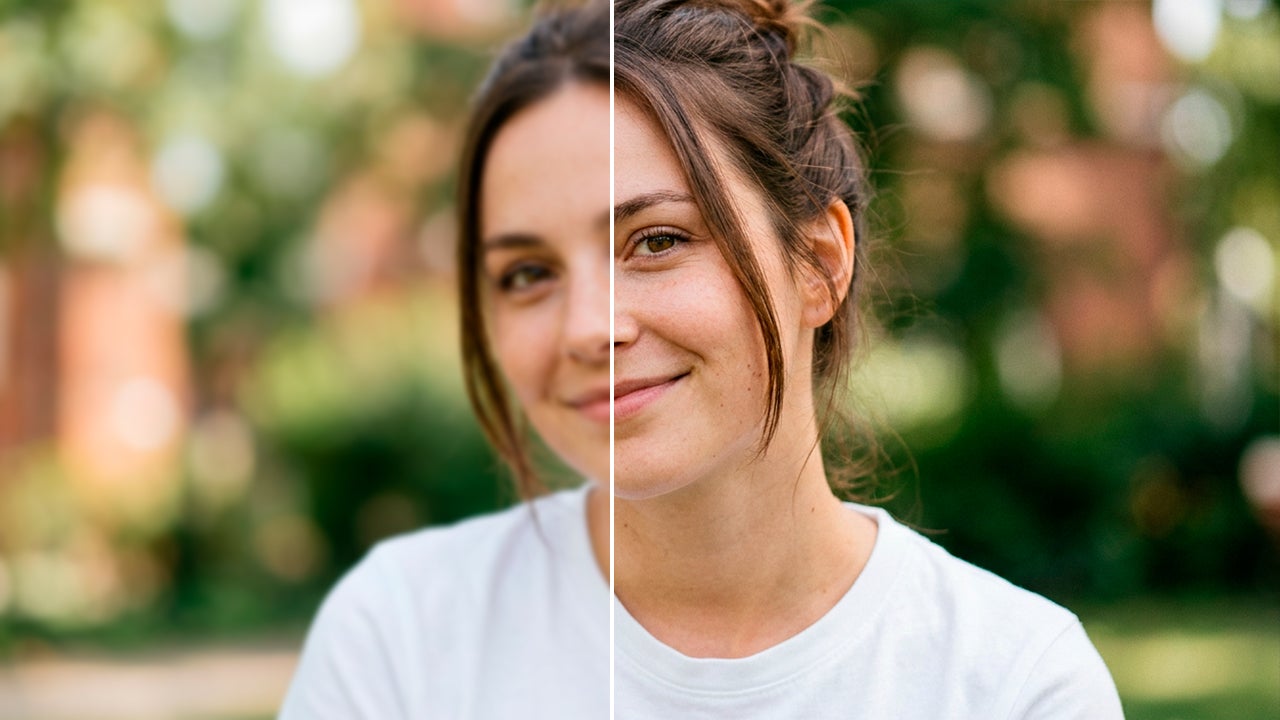
Low-resolution images also benefit from Photoshop‘s AI tools, which can rebuild textures and recover a surprising amount of sharpness. Photos with noise or heavy compression are also worth trying (anything you’ve downloaded from a social media chat, for instance).
What you can’t easily save are photos with extreme blur, the kind that’s nearly deformed or where you mostly see smudges. Even AI won’t get you far there. Push it too hard and it’ll start inventing details rather than recovering them.

Here are the main tools inside Photoshop to rescue most of your photos.
Use Smart Sharpen
Smart Sharpen is one of the most effective tools for dealing with soft or blurry images. With your photo open in Photoshop, go to Filter > Sharpen > Smart Sharpen. You’ll see three main controls: Amount, which sets how intense the sharpening is; Radius, which determines how far the effect spreads from edges; and Reduce Noise, which tones down any grain the sharpening introduces.
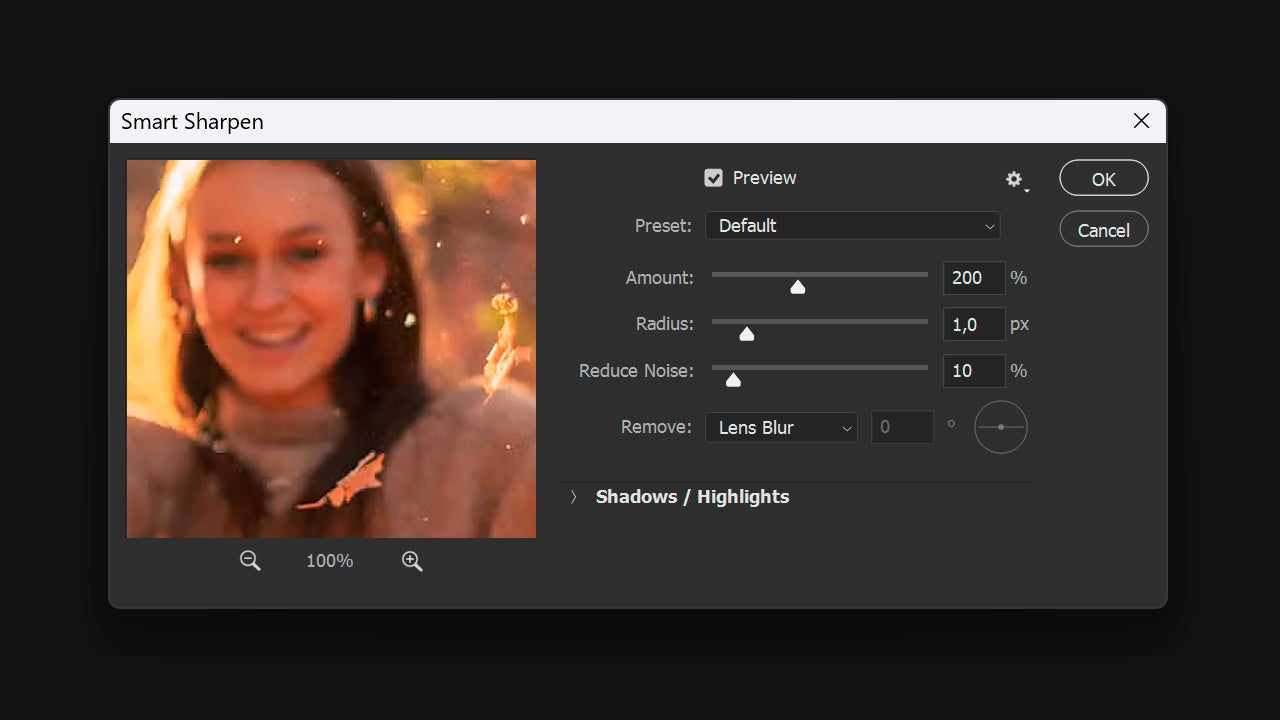
In the Remove drop-down, you choose which type of blur to eliminate. Out-of-focus blur and motion blur aren’t the same thing, and the tool handles each differently. For motion-blurred shots in particular, Smart Sharpen delivers excellent results. That said, don’t go overboard with the sliders. Push them too far and you’ll end up with an artificial halo effect that looks worse than the original.
Reduce the Noise
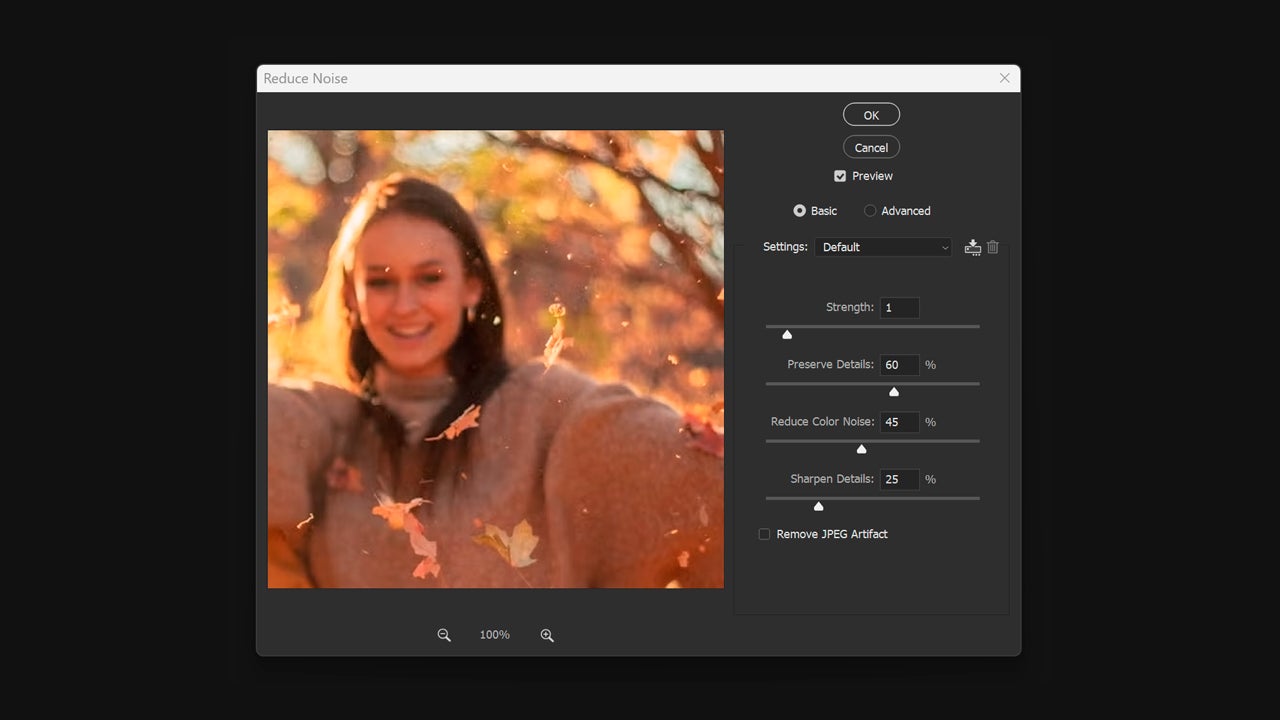
If your photos have too much noise, you can smooth things out quite a bit. This tends to happen when shooting in low-light conditions, and it makes images look less sharp than they actually are.
Open your image in Photoshop and go to Filter > Noise > Reduce Noise. Work the Strength, Reduce Color Noise, and other sliders until you’re happy with the result. Make sure the Preview checkbox is on so you can see exactly what each adjustment does in real time.
Improve Your Images with Generative Upscale
Photoshop has some genuinely powerful AI tools, and Generative Upscale is one of the most useful for resolution problems. It lets you enlarge low-resolution images while keeping the detail intact, which is a lifesaver for old photos that never looked great or any downloaded image that’s too small to work with.
With your image open, click Image > Generative Upscale. You’ll need to choose the scale (2x or 4x) and which AI model to use. Firefly Upscaler is built specifically to restore low-res images. Topaz Gigapixel focuses on preserving fine detail and handles a wide range of photos well. Topaz Bloom takes a more creative approach, adding texture where there wasn’t much to begin with.
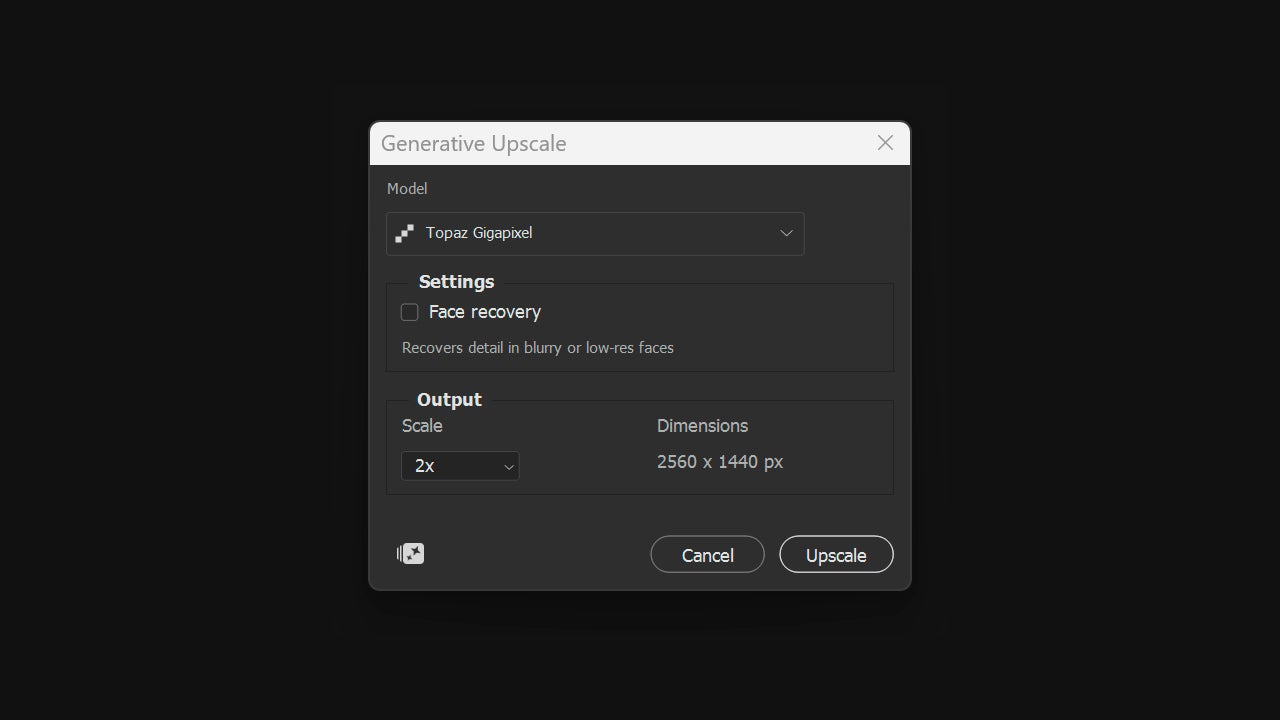
For most photos, Topaz Gigapixel is the one to go with. In most situations, it delivers sharp, natural-looking results with plenty of detail.
Photoshop or Lightroom: When to Use Each
You might be wondering whether Lightroom could work better for some of this. Both tools have their place. It really comes down to what you need.
Lightroom shines when you’re making general adjustments across a large batch of photos at once. It’s the go-to for photographers who want to fix exposure, color, and basic corrections quickly, without getting into complex edits.
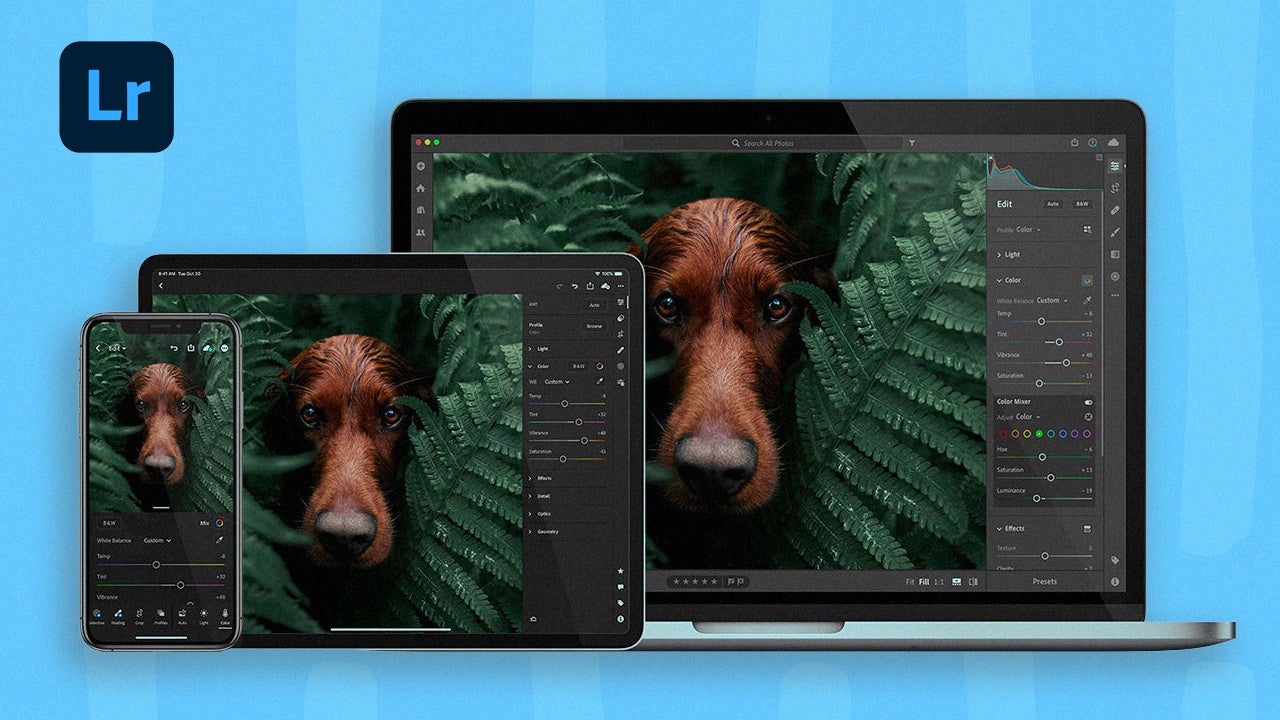
Photoshop is a lot more involved. It’s the right choice for compositing, very specific corrections, and the targeted fixes we’ve covered in this guide. That said, you don’t have to pick just one. Try handling the basic adjustments in Lightroom first, then bring the image into Photoshop for the detail work. You’ll get the best of both.
