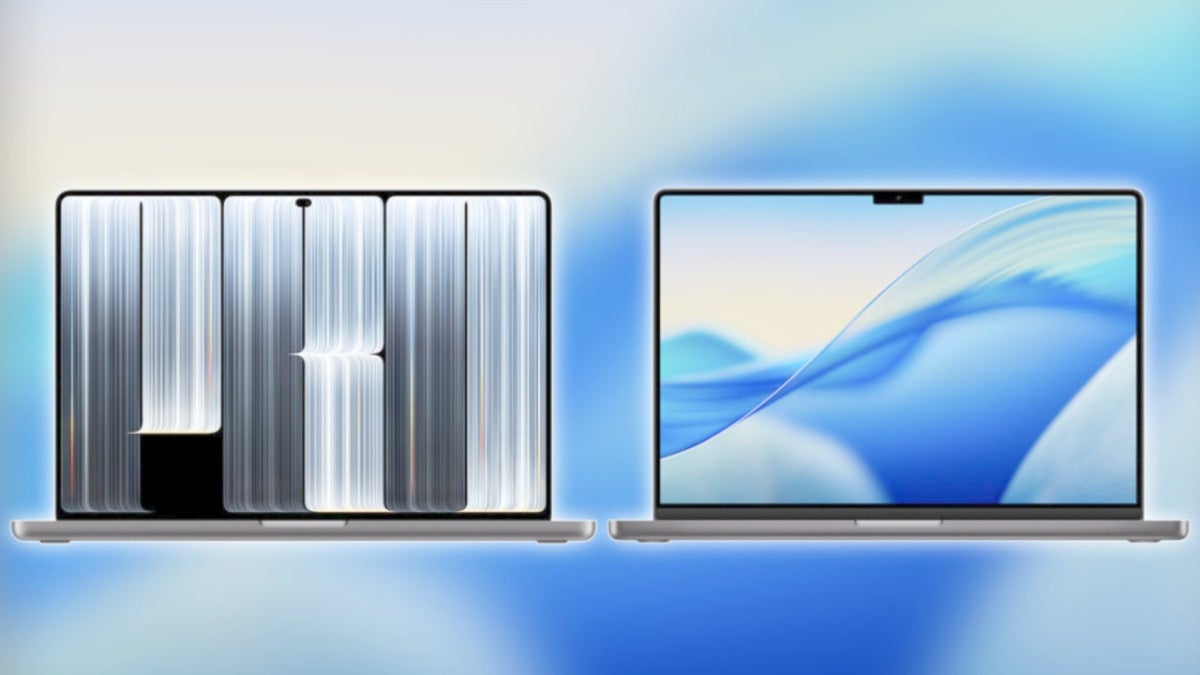
Apple has unveiled its new MacBook Pro with a PROLED XDR display, a huge evolution of the Mac lineup in which the move to OLED comes with several improvements and a refreshed design. You get a more advanced display, touch interaction, and much more portability, while keeping the power and battery life we already know. Let’s see how this generation stacks up against the previous design.
All the differences between OLED and Mini-LED
The tandem OLED technology, which we already know from the iPad Pro, is the main highlight, but there are more differences between the two models:

Mini-LEDOLED (PROLED XDR)DisplayMini-LEDTandem OLEDPeak HDR brightness1,600 nits2,000 nitsContrast1,000,000:110,000,000:1Touch controlTrackpad and keyboardAlso touch-enabledFront cameraNotchDynamic Island14″ weight (M5 Pro)1.60 kg1.38 kg16″ weight (M5 Pro)2.09 kg1.82 kgMaximum storage8 TB16 TBMaximum battery life24 hours24 hoursProcessorsM5 Pro and MaxM5 Pro and MaxSoundSix speakersImproved bassIlluminated logo—Yes14″ price from$2,499$2,899
An improvement that goes far beyond the display
Besides the new features in its display, this is a considerably lighter and thinner MacBook Pro, with a reinforced hinge and better stabilization for video calls.
macOS’s adaptation to touch gestures lets us interact directly with our apps, while Dynamic Island makes it easier to access Siri, Spotlight, and live activities.
With this unveiling Apple has taken a very important step. It keeps everything that makes the MacBook Pro great and adds new ways to work with it. A particularly interesting refresh for those of us looking for maximum versatility in a familiar and respected format.
