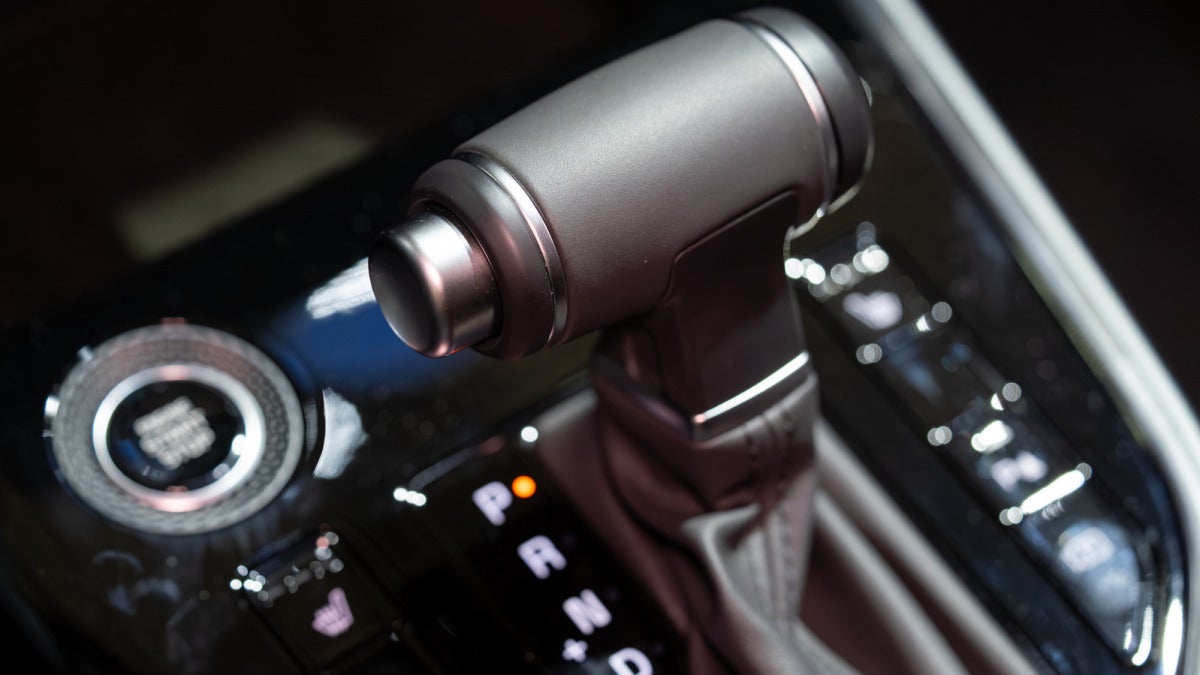
In 2026, it no longer always makes sense to take it for granted that the manual transmission is more reliable than the automatic. For years, the almost automatic answer was yes, and it had its logic: fewer parts, less complexity and, in theory, fewer things that could break. The problem is that today’s automatics have advanced so much that, if they’re well designed and properly maintained, they can match a manual and even surpass it.

On paper, the manual keeps a clear trump card: simplicity. It normally has fewer internal components, and that reduces the possible failure points.
But in practice, the reliability of a manual transmission depends much more on who’s behind the wheel. Abusing the clutch, driving with your foot resting on it, shifting harshly or downshifting badly speeds up wear. And there’s another important point: the clutch is still a major consumable, and replacing it usually comes up somewhere between 96,000 and 160,000 kilometers, depending on use and driving style.
That is, in fact, the big difference compared with twenty or thirty years ago. automatic transmissions have evolved enormously on a technical level. Today they have better materials, tighter tolerances, much more refined control electronics and more effective thermal management. All of that has improved their reliability.
Besides, automatics have one very specific advantage: consistency. They always shift the same way, with no human mistakes and no abused clutches, so they avoid part of the mechanical stress that a manual can be subjected to.
By now, a good modern automatic should no longer be seen as the delicate option. Among specialists, transmissions like the ZF 8HP tend to come up again and again as examples of durable gearboxes, as long as they get the proper maintenance.
And when you try to measure reliability for real, the quality of that particular transmission weighs more than the fact that it’s manual or automatic. What matters is the internal design, temperature control, the maintenance history and also the type of use, because a car that does city driving every day doesn’t age the same way as one that tows or spends half its life stuck in traffic.
Within the world of automatics itself, there are differences too. Conventional automatic gearboxes have a pretty good reputation today. Some CVTs, on the other hand, have carried more problems, and dual-clutch ones can add complexity and raise maintenance costs.
If someone wants a quick answer, it’s no longer enough to repeat that the manual is more reliable. It may still be in theory, yes, but it’s also much more affected by how it’s treated. A modern automatic, well engineered and well cared for, can offer an long service life and, besides, leaves less room for user error.
In any case, it’s worth being skeptical of absolute conclusions. There is no known publicly available comparison that definitively establishes the current failure rates between manual and automatic transmissions. That’s why the consensus among specialists remains the same: the specific model and its maintenance matter more than the type of transmission.
