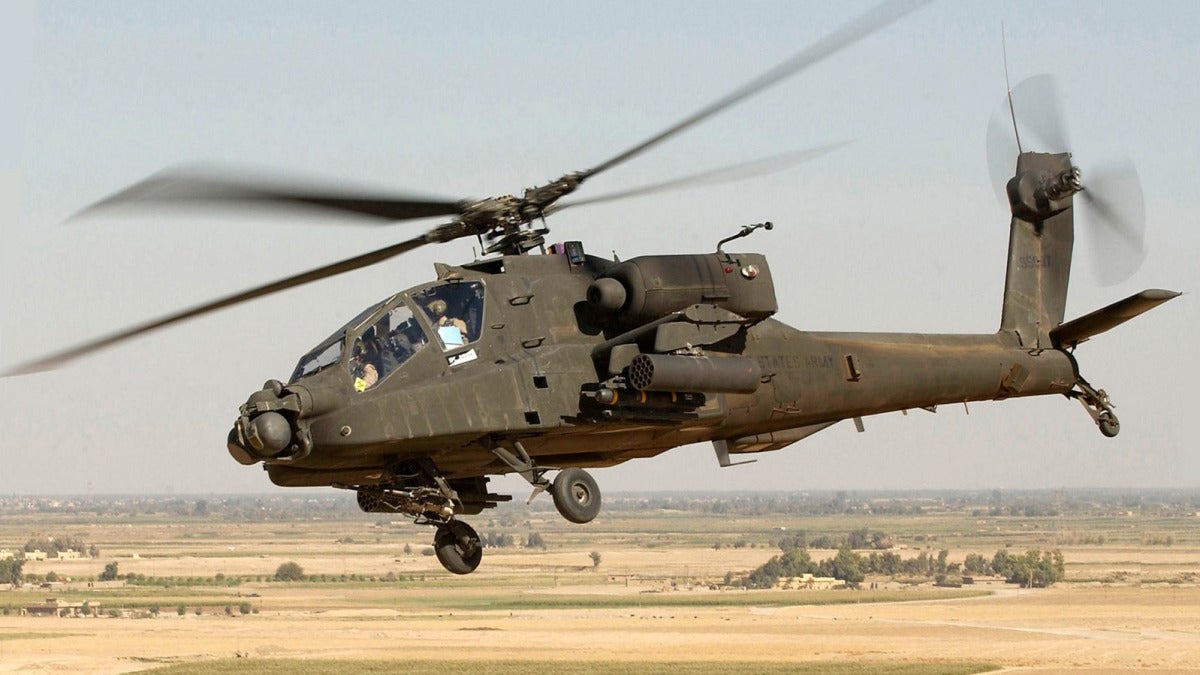
The Marine Corps flies the AH-1Z Viper, UH-1Y Venom, and CH-53K King Stallion for expeditionary, ship-based work, not the Army’s AH-64 Apache or UH-60 Black Hawk. The reason is pretty straightforward: Marine aviation has to operate from ships and rough, austere sites, so it leans toward helicopters built for naval use.
That changes the requirements. Marines need corrosion protection, folding rotors, reinforced landing gear, and dimensions that work on crowded flight decks. That’s why the AH-1Z Viper and UH-1Y Venom make more sense in this role than the AH-64 Apache and UH-60 Black Hawk. The AH-1Z Viper is often listed at 255 mph, compared with 182 mph for the AH-64 Apache, while the UH-1Y Venom covers transport, command and control, escort, and resupply. There’s also a logistics upside: the AH-1Z Viper and UH-1Y Venom share about 85% of their parts, which cuts maintenance, training, and support demands.
The same logic applies on the heavy-lift side. The CH-53K King Stallion fits Marine missions better than an Army CH-47 Chinook because it can haul a 36,000-pound external load and includes automated rotor and tail folding for shipboard service.
The roadmap is laid out in Force Design 2030 and the U.S. Marine Corps 2026 Aviation Plan. In those documents, the Corps says it’s replacing the CH-53E with 200 CH-53Ks and upgrading the H-1 fleet through SPINE for more power, longer service life, better connectivity, weapons integration, survivability, F-35 data sharing, and manned-unmanned teaming.
