Microsoft has taken a significant step in protecting the work of voice actors in Spain by reaching an agreement with PASAVE, the Platform of Associations and Unions of Voice Artists in Spain. This agreement arises in a context where the use of artificial intelligence for voice synthesis has raised serious concerns within the industry, with growing fears among performers that their voices could be replicated without their consent or appropriate compensation.
Fighting for the rights of this profession
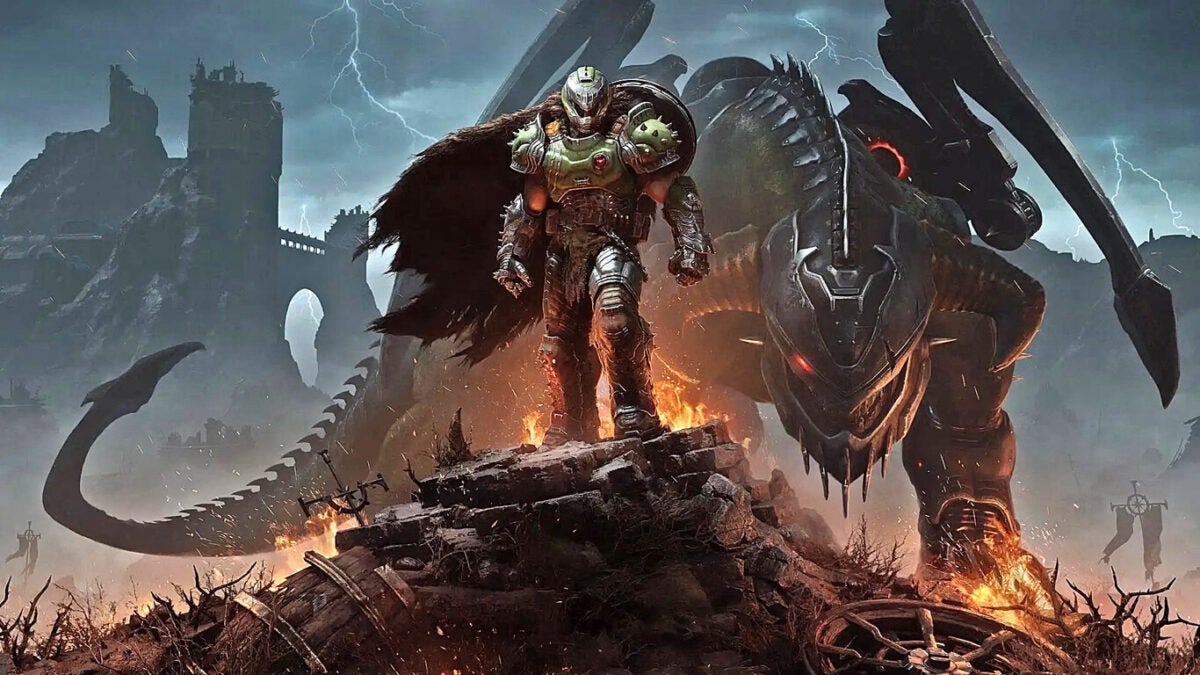
According to a Microsoft spokesperson, the agreement aims to ensure the quality and authenticity of content in Spanish, a priority that the company reaffirms in its commitment to the Spanish-speaking gaming community, which has expressed its dissatisfaction with the lack of dubbing in recent titles such as DOOM: The Dark Ages or in updates for World of Warcraft. Microsoft’s initiative not only addresses the concerns of the sector but also aims to strengthen its relationship with this important user base.
The growing use of artificial intelligence in voice production has transformed the dubbing landscape, allowing companies to synthesize human voices with high fidelity. However, this technique has faced criticism, both in the United States, where actors have mobilized with strikes, and in other regions. Unlike models that seek to replace human talent, the agreement with PASAVE could establish a new paradigm of collaboration between video game studios and voice actors, benefiting both parties and highlighting the importance of quality dubbing that resonates with Spanish culture.
Nevertheless, despite this progress, the debates about the impact of artificial intelligence on the industry remain relevant. The effective implementation of this agreement is still in question, and it will be crucial to observe how Microsoft will manage to balance technological innovation with the protection of voice artists’ rights in the future.