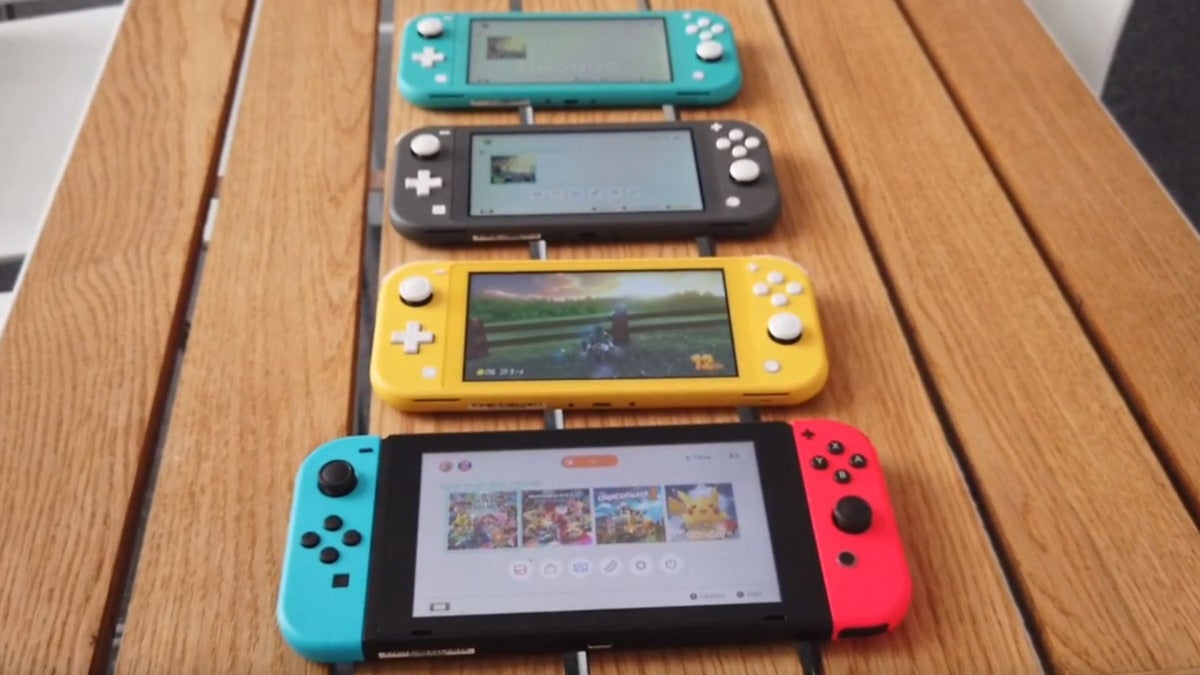
Nintendo laid out its Nintendo Switch and Nintendo Switch 2 strategy in July 2026, and Shigeru Miyamoto put it pretty plainly in Famitsu: the “best” outcome isn’t a clean generational reset. It’s a household with more than one Nintendo console in play, an original Nintendo Switch next to a Nintendo Switch 2.
That gives you a pretty clear read on what Nintendo is aiming for. The company is leaning into families and enthusiasts using different systems for different roles. The hybrid Nintendo Switch design points that way. So does the Nintendo Switch Online Family Plan. So does Nintendo president Shuntaro Furukawa’s 2020 note that about 20% of Nintendo Switch sales from October to December 2020 went to households that already owned one. Taken together, it looks like a layered platform.
Miyamoto’s joking lines in the Famitsu interview about living with “minimal effort” and “without having to work” were really getting at development strain. If generations overlap, teams can build for a wider installed base with less friction. They get better continuity, too, and a bigger day-one audience. If you use Nintendo Switch regularly, that part is worth watching.
You can read the interview in Famitsu, but the practical takeaway is straightforward: backward compatibility for original Nintendo Switch physical and digital games, along with existing Nintendo Switch controllers. That also reinforces Miyamoto’s view that distinctive play matters more than raw specs. The Nintendo Switch has lasted nearly nine years, which makes the point pretty well on its own. Meanwhile, reports put Nintendo Switch 2 at 17.37 million units by December 2025, with forecasts of 15 to 17 million in 2025 and more than 80 million by 2028.
