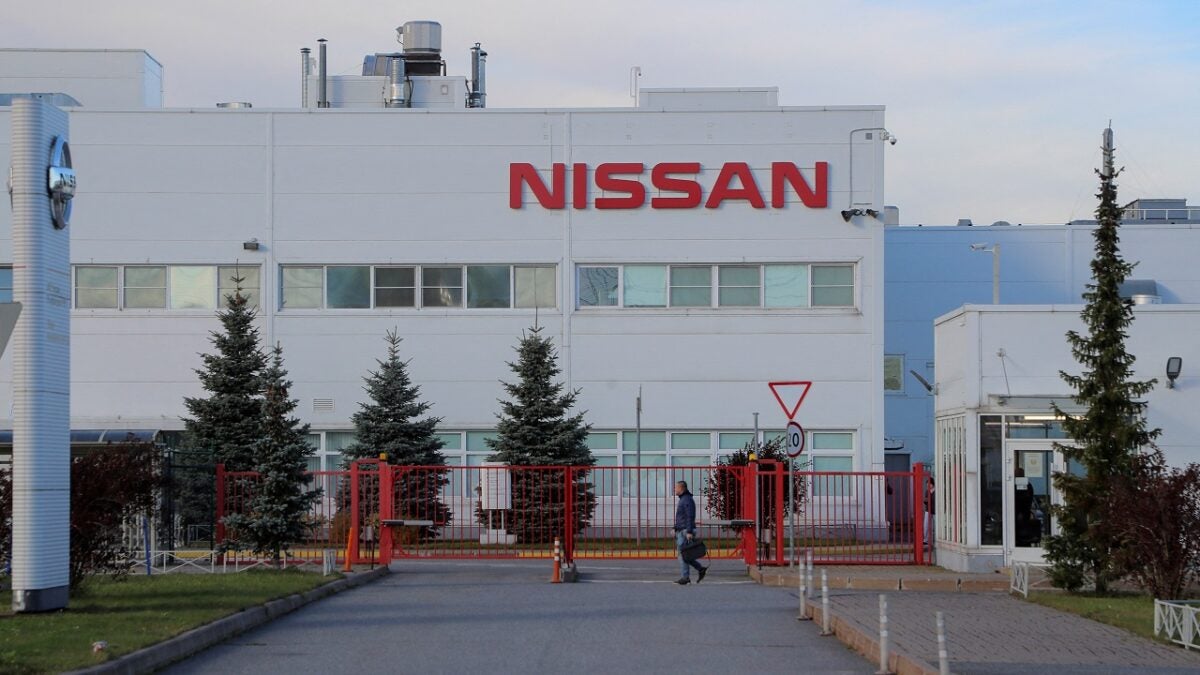
Nissan has officially abandoned plans to construct a lithium iron phosphate (LFP) battery plant in Japan, a critical initiative aimed at reducing the costs associated with electric vehicle (EV) batteries.
This decision comes as part of the company’s broader effort to navigate its current struggles and restore performance amid disappointing sales in major markets such as China and North America.
The Japanese automotive giant had recently secured approval from Japan’s Ministry of Economy, Trade, and Industry (METI) to build the facility, which was set to be an integral component of a domestic supply chain for EV batteries.
As Competitors Like BYD Gain Ground, Nissan Revisits Strategy for Electric Vehicle Market
Nissan anticipated receiving up to 55.7 billion yen ($384 million) in government support for the project, which aimed to cut battery costs by 20% to 30% and produce up to 5 GWh annually by 2028.
Despite the potential benefits, Nissan’s financial outlook has become increasingly bleak, with projections estimating a net loss of up to 750 billion yen ($5.2 billion) for the fiscal year ending in March 2025. With competitors like BYD swiftly capturing market share in Asia, South America, and beyond, the company’s retreat from the LFP plant signals a significant setback in its competitive strategy.
In response to the evolving market landscape, Nissan is revisiting its EV battery strategy and will launch the next generation of its LEAF model in the U.S. and Canada later this year.
This updated version, featuring a crossover design and improved range of 373 miles (600 km), aims to bolster Nissan’s position in the EV sector. However, the abandonment of the LFP plant raises concerns about the company’s long-term viability and its ability to keep pace with rivals who are gaining ground.
As Nissan reassesses its future, it remains to be seen how these decisions will impact its standing in the rapidly changing automotive landscape. Industry whispers suggest that the competition may intensify as brands like BYD readied to introduce their own models in Japan, posing a formidable challenge to traditional automakers.