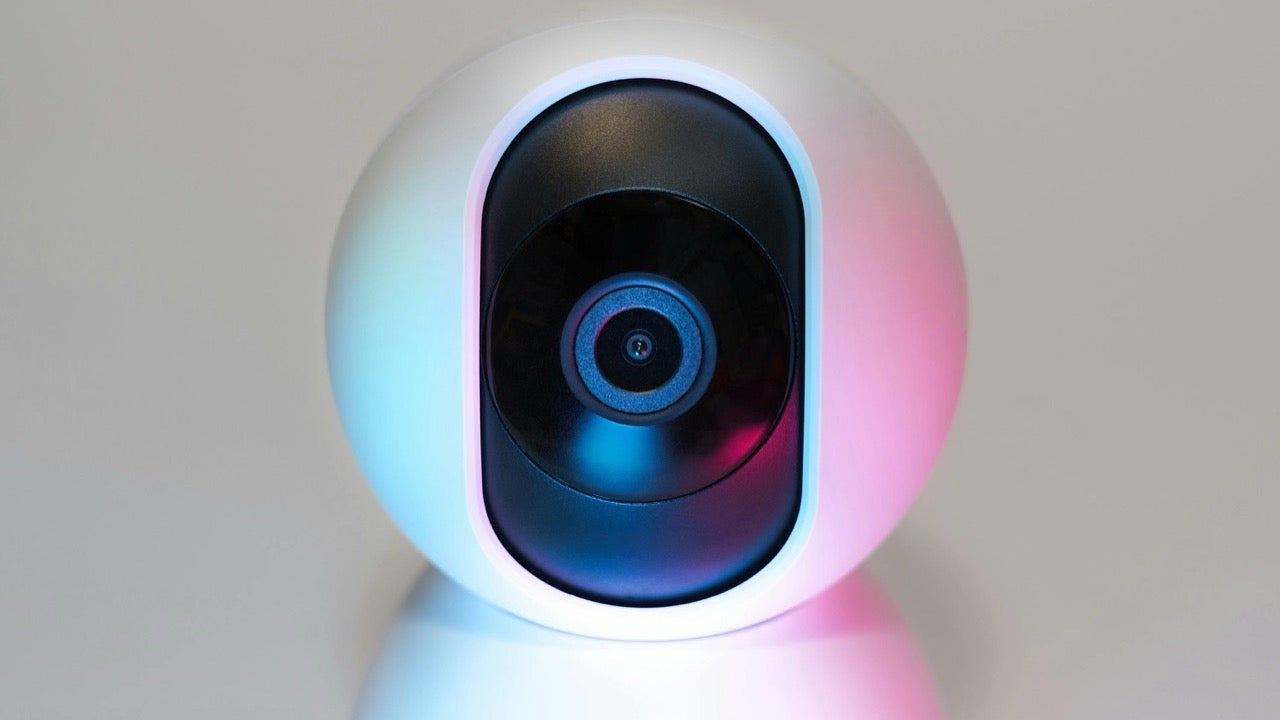
With the summer holidays approaching, many people install home security cameras for peace of mind while they’re away. But what seems like a smart move can become a major privacy threat. According to cybersecurity firm Bitsight, more than 40 000 cameras around the world are currently exposed online — and the owners may not even realise it.
Misconfigured cameras pose a serious privacy risk
Bitsight researchers found that thousands of security cameras are accessible without passwords or encryption, making it easy for anyone to view live footage. This isn’t limited to private homes — offices, hospitals, shops and even ATMs have been affected, putting both individuals and institutions at risk.
The problem lies in poor configuration. Many users don’t change the default settings or fail to update their devices. Sometimes, accessing a live feed only requires knowing the device’s IP address, no hacking skills needed.
These risks aren’t new — and they’re getting worse
Bitsight raised the alarm in 2023, but three years later, the issue remains unresolved. What’s more worrying is that footage from these unprotected cameras is being shared on the dark web, with links and even full video clips circulating freely.
The United States tops the list with over 14 000 vulnerable cameras, followed by Japan, Austria and several European countries. These figures show how widespread and persistent the problem is.
How to secure your home camera
The good news? Protecting your camera is easier than you think. Bitsight and manufacturers like TP-Link recommend:
- Changing default passwords for strong, unique ones
- Keeping the firmware up to date
- Disabling remote access when not needed
- Using a VPN for external access
Most breaches happen due to basic user mistakes, not advanced cyberattacks. A few simple steps can make all the difference.