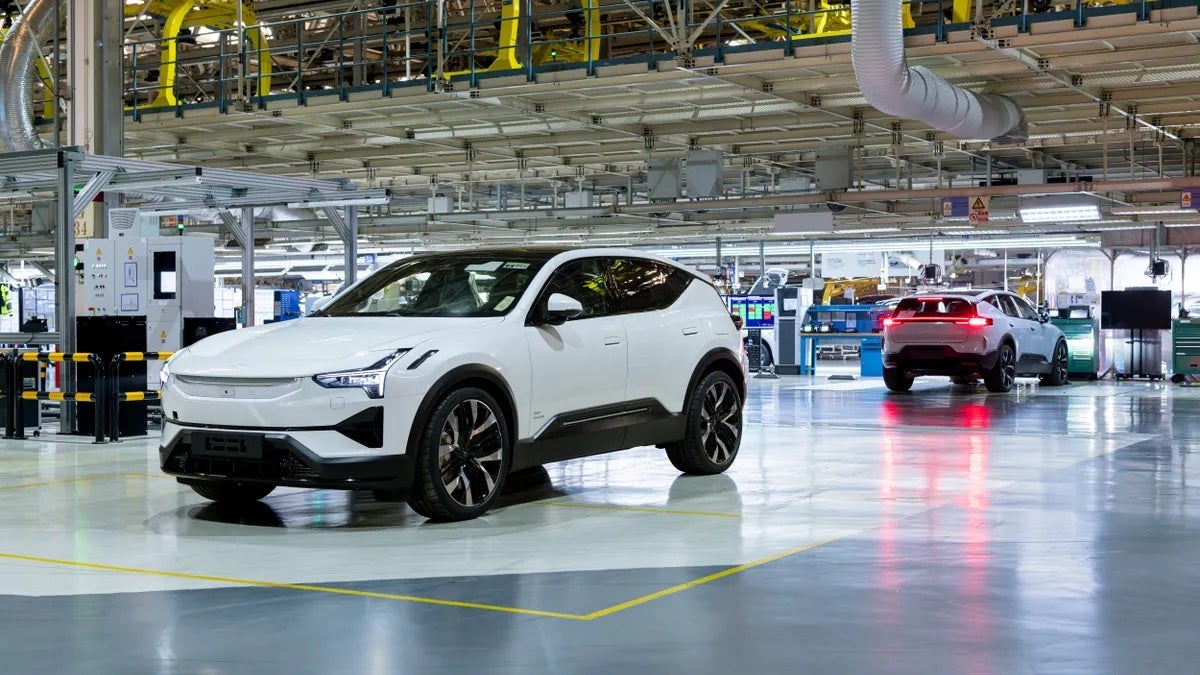
Polestar has recently made a notable move in the U.S. automotive market by removing the Polestar 2 from the header of its official website, signaling a significant reduction in the vehicle’s availability.
This change comes amid an increasingly challenging landscape for electric vehicles (EVs) in the U.S., particularly due to the implementation of new tariffs on Chinese imports, which are projected to rise to 100% in 2024.
Analysts indicate that such tariffs are likely to lead to inflated prices and decreased competition, further complicating the marketplace for consumers.
Tariff Impact: Polestar 2’s Future in Question Amid Price Hikes
The Polestar 2, which began production in 2020 as Polestar’s first full electric vehicle, has been a key model for the brand. However, with the Polestar 3, manufactured in South Carolina and priced at $67,500, emerging as a potentially more viable option for American consumers, Polestar appears to be pivoting away from the Polestar 2.
This model initially sold for around $50,000, but the financial pressure from tariffs has made its continued presence in the U.S. market less tenable.
Industry representatives have voiced strong concerns regarding the detrimental impact of these tariffs on American competitiveness and innovation in the automotive sector. Many in the industry believe that the current tariff policies harm manufacturers and consumers alike, leading to higher costs and reduced availability of new EV models.
This sentiment was echoed as several anticipated vehicles, including the Volvo EX30, faced delays in American availability due to these tariffs, which reflect broader trade issues that complicate planning for automotive companies.
As Polestar shifts focus away from the Polestar 2, it underscores the broader challenges facing the automotive industry amid a rapidly changing economic landscape, raising questions about the future of EV offerings and consumer choices in the United States.