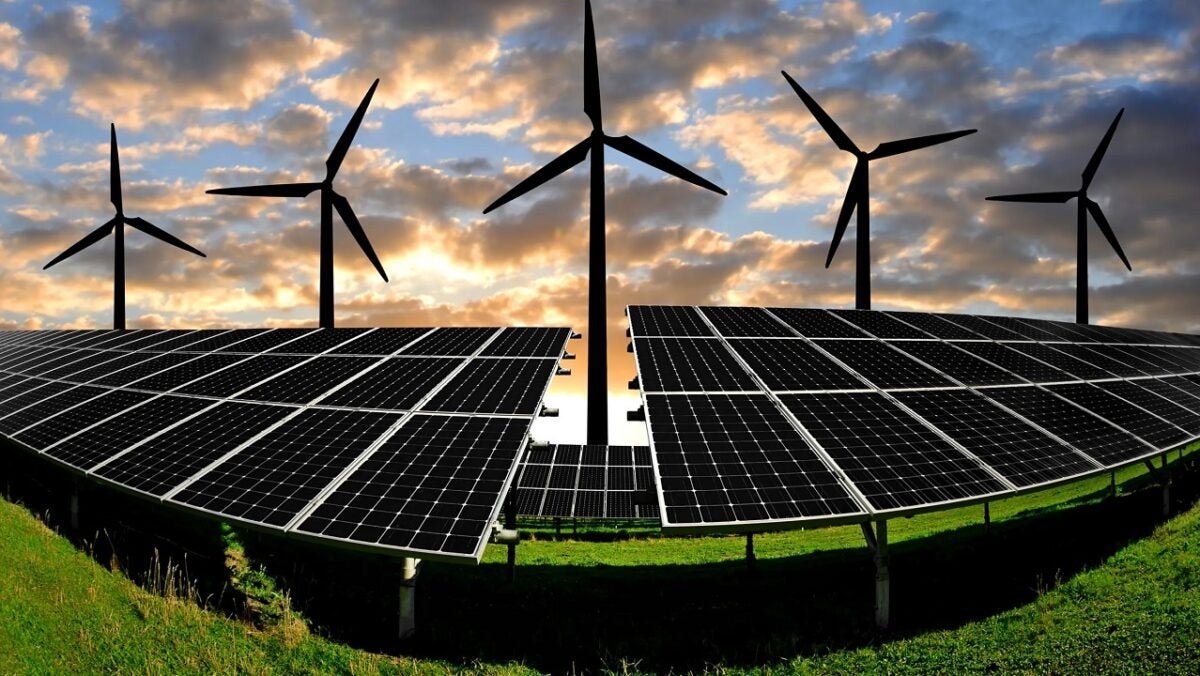
In a significant milestone for the global energy sector, renewables and nuclear energy accounted for 40.9% of the world’s electricity generation in 2024, surpassing the 40% threshold for the first time since the 1940s, according to Ember’s latest Global Electricity Review.
This report highlights a record addition of 858 terawatt-hours (TWh) from renewable sources, marking a 49% increase compared to previous highs in 2022. Solar energy led this growth, contributing 474 TWh and representing 6.9% of global electricity for the third consecutive year.
The surge in electricity demand, which climbed by 4.0% in 2024—largely driven by heatwaves and the expanding use of technologies such as artificial intelligence, data centers, and electric vehicles—underscored the shifting dynamics in energy consumption.
Solar energy drives record growth, contributing 474 TWh to world’s energy in 2024
Heatwaves alone were responsible for nearly 20% of this increase in demand, with cooling needs pushing the total upward. In response, fossil fuel generation saw a slight rise of 1.4%, ultimately resulting in global power sector emissions reaching an all-time high.
However, the report indicates that clean energy generation is poised to outpace the anticipated growth in electricity demand in the coming years, potentially signaling a permanent decline in fossil fuel usage.
More than half of the growth in solar generation this year occurred in China, where clean energy sources met 81% of the country’s rising demand, while India also experienced a twofold increase in solar capacity compared to 2023.
Phil MacDonald, Ember’s managing director, emphasized the vital role of solar power in the energy transition, stating, “Paired with battery storage, solar is set to be an unstoppable force”. As the world observes the ongoing integration of renewable technologies, it appears increasingly clear that the balance is tipping towards a sustainable energy future.