February 10 marks Safer Internet Day – a global reminder of something that’s already part of everyday life: whether we like it or not, we live online. From checking our bank accounts on a phone to messaging family on WhatsApp or shopping online, the internet has become a natural extension of our daily routines.

At the same time, while technology has made many once-tedious tasks easier, it has also made life easier for cybercriminals. Not long ago, online threats were associated with obvious warning signs: visible viruses, sketchy pop-ups, or illegal downloads. Today, the landscape looks very different. Digital attacks blend seamlessly into perfectly normal online activity.
Everyday behavior – clicking a link, scanning a QR code, opening a message, or scrolling through social media – has become one of the main attack surfaces. You no longer need to visit shady websites to be at risk. Many threats now hide in places that look completely legitimate.
That’s why Safer Internet Day isn’t just about technology for one day a year. It’s about habits, digital awareness, and using tools – especially antivirus software – that help protect your online life without getting in the way.
The New Face of Online Threats
Today’s threats are more subtle than ever. Instead of trying to scare users with obvious red flags, they’re designed to go unnoticed. Here are some of the most common techniques cybercriminals use.
Scams Embedded in Everyday Digital Life
Fraud attempts can now show up in places like:
- Social media ads
- Messages that appear to come from well-known companies
- Professional-looking emails
- QR codes in restaurants, on posters, or on packages
- Sponsored search results
These tactics work because they exploit our trust in familiar platforms. “How could there be a sponsored scam on X (formerly Twitter)?” It happens – and staying alert is now part of being online.
Fake Stores and Sophisticated Phishing
Fake online stores have evolved. Many copy the look and feel of real retailers, include seemingly authentic reviews, and even display fake security badges. The goal is simple: steal personal or financial information.
Phishing has also changed. It no longer arrives only in emails full of typos and obvious mistakes. Today it can appear as:
- Delivery notifications for packages you might actually be expecting
- Banking alerts from the bank you really use
- Support messages from brands you own
- Notifications from social networks where you have an account
Impersonation and Deepfakes
Advances in artificial intelligence have made it easier to create highly realistic fake images, audio, and videos. This allows cybercriminals to impersonate:
- Family members
- Companies
- Public figures
- Coworkers
Why are these threats so challenging to spot?
Because they’re designed to look normal. They rely on urgency (“today only”), trust (“verified,” “official”), or emotion (“your account will be locked”). The goal isn’t to break computer systems; that’s difficult and time-consuming. The goal is to trick people, who are far less predictable than antivirus software and other cybersecurity systems.
Everyday Habits That Put Users at Risk
Often, risk doesn’t come from one big mistake but from small actions repeated every day. Even users with strong cybersecurity knowledge can slip up due to routine.
Clicking Without Checking
The speed at which we consume content means we rarely verify:
- The full website URL
- The complete sender address in an email
- Whether a shortened link is legitimate
One careless click can lead to a page designed to steal your data.
Sharing Too Much Personal Information
Posting routines, locations, or personal details may seem harmless, but it can enable:
- Identity theft
- Targeted attacks
- Social engineering
Using Public Wi-Fi Without Protection
Airports, cafés, and hotels offer convenient free Wi-Fi, but these networks can allow third parties to intercept data if there’s no extra protection. This is where having antivirus protection on your device becomes especially important.
Reusing Passwords
This is one of the most common – and dangerous – habits. If a password is exposed in a data breach on one service, it can give attackers access to many other accounts.
How to Build Safer Digital Habits
The good news is that improving online security doesn’t require advanced technical knowledge. Small changes can make a big difference.
- Verify before you act:
Check the full web address, confirm the real sender, and be skeptical of urgent messages. - Use unique passwords:
A trusted password manager or long, easy-to-remember passphrases help avoid reuse. - Enable two-factor authentication:
Adds an extra layer of protection even if someone gets your password. - Limit publicly shared information:
Think twice before posting personal details, real-time locations, or sensitive work info. - Keep devices up to date:
Updates often fix security vulnerabilities. - Use reliable digital protection:
This is where background protection really matters. In our experience, one of the best free antivirus solutions available today is Avast Free Antivirus.
Are Antivirus Tools Still Useful in 2026? Avast’s Free Antivirus Challenge: Protecting Everyone
For many people, the real challenge isn’t understanding cybersecurity – it’s finding solutions that work without friction. In this context, accessible tools can become a natural part of everyday digital life.
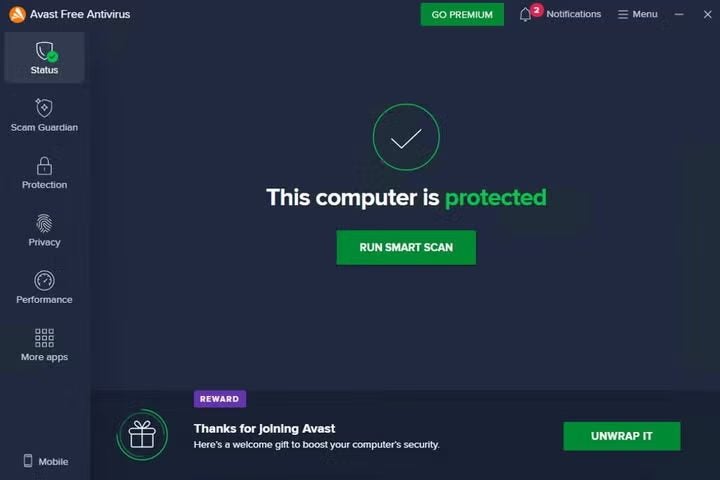
Avast Free Antivirus has positioned itself for years as a digital security partner focused on helping protect real users, not just experts. Its approach combines automatic protection with a simple, user-friendly experience.
Avast Free Antivirus as an Accessible Starting Point
Avast Free Antivirus serves as an entry point to help with digital protection for millions of users. Its core promise is straightforward: essential protection with no barriers.
Users value benefits such as:
- Real-time protection against known and emerging threats
- Automatic scanning of files and downloads
- Clear, easy-to-understand alerts
- Background operation that doesn’t interrupt normal device use
Protection Designed for Real User Behavior
Modern security goes beyond blocking traditional viruses. It also means detecting suspicious behavior, dangerous links, and fraudulent downloads before users have to make complex decisions.
The broader Avast Free Antivirus protection ecosystem is designed to help support everyday activity – browsing, online shopping, social media, and app usage.
Simplicity and Peace of Mind
Simplicity is key. Many users want solutions that:
- Don’t require complex setup
- Work automatically
- Communicate risks clearly
In that sense, tools like Avast Free Antivirus help act as a safety net for everyday online activity, helping reduce risk without adding friction. You could consider it to be quiet protection running in the background.
Safer Internet Day: A Reminder, Not a One-Day Event
At its core, digital security isn’t something you set up once and forget. It’s an ongoing process – like locking your front door when you leave or fastening your seatbelt before driving.
Safer Internet Day is a good opportunity to review digital habits and make simple improvements:
- Review passwords
- Update devices
- Remove unused apps
- Check privacy settings
More importantly, it’s a reminder that online safety isn’t just about avoiding danger – it’s about building a calmer, more reliable digital experience.
Combining awareness, good habits, and the right protection tools – such as Avast Free Antivirus – helps users navigate today’s digital environment with greater confidence. Learning how to stay safe online is the first step, and having the right protection makes that step easier.
Safer Internet Day is a great moment to rethink how we protect our digital lives – not just today, but every day of the year.
