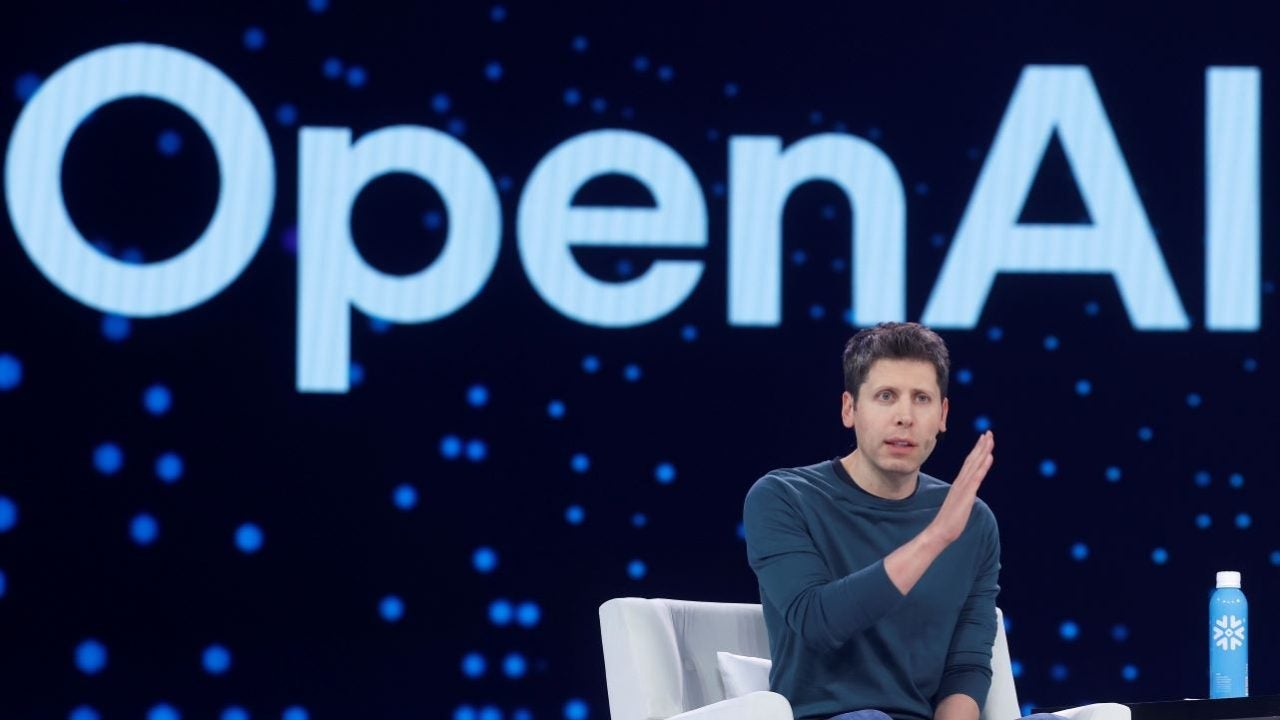
OpenAI is becoming increasingly cornered. Despite the fact that the company has recently raised an additional $10 billion in funding, bringing its valuation a little closer to its $1 trillion goal, generating profits remains a huge challenge for the creator of ChatGPT.
The company’s executives, in a panic, have made it very clear that “secondary tasks” that distract attention must be abandoned, while efforts are being doubled both in the business field and in programming.
An adult way that no one saw clearly at OpenAI
The supposed goal is to put all its offerings into a single “superapp,” following the example from the strategy manual of xAI’s CEO, Elon Musk, who merged Twitter with X and Grok.
These are not empty words from OpenAI executives. First of all, this week it was revealed that the company is going to eliminate its disastrous AI video application Sora, undermining what was supposed to be a revolutionary $1 billion deal with Disney.
Now, the company is eliminating its controversial “adult mode” chatbot, according to the Financial Times, highlighting once again the immense pressure it is under, as competitors are not only catching up but are also snatching valuable paying customers right under its nose.
According to the FT, OpenAI has since confirmed that the chatbot, which CEO Sam Altman described as “erotic for verified adults” in a tweet from October, is on hold indefinitely. The company claims it wants to buy more time to assess the long-term effects of hosting such a bot.
Perhaps it is for the best, given the ongoing discussions surrounding “AI psychosis,” a troubling trend that has led to an alarming wave of mental health crises, as technology pushes some users into spirals of paranoid and delusional behavior.
OpenAI spoke openly for the first time about opening the floodgates to “adult applications” last fall, and Altman promised to “treat adult users like adults.”
Altman also stated in his October tweet that OpenAI had been able to “mitigate serious mental health issues,” despite the large amount of evidence indicating otherwise.
At the beginning of this month, the Wall Street Journal reported that the company’s advisors had become wary of the function and the numerous potential risks of allowing customers already hooked on OpenAI to engage in intimate conversations.
“We are postponing the launch of the adult mode to focus on tasks that have higher priority for more users at this time, such as increasing intelligence, improving personality, customization, and making the experience more proactive,” wrote OpenAI in a statement on March 9.
The child protection system failed 10% of the time
The company has also been trying to establish an effective age restriction model, which according to the WSJ has encountered significant problems. According to the newspaper’s sources, the technology had an error rate of over ten percent, which could have effectively allowed millions of underage users to access explicit chatbots.
The decision to abandon pornographic content suggests that the company is seeking more viable business strategies, as it continues to spend billions of dollars each quarter. Given its plans to invest $600 billion in AI infrastructure over the next four years, the gap between its revenues and its comparatively astronomical expenses will continue to grow.
And that may not prepare the company for success now that it is getting ready to go public, which will allow for unprecedented scrutiny of its finances.
