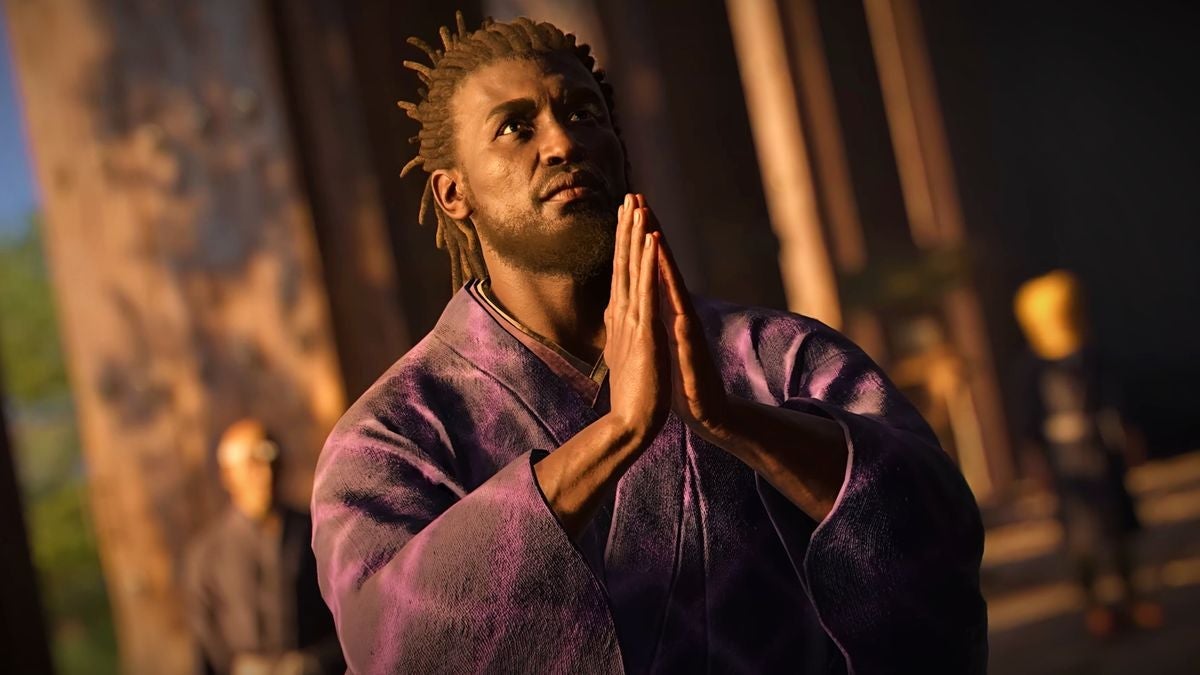
Ubisoft has announced the implementation of an anti-harassment plan to protect its developers from harassment on social media, coinciding with the imminent release of its next title, Assassin’s Creed Shadows, scheduled for March 20. This move comes in response to the growing concern about harassment in the video game industry, where 91% of developers consider it a significant problem, especially for women and members of the LGBTQ+ community. A game surrounded by questionable controversies The game has faced intense criticism, particularly for the inclusion of Yasuke, a black samurai, which […]
Ubisoft has announced the implementation of an anti-harassment plan to protect its developers from harassment on social media, coinciding with the upcoming release of its next title, Assassin’s Creed Shadows, scheduled for March 20. This move comes in response to the growing concern about harassment in the video game industry, where 91% of developers believe this is a significant issue, especially for women and members of the LGBTQ+ community.
A game surrounded by questionable controversies
The game has faced intense criticism, particularly for the inclusion of Yasuke, a black samurai, which has intensified negative reactions towards the company. Additionally, previous communication issues have created a hostile environment in which Assassin’s Creed Shadows will be launched. An employee of Ubisoft commented to BFMTV that they are advised not to mention their association with the company on social media to avoid the possibility of harassment.
To address this situation, Ubisoft has collaborated with the Canadian Communications Security Agency, which monitors networks and acts quickly in the event of targeted attacks. The company has also established a dedicated team that provides psychological and legal support to employees who experience harassment, with lawyers ready to file complaints if necessary. “Unlike what we have had before, this is serious,” said a source close to the studio.
The CEO of Ubisoft, Yves Guillemot, has tried to reassure concerned players, stating that the company is not looking to impose any specific agenda. However, key figures within the creative team have emphasized the importance of distinguishing between constructive criticism and intolerant attacks, an issue that remains a significant challenge in the video game industry.
Oshi no Ko has been able to use the suicide of wrestler Hana Kimura for one of its plots without permission, showing a complete lack of sensitivity.
Oshi no Ko is the most popular anime of the season, if not the entire year, but that doesn’t mean it has managed to evade the controversies that such sensitive material from the original manga could bring. Depression, bullying, murder, and sex play significant roles in the original work, portraying the entertainment industry as a particularly shady business with dark and dichotomous interests. However, it is possible that when developing one of its storylines, the anime’s writers took the similarities to reality too far.
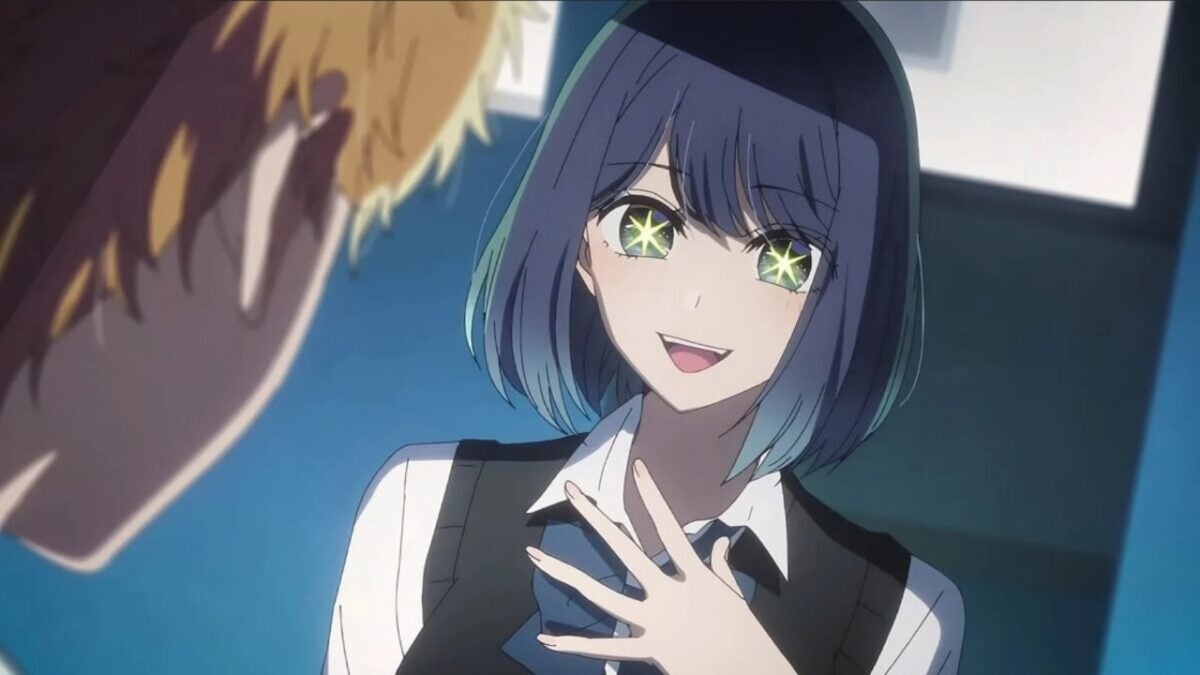
The sixth and seventh episodes of the series focused on the recording of a reality show featuring the main characters, where one of the characters, young Akane Kurokawa, is portrayed as the villain. This leads to her experiencing relentless online harassment, which is explicitly depicted on screen, causing her to contemplate suicide. While Akane eventually recovers and overcomes the situation, the problem is that the messages and the situation bear a striking resemblance to a real-life situation: that of Hana Kimura.
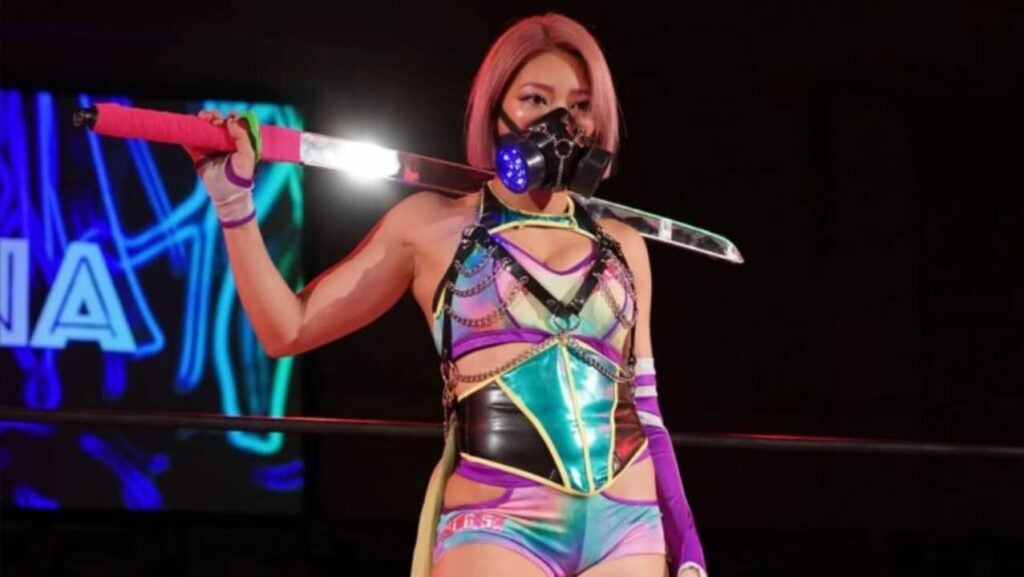
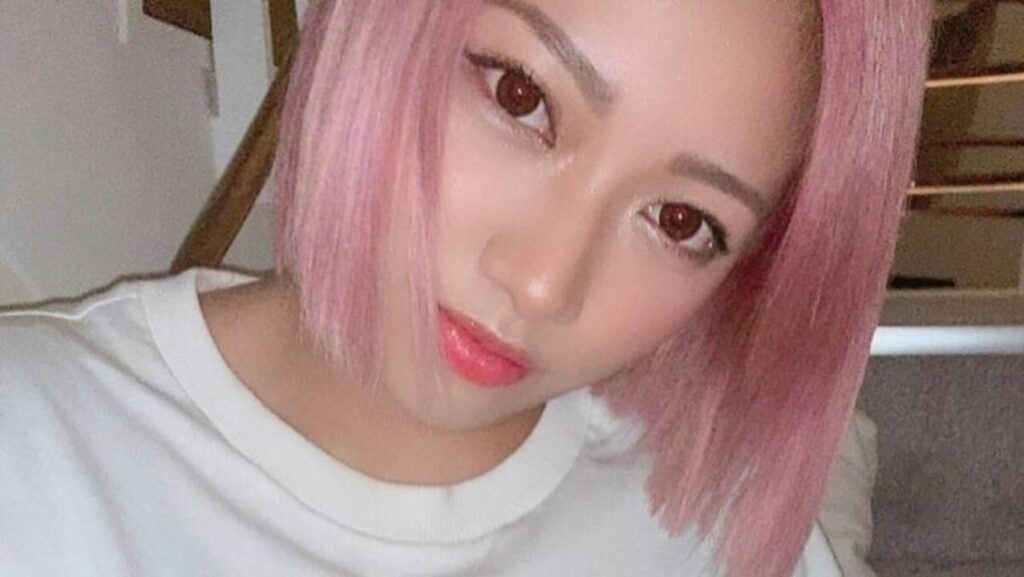
Hana Kimura was a 22-year-old professional wrestler who, in September 2019, joined the fifth season of the reality show Terrace House. There, in an episode filmed in early January 2020, she had a trivial conflict with a housemate, which was magnified by the show’s hosts. When the episode aired in March, she experienced an exceptionally severe case of cyberbullying, which led to depression and tragically ended in Hana taking her own life in 2020.
This resemblance has led many people on the internet to comment on the similarities between Hana’s situation and the messages she endured, and those that Akane faces in the series. One particularly prominent voice in this discussion is that of Kyoko Kimura, Hana’s mother. Expressing her lament that the circumstances of her daughter’s life were used for an anime storyline, she publicly criticized what had been done, and the internet erupted. Numerous fans of the series took to cyberbullying Kyoko Kimura, and this behavior continues to this day. Neither the animation studio responsible for the series, Doga Kobo, nor the publisher behind the original work, Shueisha, have yet made any statements regarding the possible influence of Hana’s story on Akane’s character or the fans’ behavior in response to Kyoko Kimura’s statements.
This silence is tarnishing the image of Oshi no Ko. While a live-action adaptation is planned for the series, its production will remain halted as long as the controversy surrounding Hana Kimura persists. This silence benefits no one involved. Nor does the harassment from fans who fail to grasp the true message of the series they claim to love.
Meanwhile, Hana Kimura’s legacy lives on. On May 23rd, marking the third anniversary of her passing, the Hana Kimura Memorial “pinx!” event was held for the third consecutive year to pay tribute to her. The event showcased what she loved most in this world: the best of puroresu, or Japanese wrestling. Available to watch on Fite TV, all proceeds from this event held at the Korakuen Hall in Tokyo, Japan were donated to the anti-cyberbullying association led by Kyoko, Hana’s mother, called Remember Hana.
While it’s true that Oshi no Ko continues to achieve success after success, including its opening dominating charts worldwide, that doesn’t excuse the fact that controversy is casting a dark shadow over the anime. And it will continue to do so until its creators address this issue in a serious and decisive manner. They need to clarify whether the events are inspired by Hana or not, issue an apology if necessary, and make it clear that their stance is not reflective of their fans. Because sometimes, silence only amplifies the pain. This is something that all individuals who have experienced harassment, like Akane and Hana, understand all too well.