When it was celebrated that man won against AI: the chess game that changed the world

Everyone is talking about AI. Some believe it presents a new world where we can rest and let computers do everything for us (because, apparently, they still haven’t realized how the real world works), and others think it’s the end of times. In any case, and as Mafalda used to say, this is not the end, but the continuation of the beginning of society. Now we are surprised that a machine can create videos of Han Solo dancing a polka, but in 1996 the battle against the […]

Everyone is talking about AI. Some believe it presents a new world where we can rest and let computers do everything for us (because, apparently, they still haven’t figured out how the real world works), while others think it’s the end of times. In any case, and as Mafalda used to say, this is not the end, but the continuation of the beginning of society. Now we are surprised that a machine can create videos of Han Solo dancing a polka, but in 1996 the battle against AI was different: in front of a chessboard.

This love is blue like the sea, blue

In 1985, a group of students led by Feng-hsiung Hsu began developing, at Carnegie Mellon University, a computer designed exclusively to play chess called ChipTest, which later changed its name (when IBM bought the project) to Deep Thought, and finally to Deep Blue thanks to a contest in which its fans had to name the invention. And although everyone interested in it knows about its battle against Garry Kasparov in the mid-90s, the truth is that in 1989 there was another equally fierce battle that did not end well for the machine.

Deep Thought lost both games against the champion, and at IBM they couldn’t contain their frustration: Joel Benjamin, a Grandmaster, helped redesign it, convinced that it could defeat Kasparov. And so it was: on February 10, 1996, Deep Blue became the first computer capable of winning against a chess Grandmaster. However, the next day it lost. Humanity was not entirely lost. So much so that the AI did not win again (it did draw twice) and Kasparov emerged as the great victor of the contest by 4 to 2. The human race had demonstrated that a computer could not match a brain.

Until 1997, the year after, when they introduced improvements and learned from their mistakes. It is said that in those matches played between May 3 and May 11, Kasparov did not play well, but the machine did not understand the meaning of “playing well” or “being tired”: after 6 games, Deep Blue won 3.5 to 2.5. In total, the computer won two and the chess player only one. Enough to proclaim a new era for AI, which shortly after found no rival: there is no human capable of defeating a chess-specialized AI today, and the last recorded victory in an official match against a Grandmaster was, in fact, in 2005. Oops.

However, in these times where it seems you can write a prompt and have anything at your fingertips, it is the best moment to reclaim the brain, to know where each bishop can go, what moves the knight can make, what the pawn’s objective is. In other words, a classic game of chess, using your head instead of LLMs. Kasparov, by the way, is still alive at 63 and currently leads an online chess community (subscription-based, of course) called Kasparov Chess, where you can find everything from articles to interviews and podcasts. Who would have thought that years before proving that robots could beat us, Kasparov would end up using AI to earn some extra rubles?

You didn't know it, but the world of chess just suffered because of some cowboys

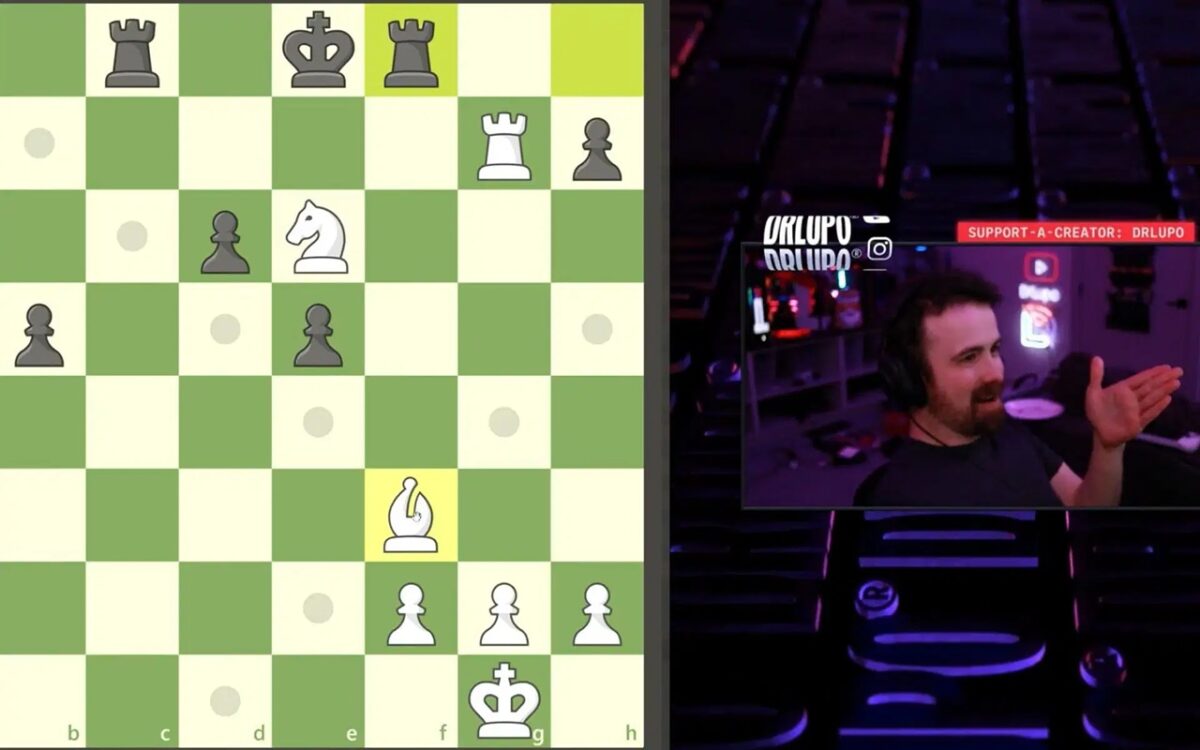
Those times when Kasparov faced off against a computer or when Bobby Fischer became an internationally prestigious figure are long gone. Chess is not experiencing its best moment, having to compete with modern board games and thousands of leisure alternatives, but it still attracts both enthusiasts and newcomers. Recently, however, the sport (intellectual, but a sport nonetheless) has been tarnished with ridiculous situations involving anal plugs and poisonings. But nothing compares to this week’s events. A good Jean Tonic I present to you Magnus Carlsen, […]

Gone are the days when Kasparov faced off against a computer or when Bobby Fischer became an internationally prestigious figure. Chess is not going through its best moment, having to compete with modern board games and thousands of leisure alternatives, but it still attracts both enthusiasts and outsiders who, in recent times, have tarnished the sport (intellectual, but a sport nonetheless) with ridiculous situations involving anal plugs and poisonings. But nothing like what happened this week.

Chess DOWNLOAD

A Good Jean Tonic

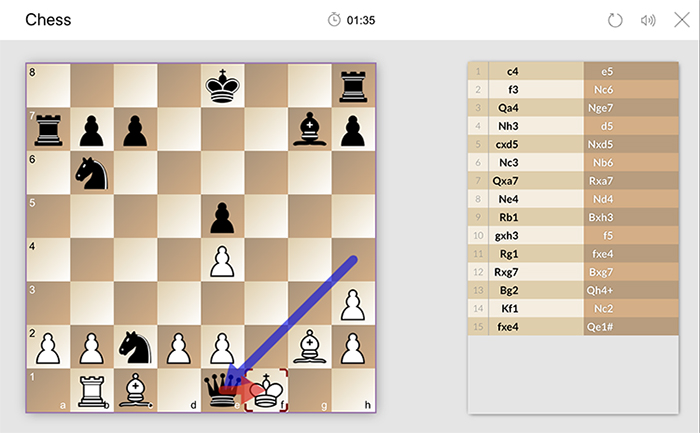
Let me introduce you to Magnus Carlsen, the great world chess champion, who has been at the center of an unprecedented controversy: he attended a New York tournament in jeans because he was coming from a meeting and didn’t have time to change. When asked to leave, buy other pants, and change, he refused to do so, was fined 200 dollars, and was later threatened with being kicked out of the competition. The world champion. Over a pair of jeans.

According to the federation, he was breaking the dress code, and it was something unbreakable and indisputable… until Carlsen threatened to withdraw from the annual tournament where he was supposed to defend his title. It was then that the federation modified the rules: “Following the official dress code is required, but minor and elegant deviations (including appropriate jeans that match the jacket) are allowed. It seems that by threatening and making moves, people understand each other.

Chess DOWNLOAD

The Chinese chess player who lost his title after defecating in a bathtub

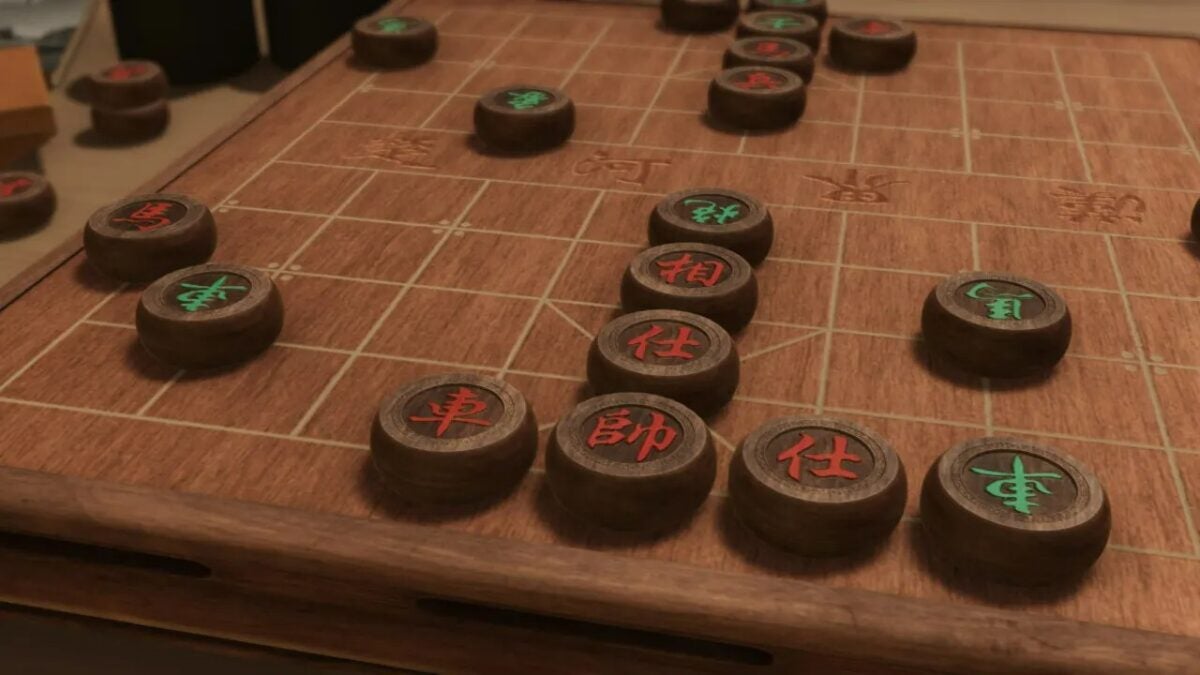
On December 17th, an incredible Xiangqi competition, a kind of Chinese chess, took place where the winner pocketed 12,757 euros (100,000 yuan). So far, everything seems normal. But believe me, you won’t expect the rest.

Are you ready to hear some weird news? But really weird, those that you can’t believe and yet have no other option but to be overwhelmingly real. Let’s go to China, more specifically to the province of Haiqan, where an incredible Xiangqi competition took place on December 17th, a kind of Chinese chess in which the winner pocketed 12,757 euros (100,000 yuan). So far, everything is normal. But trust me: you won’t expect the rest.

Chinese Chess Party DOWNLOAD

Wow, that’s terrible

Xianqi is 2500 years old and its rules are clearly inspired by chess, although they have a different complexity. Certainly, it didn’t deserve a winner like Yan Chenglong, 48 years old, who defeated his rivals, pocketed the money, went out to drink and celebrate… And, upon returning to the hotel, he decided to defecate in the bathtub.

The hotel managers saw it and alerted the authorities, although in itself it was not something that could disqualify a player. Disgusting? Yes. Illegal? Not so much. But things get complicated because inside their, ahem, “gift”, the hotel says they found a remote-controlled anal massage device. And if you follow chess news, this is not news to you.

According to several people who watched the championship, Chenglong twisted rhythmically while playing the game. Why? Apparently, to send data about the game to a computer that returned the solutions in the form of anal vibrations. Of course, for many reasons, he has denied the accusations, giving a weighty reason to relieve himself in the bathtub instead of the toilet, like everyone else: he didn’t make it on time. Euh.

The Chinese Xianqi Association has stated that there is no way to know for sure if he used anal massagers to cheat, but his actions “damaged the hotel property, violated public order and good morals, had a negative impact on the competition and the Xiangqi event, and was characteristic of a bad person.” He had to return the champion belt, part of his winnings, and accept being disqualified from any championship for the next year. Next time he will think twice before moving that particular piece.

Chinese Chess Party DOWNLOAD