¿Cuántos juegos tienes pendientes en Steam? ¿Cómo está la lista que comenzaste hace diez años con todo para probar “cuando tengas un poco de tiempo”? ¿También sientes ese peso sobre tus hombros cuando alguien te dice que un título dura más de cien horas? Felicidades: has envejecido… Y la industria de los videojuegos no ha dejado de girar la rueda. Uno tras otro tras otro tras otro. Franquicias, indies, retro, no importa. Algo tiene que ceder. ¿Podemos tomarnos un descanso de cinco años, por favor? No lo digo solo yo, ojo: incluso el propio Toshihiro Nagoshi, creador […]
How many games do you have pending on Steam? How is the list you started ten years ago with everything to try “when you have a little time”? Do you also feel that heaviness on your shoulders when someone tells you a title lasts more than a hundred hours? Congratulations: you’ve grown older… And the video game industry hasn’t stopped spinning the wheel. One after another after another after another. Franchises, indies, retro, it doesn’t matter. It has to burst somewhere.
Subscribe to the Softonic Newsletter and receive the latest news in tech, games, entertainment in your inbox
It’s not just me saying it, mind you: even Toshihiro Nagoshi himself, creator of the Yakuza saga (now Like A Dragon), believes there are too many games and no need to make them so big or so long. “Although there aren’t as many completely original games now, if you include those made outside of Japan, there are so many titles that it’s impossible to play them all”. Welcome to my world, Toshihiro.
“I think the number of games can be a bit excessive. I feel that the era of games where their length was the reason you were encouraged to buy them is coming to an end“. Well, it depends. Tell that to Rockstar with GTA 6 or the countless infinite online games that exist. Personally? Indeed, with a game of ten to twelve hours, I’m satisfied. Who needs to play 350 hours to find all the collectibles?
Nagoshi left the Like A Dragon franchise three years ago to start his own studio, and he is currently developing a game for which he still has to decide its scope: “Of course we have a map, but the current version is too large. This time, while studying existing games, we started by making a fairly large map with roads and highways. Now we are gradually reducing it and exploring what is best for it”. After creating Yakuza, frankly, he has carte blanche to do (and say) whatever he wants.
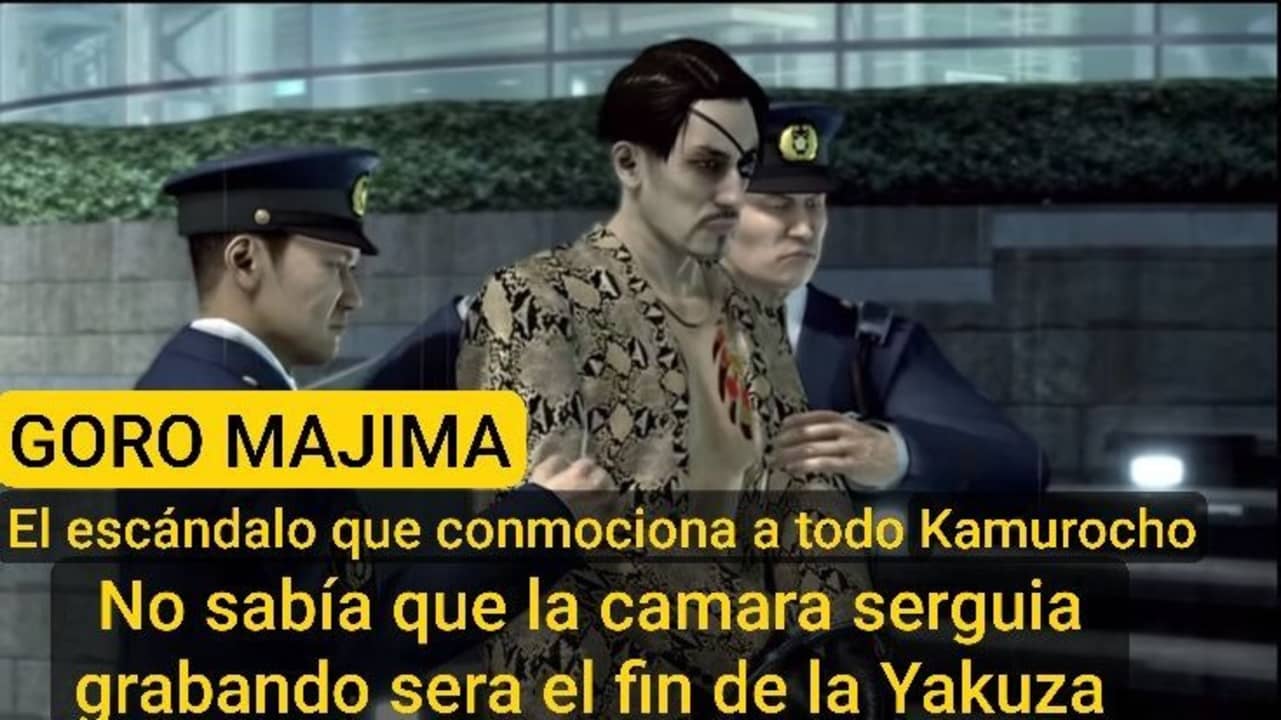
Imagine that you are browsing the Internet and an anonymous user on 4Chan, of all possible websites, says that they already know what the new Like A Dragon will be about, in which the protagonist would be Goro Majima, who has lost his memory and ends up facing pirates, with his yakuza tattoos being the key to remembering. Moreover, the apparent leak reports that Majima will become a pirate captain and will be able to form his own crew. It’s so ridiculous that you wouldn’t pay any attention to it, right? And yet… Like a wave The post on 4Chan was uploaded in […]
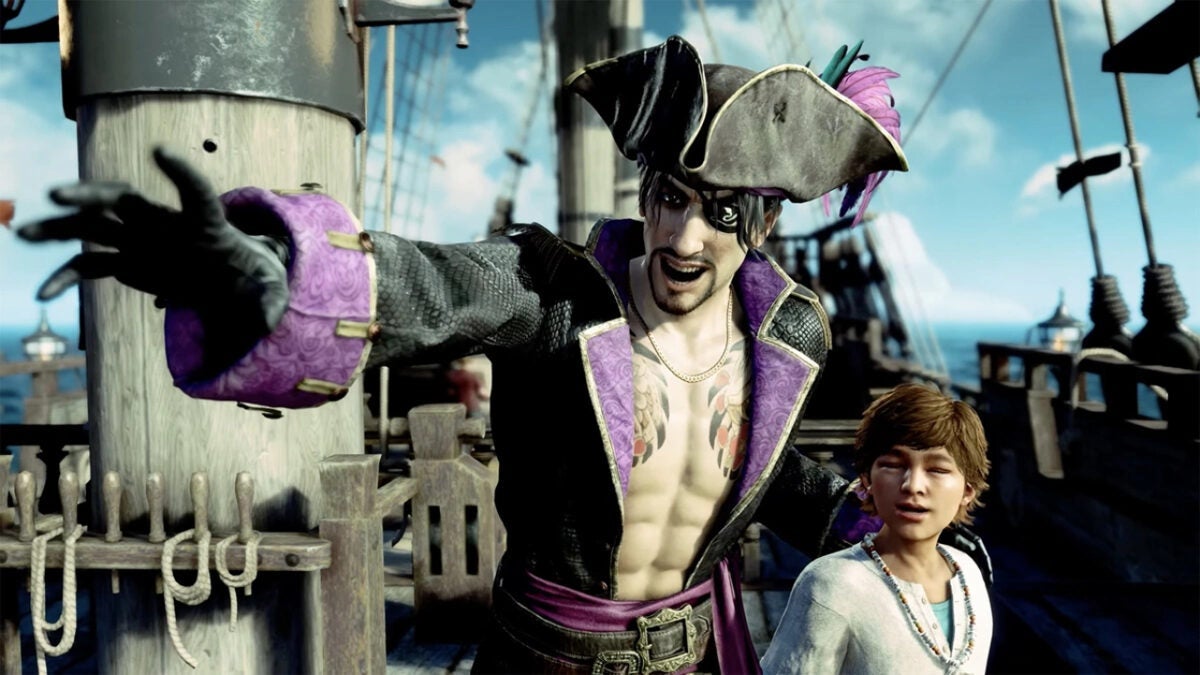
Imagine you are browsing the Internet and an anonymous user on 4Chan, of all possible websites, claims to know what the new Like A Dragon will be about, in which the protagonist would be Goro Majima, who has lost his memory and ends up facing off against pirates, with his yakuza tattoos being the key to remembering. Moreover, the apparent leak informs that Majima will become a pirate captain and will be able to assemble his own crew. It’s so ridiculous that you wouldn’t pay any attention to it, right? And yet…
The post on 4Chan was uploaded in May, and due to the inability to verify the information, it simply kept going down until it became fodder for the eternal void of the Internet. The thing is, everyone suddenly remembered it when Ryu Ga Gotoka Studios announced Like A Dragon: Pirate Yakuza in Hawaii, a title so ridiculous that if we didn’t know it was one hundred percent official, we would also consider it to be false.
There are people who make a living by leaking information on their Patreon, and even they usually get it right less than half the time. How can you believe an anonymous user on 4Chan? Normally, it’s the place where anyone can create their own story or alternative video game, hoping someone will believe it and providing headlines to the most sensationalist and click-hungry press.
The news is not that someone guessed Like A Dragon: Pirate Yakuza in Hawaii: it’s that they did it in the most unexpected place of all. On the other hand, the public’s reaction has been much more enthusiastic than expected, partly because at this point we love that in Like a Dragon they do exactly what they want. Even if it means breaking our expectations into twenty pieces. They have permission.
Like a Dragon is experiencing its golden age. The success of the previously known Yakuza saga shows no signs of stopping, reaching more and more people. What was once a niche franchise with little success in the West had a “second birth” after the release of Judgement, a spin-off of the saga, and with Yakuza: Like a Dragon, which started the “RPG arc” of Yakuza, led by Ichiban Kasuga.
The rest, as they say, is history. Ichiban and his friends made millions of people around the world, including myself, discover the virtues of a saga that perfectly combines drama, action, and absurd humor. Driven by this enormous success, earlier this year we were able to enjoy Like a Dragon: Infinite Wealth, the continuation of Ichiban’s adventures, which once again “swept” in sales and put Yakuza on everyone’s lips.
With a series for Amazon Prime Video about to be released and with more than one game in development, now we just ask ourselves: what will happen to Yakuza beyond Ichiban’s adventures? Although in 2022 we already enjoy the benefits of Like a Dragon: Ishin!, a remake of a title that never reached the West, there are several games from the Ryu Ga Gotoku studio that also need a remake, both because they never left Japan and to be able to enjoy them on the new generation of consoles. Do you want to meet them? Then keep reading.
Kurohyou: Ryu ga Gotoku Shinsho
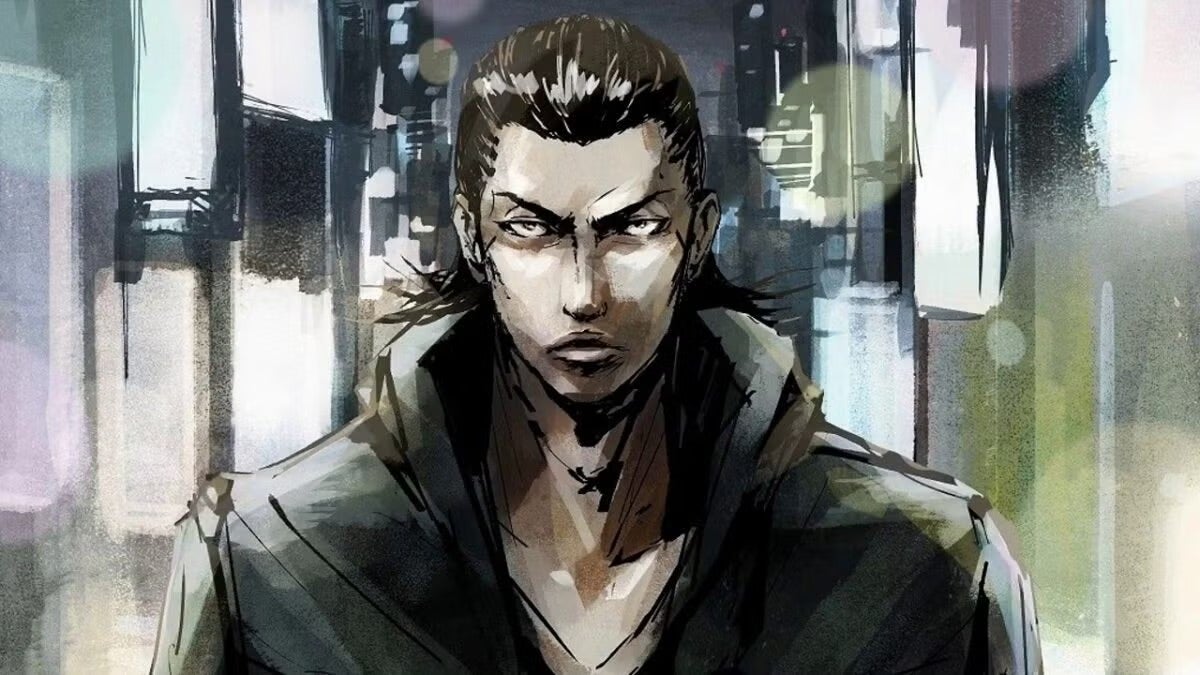
Launched in 2010 for PSP, Kurohyou: Ryu ga Gotoku Shinsho is the first title in the Yakuza series to arrive on a handheld console. This title, which was not released outside of Japan, introduces a new protagonist, Tatsuya Ukyo, a rebellious young man who gets involved in the problems of the Tojo clan, and who must win ten consecutive battles in the Dragon Heat arena, after which he earns the nickname of “The Mad Dragon of Kamurocho”.
Although familiar characters such as the Sai Florist appear, none of the main characters of the original saga participates. The game differs from other Yakuza games with its one-to-one combat and comic-style animated scenes, while maintaining elements of the Yakuza saga such as heat actions and mini-games.
The other samurai game of Like a Dragon. Ryu go Gotoku Kenzan! Is a game released in 2008 for PlayStation 3, which marked several milestones in the Yakuza saga: it was the first spin-off of the series, the first Yakuza game to use facial models based on real actors, and the first to be released on PlayStation 3. In addition, they change the game mechanics, adding several styles of sword combat.
Located in Kyoto during the Edo period of 1605, this unique game from Japan follows Miyamoto Musashi, a historical swordsman with the appearance of Kazuma Kiryu, the protagonist of the Yakuza series. In fact, many other characters from the main series appear in Kenzan (physically speaking), sometimes adopting their names or adding some variation. The game preserves characteristic elements of Yakuza, such as mini-games and secondary stories.
Kurohyou 2: Ryu Ga Gotoku Ashura Chapter
If we have talked about the first installment, we are obliged to talk about its sequel. Kurohyou 2: Ryu ga Gotoku Ashura-hen, the direct continuation of Kurohyou: Ryu ga Gotoku Shinsho, was also released in 2012 for PSP and, just like its first part, it did not reach the West. Kurohyou 2 also had a live action adaptation that aired on Tokyo Broadcasting System from April 5, 2012, to June 21, 2012.
The story of Kurohyou 2: Ryu ga Gotoku Ashura-hen takes place 2 years after the events of Kurohyou: Ryu ga Gotoku Shinsho. Tatsuya Ukyo decides to live his life becoming stronger and stronger. However, Dragon Heat, the place where he fought his famous 10 battles, is being challenged by another clandestine fighting group called Asura. After this, Tatsuya must ally with other young fighters to save Dragon Heat.
Nineteen years have passed, with 9 main games and a good handful of spinoffs and variants. Together, they have sold over 21 million units. However, as we have now learned, initially they were on the verge of canceling it before it even had a chance.
On December 8, 2005, a game by Sega was released in Japan, destined for greatness. However, at that time, they had no idea of what was about to be unleashed: 19 years have passed, 9 main games, and a good number of spinoffs and variations. And among all of them, they have sold over 21 million units. However, as we now know, initially, they were on the verge of canceling it before even having a chance.
Apparently, Sega didn’t have confidence in ‘Yakuza’ (or, as it’s called now, ‘Like a dragon’). The problem? Of course, the adult theme, which prevented children from playing it and therefore was immediately rejected. It’s important to note that at that time Japanese games had stopped dominating the world and the studio wanted titles that would appeal to the widest possible audience, that could be sold at any time and to anyone.
And that wasn’t ‘Yakuza‘. Think about it for a moment: it is a game that is inherently Japanese and not intended at all for audiences from other countries, it was not intended for women or children, and it certainly didn’t come cheap: approving it was commercial suicide. In the end, it was a relative hit in Japan and sold over a million copies on PS2. Now it’s its own empire.
However, Toshihiro Nagoshi needed to present the game three times to Sega to obtain their approval, and he was forced to emphasize that this is not a story of violence between yakuza, but rather that of a poor man trying to live day by day. A piece of advice: if you ever go to Dotonbori, try at least not to hit anyone. It’s not as easy as you think after a few hours of playing.
Yakuza, the video game series currently known as Like a Dragon, is going through its best moment. In recent years, Yakuza went from being a niche series that very few people outside of Japan played (the main reason why most of the installments are only translated into English) to being a sales success, boosted by the success of Yakuza: Like a Dragon and the great change in gameplay mechanics (becoming a JRPG).
Now, more than two months after the release of Like a Dragon: Infinite Wealth, many players are jumping into the saga to discover its virtues and take on the roles of Kazuma Kiryu and Ichiban Kasuga. Are you one of them? Well, here are 4 good tips to start playing the Yakuza saga. Trust me, they will come in handy.
In the Like a Dragon saga, a punch is worth more than a thousand words. From minute one of the first Yakuza, you will have to face yakuza, thugs, and perverts (yes, you read that right), using weapons, objects from the environment, and, of course, your own fists. While in Yakuza games violence is always the answer (and sometimes the question), you won’t always have to hit everyone you see.
While walking through the fictional streets of Kamurocho, Sotenbori, and other Japanese locations, you will come across people who will come looking for trouble as soon as they see you and with whom you will have to fight most of the time. But if you have other things to do and don’t have time to throw punches, try walking instead of running. This way, enemies will have a harder time being aware of your presence and you can slip away. But remember not to do it all the time, otherwise you will have a hard time against the bosses later.
Secondary schools are (very) useful
If you are going to play the Yakuza saga, you may have heard something about its side missions. The “substories” of the Like a Dragon saga, including its spin-offs (Ishin, Judgement, etc.), are one of the main reasons to play it. While the important thing about these side missions is simply to experience and enjoy them, finishing them should also be a priority for you.
And completing side missions will earn you experience, money, and even a wide variety of items that can be of great help in your adventure. In addition, the Yakuza series hides a recurring and very special secret mission that you won’t want to miss if you complete all the side missions in each game. So, whenever you have a chance, take the opportunity to do a few.
Generally, the Yakuza saga is not very complicated for the average player. Normal difficulty is quite manageable, and even the highest difficulty levels are not that bad if you have some experience in games. However, you will have to fight on many occasions, and some enemies (especially bosses) can become quite a challenge.
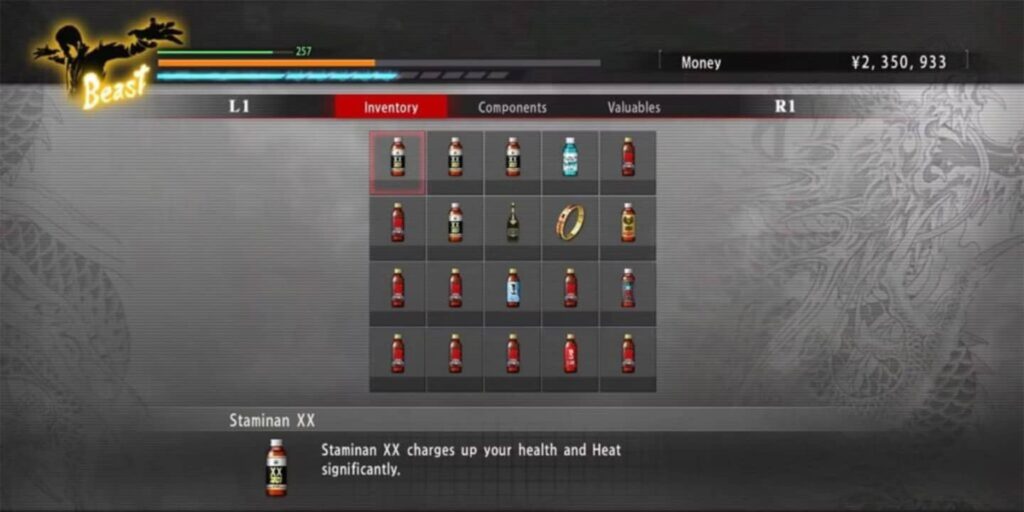
For that, don’t hesitate to resort to the “old reliable” of RPG games: having your inventory full of recovery items. Depending on the Yakuza game you’re playing, you’ll have a limited inventory or one where you can carry practically everything you find. Either way, carry as many recovery items as you can, you never know when you might need them.
Dodge and make combos
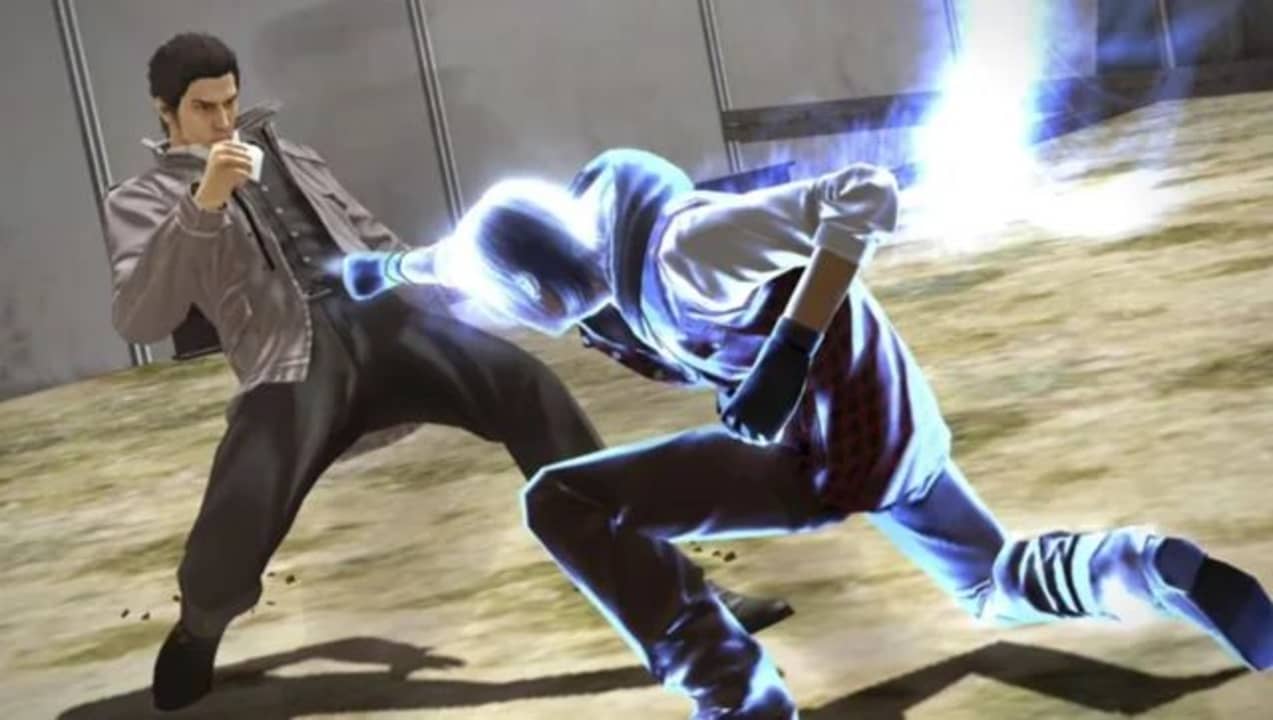
The combat in the Yakuza saga is possibly one of the most “controversial” points among fans. This not only will change as you progress (and will even be a different system once you reach the “Ichiban” saga), but it will have many “peculiarities” that you will have to face, such as the enemies in Yakuza 3’s eagerness to block 99% of your attacks.
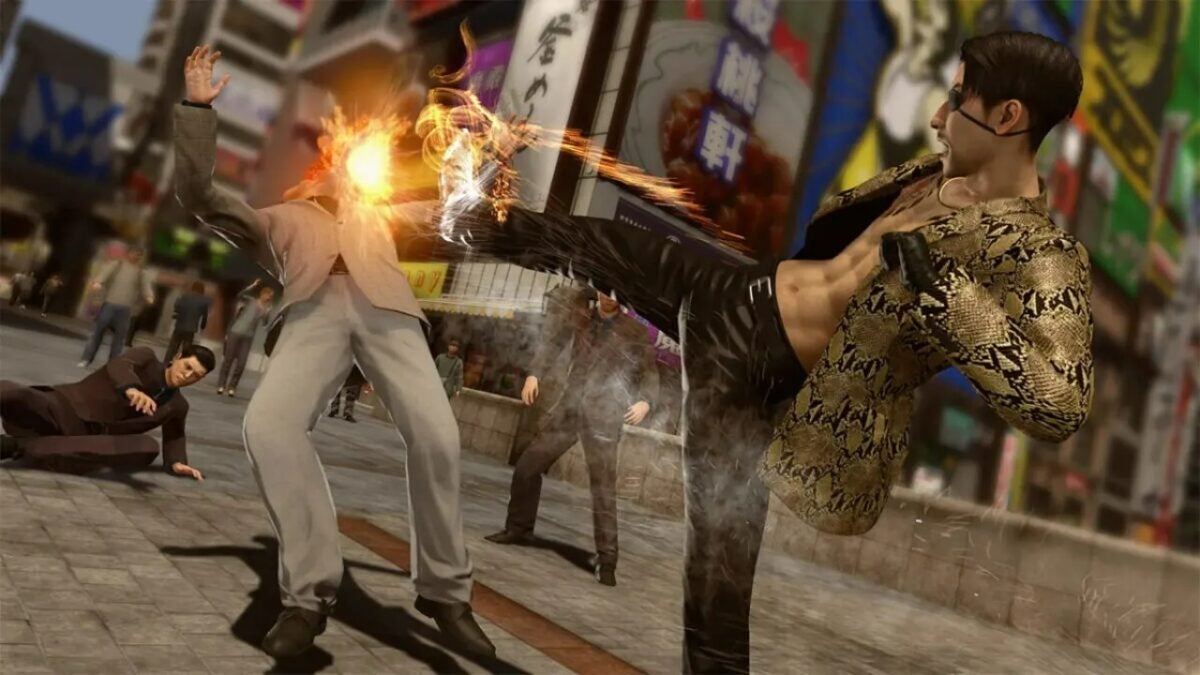
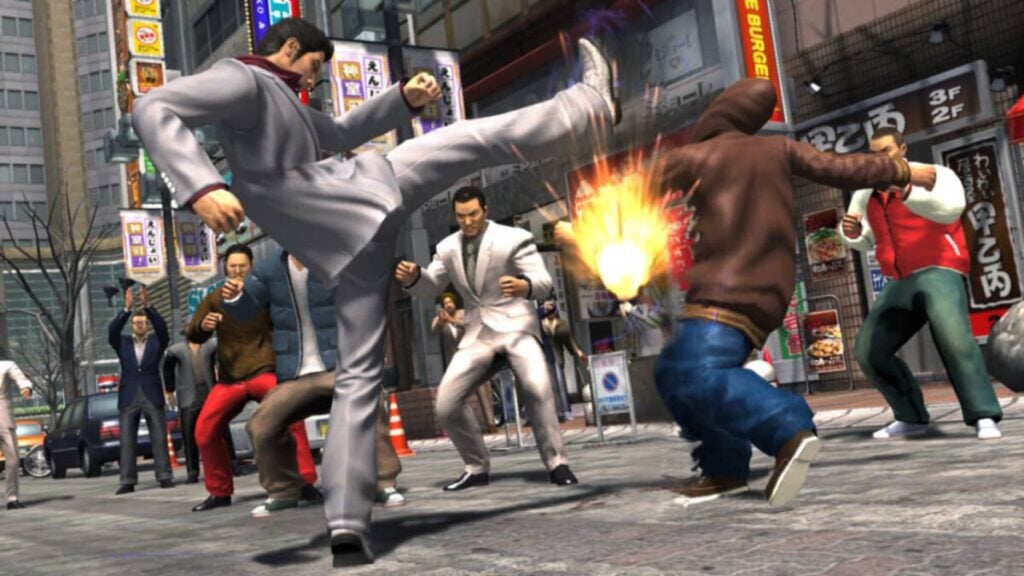
Whether it’s to deal with these types of contingencies or simply to enjoy combat more, remember to do these two things whenever you can: dodge and combo. Anticipate enemy attacks, dodge them in time (get behind them if you have the chance), and hit them with the most damaging combo you have. It will be very useful from the first Yakuza to the 6th, and even in the most recent Like a Dragon Gaiden. But remember, although the concept is simple, mastering it can take you some time, so practice over and over again.
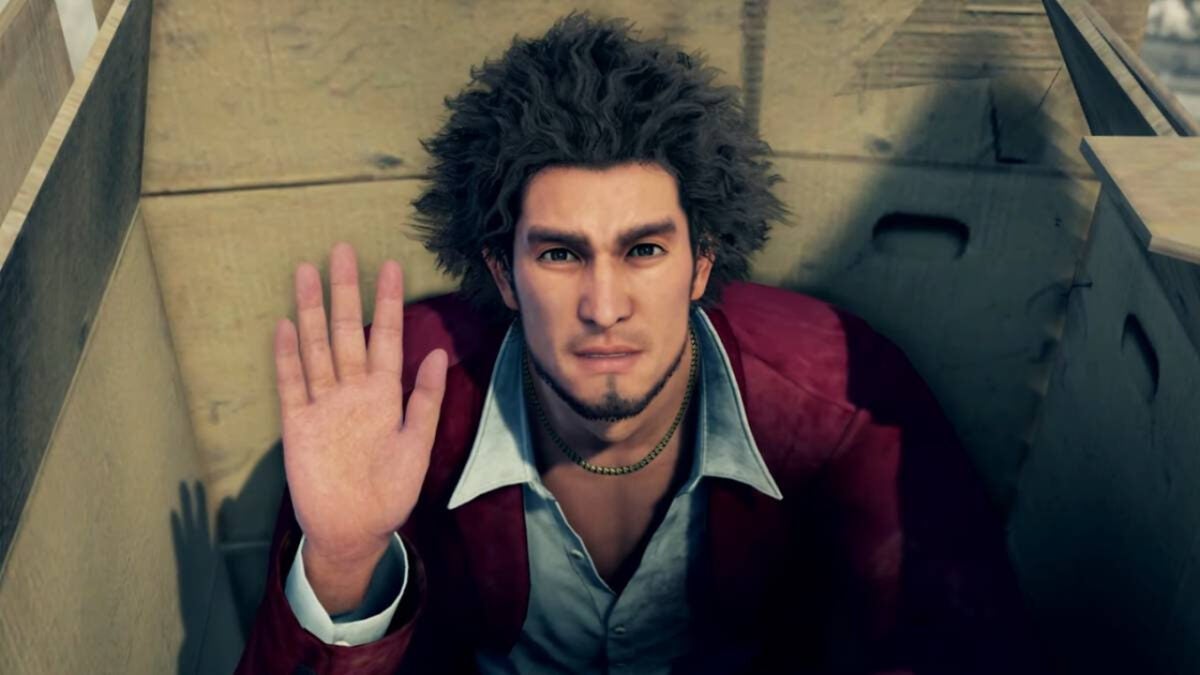
In 2022, a video game came into my hands that would completely change me. With a protagonist with an impressive afro hair that caught my attention from the first moment I saw it, Yakuza: Like a Dragon went from being simply a very fun video game to becoming a fundamental part of my life.
And that was the first one. With the desire to catch up with the events of the saga and to play the recently released Like a Dragon: Infinite Wealth, I set out to play all the Yakuza games and complete them 100%. Now, two years later, and with hundreds and hundreds of hours behind me in a saga that was worth every penny invested, it is my moral duty to recommend to everyone why Yakuza/Like a Dragon, created by Ryū ga Gotoku Studio, is not just another video game saga. Well, I give you reasons to buy it (you can thank me later).
Two styles of play, two protagonists
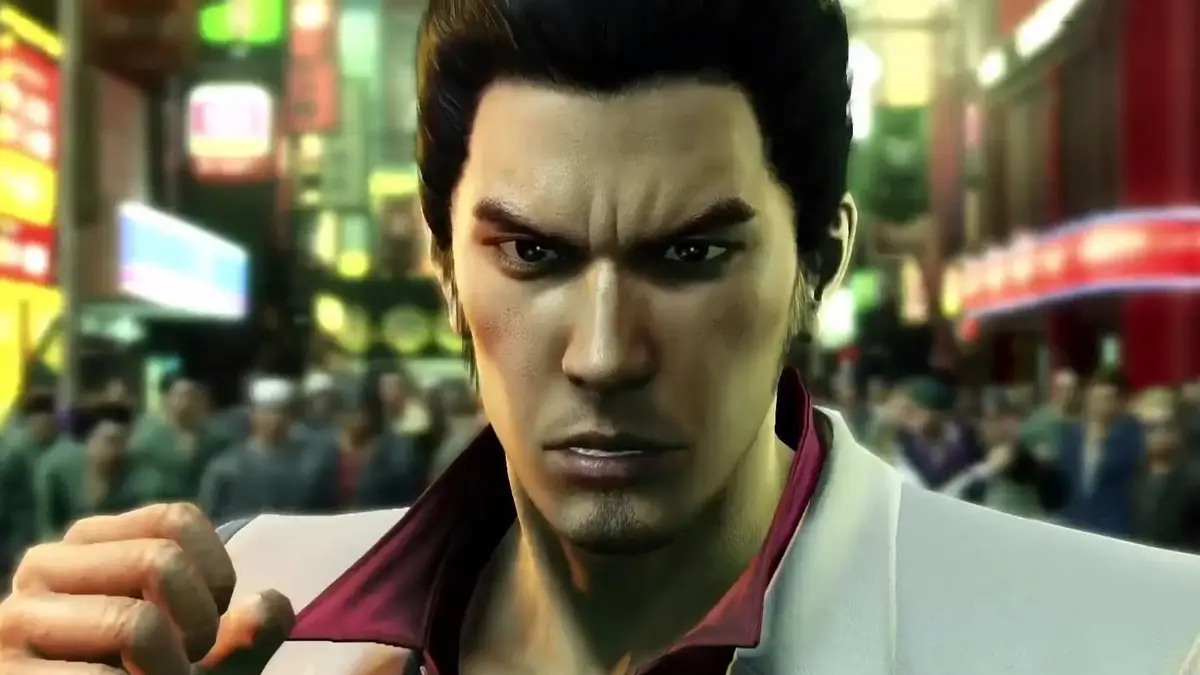
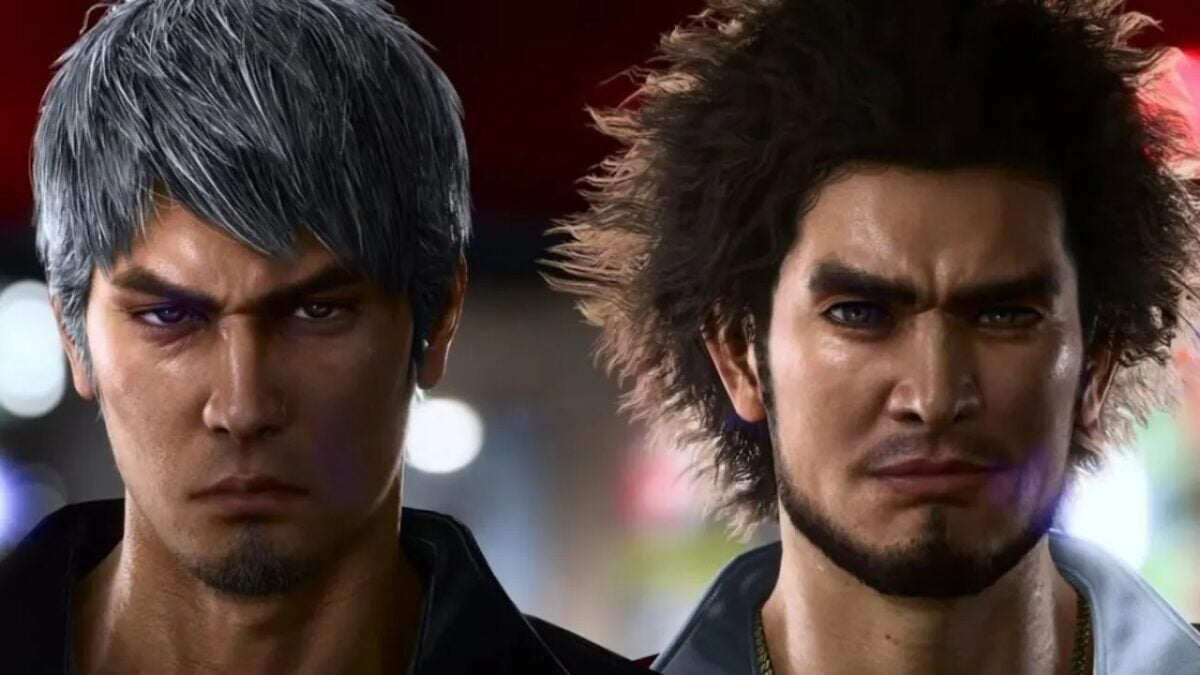
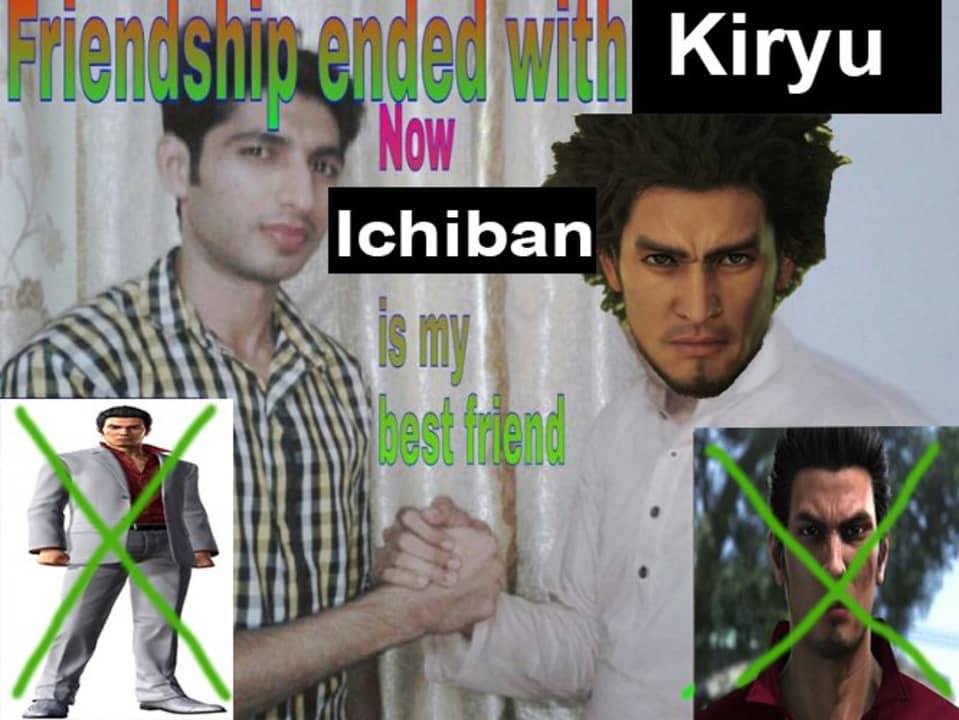
One of the strong points of the Yakuza saga today is that, depending on the title you play, it will belong to one genre or another. On one hand, the “classic saga” starring Kazuma Kiryu is a beat’em up type, where you face groups of enemies with bare fists. On the other hand, the “new saga” starring Ichiban Kasuga belongs to the JRPG genre, or Japanese role-playing game, where characters fight in turns in the purest Dragon Quest style.
Each style of play has its own peculiarities, so if you don’t fully enjoy one of them, you will always have the other. Yes, it’s all part of a continuous story and you would really miss out on part of the overall plot of the saga if you decide to skip games of one genre… But, between you and me: it’s not that big of a deal and you will still have a good time. Play whatever you want without fear.
You will love their characters madly (or you will hate them deeply)
Like a Dragon is a saga full of plots and a wide variety of characters. From ruthless yakuza leaders to assassins from a secret clan, in your adventures in the saga you will encounter characters overflowing with charisma and portrayed by wonderful actors (including actors who already had experience playing yakuza in Japanese series and movies).
With plots that absorb you and characters who give it their all, you will end up fully immersing yourself in the events you will experience with Kiryu and Ichiban, coming to madly love many of their characters (stay until the end of the article, trust me) and deeply hate many others (and sometimes surprisingly, after an unexpected plot twist). Either way, I regret to inform you that many of the supporting characters only appear in a single installment, so don’t get too attached to them. Or do.
Kidnappings, beatings, murders, corruption plots… Yakuza is a saga about the yakuza, and that is evident from the very beginning. The different plots of this saga will put you in very intense and emotional situations, full of betrayals and very tough moments. But that doesn’t mean that, in between, we can’t laugh.
Perhaps one of the most well-known peculiarities of the Yakuza saga is how surprisingly well it combines its more serious side with all kinds of “ridiculous” and absurdly humorous moments. This humor will be the main distinctive feature of the games’ side missions, so if you want to relieve tension and take a break from all the drama, take on that mission where you face a chimpanzee controlling a demolition crane. I swear I didn’t just make that up (and it’s not even the most absurd thing).
A soundtrack that brings video games as a gift
Like any good video game saga, the soundtrack is one of the fundamental parts of Yakuza. Already in the main menu of the first game, you hear for the first time Kiryu’s leitmotif: Receive You/Rolling Eyes Fall, a theme that would end up being versioned in multiple occasions throughout the saga. To this, wonderful themes such as For Faith, Reign, Destiny, or Update With Gunfire would be added, almost always reserved for the most challenging bosses.
But the best part of it all is the great diversity of themes and the contexts in which you hear them. The soundtrack of the Like a Dragon saga manages to combine genres as diverse as house or EDM (especially in the latest installments), which will make you wish the battle lasted a little longer just to keep listening to them. Oh, and if that wasn’t enough, the songs you can sing in mini-games like the disco (Yakuza 0) or the karaoke, present throughout the saga, are also pure magic.
Kiryu-chaaaaaaannnnnnn!!!!!!!
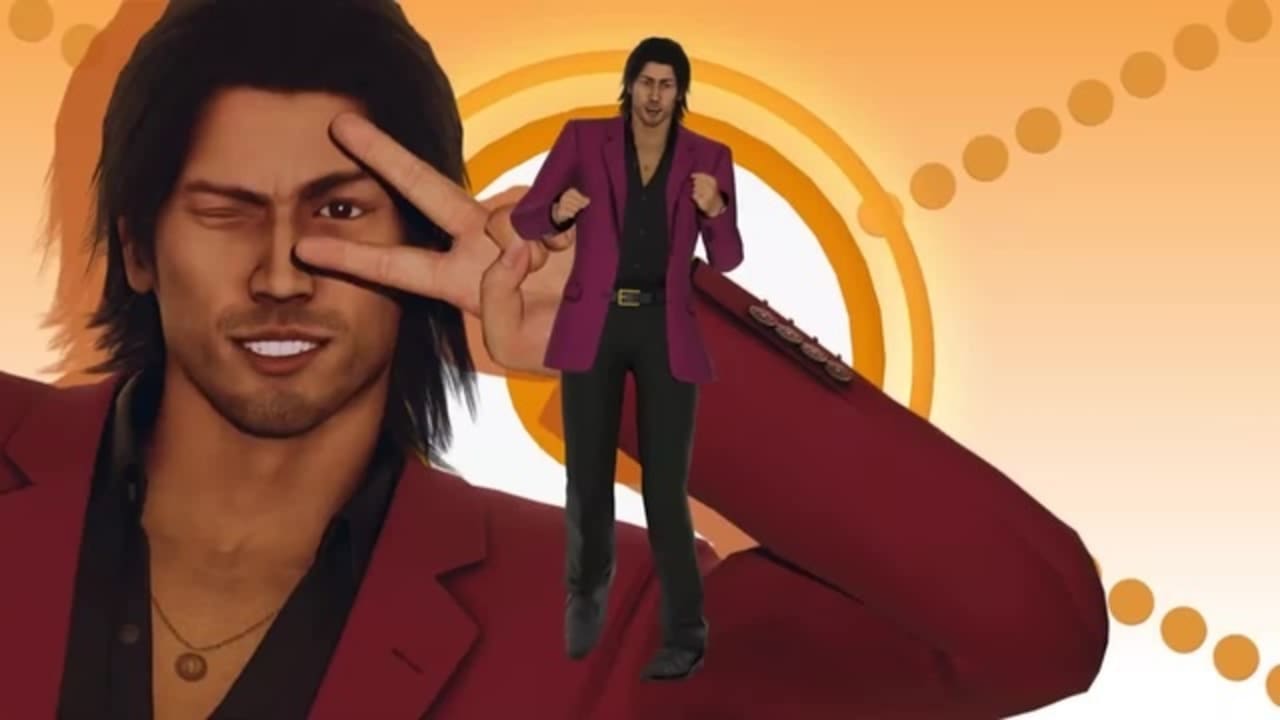
I had to do it. I had no other choice. While I have already talked about the charisma of the characters in the Yakuza saga, the case of my dear Goro Majima, the “Mad Dog of Shimano”, is special. Majima started out as a villain with a certain “aroma” of Batman’s Joker (in fact, he was voiced by Mark Hamill himself in the original Yakuza game for PlayStation 2, although the actor himself doesn’t remember it), who gradually became a recurring supporting character and one of Kiryu’s best comrades.
Majima’s behavior is not random. While at first he may seem like a crazy person, little by little you will see that his personality has a reason and that the “mad dog” hides more than meets the eye. Every time he appears, you will smile like a teenager seeing their “crush” or your face will turn pale with pure terror. There is no middle ground. Majima my beloved ❤️.