The Sinnoh region is considered one of the most beloved in the history of Pokémon, being an integral part of the fourth generation of this cultural phenomenon. Recently, fans have begun to rediscover hidden details in the Pokémon trading card game (TCG) cards, which has further united the fan community. This renewed interest was sparked by a social media user, @TAHK0, who shared an image of the Spiritomb card, highlighting three environmental elements found in the original game. If Sinnoh is so much For observing the card […]
The Sinnoh region is considered one of the most beloved in the history of Pokémon, being an integral part of the fourth generation of this cultural phenomenon. Recently, fans have begun to rediscover hidden details in the Pokémon trading card game (TCG) cards, which has further united the fan community. This renewed interest was sparked by a social media user, @TAHK0, who shared an image of the Spiritomb card, highlighting three environmental elements found in the original game.
Upon observing the Spiritomb card, many fans were surprised to realize that it was not only a representation of Pokémon but also a nod to its surroundings in the Sinnoh region. Alongside it, @TAHK0 shared an image of the location where Spiritomb can be found in the games, prompting several to reflect on the attention to detail present in TCG cards. This discovery has opened a dialogue about other similar elements, such as the Drifloon card, which shows a calendar with Drifloon stamps every Friday, highlighting its appearance in the Windworks Valley only on that day.
Social media interactions have allowed fans to share their own experiences and discoveries related to the cards, creating an atmosphere of community and rediscovery of Pokémon lore. Many express their desire to see more cards that reference the visual details of the games, such as Lucas’s style in the game Brilliant Diamond and Shining Pearl, which also appears in some cards. This surge in interest in TCG cards shows that fans are not only looking to collect them but also to appreciate their connections to the Pokémon universe.
With all this, fans are hoping for more surprises and hidden details in future cards, as this attention to design could take the TCG experience to a new level. A few rumors suggest that Nintendo and The Pokémon Company may consider these community demands for future collections.
As soon as you take a stroll through TikTok, you’ll find a group of people opening expensive card packs, hoping to find creatures they can resell for a fortune. It sounds like a pyramid scheme, and in part it is, but the Pokémon card game is much more: although it originally started as entertainment for children, over time it has become an investment filled with unique cards, colors, tournaments, and absolutely inscrutable attacks. Let’s take a look at its history! Gotta catch ’em all. Spoiler: you can’t Although no one knew […]
If you take a stroll through TikTok, you will find a group of people opening expensive card packs hoping to, with luck, find creatures they can resell for a fortune. It sounds like a pyramid scheme, and in part it is, but the Pokémon card game is much more: although it originally started as entertainment for children, over time it has become an investment filled with unique cards, colors, tournaments, and absolutely inscrutable attacks. Let’s take a look at its history!
Although no one knew Pokémon outside of Japan until 1998, when Pokémon Red/Blue made the leap to the United States (it wouldn’t reach Europe until the following year), in the Japanese country it was born directly as a franchise, with its Red and Green versions, which were later modified to reach abroad. Just half a year after these first two versions were released on Game Boy, and coinciding with the sale of its improved version, Pokémon Blue, the first collectible cards appeared.
At the beginning, on October 20, 1996, you could only play with 102 cards, with drawings by Ken Sugimori, Mitsuhiro Arita, and Keiji Kinebuchi, which took two years to leave the country and cross the ocean. It was during this time, as the game added more cards and became known among fans, when the card that is considered the most valuable in history appeared (even though some fans believe it’s simply an attempt to inflate the price for speculation).
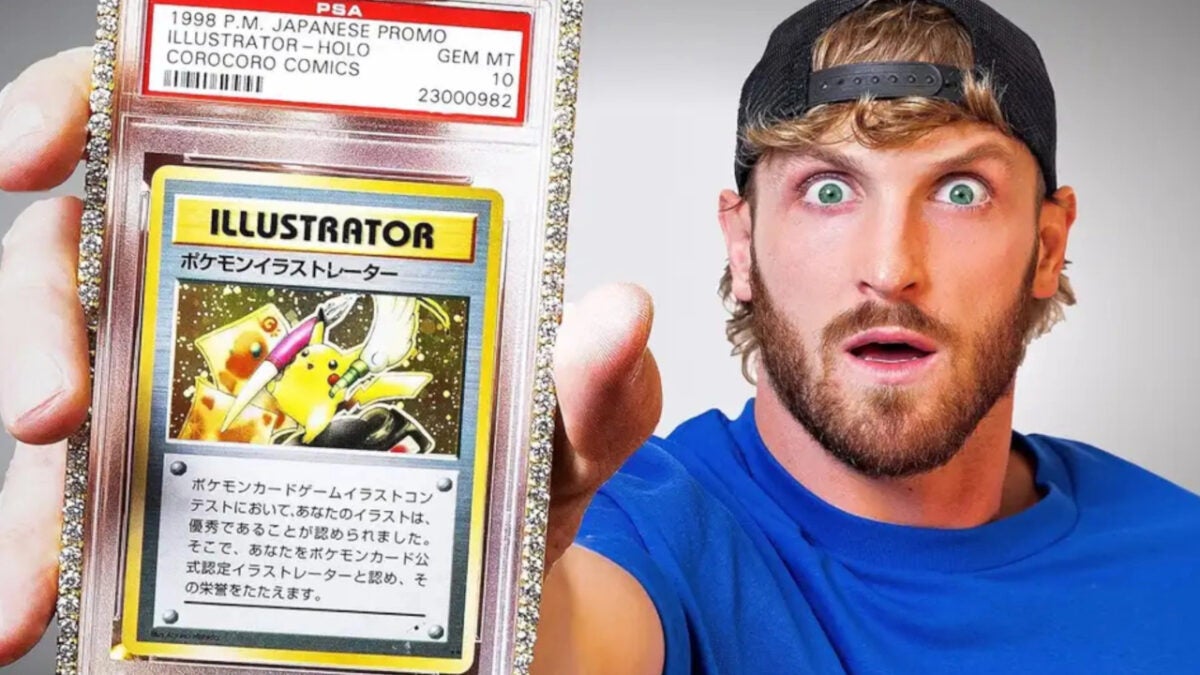
It is the Pikachu Illustrator, an exclusive card that the CoroCoro magazine gave to the winners of an art contest and that, at the time, was a mere curiosity (in fact, it has no abilities in the actual game). It is believed that only 41 cards remain, in various conditions. The one in the best condition (a 10) was purchased by the YouTuber, influencer, and, in general, millionaire, Logan Paul. The price? Nothing, he had to dig a little into his wallet to pull out 5,275,000 dollars. For that price, you surely think it should include a Pokéball with a real Pikachu inside, but the truth is that it’s an investment: when Paul resells it, he might make one or two million more, and the wheel of aggressive capitalism will spin again.
I choose you!
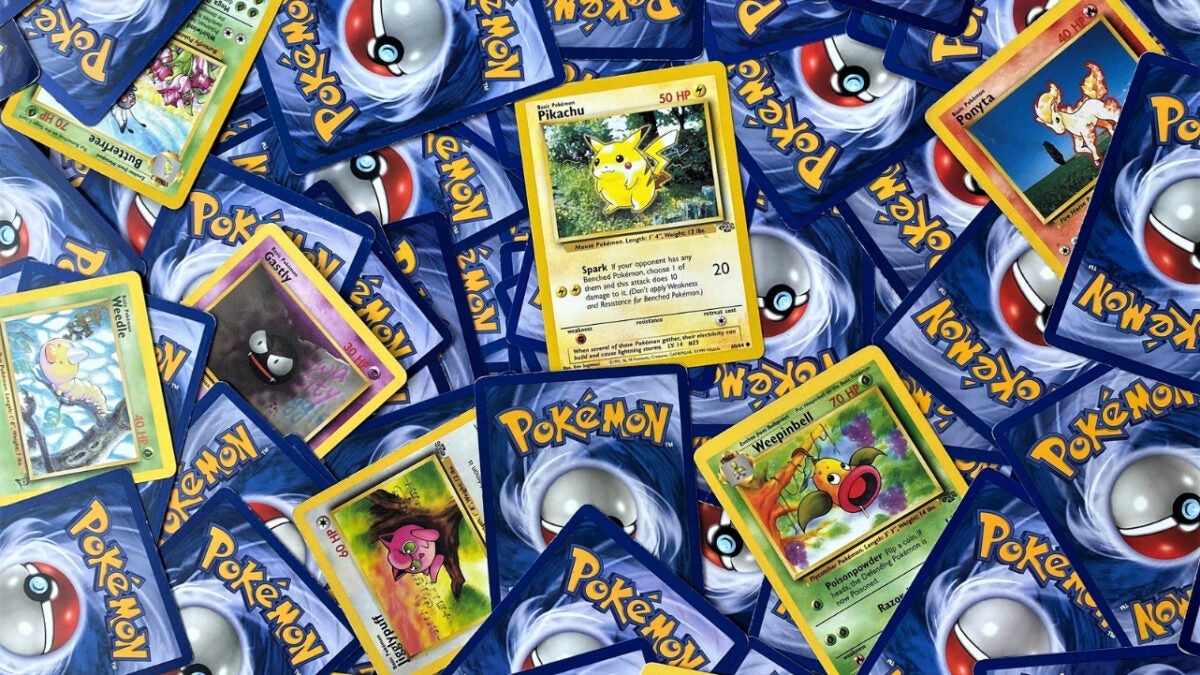
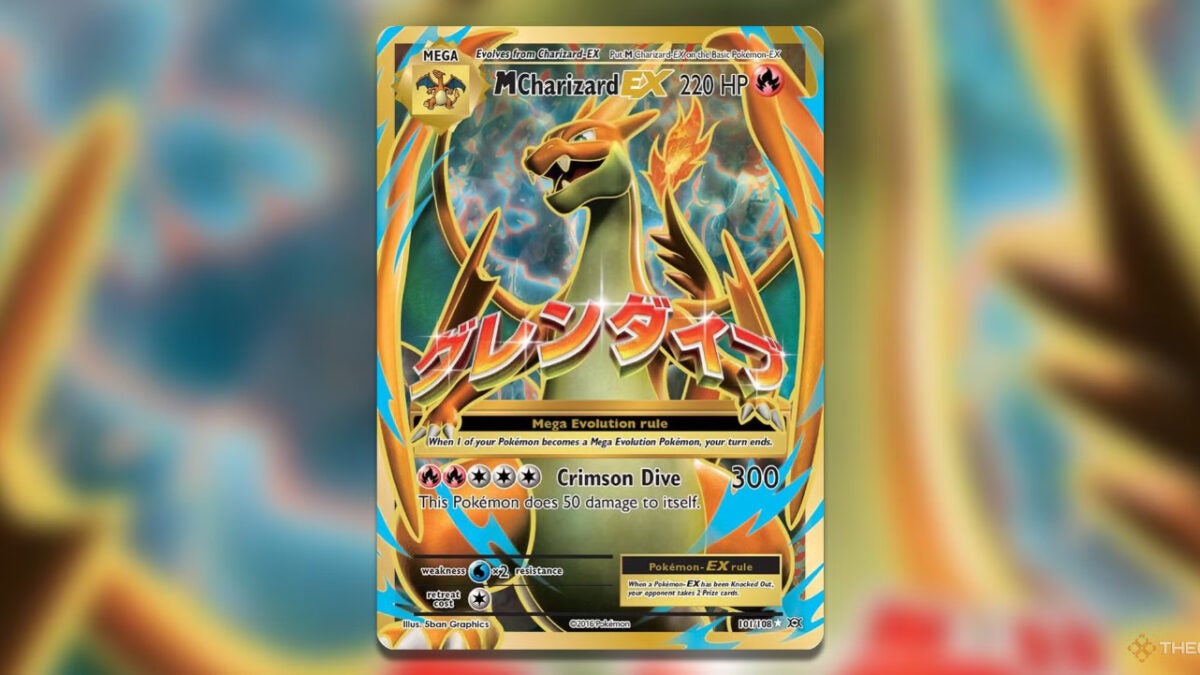
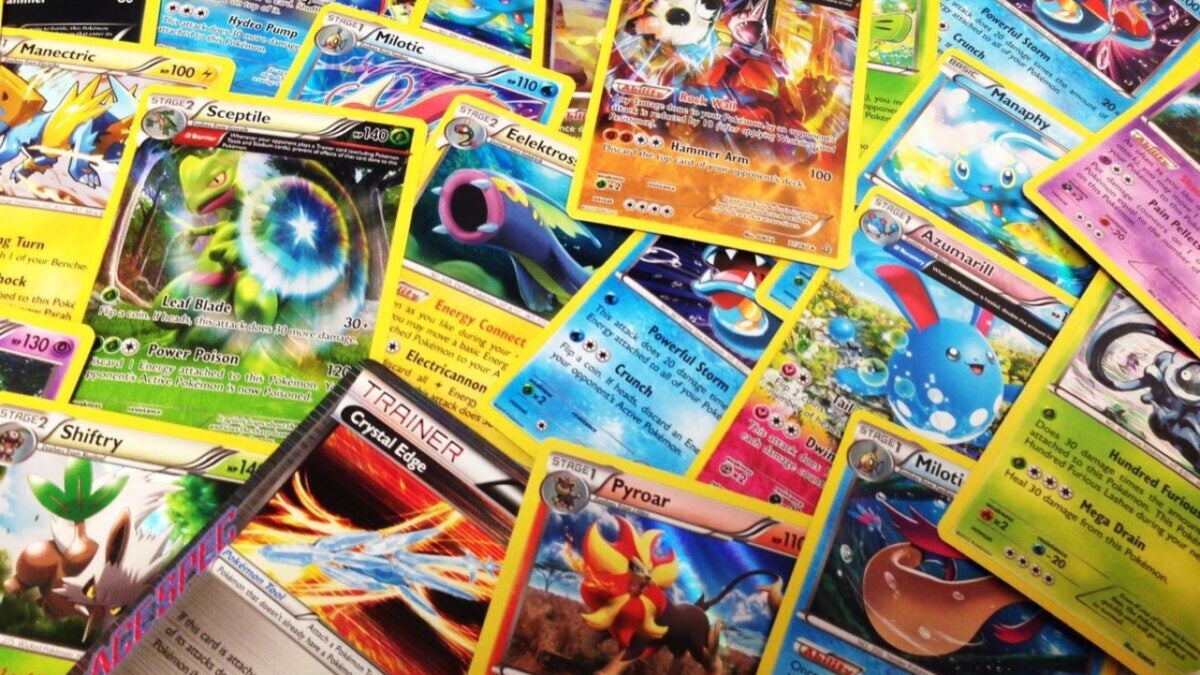
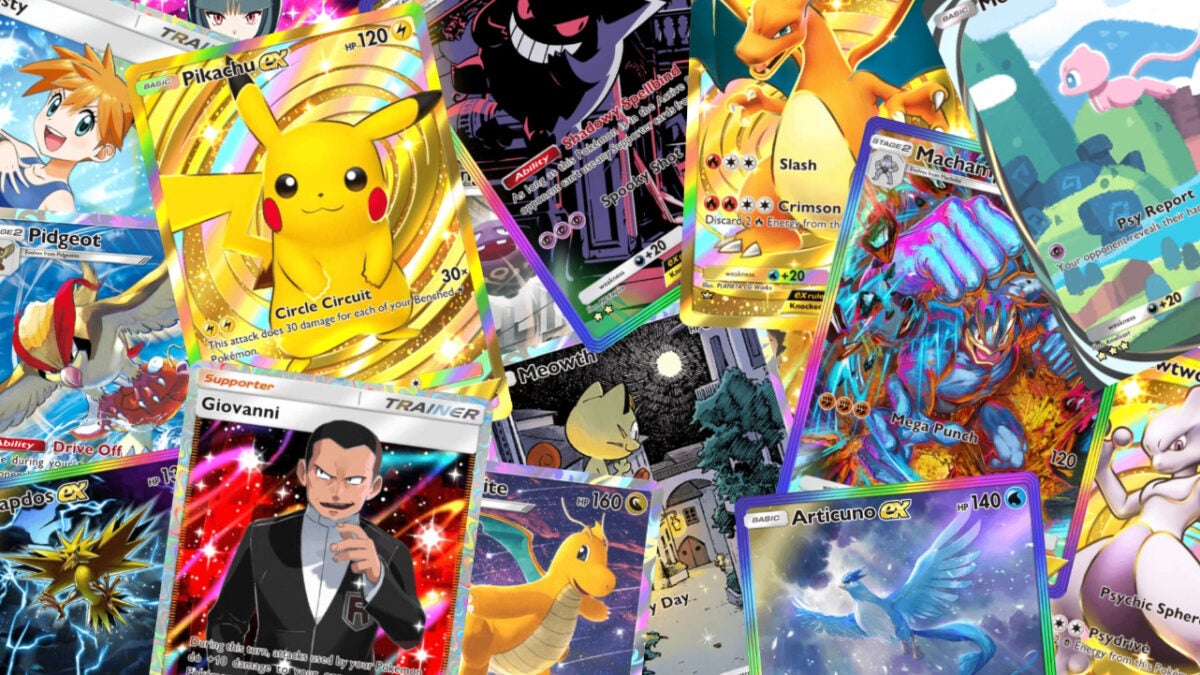
The functioning of Pokémon TCG is similar to Magic: there are decks you can buy, where everyone will have the same base cards, and then many -many- expansions in packs, where literally anything can come -after all, there are more than 200,000 different models-, from regular and ordinary cards (a Rattata, for example) to others with shine, special, unique, like a Charizard EX flying through the art. And then you have two options: either put them in an album so their quality remains pristine over time, or commit the sacrilege of playing the game.
The Pokémon TCG, beyond its theme, is not so different from others, although each has its differences in gameplay. However, between the theme, the variety, the money that can be earned, and the gambling addiction generated by the adrenaline of opening packs (and the serotonin you release when you find that card you wanted so much), it’s normal for an entire generation to be hooked, even if they no longer play the video games or have the slightest interest in the franchise.
To give you an idea of the success, at the beginning of 1999, before all the social media madness and investment in cards, Wizards of the Coast (whom Nintendo later took the license from) announced that it had sold 400,000 packs of cards in just a month and a half. In 2023, official figures indicated that a total of 52.9 billion cards had been distributed worldwide. Read that number again. It’s as if every person in the world had 6 and a half cards. Every. Person. In. The. World.
You choose your path, trainer
Although The Pokémon Company insists time and again that the game is made exclusively for playing and, indeed, there are regional, state, and world championships every year (the latter every year since 2004), the most you can win is $50,000, a number far removed from what those who engage in buying and selling earn, sending the cards in perfect condition to be valued: the fewer imperfections, the more money they will cost in the market.
And the number of fans is increasing. If in the last century, at the entrance to Pokémon 2 cinemas they gave away a couple of cards, trying to gain more followers for the game, what is happening now is absolute madness. On one hand, we have the level of mere fun, for which initiatives like the mobile version, Pokémon TCG Pocket (where, of course, there is also speculation and you can spend real fortunes), or even card giveaways -none spectacular- in fast food chains are launched. But, on the other hand, social networks have created a kind of NFT, an absurd investment bubble that has not yet burst.
People opening packs non-stop (including some old ones that cost an arm and a leg), finding cards worth thousands of dollars, trading them… It may have started as a children’s game, but it has become yet another symptom of capitalism, a kind of modern stamp collection: invest in Pokémon cards to inflate the price, so a few make a lot of money and the vast majority only have some very nice cards to look at.
There are hundreds of TCGs to choose from, but none have the experience, the name, and above all, the advertising, investment, and fame on social media. The Pokémon card game represents, at the same time, the cutest side of humanity and the most capitalist and perfidious side. And, deep down, is there a more accurate portrayal of the world around us?
If you also spend hours waiting for the time to open a new pack in Pokémon TCG Pocket, this is for you. The game is gearing up for an exciting launch with the Space-Time Smackdown expansion, scheduled for January 29th. This new set, which will emphasize iconic characters like Dialga and Palkia, promises to add new dynamics to the card game. Catch them all Among the highlights is the Pachirisu ex card, which introduces a move called Sparkling Apparatus. This attack offers a bonus of 40 points of […]
If you also spend hours waiting for the time to open a new pack in Pokémon TCG Pocket, this is for you. The game is gearing up for an exciting launch with the Space-Time Smackdown expansion, scheduled for next January 29. This new set, which will emphasize iconic characters like Dialga and Palkia, promises to add new dynamics to the card game.
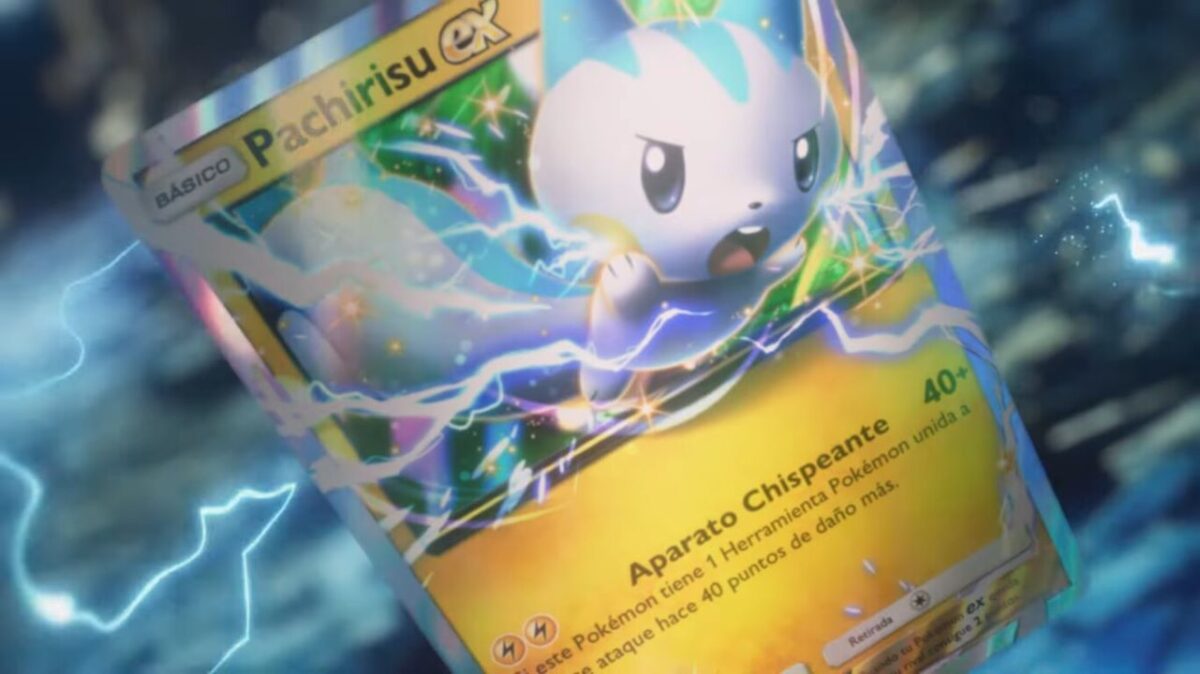
Among the notable new features is the card Pachirisu ex, which introduces a move called Sparkling Device. This attack offers a bonus of 40 additional damage points if the Pokémon has a Pokémon Tool attached. This element is significant, given that tools have been part of the original card game for years, but their arrival in the digital format of Pokémon TCG Pocket marks a first implementation anticipated by the player community.
The tools, a subtype of trainer cards, will allow players to further enhance their strategies by providing additional effects to active or benched Pokémon, creating a new level of tactical complexity. Although specific details about which tools will be available in this new set have not yet been revealed, players anticipate a diversity that could include popular elements from the tabletop game.
In addition to the cards, the long-awaited trading feature will make its debut in this expansion, a feature that many players have been wanting to see since November of the previous year. This mechanic will make the game even more interactive and will allow users to share and acquire cards in a more dynamic way. Come on, it’s time to spend all the bars to get all the cards.
Catching them all is a significant expense, no matter what Ash Ketchum says. Since its release on October 30, 2024, Pokémon TCG Pocket has sparked a global craze thanks to its innovative multiplayer battle format and the ability to collect cards of the most famous creatures on the planet. In just a few days, the game has generated an impressive figure of 120 million dollars, exceeding the expectations of The Pokémon Company, which anticipated a significant impact but not of this magnitude. Catch them all, pay a fortune The microtransaction system has allowed players to acquire […]
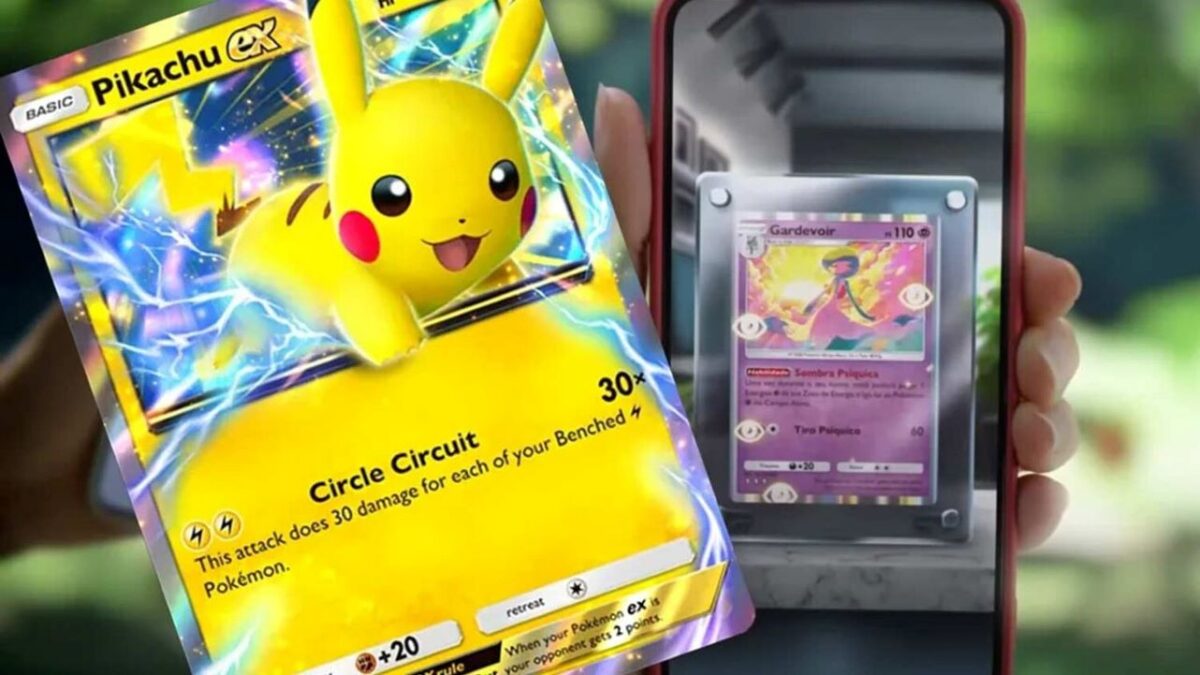
Getting them all is a significant expense, no matter what Ash Ketchum says. Since its release on October 30, 2024, Pokémon TCG Pocket has sparked a worldwide craze thanks to its innovative multiplayer battle format and the ability to collect cards of the most famous creatures on the planet. In just a few days, the game has generated an impressive $120 million, exceeding the expectations of The Pokémon Company, which anticipated a significant impact but not of this magnitude.
The micropayment system has allowed players to acquire cards quickly, and one of the most prominent users, known as hajimesyacho, has revealed that he has invested approximately $8,500 to obtain a monumental deck of 50,000 cards. This player has been using the daily spending limit set by the game, which allows a maximum investment of 720 Pokélingots, the virtual currency needed to open card packs (if you don’t want to wait and go slowly like normal people, that is). This strategy has been key to accumulating such an extensive collection in such a short time.
The lowest cost, not including offers, to reach 50,000 cards is $8,565. However, the total amount may vary depending on purchasing strategies and current promotions. As players seek to optimize their experience and customize their decks, the trend towards microtransactions has become a central aspect of the game.
The combination of a micropayment-based model and constant updates promises that revenue will continue to grow as more players join the Pokémon adventure. With new events and content expected to be released in the coming months, Pokémon TCG Pocket positions itself not only as a current phenomenon but as a lasting contender in the realm of digital card games.
At this point, you might think it’s impossible to complete Pokémon Red/Blue in a way that presents a challenge. After all, the internet has managed to complete it by messing around on Twitch almost randomly, so how can a Game Boy game be made more difficult? Well, maybe you should ask a streamer who, after 3,978 attempts over the course of a year and three months, has managed to finish it in an almost impossible way. Super tough Pokémon These are the rules (which, obviously, are only achievable with PC bots, not on the console […]
At this point, you might think it’s impossible to complete Pokémon Red/Blue in a way that presents a challenge. After all, the Internet has managed to complete it by messing around on Twitch almost randomly, so how can a Game Boy game become complicated? Well, perhaps you should ask a streamer who, after 3,978 attempts, which took him a year and three months, has managed to finish it in an almost impossible way.
These are the rules (which, obviously, are only achievable with PC bots, not on the handheld console): The Pokémon, their moves, and items are completely random; you can only use one creature; the level of enemies increases by 50%; you cannot defeat wild ones (and, therefore, you cannot gain their experience)… The possibility of completing something like this is basically impossible. And yet.
PointCrow, as the player is called, managed to complete the game thanks to a Flareon that, by pure chance, had the correct moves to continue. He is not the only one who has achieved it: last year, SmallAnt did it after only 1786 attempts, thanks to a Skarmory. And then, what’s next? Well, then he set out to complete Pokémon Sun with his own rules, playing it in a language he doesn’t speak (German) and doing ten squats every time a Pokémon fainted. That’s what you call love for the franchise.
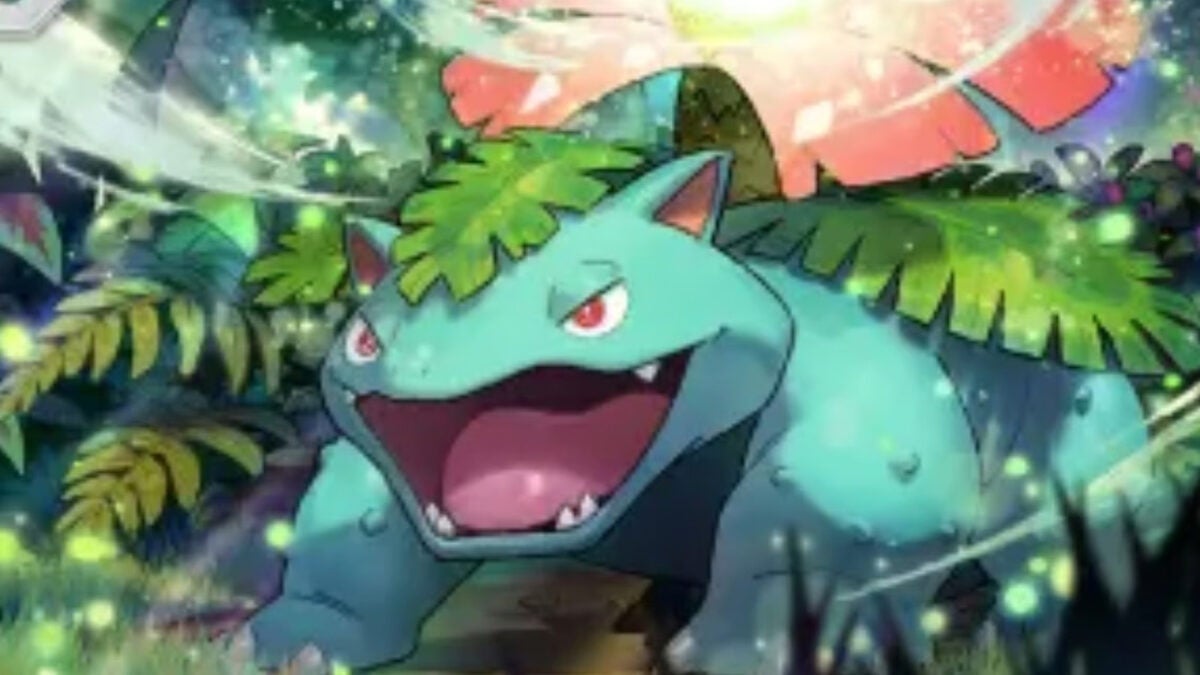
If you are a Pokémon TCG Pocket player (and judging by my TikTok, who isn’t?), you are probably playing the Venusaur event at least a couple of times every day. This event will allow you, if all goes well, to get up to five exclusive promotional cards, including, of course, the full art version of Venusaur. The problem is that practically all of us are dealing with the same thing over and over again: when we get a pack, it contains a Haunter or an Onix. The game is pure frustration. Venusaur, where are you? Besides Venusaur, Haunter, and Onix, we can also get cards […]
If you are a player of Pokémon TCG Pocket (and judging by my TikTok, who isn’t?) you are probably playing the Venusaur event at least a couple of times every day, the one that will allow you, if all goes well, to get up to five exclusive promotional cards including, of course, the full art version of Venusaur. The problem is that practically all of us are dealing with the same thing over and over again: when we get a pack, it contains a Haunter or an Onix. Desperation in game form.
Besides Venusaur, Haunter and Onix, we can get special cards of Jigglypuff (which can sing to put the enemy to sleep) and Greninja. The problem is that there is only a 12.66% chance of getting a Venusaur, a 15.82% chance that the prize is a Greninja… and a 23.84% chance that it is any of the other cards. And it’s becoming frustrating: How many Onix can one have in their deck?
On December 13, this special mission will end, and many of us are already starting to sense that we will never have this special Venusaur. Of course, on social media, there are already “experts” explaining how to get it, but they are the same tricks needed to open a “God Pack.” In other words, they don’t work: this is a game of possibilities, and we have no choice but to be patient while we accumulate Onix and Haunter cards. We can always gather three of them to give them a little shine, I suppose.