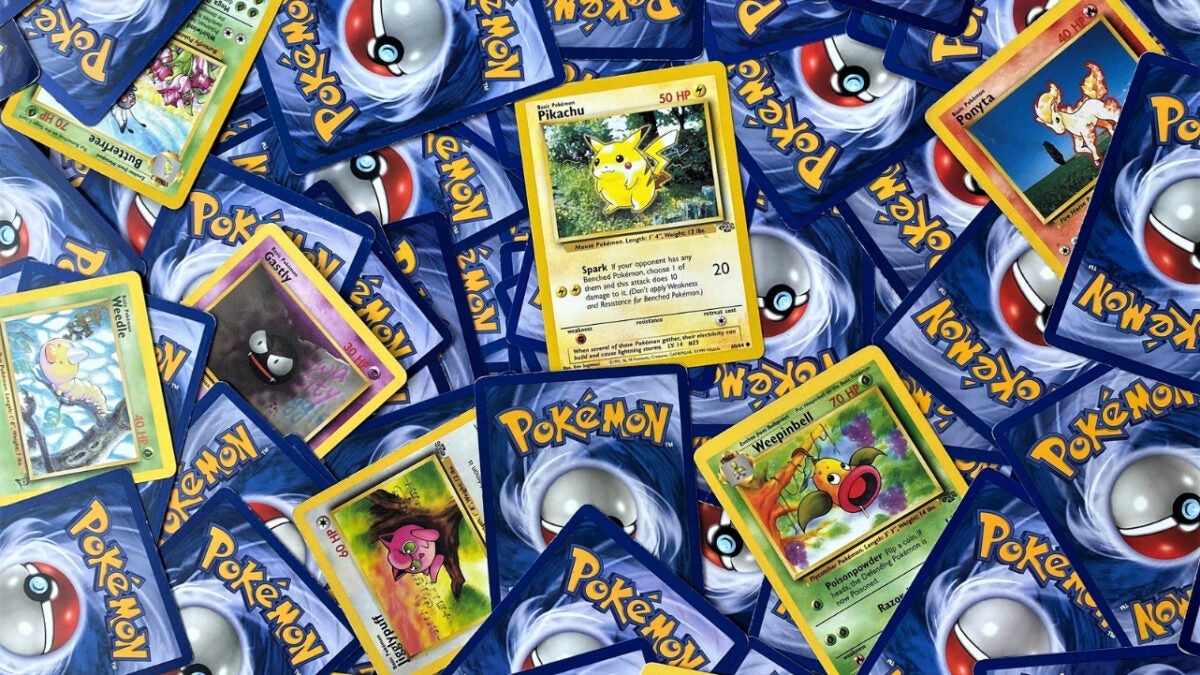
If you take a stroll through TikTok, you will find a group of people opening expensive card packs hoping to, with luck, find creatures they can resell for a fortune. It sounds like a pyramid scheme, and in part it is, but the Pokémon card game is much more: although it originally started as entertainment for children, over time it has become an investment filled with unique cards, colors, tournaments, and absolutely inscrutable attacks. Let’s take a look at its history!

Catch them all. Spoiler: you can’t
Although no one knew Pokémon outside of Japan until 1998, when Pokémon Red/Blue made the leap to the United States (it wouldn’t reach Europe until the following year), in the Japanese country it was born directly as a franchise, with its Red and Green versions, which were later modified to reach abroad. Just half a year after these first two versions were released on Game Boy, and coinciding with the sale of its improved version, Pokémon Blue, the first collectible cards appeared.
At the beginning, on October 20, 1996, you could only play with 102 cards, with drawings by Ken Sugimori, Mitsuhiro Arita, and Keiji Kinebuchi, which took two years to leave the country and cross the ocean. It was during this time, as the game added more cards and became known among fans, when the card that is considered the most valuable in history appeared (even though some fans believe it’s simply an attempt to inflate the price for speculation).
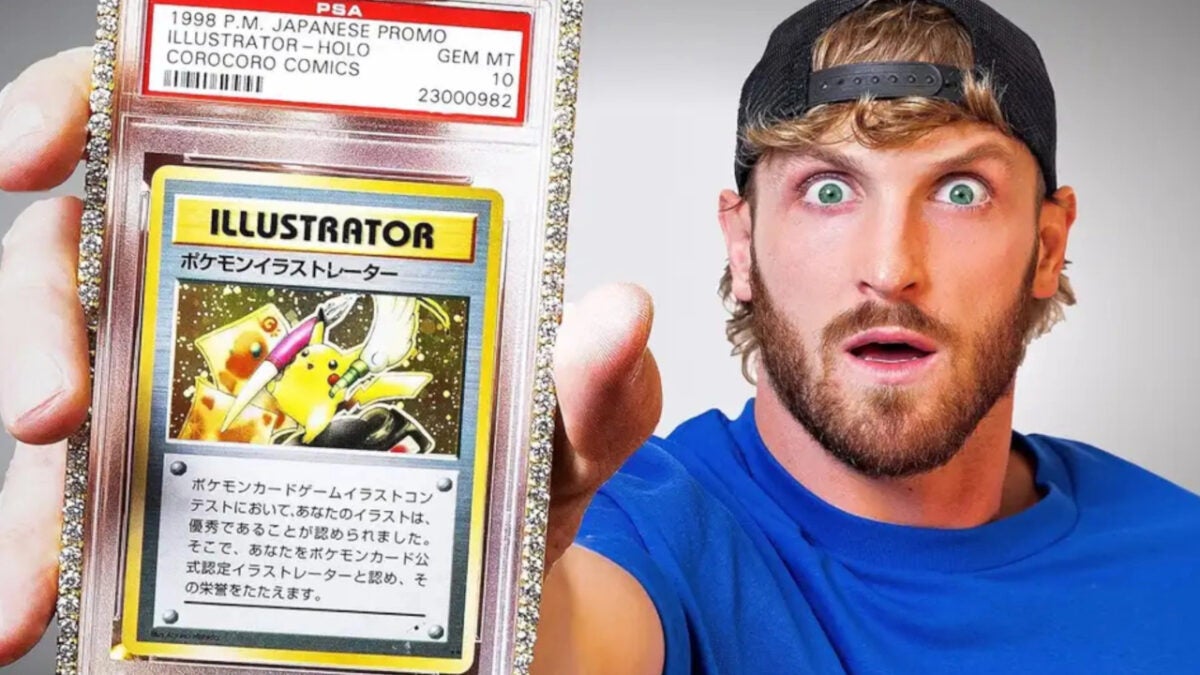
It is the Pikachu Illustrator, an exclusive card that the CoroCoro magazine gave to the winners of an art contest and that, at the time, was a mere curiosity (in fact, it has no abilities in the actual game). It is believed that only 41 cards remain, in various conditions. The one in the best condition (a 10) was purchased by the YouTuber, influencer, and, in general, millionaire, Logan Paul. The price? Nothing, he had to dig a little into his wallet to pull out 5,275,000 dollars. For that price, you surely think it should include a Pokéball with a real Pikachu inside, but the truth is that it’s an investment: when Paul resells it, he might make one or two million more, and the wheel of aggressive capitalism will spin again.
I choose you!
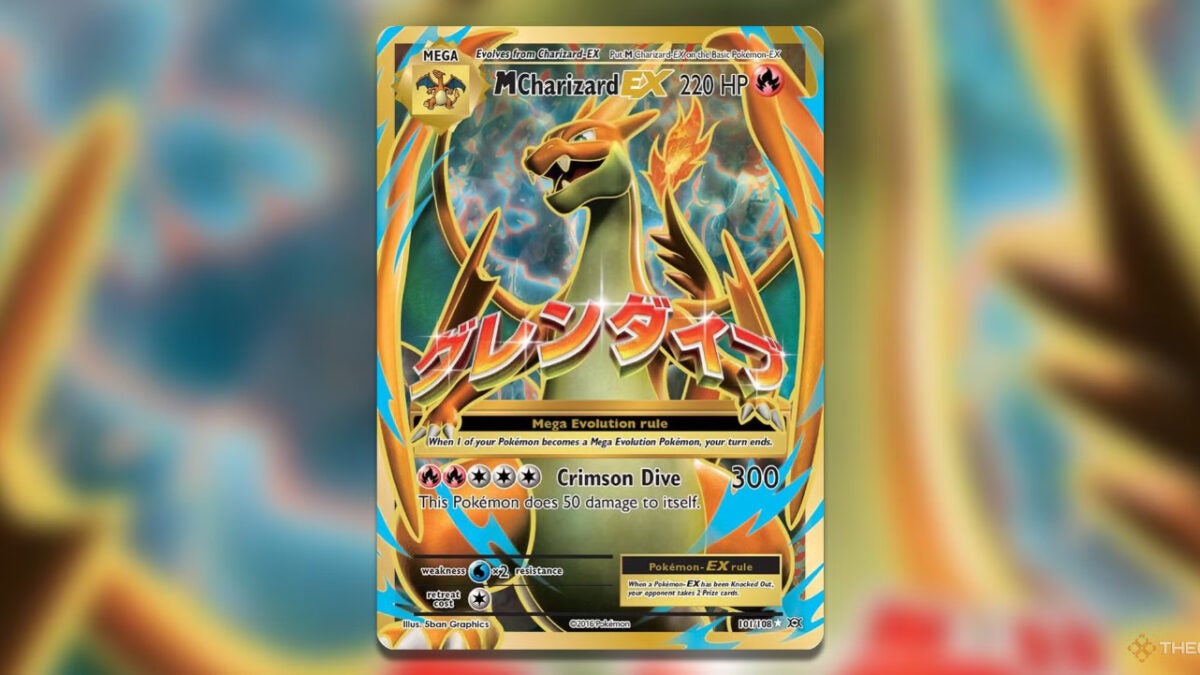
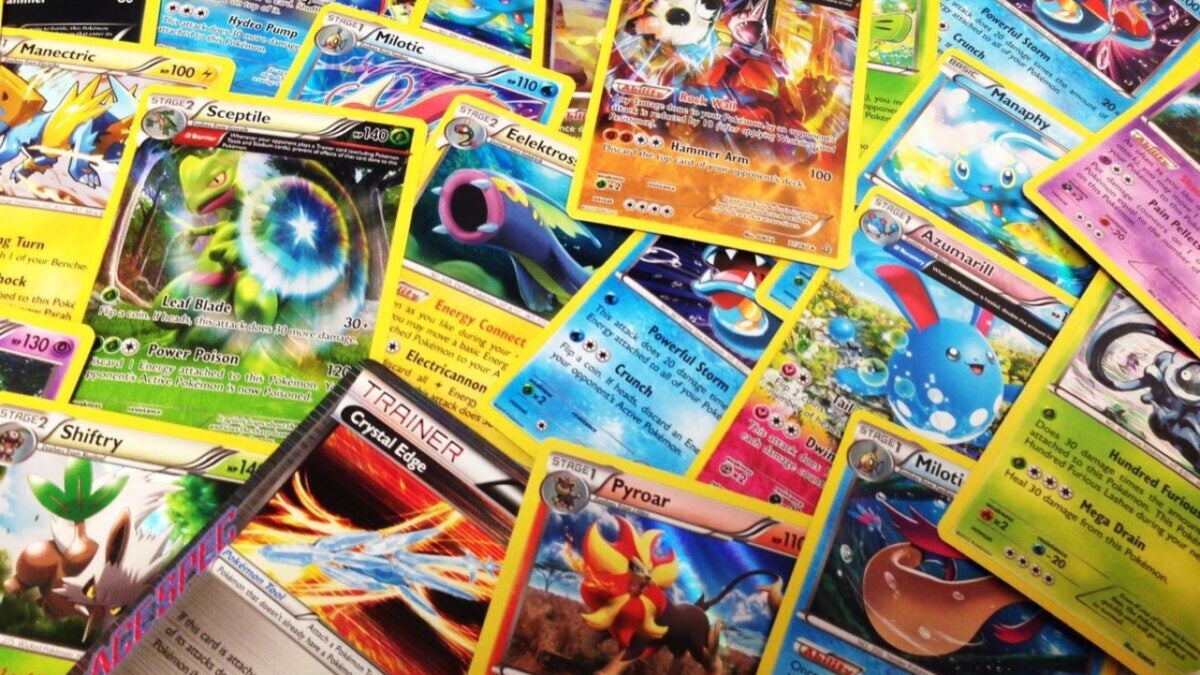
The functioning of Pokémon TCG is similar to Magic: there are decks you can buy, where everyone will have the same base cards, and then many -many- expansions in packs, where literally anything can come -after all, there are more than 200,000 different models-, from regular and ordinary cards (a Rattata, for example) to others with shine, special, unique, like a Charizard EX flying through the art. And then you have two options: either put them in an album so their quality remains pristine over time, or commit the sacrilege of playing the game.
The Pokémon TCG, beyond its theme, is not so different from others, although each has its differences in gameplay. However, between the theme, the variety, the money that can be earned, and the gambling addiction generated by the adrenaline of opening packs (and the serotonin you release when you find that card you wanted so much), it’s normal for an entire generation to be hooked, even if they no longer play the video games or have the slightest interest in the franchise.
To give you an idea of the success, at the beginning of 1999, before all the social media madness and investment in cards, Wizards of the Coast (whom Nintendo later took the license from) announced that it had sold 400,000 packs of cards in just a month and a half. In 2023, official figures indicated that a total of 52.9 billion cards had been distributed worldwide. Read that number again. It’s as if every person in the world had 6 and a half cards. Every. Person. In. The. World.
You choose your path, trainer
Although The Pokémon Company insists time and again that the game is made exclusively for playing and, indeed, there are regional, state, and world championships every year (the latter every year since 2004), the most you can win is $50,000, a number far removed from what those who engage in buying and selling earn, sending the cards in perfect condition to be valued: the fewer imperfections, the more money they will cost in the market.
And the number of fans is increasing. If in the last century, at the entrance to Pokémon 2 cinemas they gave away a couple of cards, trying to gain more followers for the game, what is happening now is absolute madness. On one hand, we have the level of mere fun, for which initiatives like the mobile version, Pokémon TCG Pocket (where, of course, there is also speculation and you can spend real fortunes), or even card giveaways -none spectacular- in fast food chains are launched. But, on the other hand, social networks have created a kind of NFT, an absurd investment bubble that has not yet burst.
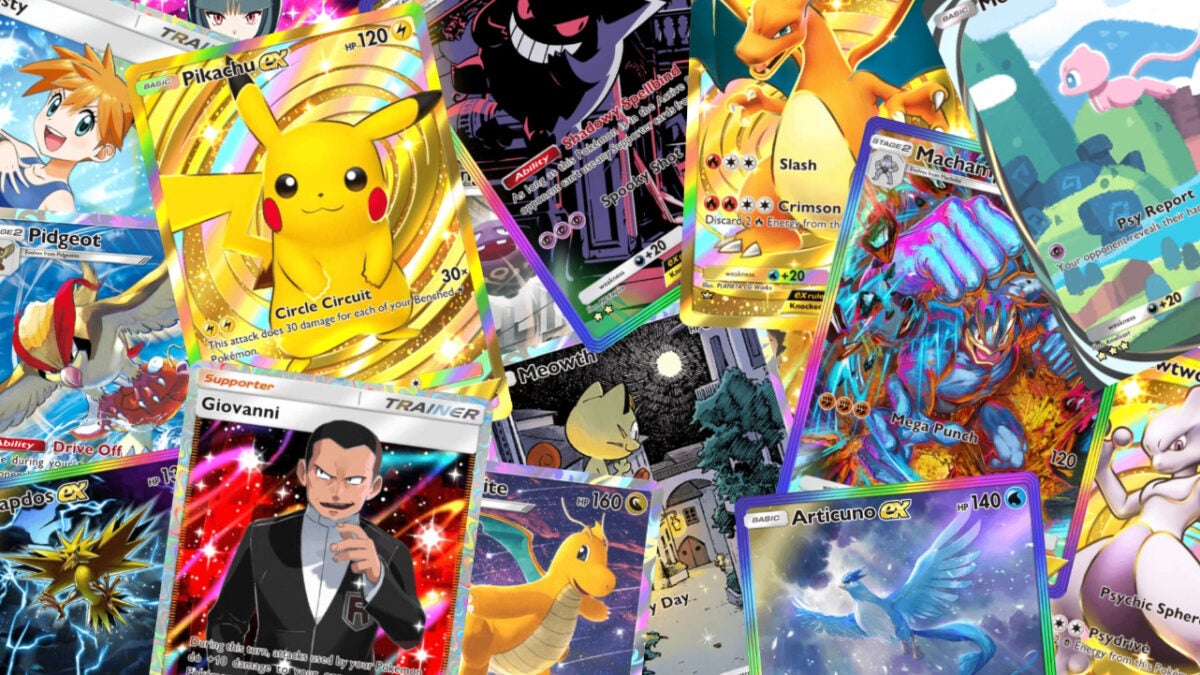
People opening packs non-stop (including some old ones that cost an arm and a leg), finding cards worth thousands of dollars, trading them… It may have started as a children’s game, but it has become yet another symptom of capitalism, a kind of modern stamp collection: invest in Pokémon cards to inflate the price, so a few make a lot of money and the vast majority only have some very nice cards to look at.
There are hundreds of TCGs to choose from, but none have the experience, the name, and above all, the advertising, investment, and fame on social media. The Pokémon card game represents, at the same time, the cutest side of humanity and the most capitalist and perfidious side. And, deep down, is there a more accurate portrayal of the world around us?
