Pokémon TCG Pocket celebrates its sixth month since its launch, and to commemorate this milestone, the developers have prepared a special event full of rewards that promises to attract both new players and veterans of the franchise. From today, April 30, until May 29, participants will be able to obtain Rayquaza EX, along with other exclusive cosmetics, simply by completing a series of missions. An exclusive card for a limited time The event will begin after a scheduled maintenance at 8 AM Spanish time. During this period, players will be able to collect different rewards each time they complete missions […]
Pokémon TCG Pocket celebrates its sixth month since its launch, and to commemorate this milestone, the developers have prepared a special event full of rewards that promises to attract both new players and veterans of the franchise. Starting today, April 30, and until May 29, participants will be able to obtain Rayquaza EX, along with other exclusive cosmetics, simply by completing a series of missions.
An exclusive letter for a limited time
The event will begin after a scheduled maintenance at 8 AM Spanish time. During this period, players will be able to collect different rewards each time they complete specific missions, such as logging in, winning matches, and reaching mission goals. As challenges are completed, additional ones are unlocked, increasing the chances of receiving unique items. The missions offer an appealing incentive, as the rewards include not only the Rayquaza EX card but also an exclusive event playmat and coin.
It is important to highlight that all these rewards are temporary and will only be available until May 29, which means that interested parties must be diligent in completing the missions to ensure they do not miss the opportunity to acquire them. Players will need to open two or five upgrade packs using pack energy, win a total of 50 matches, and perform other actions such as thanking five times to complete the missions and receive their rewards.
With this celebration, Pokémon TCG Pocket continues to expand its community and offer players an enriching and engaging experience. For those looking to maximize their collection and enjoy the benefits of the game, this event is an opportunity not to be missed.
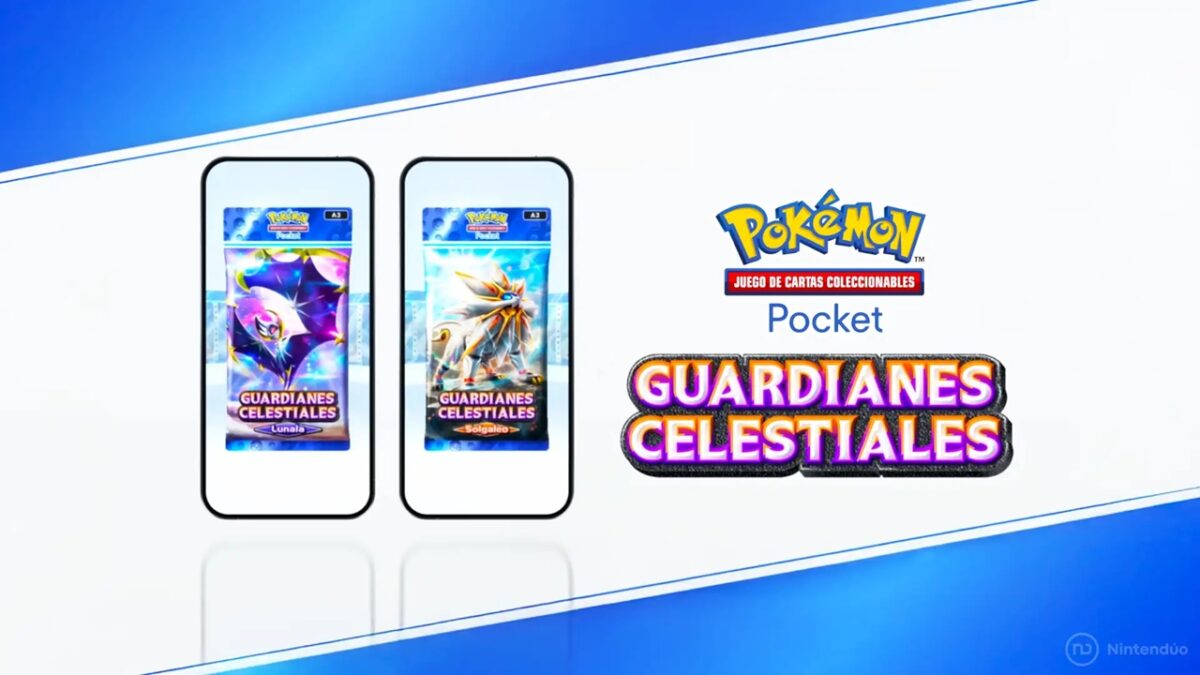
Introducing Pokémon Trading Card Game Pocket, a free digital version exclusively for mobile that aims to digitize the experience of collecting Pokémon cards.
The Sinnoh region is considered one of the most beloved in the history of Pokémon, being an integral part of the fourth generation of this cultural phenomenon. Recently, fans have begun to rediscover hidden details in the Pokémon trading card game (TCG) cards, which has further united the fan community. This renewed interest was sparked by a social media user, @TAHK0, who shared an image of the Spiritomb card, highlighting three environmental elements found in the original game. If Sinnoh is so much For observing the card […]
The Sinnoh region is considered one of the most beloved in the history of Pokémon, being an integral part of the fourth generation of this cultural phenomenon. Recently, fans have begun to rediscover hidden details in the Pokémon trading card game (TCG) cards, which has further united the fan community. This renewed interest was sparked by a social media user, @TAHK0, who shared an image of the Spiritomb card, highlighting three environmental elements found in the original game.
Upon observing the Spiritomb card, many fans were surprised to realize that it was not only a representation of Pokémon but also a nod to its surroundings in the Sinnoh region. Alongside it, @TAHK0 shared an image of the location where Spiritomb can be found in the games, prompting several to reflect on the attention to detail present in TCG cards. This discovery has opened a dialogue about other similar elements, such as the Drifloon card, which shows a calendar with Drifloon stamps every Friday, highlighting its appearance in the Windworks Valley only on that day.
Social media interactions have allowed fans to share their own experiences and discoveries related to the cards, creating an atmosphere of community and rediscovery of Pokémon lore. Many express their desire to see more cards that reference the visual details of the games, such as Lucas’s style in the game Brilliant Diamond and Shining Pearl, which also appears in some cards. This surge in interest in TCG cards shows that fans are not only looking to collect them but also to appreciate their connections to the Pokémon universe.
With all this, fans are hoping for more surprises and hidden details in future cards, as this attention to design could take the TCG experience to a new level. A few rumors suggest that Nintendo and The Pokémon Company may consider these community demands for future collections.
As soon as you take a stroll through TikTok, you’ll find a group of people opening expensive card packs, hoping to find creatures they can resell for a fortune. It sounds like a pyramid scheme, and in part it is, but the Pokémon card game is much more: although it originally started as entertainment for children, over time it has become an investment filled with unique cards, colors, tournaments, and absolutely inscrutable attacks. Let’s take a look at its history! Gotta catch ’em all. Spoiler: you can’t Although no one knew […]
If you take a stroll through TikTok, you will find a group of people opening expensive card packs hoping to, with luck, find creatures they can resell for a fortune. It sounds like a pyramid scheme, and in part it is, but the Pokémon card game is much more: although it originally started as entertainment for children, over time it has become an investment filled with unique cards, colors, tournaments, and absolutely inscrutable attacks. Let’s take a look at its history!
Although no one knew Pokémon outside of Japan until 1998, when Pokémon Red/Blue made the leap to the United States (it wouldn’t reach Europe until the following year), in the Japanese country it was born directly as a franchise, with its Red and Green versions, which were later modified to reach abroad. Just half a year after these first two versions were released on Game Boy, and coinciding with the sale of its improved version, Pokémon Blue, the first collectible cards appeared.
At the beginning, on October 20, 1996, you could only play with 102 cards, with drawings by Ken Sugimori, Mitsuhiro Arita, and Keiji Kinebuchi, which took two years to leave the country and cross the ocean. It was during this time, as the game added more cards and became known among fans, when the card that is considered the most valuable in history appeared (even though some fans believe it’s simply an attempt to inflate the price for speculation).
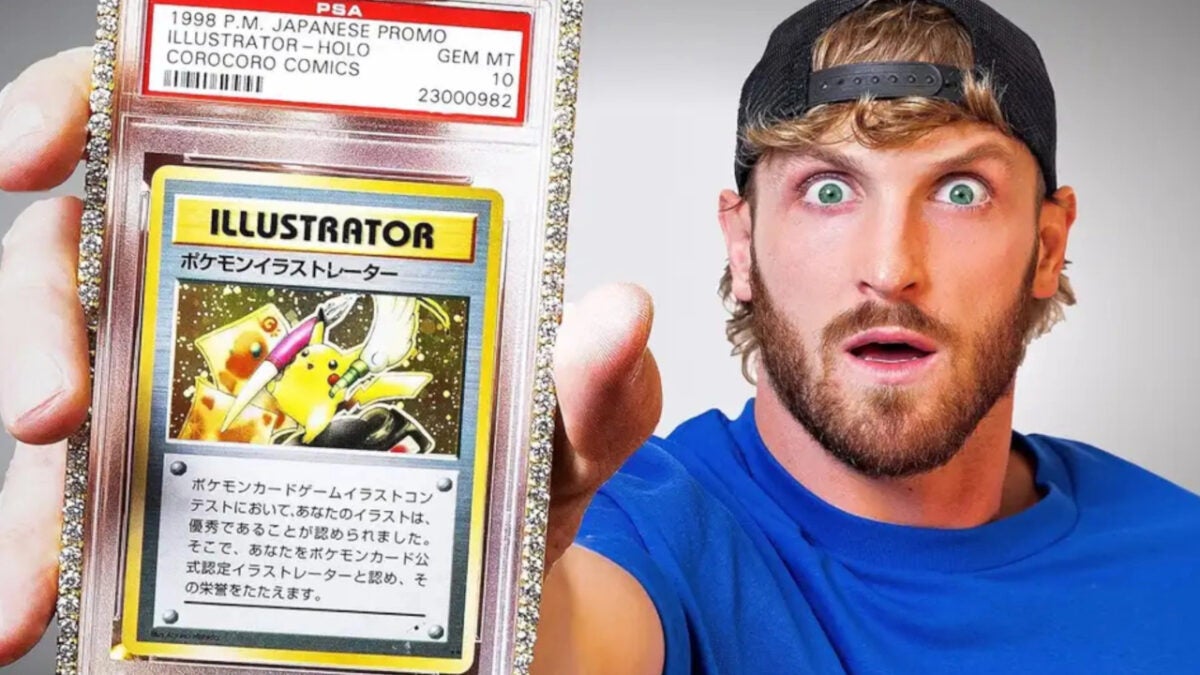
It is the Pikachu Illustrator, an exclusive card that the CoroCoro magazine gave to the winners of an art contest and that, at the time, was a mere curiosity (in fact, it has no abilities in the actual game). It is believed that only 41 cards remain, in various conditions. The one in the best condition (a 10) was purchased by the YouTuber, influencer, and, in general, millionaire, Logan Paul. The price? Nothing, he had to dig a little into his wallet to pull out 5,275,000 dollars. For that price, you surely think it should include a Pokéball with a real Pikachu inside, but the truth is that it’s an investment: when Paul resells it, he might make one or two million more, and the wheel of aggressive capitalism will spin again.
I choose you!
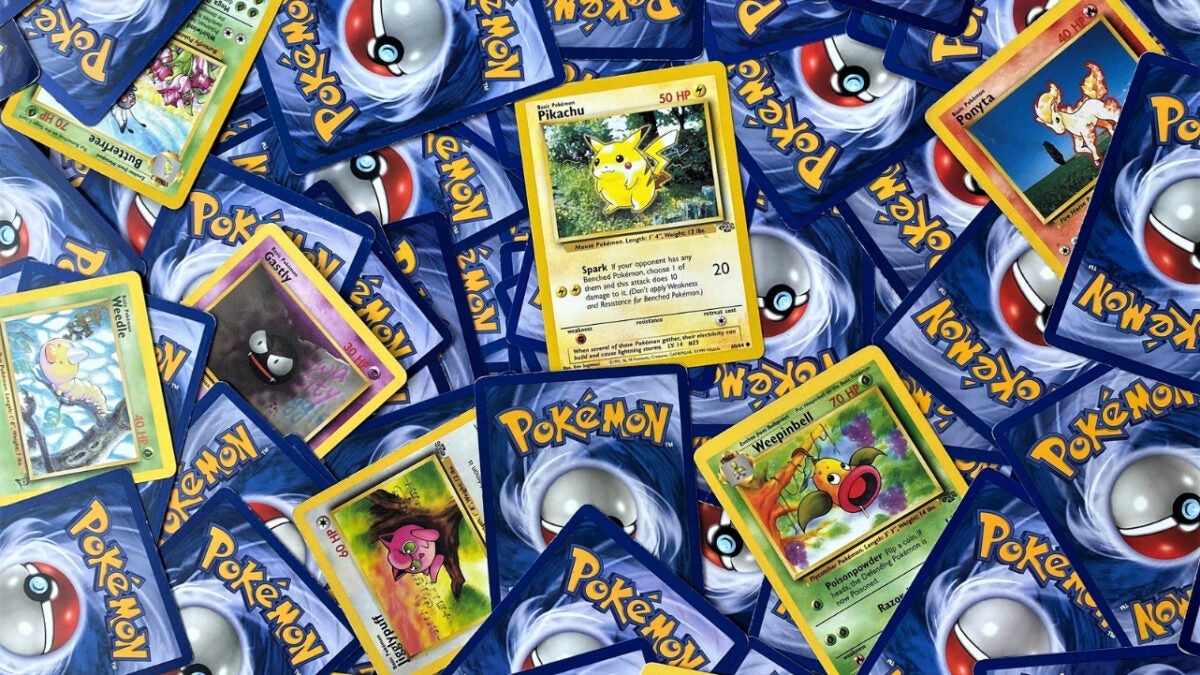
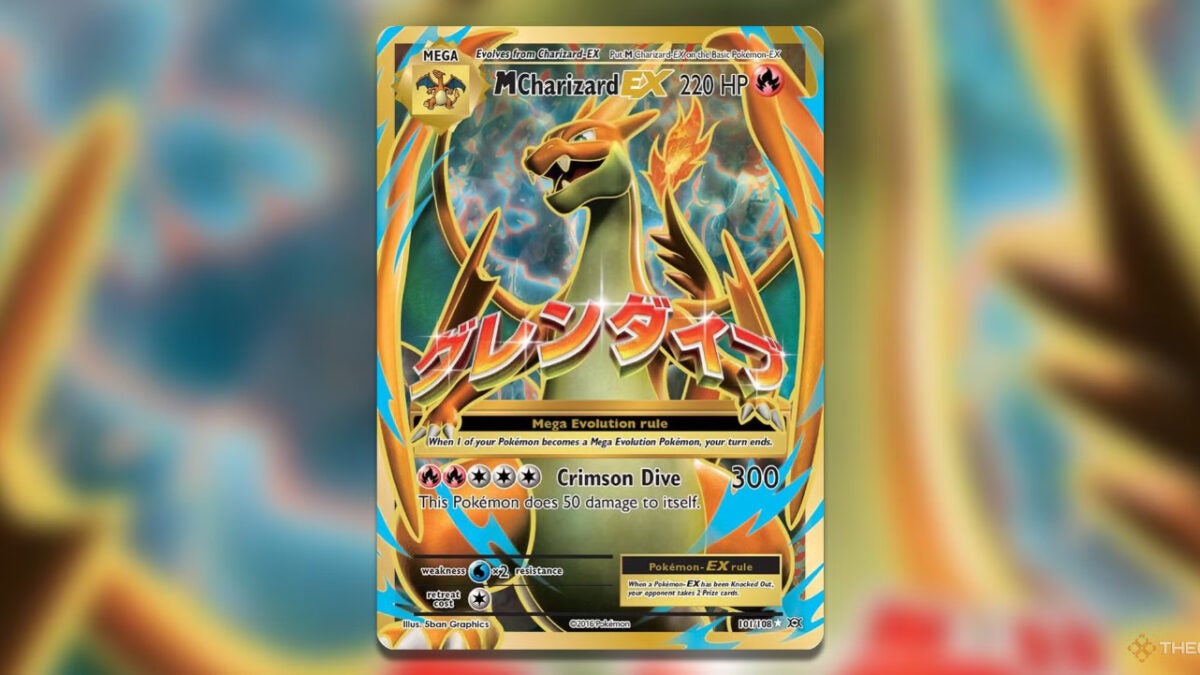
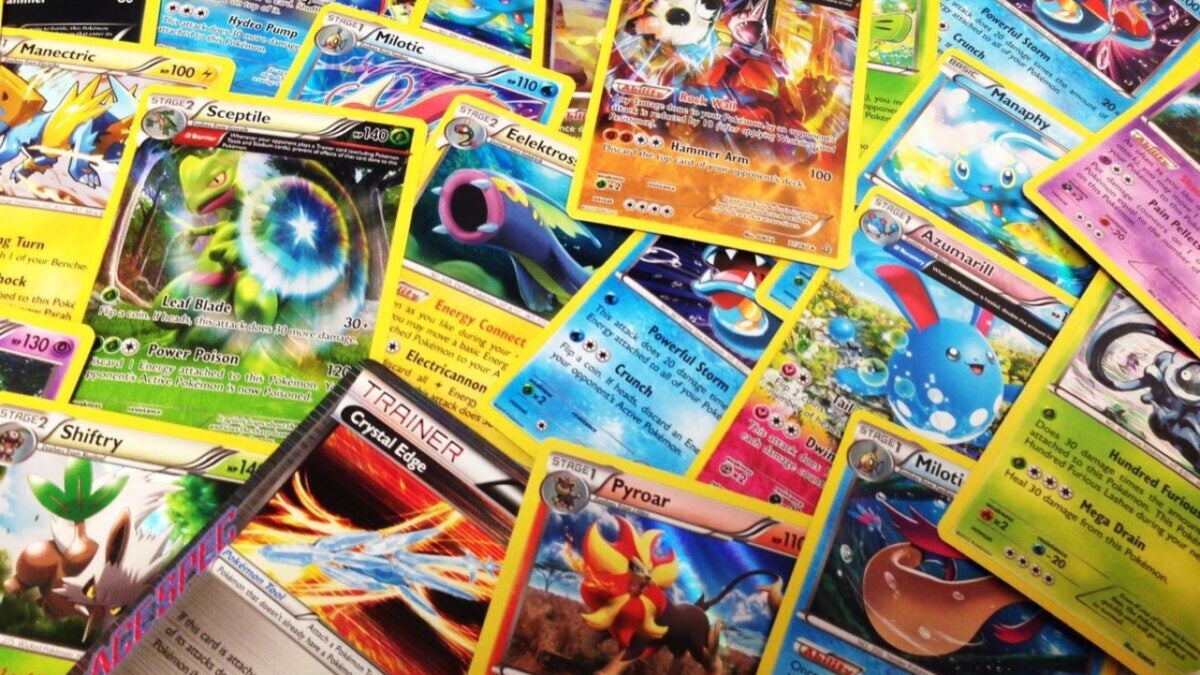
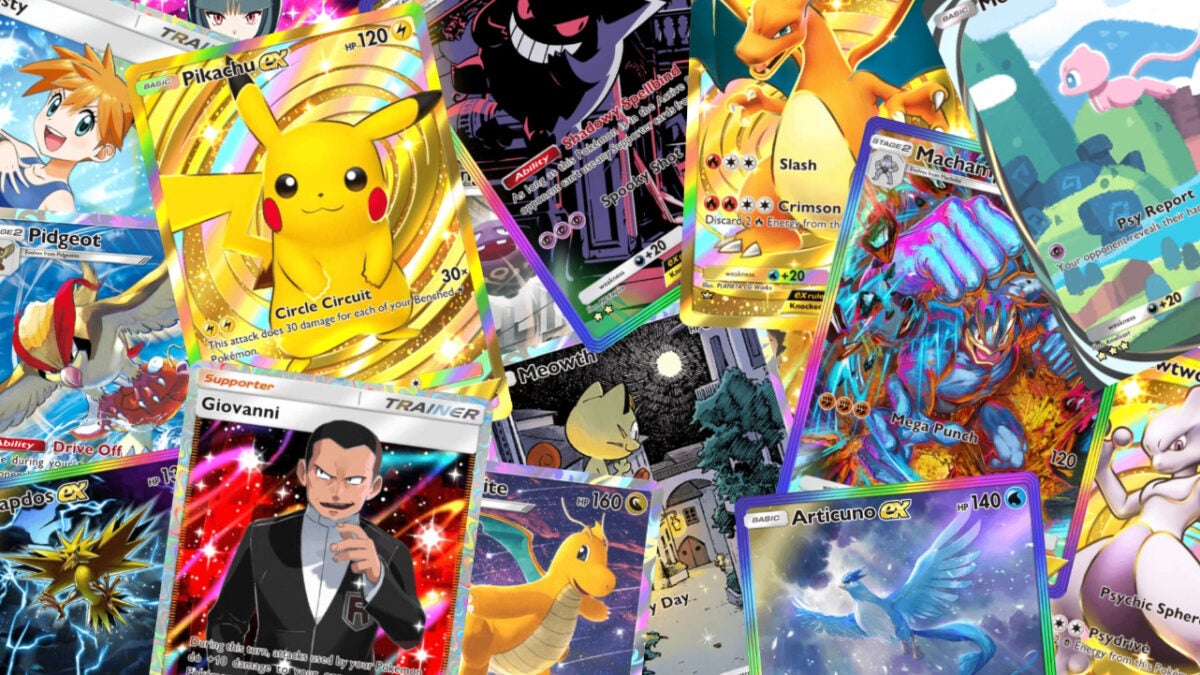
The functioning of Pokémon TCG is similar to Magic: there are decks you can buy, where everyone will have the same base cards, and then many -many- expansions in packs, where literally anything can come -after all, there are more than 200,000 different models-, from regular and ordinary cards (a Rattata, for example) to others with shine, special, unique, like a Charizard EX flying through the art. And then you have two options: either put them in an album so their quality remains pristine over time, or commit the sacrilege of playing the game.
The Pokémon TCG, beyond its theme, is not so different from others, although each has its differences in gameplay. However, between the theme, the variety, the money that can be earned, and the gambling addiction generated by the adrenaline of opening packs (and the serotonin you release when you find that card you wanted so much), it’s normal for an entire generation to be hooked, even if they no longer play the video games or have the slightest interest in the franchise.
To give you an idea of the success, at the beginning of 1999, before all the social media madness and investment in cards, Wizards of the Coast (whom Nintendo later took the license from) announced that it had sold 400,000 packs of cards in just a month and a half. In 2023, official figures indicated that a total of 52.9 billion cards had been distributed worldwide. Read that number again. It’s as if every person in the world had 6 and a half cards. Every. Person. In. The. World.
You choose your path, trainer
Although The Pokémon Company insists time and again that the game is made exclusively for playing and, indeed, there are regional, state, and world championships every year (the latter every year since 2004), the most you can win is $50,000, a number far removed from what those who engage in buying and selling earn, sending the cards in perfect condition to be valued: the fewer imperfections, the more money they will cost in the market.
And the number of fans is increasing. If in the last century, at the entrance to Pokémon 2 cinemas they gave away a couple of cards, trying to gain more followers for the game, what is happening now is absolute madness. On one hand, we have the level of mere fun, for which initiatives like the mobile version, Pokémon TCG Pocket (where, of course, there is also speculation and you can spend real fortunes), or even card giveaways -none spectacular- in fast food chains are launched. But, on the other hand, social networks have created a kind of NFT, an absurd investment bubble that has not yet burst.
People opening packs non-stop (including some old ones that cost an arm and a leg), finding cards worth thousands of dollars, trading them… It may have started as a children’s game, but it has become yet another symptom of capitalism, a kind of modern stamp collection: invest in Pokémon cards to inflate the price, so a few make a lot of money and the vast majority only have some very nice cards to look at.
There are hundreds of TCGs to choose from, but none have the experience, the name, and above all, the advertising, investment, and fame on social media. The Pokémon card game represents, at the same time, the cutest side of humanity and the most capitalist and perfidious side. And, deep down, is there a more accurate portrayal of the world around us?
Pokémon has a very clear visual identity. We associate it with cute and adorable things. Sometimes it flirts with horror, but that makes sense in Japan. Historically, horror manga has been published in women’s manga magazines. That’s why the idea of Tetsuo Hara, the creator of Fist of the North Star, illustrating a Pokémon card seems a bit strange. But that’s exactly what has happened. Finizen, heir to the techniques of Fist of the North Star? Part of the Terastal Fes ex collection, which launches in Japan today, 6 […]
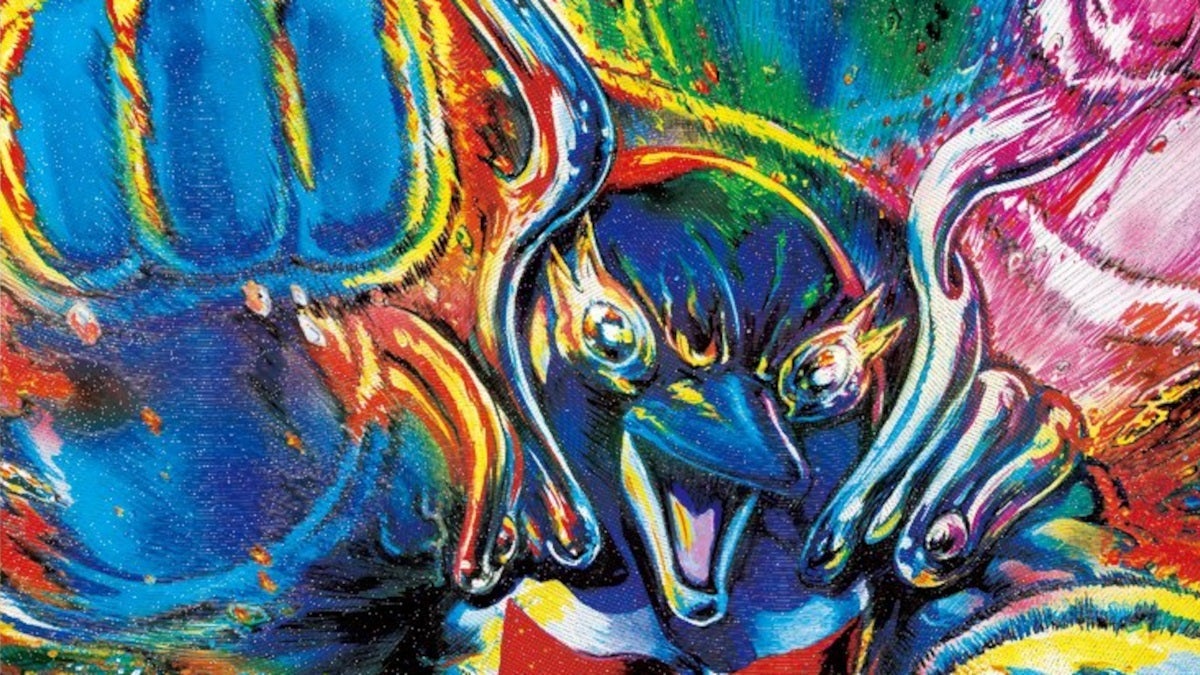
Pokémon has a very clear visual identity. We associate it with cute and adorable things. Sometimes it flirts with horror, but that makes sense in Japan. Historically, horror manga has been published in women’s manga magazines. That’s why the idea of Tetsuo Hara, the creator of Fist of the North Star, illustrating a Pokémon card, seems a bit strange. But that’s exactly what has happened.
Finizen, heir to the techniques of the Fist of the North Star?
Part of the Terastal Fes ex collection, which launches in Japan today – December 6th, and at some future point in the rest of the world, Hara has made an illustration of Finizen in his style. This means that we have Finizen executing the Hokuto Hyakuretsu Ken, the most famous attack of Kenshiro, the protagonist of Fist of the North Star. It’s one of the most unexpected crossovers we could imagine.
Aside from the illustration, which is beautiful, the card is exactly the same as the Palafin ex from PLANETA Mochizuki, only with Hara’s illustration. It makes for a great collectible item, or a personal preference for those who want to give a personal touch to their decks.
Although this is not Pokémon’s first puzzling collaboration, it is the most puzzling one so far. And it makes us dream about what the future holds in terms of guest artists. But first, excuse us, we have to get a Palafin illustrated by Tetsuo Hara – and hope that it arrives at some point to Pokémon TCG Pocket.
Introducing Pokémon Trading Card Game Pocket, a free digital mobile-only version of the game that aims to digitize the experience of collecting Pokémon cards.
Pokémon TCG Pocket is the latest iteration of the Pokémon card game. This time designed exclusively for mobile phones. More focused on collecting, in the game we can open two packs daily, in addition to playing a pleasant simplified version of the game. Something that has proven to be tremendously popular, given the great numbers it is achieving. Something that its developers have decided to capitalize on from the beginning, already adding their first event. In the Lapras ex bounty event, we will have to face challenges to obtain exclusive event cards, among which we will find a Lapras ex, a very rare card of […]
Pokémon TCG Pocket is the latest iteration of the Pokémon card game. This time designed exclusively for mobile phones. More focused on collecting, in the game we can open two packs daily, in addition to playing a pleasant simplified version of the game. Something that has proven to be tremendously popular, given the excellent numbers it is achieving. Something that its developers have decided to capitalize on from the beginning, already adding their first event.
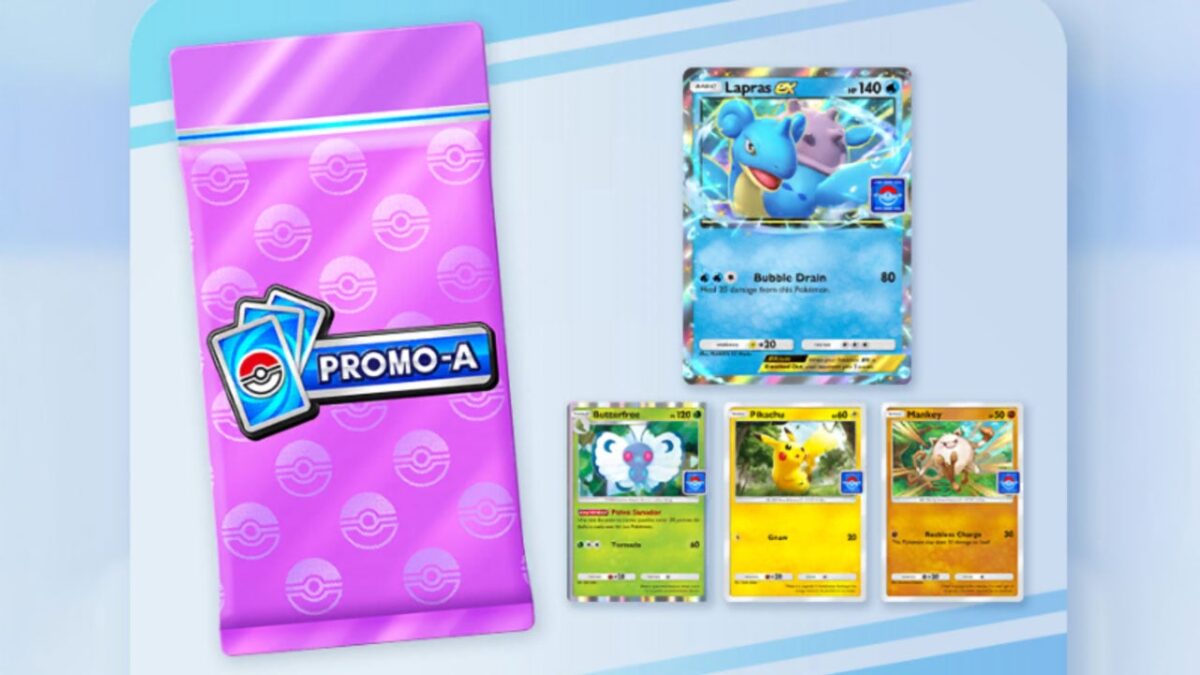
In the Lapras ex drop event, we will have to face challenges to obtain exclusive event cards, among which we will find a Lapras ex, a very rare card with special features that will be an excellent addition to any water-type Pokémon deck. There are five promo cards that can appear in the packs we win, which are the following:
Butterfree (13 / P-A)
Lapras ex (14 / P-A)
Pikachu (15 / P-A)
Clefairy (16 / P-A)
Mankey (17 / P-A)
To obtain these cards, we will have to play matches against the AI. Specifically, against the Lapras ex loot event deck. With four different difficulties, all have the same probability of any type of card appearing, but the number of prizes won per victory increases with difficulty.
The event will last until next November 18th at 1 am EST, so you have more than enough time to get at least one copy of Lapras ex. Or two, if you want to build a deck centered around this powerful Pokémon.
Introducing Pokémon Trading Card Game Pocket, a free digital mobile-only version of the game that aims to digitize the experience of collecting Pokémon cards.
‘Pokémon: Path to the peak’ a free series on YouTube much better than it has the right to be.
If asked about a ‘Pokémon‘ anime, we all know what’s there. A kid who wants to become a master and travels the world meeting people and engaging in battles. Gotta catch ’em all, and so on. But, just like the Pokémon brand itself, which extends far beyond the video games, the animations should also strive to demonstrate that the franchise has evolved since the release of the first Game Boy games. And here comes ‘Pokémon: Path to the Peak’, a free series on YouTube that’s much better than it has any right to be.
Don’t think that ‘Pokémon: Path to the Peak’ is a stylized period drama or has animation worthy of Studio Ghibli, but it doesn’t need to: it’s such a secondary product (an animated series based on the Pokémon trading card game) that they’ve been given a free rein to do whatever they want. And what they’ve done is treat one of the few intergenerational and timeless franchises with nostalgia and love, with a style that’s completely different from the usual.
Currently, we only have three episodes available, in which we follow Ava, a girl who has moved to a new town and finds her place within the Pokémon Club, where she learns to play (and win) using her Oddish card. It seems simple, and it is. But it also manages to showcase really exciting (and emotional) battles, breaking the rules of the game along the way.
For once, viewers are seeing our world in a Pokémon anime, and how the franchise has evolved in our hearts (the scene where they all sing one of the series’ openings in the car is incredible, but they are embarrassed about the Pokérap). All of this while still being a giant advertisement and pure marketing, of course. But it’s adorable marketing that pays homage rather than insists, that treats the viewer as an intelligent person capable of appreciating the layers of a series that is much more nuanced than what we’re used to.
‘Pokémon: Path to the Peak’ is a tale about acceptance, overcoming fears, embracing defeat, and making friends. It shouldn’t go beyond being a simple children‘s story, yet it’s perfectly enjoyable for a more adult audience. Does this mean that we’ll see more risk in the series from now on, or was this just a small appetizer that won’t be followed by a three-course menu? Only time will tell.