The official guide to the Marvel Universe dictated that it was absolutely true and canonical: all of ‘Alf’ is part of the MCU. Get your act together, Kevin Feige, we’re already late.
We’re right on schedule with crossovers: since brands discovered that we love seeing characters from different universes interacting with each other, they’ve desperately jumped in to make us happy: Batman meets the Teenage Mutant Ninja Turtles, ‘Fortnite‘ meets Terminator, and so on. But no crossover, ever, will be as crazy as the one in 1988 that brought Alf into the Marvel crossover of the moment, making him a part of the same universe.
Imagine for a moment that you’re reading ‘Secret Wars’ or ‘Civil War,’ and suddenly, amidst all the superheroic clashes and sonic punches, Alf, the Melmacian extraterrestrial, appears, ready to eat cats and solve the predicament. Sounds impossible, right? Well, maybe not so much. But to understand why, we have to go back to 1988 when Marvel was in the midst of a crossover event titled ‘The Evolutionary War.’
In this crossover, the High Evolutionary (who first appeared in 1966 in the pages of ‘Thor’) had decided to “evolve” all of humanity, whether they liked it or not. Naturally, the superheroes weren’t thrilled about this, so they rallied against him during a massive saga that spanned across most of Marvel’s annual comics, from ‘X-Factor’ to ‘The Avengers,’ including ‘Fantastic Four,’ ‘Silver Surfer,’ and… ‘Alf’?
In 1988, the extraterrestrial from Melmac was at the peak of his fame. Not only did he have a successful television series, but he also starred in his own animated series and even its spin-off. He had three shows running simultaneously, which, of course, led to his own comic book series that lasted for 50 issues, 3 annuals, and 3 summer specials. In fact, it outlasted the TV series itself.
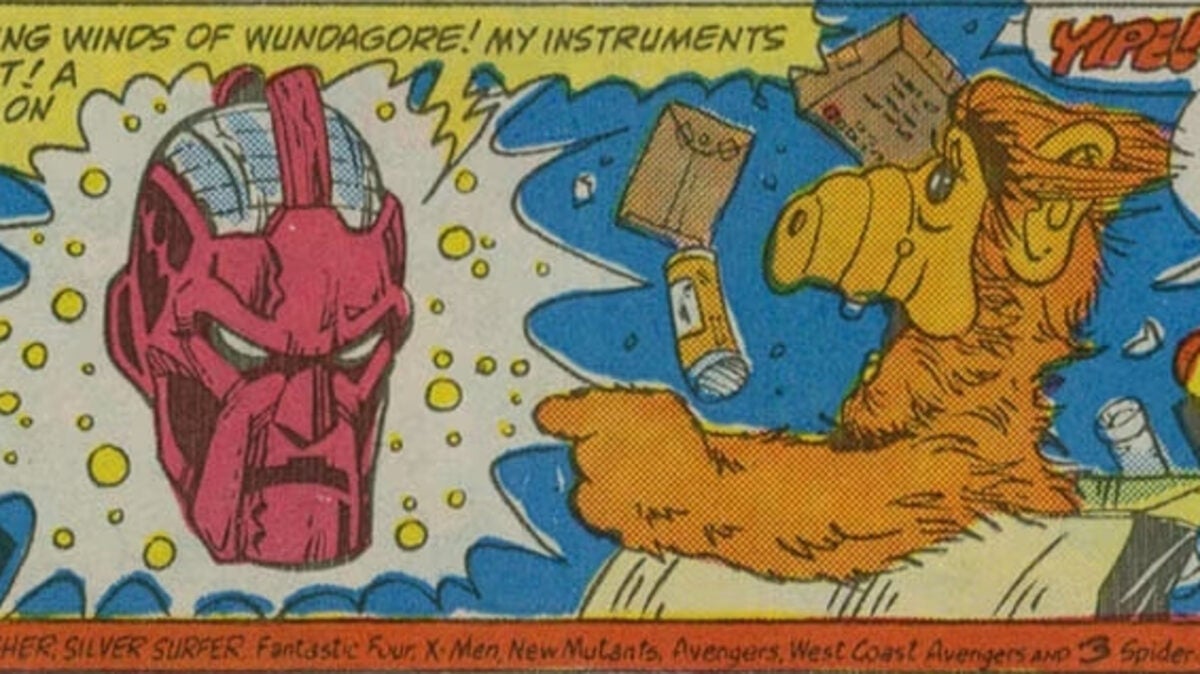
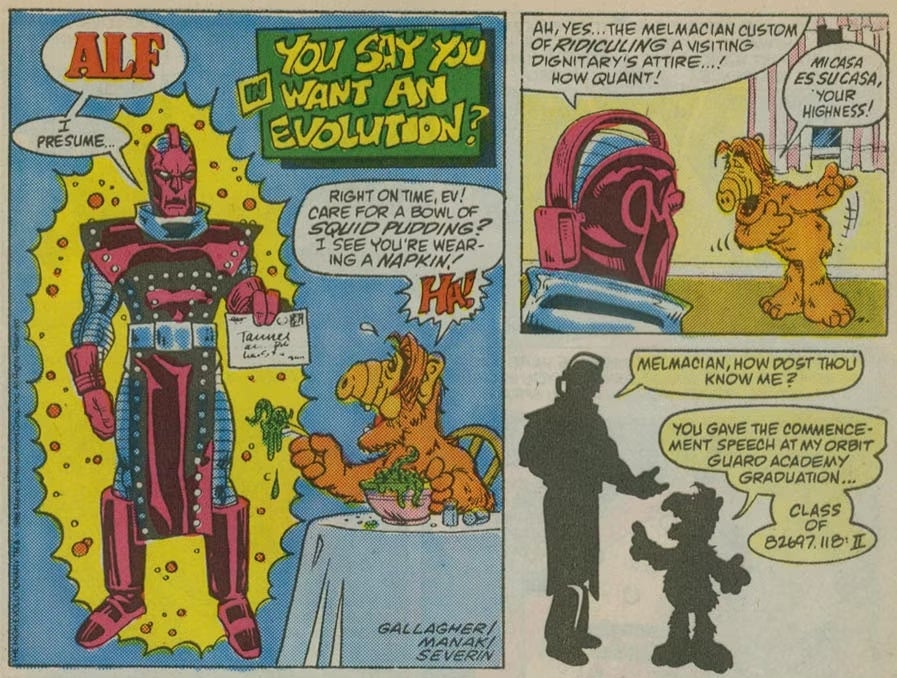
It’s in this first annual issue, which promises to be part of the crossover in question on the cover, that Alf is at camp with Brian when suddenly the head of the High Evolutionary appears, demanding explanations. In fact, we learn that Melmac exploded because of the Dark Phoenix (yes, you read that correctly!) and the High Evolutionary erases Alf’s memory and makes him crash-land on a pile of comics. However, years later, the official Marvel Universe guide declared it absolutely true and canonical: all of ‘Alf’ is part of the Marvel Universe. Get on it, Kevin Feige, we’ve been waiting long enough.
An alien weapon possesses a construction bulldozer and it begins to kill everyone it meets. It seems silly, but it fascinated at least two people.
In November 1944, Theodore Sturgeon, one of the most renowned science fiction writers in history, known for, among other things, writing several scripts for ‘Star Trek,’ wrote a story for ‘Astounding’ magazine called ‘Killdozer.’ Its plot, to say the least, was bizarre: an alien weapon possesses a construction bulldozer, and it starts killing anyone it encounters. It may sound silly, but it fascinated at least two people.
The first person, a certain Jerry London, a relatively unknown director and producer, premiered the adaptation of ‘Killdozer!’ directly on television in 1974, with a twist to make it more sinister. In this case, the evil force came from a meteorite rather than an ancient alien race that once dominated us, as in the original novel. The book is better than the movie, as always.
The TV movie was a notable critical and commercial failure but has managed to become a cult classic among a certain type of trash-loving audience (among whom, I must admit, I am included). Twelve years later, Stephen King would take the idea to make his only film as a director, the utterly psychedelic ‘Maximum Overdrive.’
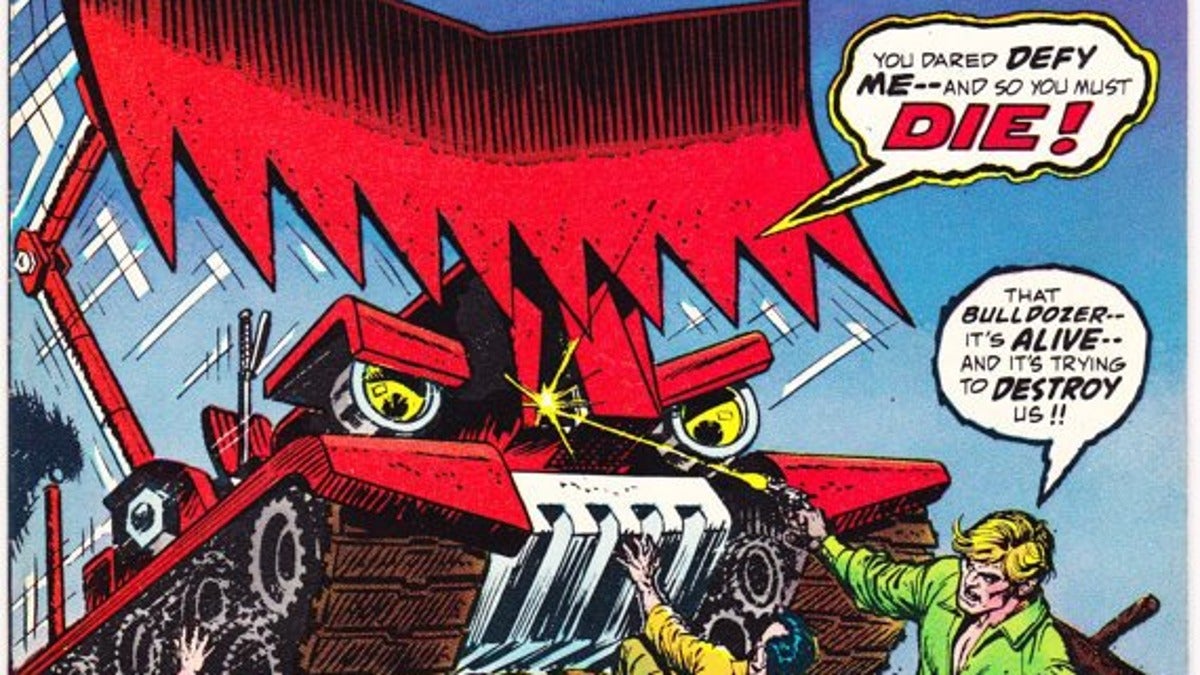
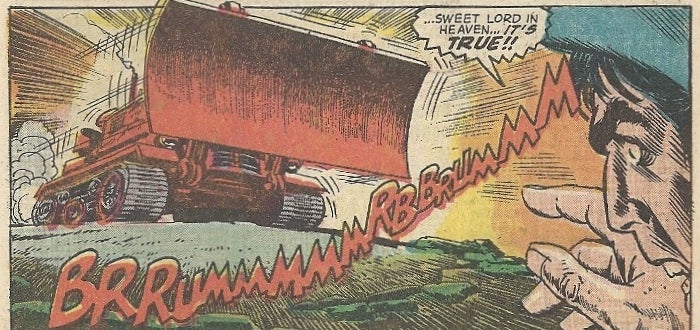
Right after the movie, its corresponding – and quite unexpected and unnecessary – comic book adaptation arrived in issue #6 of ‘Worlds Unknown.’ On its cover, the bulldozer spoke (“You dared to defy me… and now you must die!”), and it had a fabulous design… which wasn’t found within the comic‘s pages itself. It didn’t speak either. Nor did it have, while we’re at it, a female character.
Gerry Conway, a veteran author for both Marvel and DC, best known for his work on ‘Spider-Man,’ scripted this adaptation, which differed completely from its source material, both as a book and as a movie. In fact, they ultimately defeat the killer bulldozer simply by connecting a cable. There’s nothing like being an expert. The comic has gone down in history as one of the weirdest things to ever receive an adaptation (a loose adaptation of a movie that loosely adapted a short story). And of course, it’s worth knowing about, even if only for its curiosity value.
Joe Matt, famous for his own comic autobiography, which began with ‘Poor Bastard’ and culminated in ‘Consumed’, was a master of underground humor
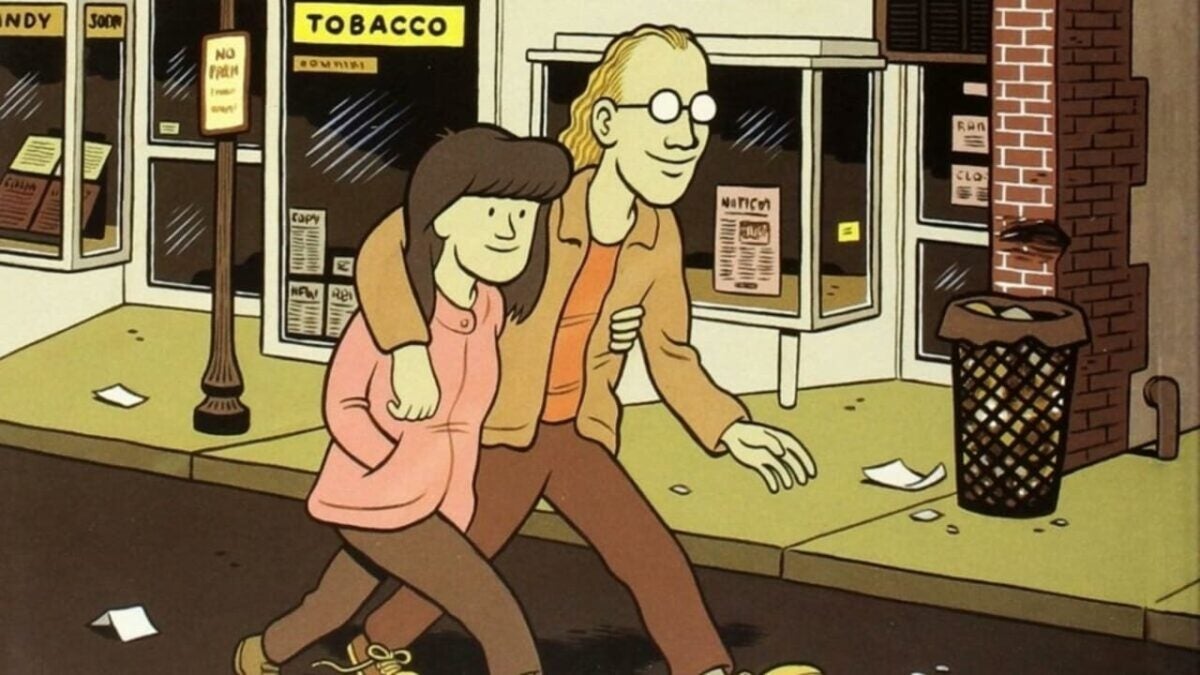
The death of a comic book author is always a sorrowful event. But if that author happens to be one of the greatest and most personal in history, it stings a little more. Joe Matt, famous for his own comic autobiography, which began with ‘Poor Bastard’ and culminated in ‘Spent,’ was a master of underground humor, self-pity, sadness, loneliness, and had a very unique perspective on himself and the society around him.
Joe Matt was born on September 3, 1963, and passed away nearly 60 years later on September 18 of this year. He did so as many cartoonists dream of passing away: at his drawing table. A heart attack took him away without ever having won an Eisner Award (although he was nominated multiple times), which might be one of the greatest injustices in the history of comics.
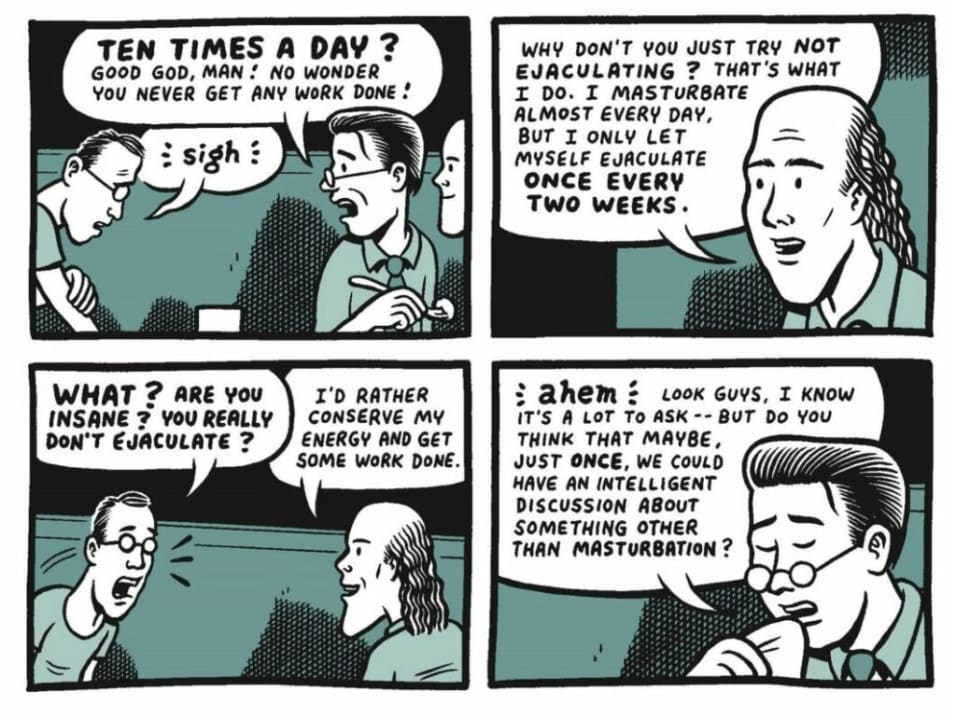
Undoubtedly, ‘Peepshow’ is his masterpiece, divided into three volumes (‘Poor Bastard,’ ‘Fair Weather,’ and ‘Spent’). It’s an acidic portrait of his daily life that has been criticized for being excessively sexist (it is), but it’s forgiven for its constant sense of humor and self-parody. Matt is not the hero of his own comics, and he’s aware of being a perfect loser. That’s part of his art.
Although his comics were drawn in black and white, he also worked as a colorist for ‘Grendel,’ ‘Johnny Quest,’ and the well-known ‘Batman/Grendel.’ Matt Wagner, his lifelong friend, announced his unfortunate fate on Instagram, saying, “I will miss my old friend and his unique view of the world… and how we started each phone call quacking like Donald Duck to each other. Farewell, brother… the world is a little more boring without you.”
Now might be the time for HBO to revisit the project they had in 2004 with David X Cohen and Matt Groening to create a series about ‘Peepshow.’ There couldn’t be many better tributes, could there?
Otakus live up to date with the cancellation of their favorite manga for one reason or another. In fact, some of the best known in history will never have an end. We tell you the story behind five of them!
We’ve all experienced at some point that something we loved remained unfinished and will never continue. It’s the expression fans of ‘A Song of Ice and Fire’ are starting to wear, and one that followers of ‘Firefly’ or ‘Freaks and Geeks’ once rehearsed well. But if there’s a group of people who know all too well what it’s like to lose hope of their favorite work returning, it’s the otakus, who live day by day with the cancellation of their beloved manga for one reason or another. In fact, some of the most well-known ones in history will never have a conclusion. Let us tell you the story behind five of them!
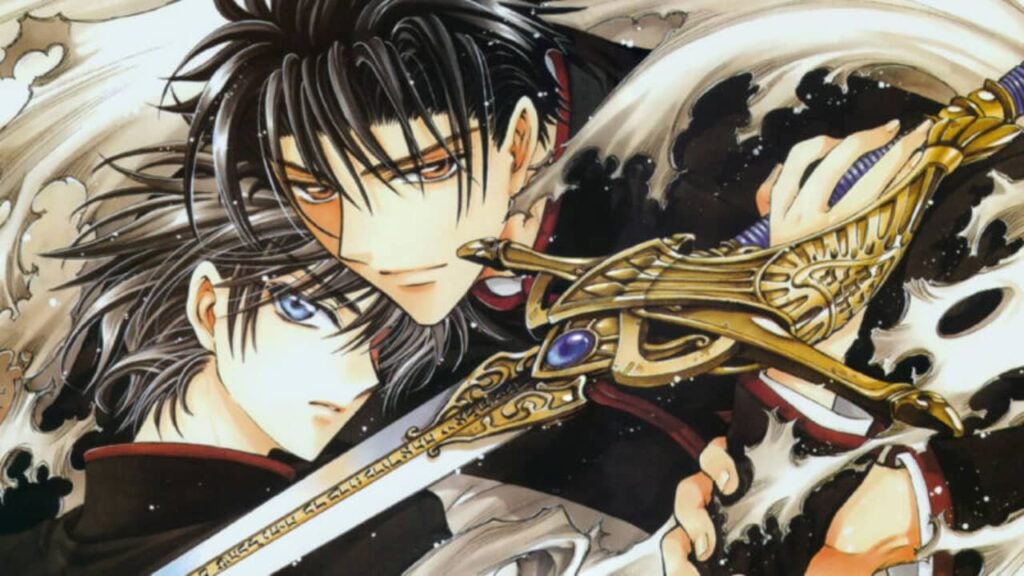
For eleven years, from 1992 to 2003, the group of mangakas Clamp (‘Card Captor Sakura’, ‘Chobits’) took to culminate their masterpiece, ‘X/1999’, compiled in 18 volumes. Or that’s what we would say if… it had ended. In March 2003, the mangakas decided to distance themselves from the work and take some time to think about how it could conclude, and that’s how we have been for twenty years. Both the anime series and the movies had to come up with their respective endings, which will have to suffice. To add salt to the wound, it’s supposed that only three volumes were left to finish the story. Painful.
‘Phoenix’ (Osamu Tezuka)
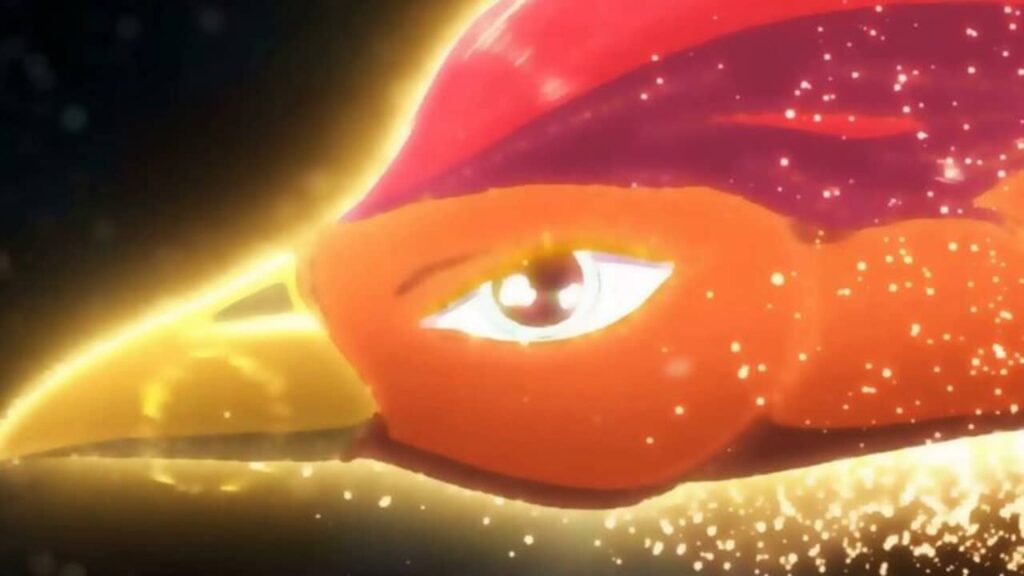
For me, one of the greatest masterpieces in the history of comics is ‘Phoenix.’ It was the work that accompanied Tezuka throughout his entire life: it began in 1954, and its last episode was published in 1988, just before his death. After his passing, nobody dared to touch a single line of this inconceivable and immortal manga that spans across all eras of humanity (after all, it deals with reincarnation). Even though it lacks an ending, if you have the opportunity, take a look at it: you won’t regret it.
‘Vagabond’ (Takehiko Inoue)
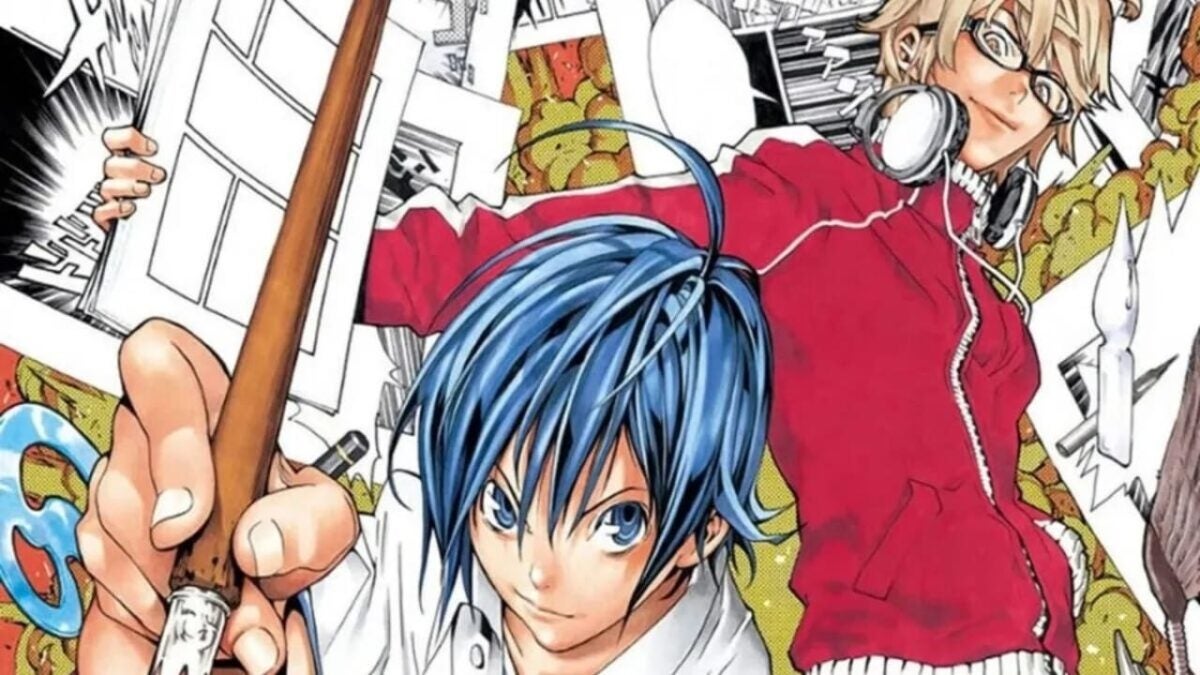
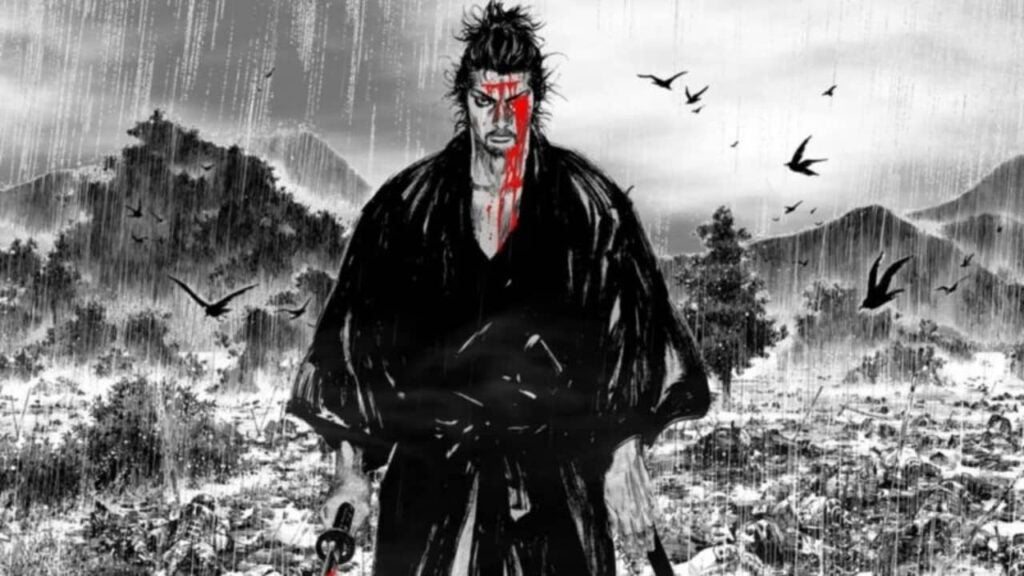
From 1998 to 2015, Inoue focused all his efforts on this fantastic martial arts and samurai story that spares no violence and brutality. That hasn’t stopped it from becoming one of the best-selling manga of all time… even though it lacks an ending, and there’s no sign of it coming. Considering how ‘Slam Dunk’ ended, we know that Inoue isn’t particularly good at bidding farewell to his characters, but leaving them hanging is just too much… especially since in 2009, he stated that ‘Vagabond’ would conclude within a couple of years. Since then, the series has been plagued by hiatuses, some lasting a year and a half. However, eight years later, fans have lost all hope of seeing how it ends, especially now that Inoue has ventured into directing with ‘The first Slam Dunk.’
‘Berserk’ (Kentaro Miura)
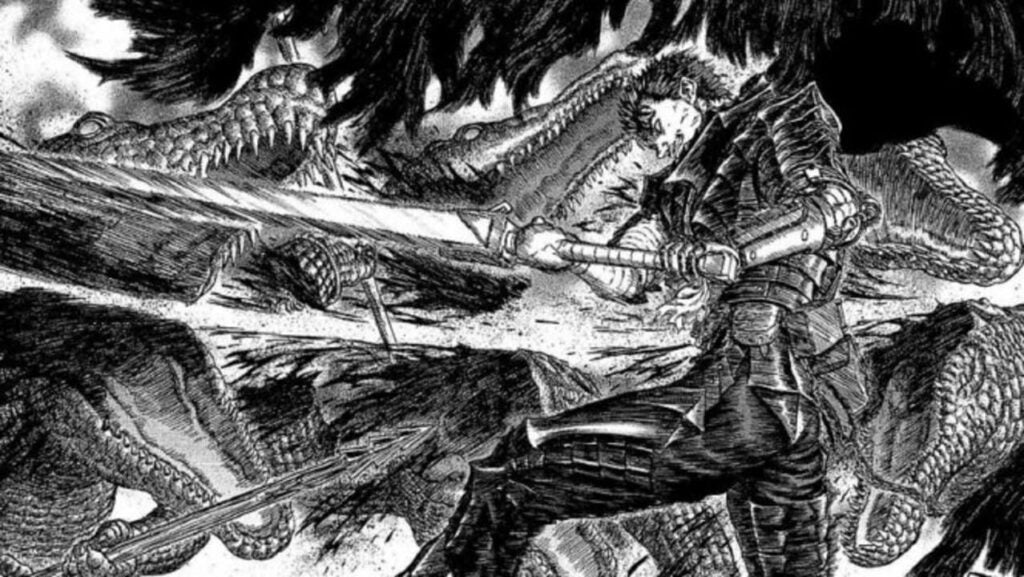
It’s curious how ‘Berserk,’ a magnificent work that began in 1989, only concluded 22 years later with the death of its author at the age of 54. At that time, it was assumed that the manga, which already had 41 volumes, would not continue. However, Kouji Mori, the friend who helped him create the entire story, episode by episode, insisted on finishing at least the ongoing saga, and the manga was resumed as an epitaph to Miura. It remains to be seen if after 2023, any new chapters will be published or if it will remain incomplete forever.
‘Nana’ (Ai Yazawa)
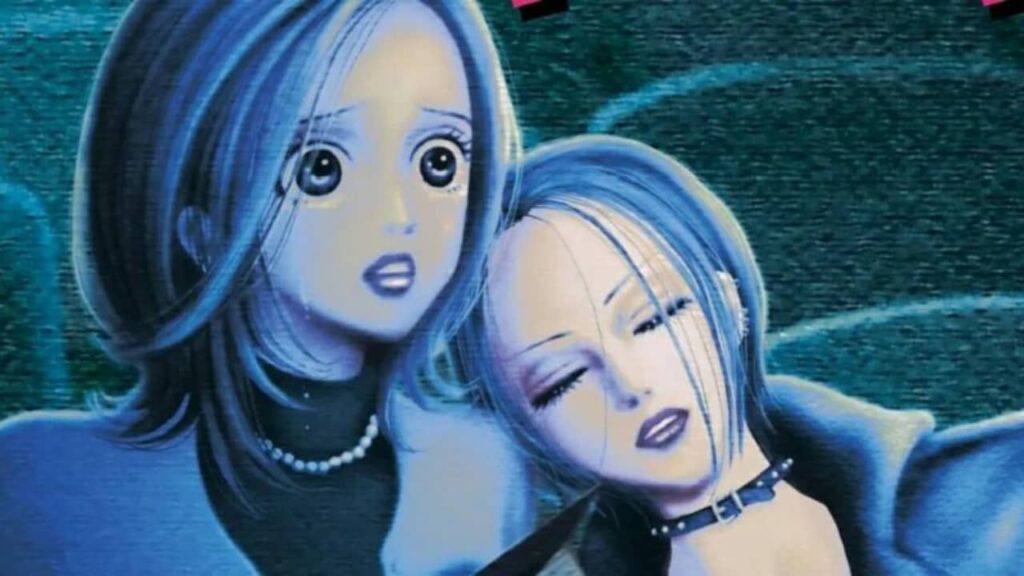
Indeed, ‘Phoenix’ is a masterpiece, but nothing pains me more than ‘Nana,’ the manga that Yazawa conceived after ‘Paradise Kiss,’ which became a true revolution in adult shojo. With 21 volumes published over 9 years, it told the parallel stories of two women named Nana in Tokyo and introduced time jumps that only raised more questions… questions that will never be answered due to the health issues of its author. She hasn’t been able to maintain the pace required by weekly magazines since then. In light of what happened to Miura, it’s not a bad idea for her to ease off the accelerator. It’s better to have a living mangaka than a finished manga.
Maybe that’s why Marvel trusted him to be the protagonist of a comic… about sexual health and pregnancy prevention. Yes. As is. Pure psychedelia.
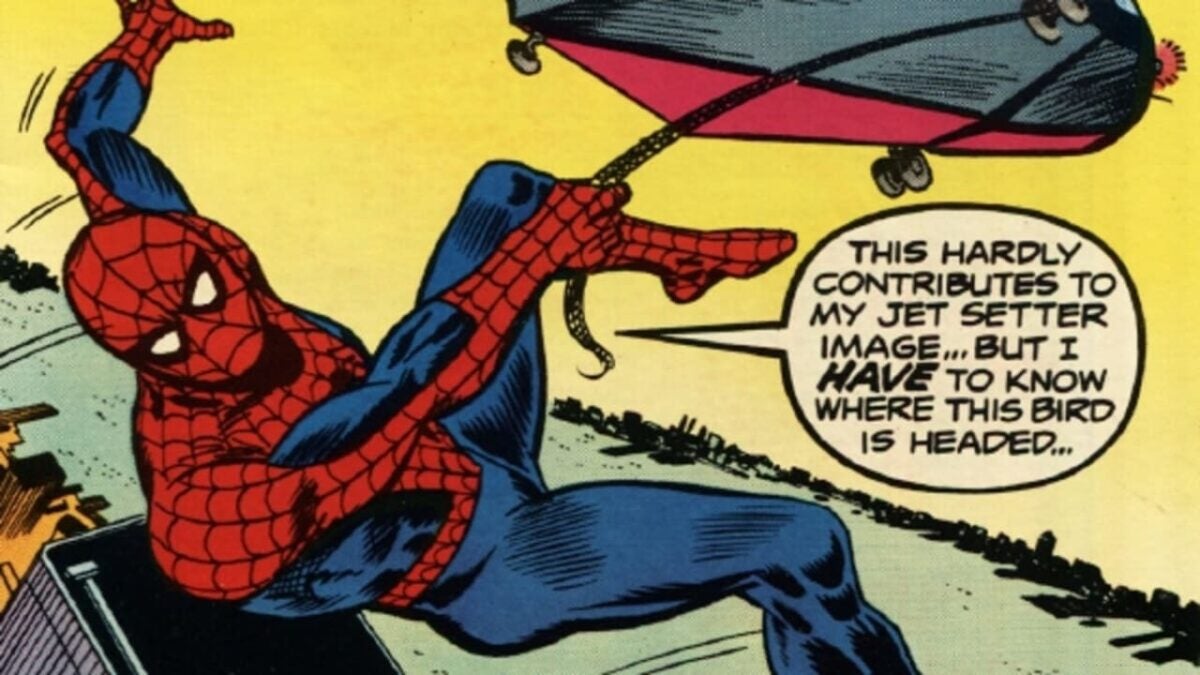
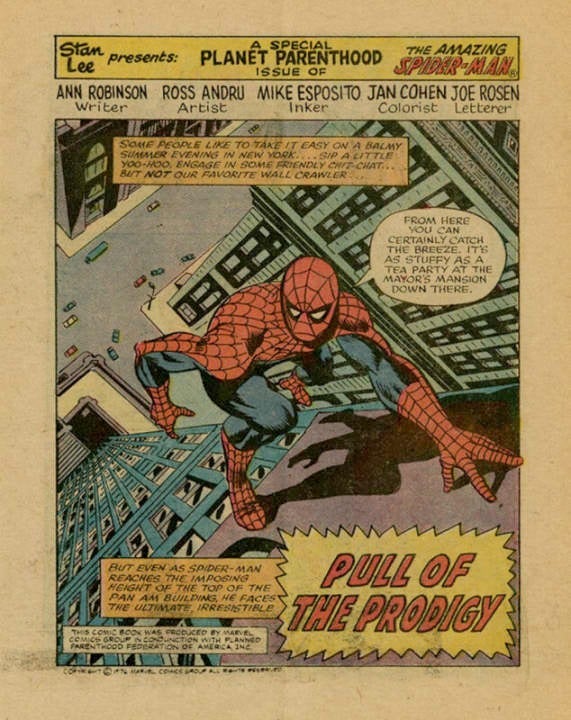
Ah, Spider-Man. The masked web-slinger, always ready to do good (and suffer emotionally along the way). Whenever Marvel had to tackle a very special episode on a sensitive topic like drug addiction, they turned to Peter Parker: no one is more reliable, fun, and kind-hearted than Spidey. Perhaps that’s why Marvel trusted him to be the protagonist of a comic… about sexual health and pregnancy prevention. Yes, you read that right. It’s pure psychedelia.
Year 1976. It was a different era, of course. In order to educate children about sensitive topics like drug addiction, various organizations organized massive crossovers with animated cartoons, comics featuring their favorite characters, or even video games that have been forgotten. That’s why, aiming to engage a youthful audience that couldn’t get enough of Spider-Man (in fact, his live-action television series began airing in 1976), a comic emerged in which he battled… a spreader of misinformation about sex.
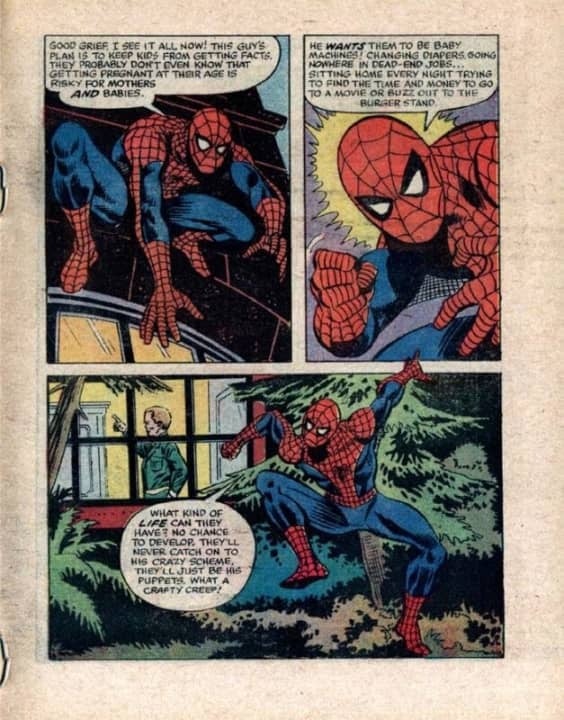
In ‘Spider-Man vs. The Prodigy,’ the web-slinger confronted an enemy who brainwashed thousands of young people and then encouraged them to have unprotected sex. Yes, you read that right. “I love it when they swallow all the nonsense I say! They really believe they can’t get pregnant before the age of fifteen, or the first time they have sex, or if they do it occasionally,” he shouts alone, ready to vocalize his intentions. Brace yourself, because it’s quite something.
The Prodigy’s plan is to fill the world with babies so he can kidnap them and take them to his planet, Intellectia, where his society focuses on the noble art of conquering planets. I don’t think he has thought this scheme through as well as he believes. The Prodigy gives a rather uncharismatic and outdated talk to the children, even for the 70s (“How are you going to prove you’re a man? How else are you going to get a man?”), and the kids rebut him by mentioning, well, there are condoms. Even with their brains brainwashed, things don’t go well for The Prodigy.
Fortunately, Spider-Man stops him in his tracks just before he can influence all the children through television. Spider-Man removes his human mask, revealing that he was an extraterrestrial all along. Spider-Man tells him that he will put an end to his plan of trapping youth in ignorance and defeats him by feeding him spider webs, proving that it’s cool to use condoms. Well done, Spidey!
On the final page, Spider-Man gives us some sexual advice, because if there’s someone we want to hear this kind of thing from, it’s a superhero like him. Well, advice like “Having a close friend or feeling attracted to someone of the same sex doesn’t mean you’re homosexual or that you will be” may not have aged well, but it was quite progressive for fifty years ago. Excelsior!
The one chosen by the LMR record company was Jackie Tavares. If his name doesn’t ring a bell, spoiler: its for a reason.
At the beginning of the 80’s Marvel had it very clear: to succeed in a competitive world that had more and more leisure offerings away from the comics, something more was needed, an extra that would make the fictional characters tangible in the real world. That’s why, when Dazzler debuted in issue 130 of ‘Uncanny X-Men’, everything seemed to change. The mutant was also a music star. So much so that she was not created per se by the comic book company, but by a record label called Casablanca Records, where she was known as Disco Queen. This is just the beginning of the madness.
As soon as she was born, Dazzler was born with a record deal and a movie under her arm, which was to star the star of the moment, Bo Derek. In fact, the character went from being African-American to resembling the actress. In the end Casablanca Records went bankrupt and there was no movie, no album, and no TV special that was supposed to introduce the character and in which Robin Williams, Donna Summer or Cher would appear as Marvel characters.
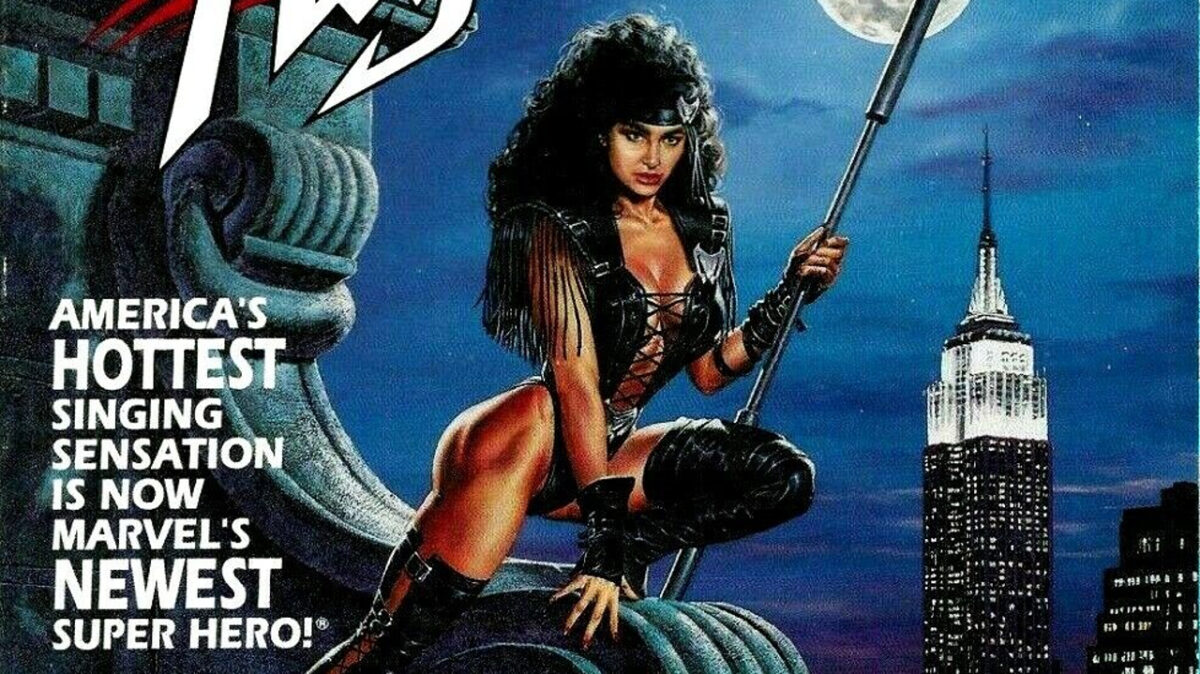
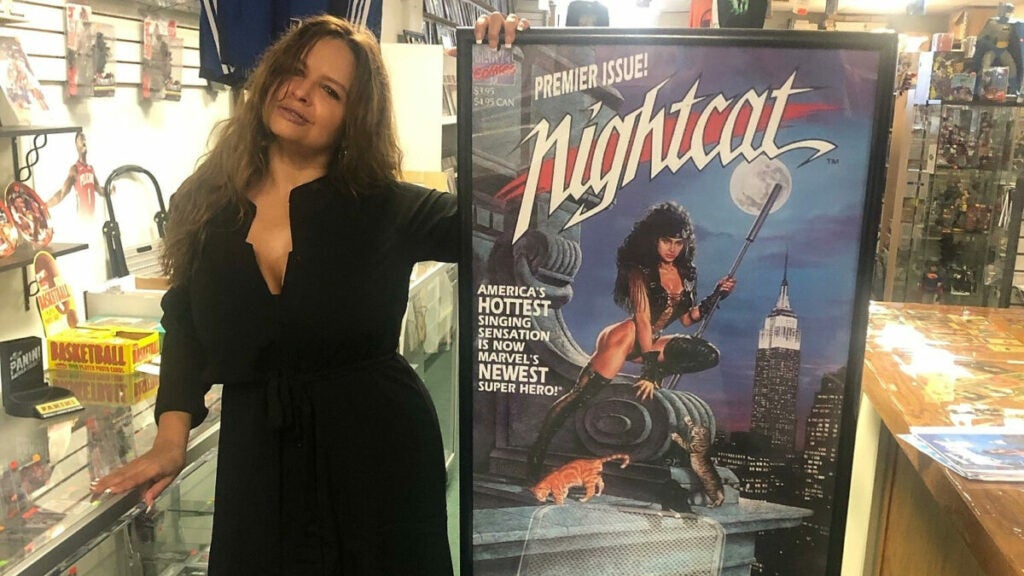
But if there’s one thing Marvel doesn’t do, it’s give up. It’s been ten years and they’re already ready to invest in another typical early ’90s multimedia adventure. This time they would do it differently: they would take a budding artist and turn her into a comic book character, instead of the other way around. The one chosen by the LMR label was Jackie Tavares. If her name doesn’t ring a bell, spoiler: it’s for a reason.
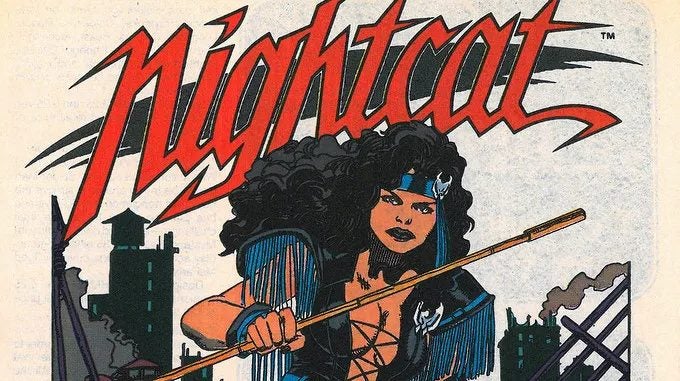
Tavares met Stan Lee, the project flourished and became, overnight, Nightcat: heroine by night, singer by day. In fact, the future star herself went to the Marvel offices to have several photos taken dressed as the superheroine in question and took the opportunity to see the first designs by Jim Lee (who would end up not drawing the comic). Her only comic book, of 52 pages, came out at the same time as the album and was promoted in different television programs. The plan was perfect, not even if it was just for the sake of pure mash-up.
Except it wasn’t. Nobody asked for more adventures of Nightcat (described as “Wolverine on a bicycle”), the album was not successful and a crossover that had been scheduled with Spiderman ended up in the trash. And that the comic ended with the phrase “The cat has only begun to prowl”. The album, meanwhile, which had songs like ‘#1 House Rule’, ‘Your love is all I need’ or ‘Say you’ll be mine’ was considered a kind of Mili Vanili. Since then, Nightcat has had a couple of background appearances and Stan Lee shut his mouth about her until the end of her days.
If there are failures that you can smell a mile away. Just tell that to DC with ‘Flash‘, right?
The terrible case of a character who was vital in comic strips and who, overnight, stopped appearing: Lyman.
Garfield looks as fresh as ever, but the truth is that the most famous cat in the world (and that’s saying something) is about to turn 50. Much has been written about him, his beginnings, where he was a secondary character in the strip ‘Jon’ or those Halloween strips where they leave the doubt of whether everything is in his head or not. But there is something that has not been invented. The terrible case of a character who was vital in the comic strips and who, overnight, stopped appearing: Lyman.
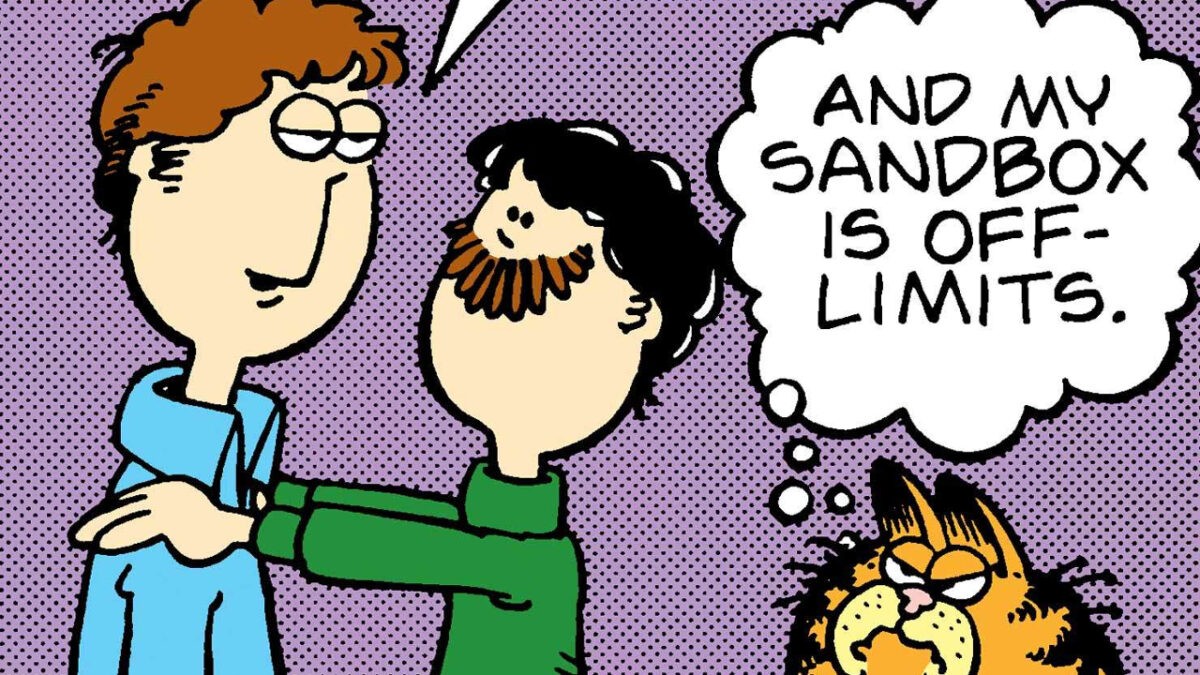
In 1976, ‘Jon’ began publication: the misadventures of a comic book artist who lived with his cat and a roommate, created exclusively so he would have someone to talk to. Lyman had his own dog, named Spot (we now know him as Odie), a profuse mustache, and was inevitably part of Jon Arbuckle and Garfield’s daily life. Until suddenly, he stopped.
From December 1981 to July 1982, Lyman stopped appearing in the strip. And little by little, his appearances became more and more sporadic until in 1983 he disappeared forever without any explanation after 69 gags. Fans have wondered for years what became of this secondary character without much charisma or importance, and Jim Davis, the author, has had enough of answering the question with jokes like “He joined the Peace Corps and no one ever heard of him again”, “He moved to San Francisco”, “He got fat and no longer fits in the cartoons” or the most widespread: “Don’t look in Jon’s basement”.
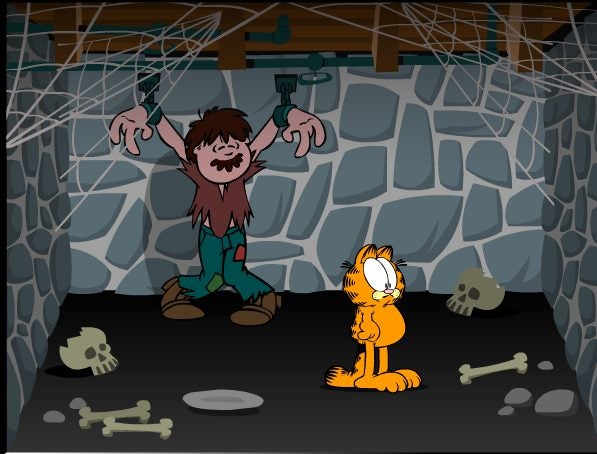
Is the protagonist of ‘Garfield’ a psychopath? Short answer: yes. Honestly. There are two web games that explain what happened to him, and they are downright creepy. In ‘Scary Scavenger Hunt’ he appears chained, precisely, in Jon’s basement, while in his second part, his head is in the kitchen oven. Wow.
If it weren’t for the fact that in 2012, the Garfield cartoon series provided a solution to the dilemma by becoming a spoiler in a quadruple episode explaining that he’s a nature photographer who went to Australia and disappeared looking for a mythological creature. If you want to believe it, sure. Isn’t this more of a smokescreen to keep us from thinking badly of Jon Arbuckle after all these years? Why did Odie, Lyman’s dog, stay with him all this time? Why aren’t more people investigating this? There we leave it. Pure cat mystery.
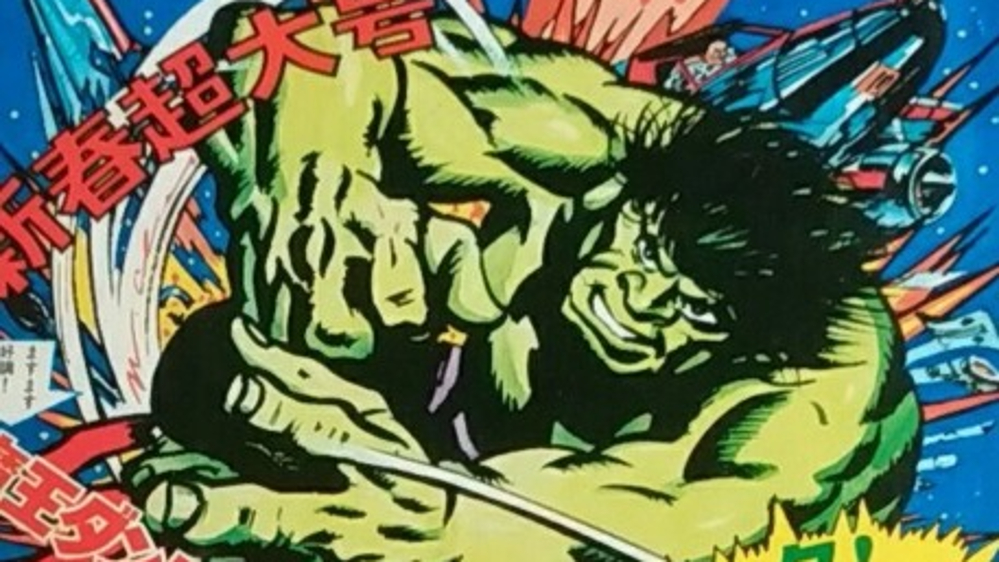
Only eight years after its creation, the Hulk was already launching his own manga preparing the Marvel landing in Japan. Only that of Bruce Banner there was little left.
Marvel has always looked to Japan, believing that there was a whole world there to develop. First it was with the tokusatsu TV series Spider-man or Battle Fever J, and then with an attempt to reach a new audience by telling new stories they would understand. In the early 70’s, Spidey tried to become a Japanese hero by changing Peter Parker for a certain Yu Komori, who was much more violent than the original. Let’s not fool ourselves: it was really a bit more of the same as the first issues of Lee and Ditko, but with a new design. Of course, at the same time, the Emerald Giant made his appearance in a manga so obscure that it has not even been attempted to be published outside the country.
Hulk was born in 1962 at the dawn of the cold war and atomic fear, and his first comics, where his gray complexion hid a kind of Doctor Jeckyll and Mister Hyde on the cheap, did not make you imagine that he would become a key character to understand the comics (and life) of the XXI century. And yet, only eight years later, he was already releasing his ownmanga in preparation for Marvel’s landing in Japan. Only Bruce Banner had very little left.
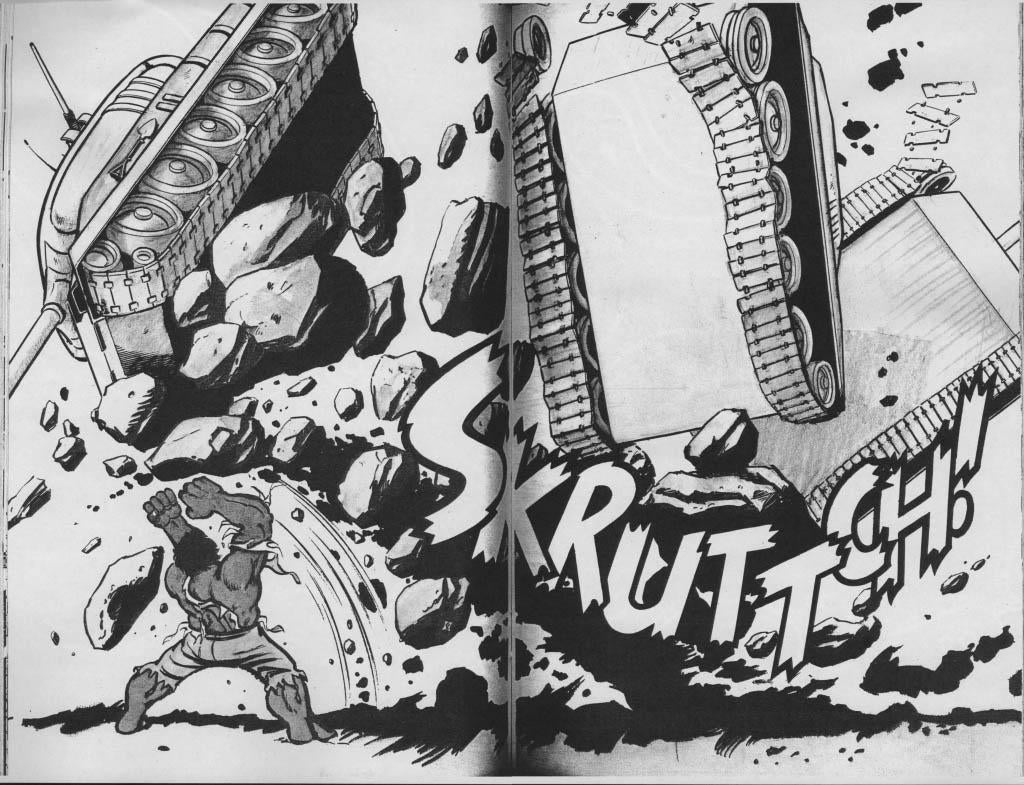
In ‘Haruku: Monsutaa Komiku’ the protagonist was Doctor Araki, a survivor of Hiroshima whose parents died in the nuclear blast. In a cluster of bad luck (and a bit of masochism), he goes to Nevada to work on the gamma bomb, where he meets Ricky Tendo (Rick Jones) and Mitsuko (Betty Ross). The story of the monster’s creation is the same, but not so much what came after.
And this Hulk cries. A lot. He rages, becomes super strong and does not stop crying over and over again, with stories similar and at the same time radically different from those written by Stan Lee in his day. And the fact is that the comic is unknown even to the company’s biggest fans. So much so, that not even in this period where the fans need to have absolutely everything has it been reissued in English, remaining a distant point in the history of the great M.
Curiously, although it could pass for a desperate commercial maneuver, behind this manga is Kazuo Koike, the author of that masterpiece that is ‘Lone Wolf and his cub‘, while the drawings, with an undeniable Tezuka-like air, are by Yoshihiro Morifuji. Morifuji took advantage of the fact that Hulk was not known in Japan to plagiarize cartoons and covers to taste, by the way, including the sound effects in English. He who doesn’t succeed is because he doesn’t want to.
Do you want to start in the hobby? We have selected ten perfect sleeves to start with. The bad thing is that you never want to leave it.
Some say that the first manga is to be found in the scrolls of the twelfth century, but the truth is that it is generally agreed that the first Japanese comic as such has its origin two hundred years ago, with the publication of ‘Hokusai manga’, by Hokusai (the author of the famous wave of Kanagawa). It consisted of unconnected drawings that had no narrative, but it established the importance that visual iconography was to be given in Japan.
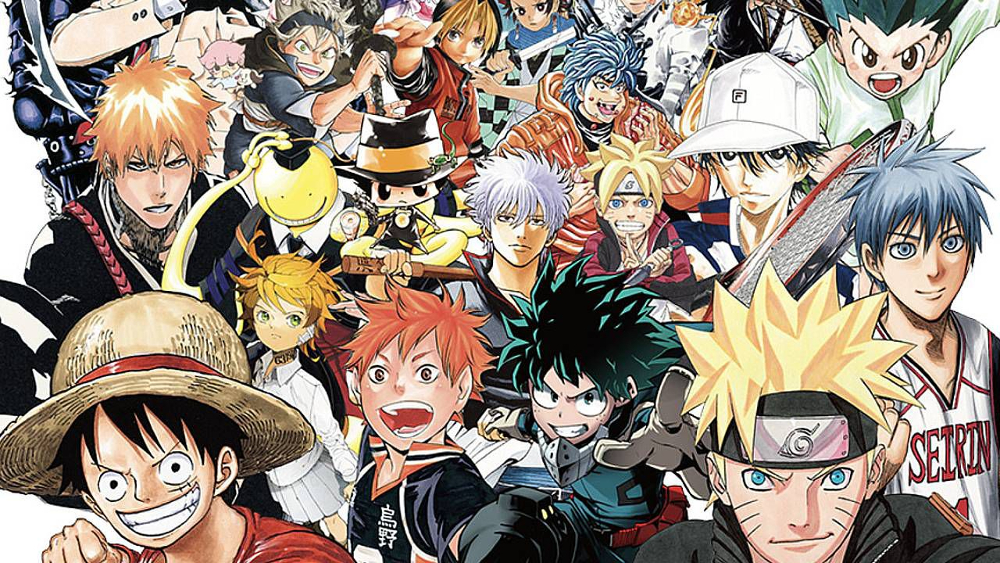
From then until now, millions of manga have been published and the otaku public is in a constant state of ferment: there are about 150 weekly or monthly magazines full of different series, which are then compiled in volumes, of which the most important ones usually reach us in Europe. We can talk all we want about Marvel, DC and independent comics, but what kids really read is here, among people with outstretched arms, high school sweethearts and people turned into chainsaws. Want to get started in the hobby? We’ve selected ten perfect manga to get you started. The bad news is that you’ll never want to quit.
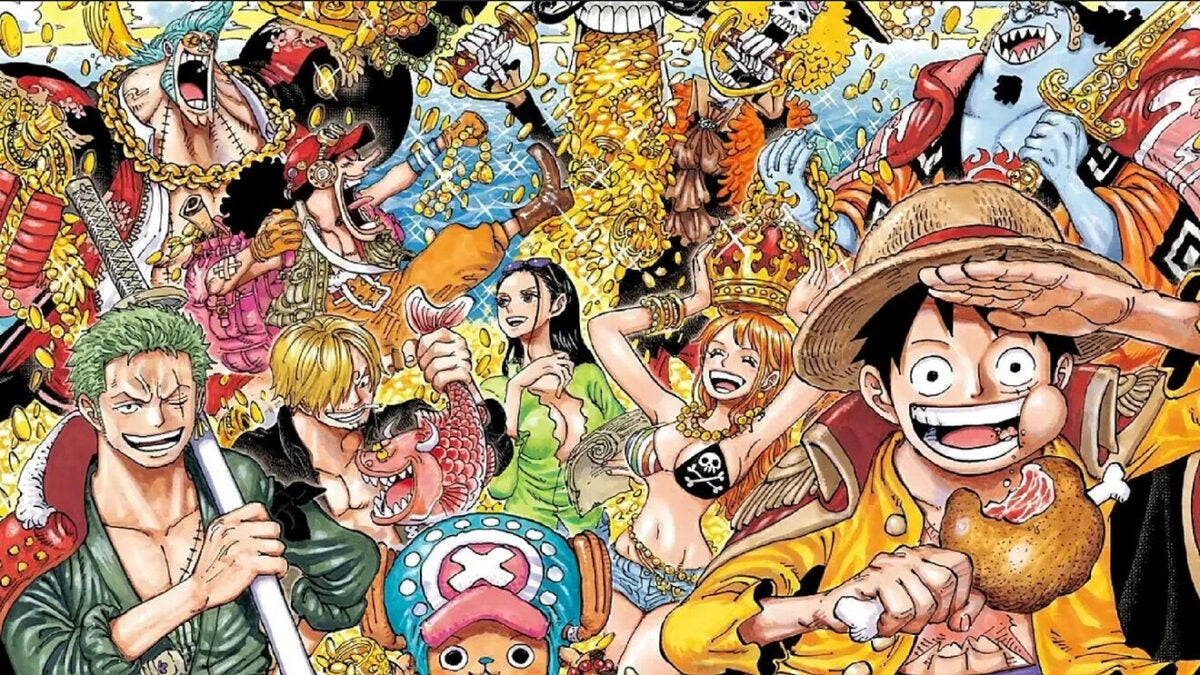
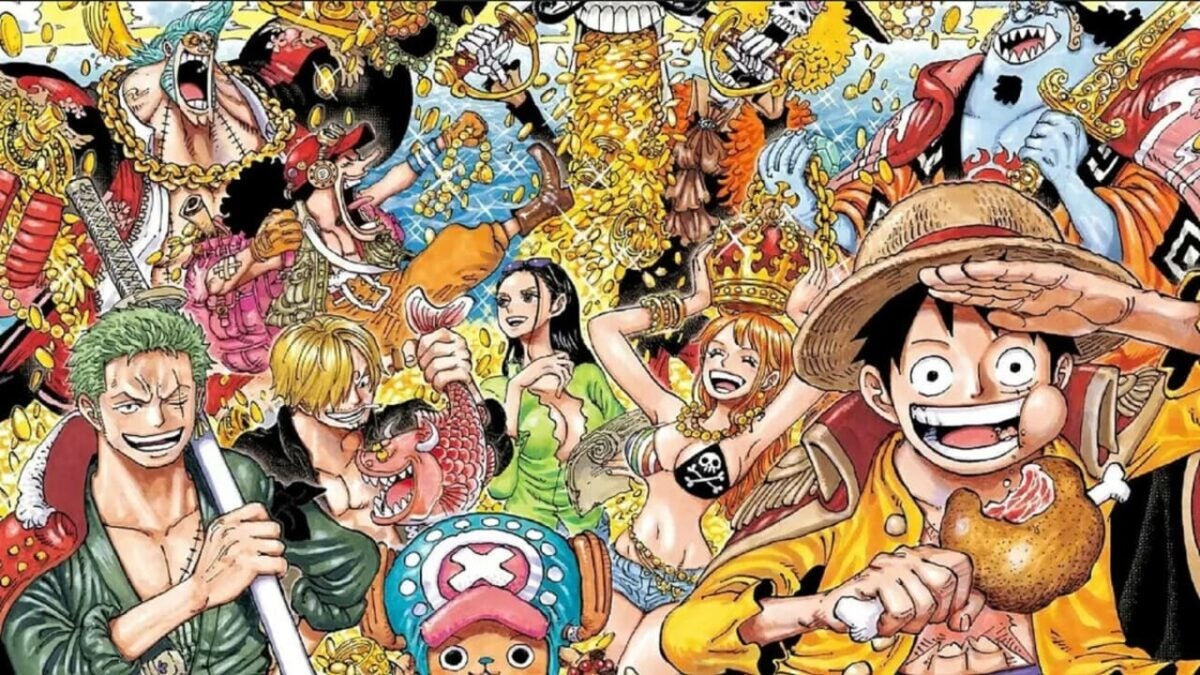
From its inception in 1997 until now, ‘One Piece‘ has become more than just the trendy shonen (for boys) manga: it is pure pop culture and one of the greatest adventures in the history of fiction. What started out as something very simple has become entangled with hundreds of characters whose lives, careers and fights are intertwined and you never know when they will become important again. Comedy, drama, fights and a lot of heart in the manga that, if you don’t feel lazy, you have to read. In Spain it is published in two different editions: one volume by volume and another one, which has just started, that joins three in one. As difficult to read as it is easy to collect.
Monster (Naoki Urasawa)
Volumes: 9
Naoki Urasawa’s work is counted by masterpieces more than by manga: ’20th century boys’, ‘Pluto’, ‘Asadora!’ and, of course, ‘Monster’, the first one that came to Spain and possibly the most remembered. A story full of folds, unexpected twists and an exquisite drawing that will surprise you. Also, in case you find it hard to read things set in Japan, you should know that almost all of its 162 episodes take place in Germany and the Czech Republic. Ah! You can find it in kanzenban (fat) volumes published by Planeta.
Adolf (Osamu Tezuka)
Volumes: 1, 2 or 5
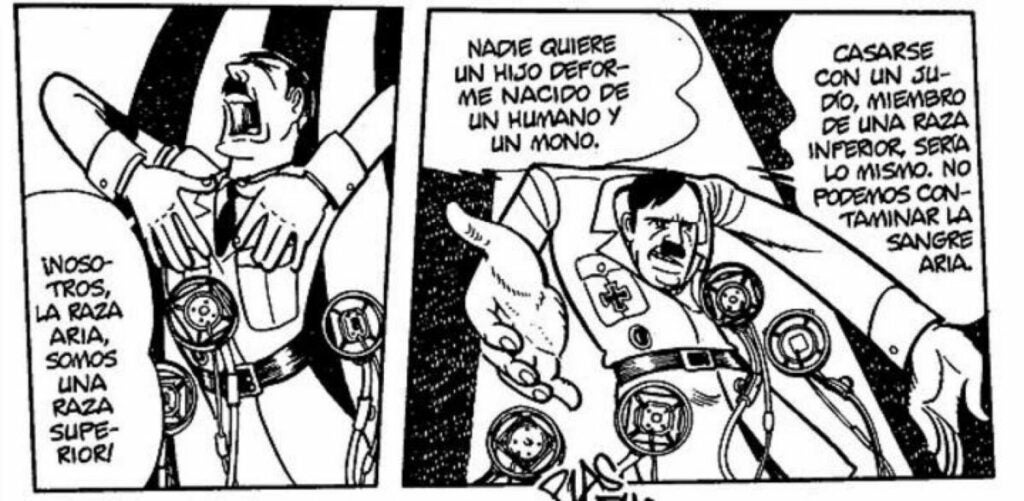
Osamu Tezuka is considered the “god of manga” and it’s not an appellation given by chance. It’s practically impossible for you to read everything he wrote and drew during his lifetime, but there is one manga in particular that you should check out as a fabulous chronicle of Nazism: ‘Adolf’ was published in the mangaka’s mature stage, in 1982, and tells the story of three different Adolfs who will have parallel lives. Including, of course, Hitler. A real pearl that you can find in full volume format, in two large volumes or five more transportable ones. You choose, but read it anyway.
Maison Ikkoku (Rumiko Takahashi)
Volumes: 10
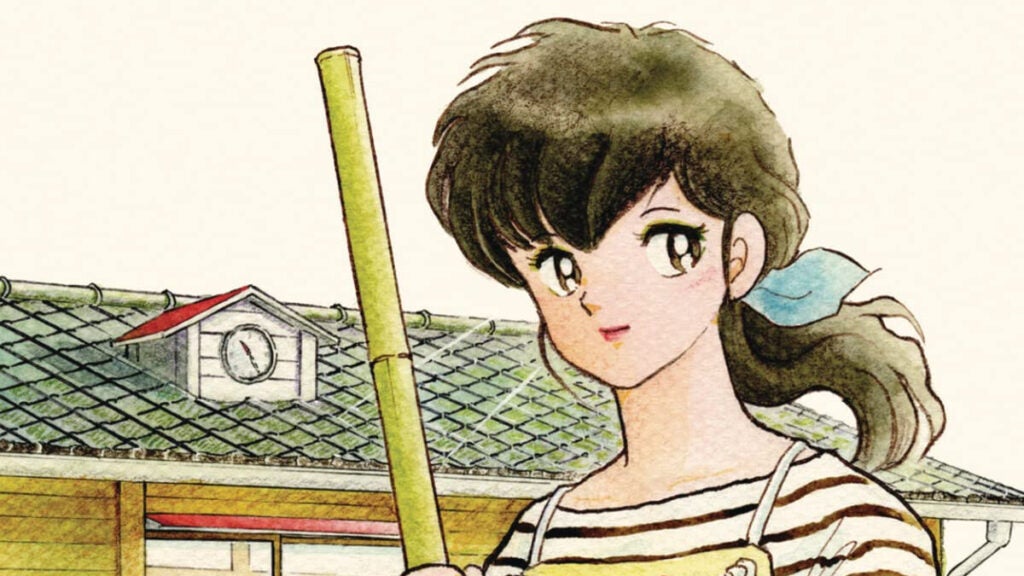
It’s hard to choose something from Rumiko Takahashi, the author of works like ‘Ranma 1/2’, ‘Inu Yasha’ or ‘Lamu’, but we’ll take one of her first titles, an adult romance manga with a lot of crazy comedy that will make you fall in love with each of the characters of that crazy house, but especially with Kyôko and Godai, who will live encounters, misunderstandings, continuous love and heartbreak until, probably, the most satisfying ending of an author who finds it hard to finish her stories. Just now it has just begun to be republished in ten large volumes, but if you are very old you may remember its first edition as ‘Juliette je t’aime’.
Video Girl Ai (Masakazu Katsura)
Volumes: 9 or 15
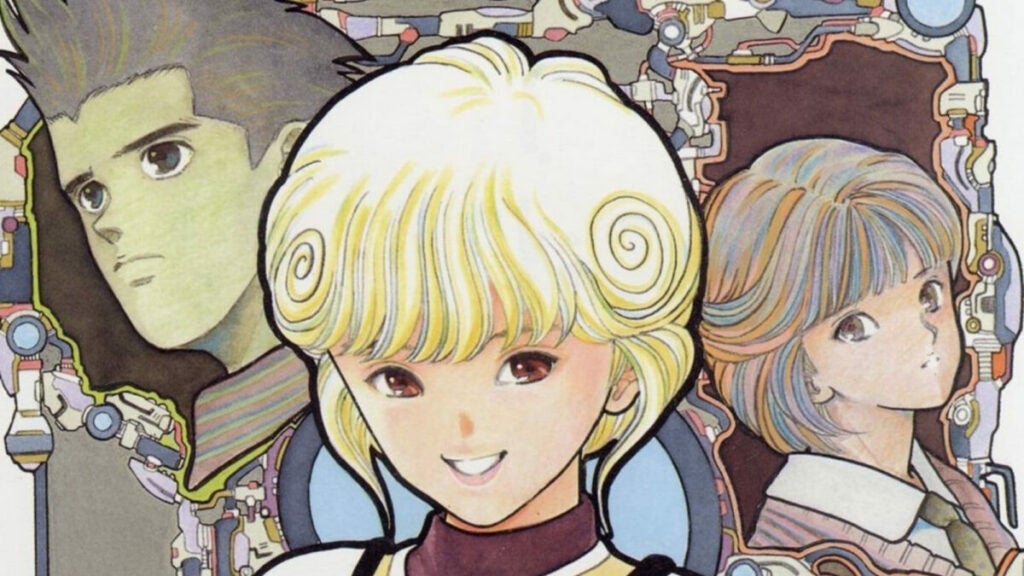
Maybe it’s because it’s the first manga I ever read, but I’ve always found a purity in ‘Video Girl Ai’ that I don’t see in other romantic shonen. Yes, it exaggerates the sexual attributes of its protagonists. Yes, it drags on a little bit. But it’s so dramatic, so adolescent, so hopelessly romantic, so racy and so funny that you just have to read it to realize what manga in the 90’s was all about in one work. If you like it, it goes together with another mythical work by Katsura, ‘I “s’. You can find it in a series of 15 volumes that came out a long time ago and included its sequel ‘Video Girl Len’ or in a reprint in 9 volumes that will begin soon by Planeta.
Good evening, Punpun (Inio Asano)
Volumes: 13
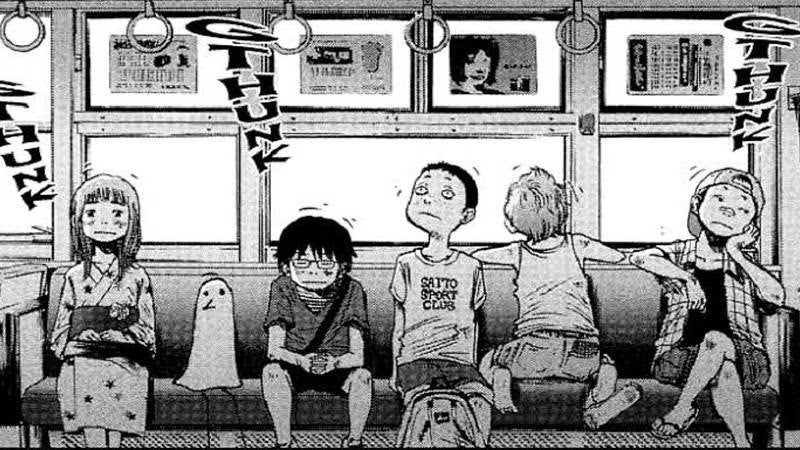
Inio Asano is one of the most interesting adult voices in manga. His are ‘Solanin’ or ‘Dead Dead Demons Dededede Destruction’: he is a specialist in, under a layer of sweetness and innocence, breaking your heart into a thousand pieces. And nowhere as in Punpun, the series about a dysfunctional character who grows from childhood to his twenties: the manga begins as the profile of a strange character in a world he doesn’t understand and ends up delving into philosophy and nihilism in an unforgettable and emotionally catastrophic final stretch. A marvel.
Uzumaki (Junji Ito)
Volumes: 1
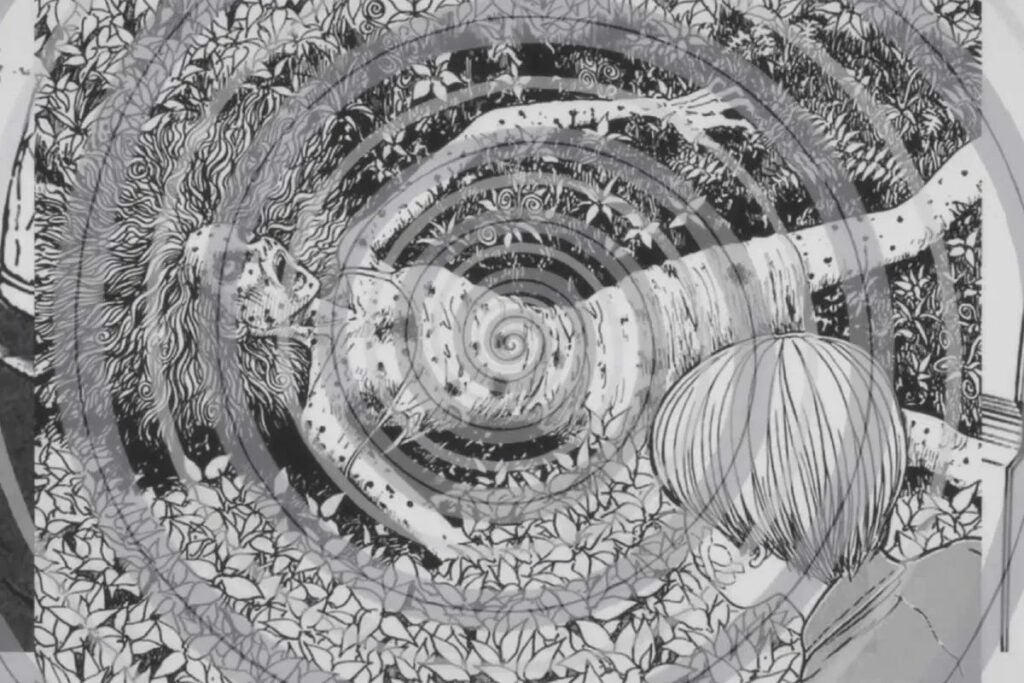
When talking about influential authors in contemporary horror, Junji Ito has to appear. His convoluted images, languid stories, threadbare characters and devastating black and white make stories like ‘Uzumaki’ authentic windows to nightmares. In a single volume (or 6 if you have the old edition) you will see a people gradually becoming obsessed with spirals until, suddenly, they are the only thing that matters in their lives….. And you will enter a state of madness from which there is no return. If you like it, don’t miss the rest of his work, published extensively over the years (but especially the terrific ‘Tomie’. You’re welcome).
My Father’s Almanac (Jiro Taniguchi)
Volumes: 1
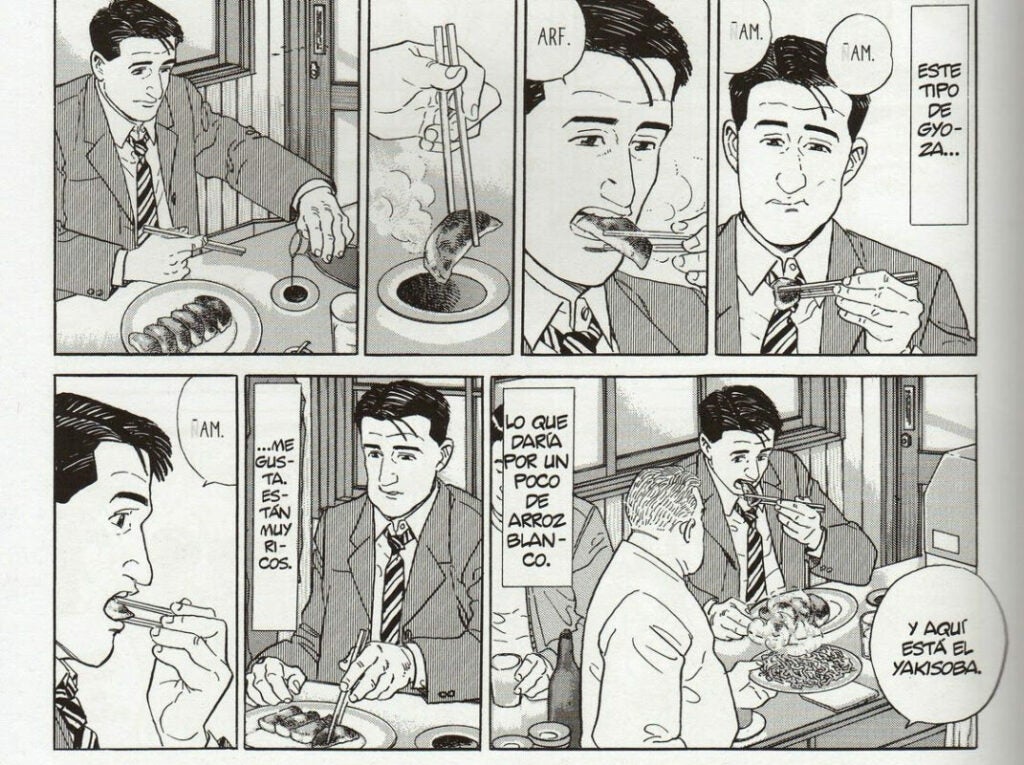
And the exact counterpoint to Ito is Jiro Taniguchi, an author focused on tranquility, landscapes, walks and melancholy who reached his masterpiece in ‘My Father’s Almanac’, a twist on nostalgia that reflects the transformation of Japan represented in a family, and in particular a father, who, like all people, is full of edges and is much more complex than he seems. If you want to delve into his work, ‘The Wayfarer’ and ‘Distant Neighborhood’ will fill you with joy and, at the same time, sadness. This is the magic of Taniguchi.
My Lesbian Experience with Loneliness (Kabi Nagata)
Volumes: 1
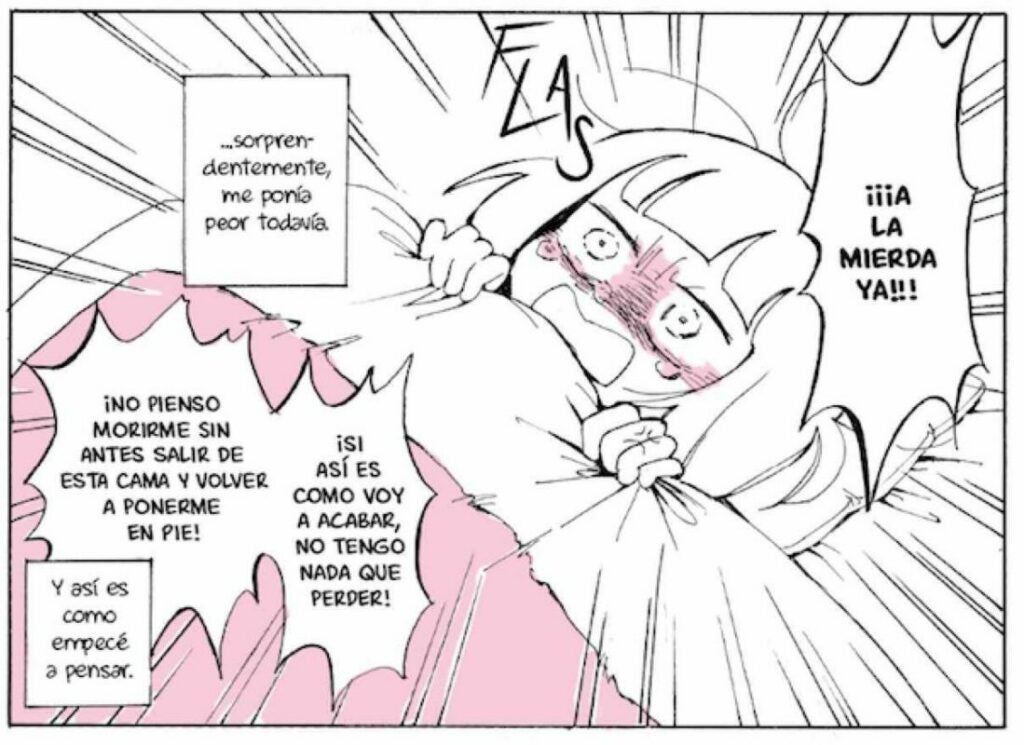
Kabi Nagata is a mangaka with mental problems who has depicted her life in several manga, the most famous of which is this one, in which she tells how she overcame her shyness to hire a lesbian prostitute… And the mistake it was. Nagata is direct, honest, funny and although she falls into self-hatred more times than we, as readers, would like to read, it is more than understandable seeing the life she tells us about. As you will probably want more after reading the volume edited by Fandogamia, you also have ‘Exchange diary (with myself)’, ‘I ended up in a rag running away from reality’ and ‘Kabi Nagata, wandering warrior’. They never reach the refreshing novelty of this volume but they are great all the same.
Yotsuba! (Kiyohiko Azuma)
Volumes: 15 (and counting)
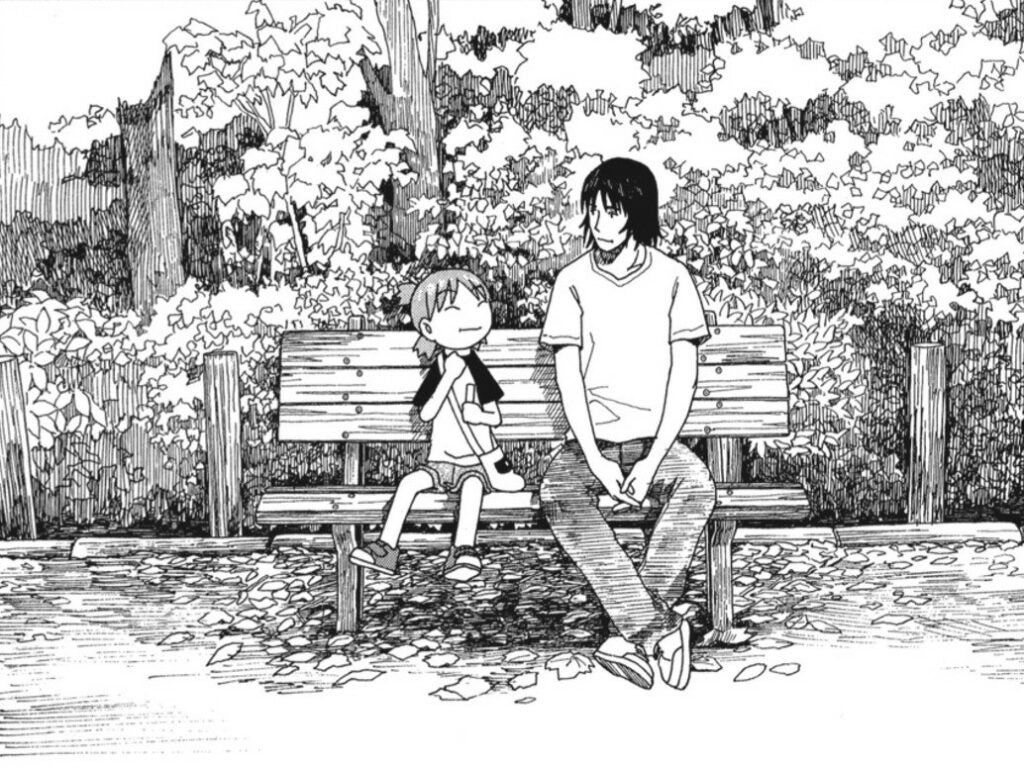
Yotsuba is a girl who discovers the world. That’s the manga. That’s all there is to it. It’s the cutest and cutest thing you’ll ever read in your life, thanks to some kind and well-defined characters, a funny and adorable drawing, Azuma’s perfect understanding of the childish mind and the absolute love that is her protagonist. There is no choice but to end up loving it. Unlike many other series, each chapter of the manga is monthly, which prevents volumes coming out at full speed. Better: it’s a chance to take life easy. Just like Yotsuba.
It is now, after almost 1100 chapters, when we finally begin to look, very distantly, at the end of the adventure.
If you don’t know ‘One Piece’ yet, it’s probably because the barrier of more than a thousand episodes is pushing you back. If you’re already a fan, you’re probably one of those who have uttered the phrase “Well, but they go by in no time, little by little you get there, it’s worth it”. Eiichiro Oda’s manga was born in the pages of Shonen Jump on July 22, 1997 and since then until today have continued to be published almost without rest. But… What if we told you that it would have ended twenty years ago?
For Oda, the story of a pirate who stretches himself and his crazy crew was not enough for more than five years: one of presentation where all the companions would join, three in Grand Line and one of the final saga. But as good as the mangaka is at telling stories, he is not good at calculating time: after 101 episodes, the group of only five crew members (out of the ten planned) managed to reach the beginning of the main adventure. It is now, after almost 1100 episodes, that we finally begin to glimpse, very distantly, the end of the adventure.
It is surprising that the creator of one of the most influential manga of all time is so absent-minded. For example, in 2003 he said that a crew member would die that year: it would happen three years later with the destruction of the Going Merry. He also wanted to kill Ace, Luffy’s brother, the same year of his appearance, and if you’ve read the manga or watched the anime you already know how the matter ended. So when he says there are only three years left for the adventure to end, it’s best to take it with a grain of salt.
Although it may surprise us when a manga exceeds 1,000 episodes, in Japan it is quite normal. For example, ‘Kobo-chan’, a strip by Masashi Ueda that has been published for forty years, exceeds 13,300, and ‘Sazae-san’, which saw its protagonist grow from 1946 to 1994, ended its run with a whopping 6,477 episodes (more than 8,000 in the anime, which is still being broadcast). It is possible that Oda’s work will eventually overtake classics like ‘Doraemon’ (1,345 issues) or ‘Detective Conan’ (1,125 so far) in length, but it remains to be seen. It will depend on the mangaka’s calculation, fight up fight down.
For the time being, we’ll settle for holding on to Luffy’s arms, shifting into fourth gear and letting ourselves be surprised until we become those people who recommend anime that anyone would take five years to watch. Or is it that only Eiichiro Oda has the right to change his mind?