The strangest and most unknown Netflix series in the world was really a test to prove that it worked

Which would you say is the most unknown series on Netflix? Which one have you seen that only you remember? Maybe El Gato Caco? Saturday Morning All-Star Hits? w/Bob and David? It doesn’t matter which one you mention, even if it only lasted one season and no one talked about it anywhere: I assure you it is significantly more popular than the series I bring you today, a true marvel for fans of the strange and the dark (and, why not, of conspiracy theories). No matter how much you turn on your streaming service, you will never see a product recommended by the algorithm […]

Which would you say is the most unknown series on Netflix? Which one have you seen that only you remember? Perhaps El Gato Caco? Saturday Morning All-Star Hits? w/Bob and David? No matter which one you mention, even if it only lasted one season and no one talked about it anywhere: I assure you it is remarkably more popular than the series I bring you today, a true marvel for fans of the strange and the dark (and, why not, of conspiracy theories). No matter how much you turn on your streaming service, you will never see a product as strange as Example Show recommended by the algorithm.

A series to set an example

Not even David Lynch would have dreamed, in his most Dada moments, of creating something of the magnitude of Example Show. But how did it come about? Let’s take a look. Back in 2010, the number of movies watched via streaming on Netflix surpassed for the first time those sent by mail on DVDs, as had been done until then. And, of course, they were already considering creating their own content: although House of Cards wouldn’t arrive until 2013, they had to conduct the necessary tests to check various parameters, and that’s how this unique and unrepeatable series was born.

In reality, the video was just something they used among themselves and the companies they worked with, a way to test Netflix. The idea was that it would never appear in the suggestions, but you could find it by searching in the bar because, after all, they also had to test that. In total, 11 minutes of absolute madness that is hard to imagine shareholders watched with total interest: a guy doing the moonwalk with a laptop in hand, running around the Netflix office with a DVD in hand and juggling balls. What more could you ask for from a series?

Ah! And if you turn on the English subtitles, you will only see the phrase “You shouldn’t cry in baseball,” which is from the movie A League of Their Own. And you might wonder: Does it refer to the classic from 1992 with Geena Davis and Tom Hanks? The answer, of course, is “no,” but that doesn’t mean there aren’t references to pop culture when our protagonist (credited as “Actor”) delivers a monologue from Shakespeare. Specifically, from Julius Caesar, before starting to make grunting noises at the camera. Eh, I’ve seen much worse things at festivals.

Example Show has received all kinds of tributes on the Internet, but unfortunately Netflix has not wanted to give it a new season. What is true is that there are countless of these videos, all starring the same person. In fact, some say that on the loneliest nights, when you are completely bored and lost in thought in front of the television, this type of video is perfect to keep going, or to have in the background while you hang out with friends, as an archaeological curiosity.

For example, one of them, with a much less fun name, is Example Mixed FN Show en-US, consisting of four episodes, each testing a different feature (with integrated subtitles, in the original language, etc.). What is its description? It couldn’t be anything else: “An example of a show” repeated six times. If you’re a conspiracy theorist, you can probably extract enough nonsense from this to drive anyone on Reddit crazy. If not, you now have fun for the next few weeks: collecting all the example videos is a hobby like any other! Or, at least, given my future and my new audiovisual obsession, I hope so.


What would you do if you won 7 euros in the lottery? There’s a person who bought a trip to Barbados for their entire family

He obviously went out of his way and bought a trip to Barbados for his entire family after a sleepless night due to excitement. Spoiler: I had won 7 measly euros.

On May 8, 2023, Dean Smethurst, a citizen of the United Kingdom, went to check, as usual, if his lottery ticket, the one he bought every week at Tesco, the English supermarket chain, had won. To his surprise, he found out that not only had he won, but he was also preparing to receive a massive amount of money. Obviously, he went all out and bought a trip to Barbados for his entire family after a sleepless night filled with excitement. Spoiler alert: he had won a measly 7 euros.

TuLotero DOWNLOAD

If you dream, lotteries

The story is a bit more complex, of course. It’s not that Smethurst didn’t have reasons to think he had hit the jackpot. When the man went to check his ticket at Tesco, the response was that he had won, but they couldn’t pay him right there. Instead, he would have to contact Camelot, the company responsible for awarding prizes.

On Camelot’s website, he discovered that such instructions are usually given only if you have won at least £50,000. So, our hero, who had been playing the lottery unsuccessfully for six years, called everyone to share the good news: he finally had money for all the whims he desired. Joy, excitement. But, as it was already late, there was no one on the other end of the phone at Camelot to confirm the exact amount of money he had accumulated.

He decided that the fortune would go to two things: first, fixing his house completely. Second, inviting his family on a luxurious trip to Barbados. He could have checked the numbers himself, but he decided to make impulsive decisions instead. The next day, he was told what he had won: three free plays worth… 6 pounds.

So, what actually happened? Well, it turns out he had bought two tickets for two different draws, and one of them was happening at that moment, so to avoid confusion, the machine sent that automated message. Well then. Let’s hope Dean has a good time in Barbados. He doesn’t have much of a choice now.

TuLotero DOWNLOAD

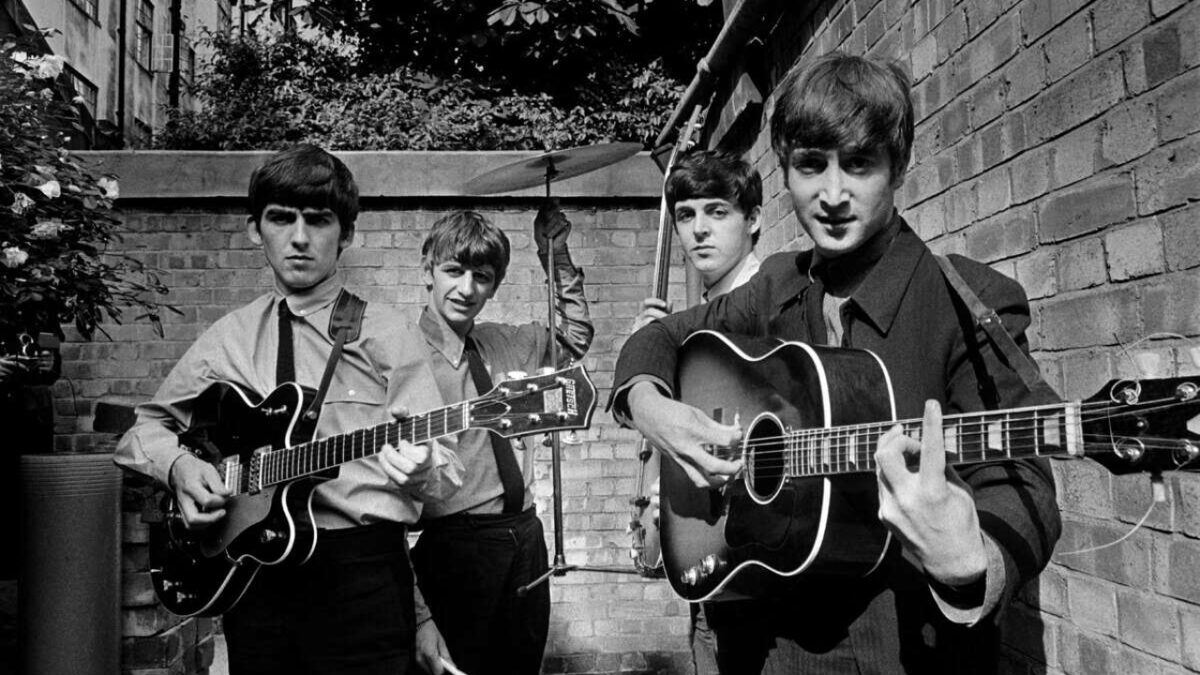
Unveiling The Beatles’ Unsung Heroes: The Neglected Duo of the Iconic Band

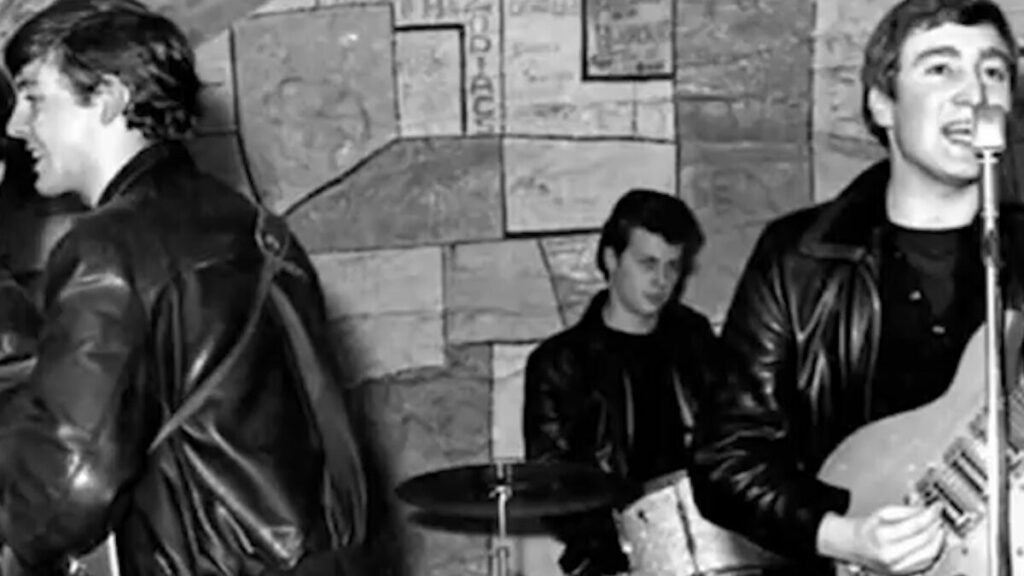
Today we are going to talk about the two members of the most famous group in history that time forgot: Pete Best and Stuart Sutcliffe.

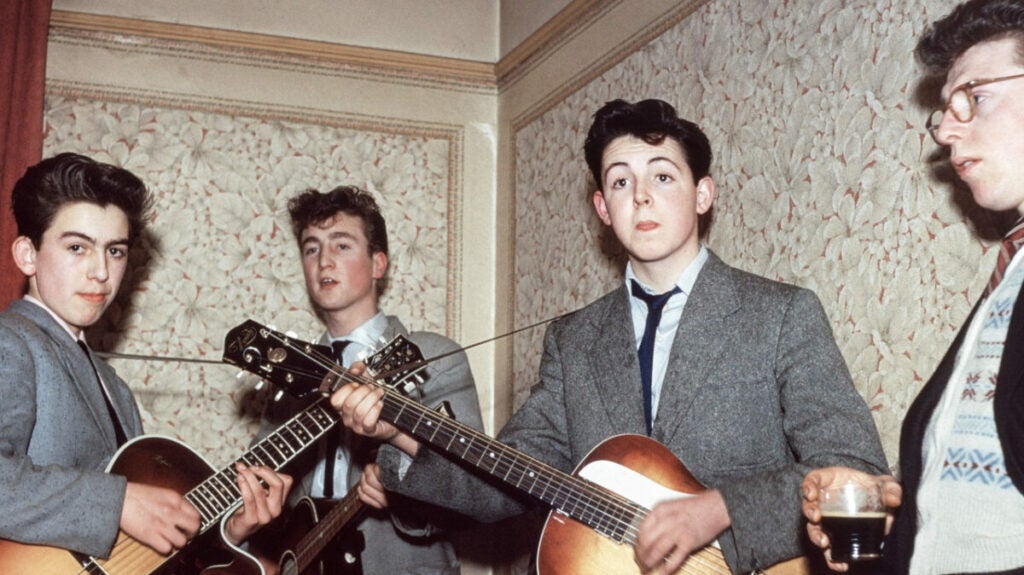
The BTS of the 1960s. They only lasted ten years, but they forged a legend that lasted forever in the world of music: John Lennon, Paul McCartney, Ringo Starr and George Harrison were The Beatles, who need no introduction. Or, on the face of it, maybe they do. Because before this quartet dedicated themselves to triumph wherever they went, there were two other people who remained at the gates of stardom. Today we are going to talk about the two members of the most famous group in history that time forgot: Pete Best and Stuart Sutcliffe.

Spotify DOWNLOAD

Before the star

When The Beatles began to emerge, even before they had their official name (they called themselves Beatlas or Silver Beetles, as a tribute to Buddy Holly’s group, The Crickets), the quartet was a quintet. Originally the bass player was none other than Stuart Sutcliffe, a personal friend of John Lennon’s who accompanied them in their first rehearsals and on their first tour of Hamburg bars in Germany… until he fell in love.

Between gigs, Sutcliffe met Astrid Kirchherr, a 22-year-old photographer with whom he fell madly in love. In fact, in just three months they were already proposed in marriage, he left The Beatles and devoted himself to studying art in Hamburg for the rest of his days. Which, sadly, were not many: on April 10, 1962, the fifth Beatle died of a cerebral hemorrhage in Kirchherr’s arms.

The photographer’s life never stopped being linked to The Beatles: she took the behind-the-scenes photos for ‘What a night that day’ and ended up married to Gibson Kemp, the drummer who replaced Ringo Starr when he left his original band (Rory Storm and The Hurricanes) to go with the beats of the day. But, by the way, who did Starr replace in The Beatles?

We go back to the Hamburg tour, when they were still a musical quintet… looking for a fifth member. And the fact is that none of the drummers they tried out worked out until, finally, they found someone who had the necessary qualities (to exist and to want to play with them): a certain Peter Best. If his surname said so, there was a reason, wasn’t there? Best joined The Beatles the night before their first concert in Hamburg and would accompany them for two years.

In fact, he was the only one who spoke German, so he became a key part of the team on that 1960 tour, especially since his mother served as semi-manager: she was the one who chose their accommodations from Liverpool and who got his equipment back after he stayed in a bar in Hamburg. How did they pay him back? Well… by kicking him out. Because his style was too noisy: during the recording of his first album, his manager decided to change his track to someone more experienced.

When the rest of the group found out what had happened, they got nervous and decided to ask their manager to fire him. And it cost him. Boy, did it cost him. Imagine the situation for a moment: Best was the most popular Beatle at the time, helped win fans and was absolutely charming. Of course, charming doesn’t mean dumb, and on the day of his last concert, August 16, 1962, he didn’t even show up.

What happened next you already know: Ringo Starr became the fourth Beatle and his success went beyond the stars. But what became of Best? The three members of the group have regretted several times the way they kicked him out and he, already in 1968 and after a suicide attempt, had no interest in talking about the group. In fact, he retired from show business and lived his life until twenty years later, in 1988, he founded the Pete Best Band. Now? He’s married to a Beatles fan, has two daughters, four grandchildren… and is happy. All you need is love.

Spotify DOWNLOAD

Some of the links added in the article are part of affiliate campaigns and may represent benefits for Softonic.

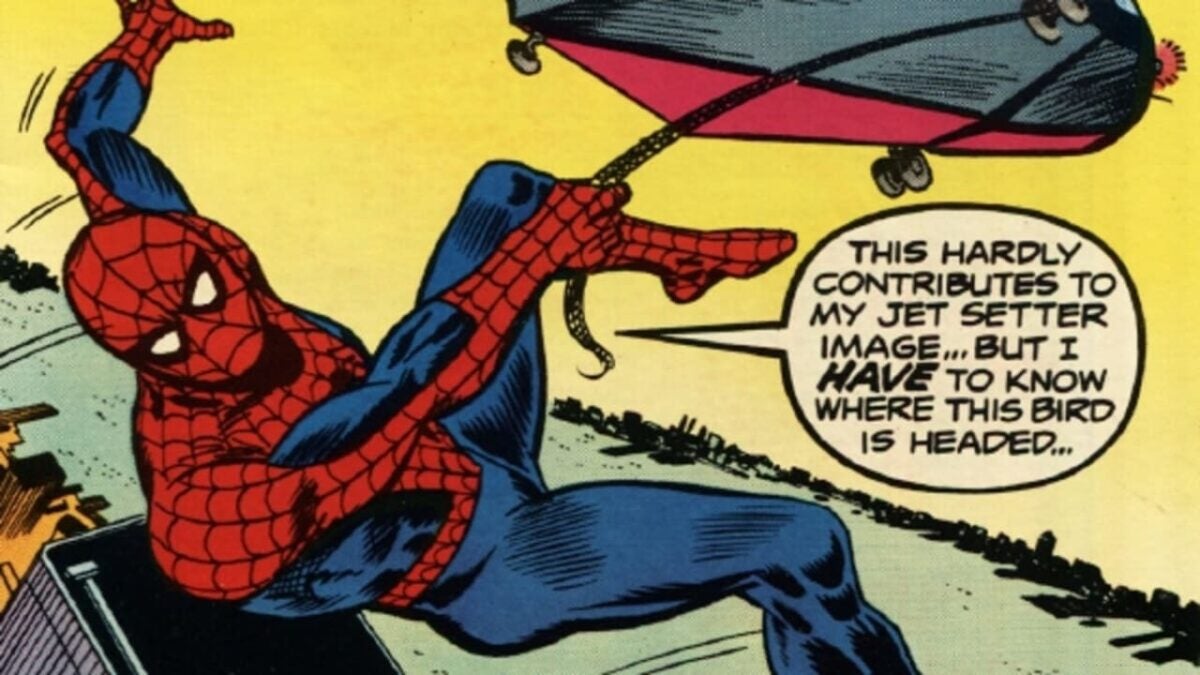
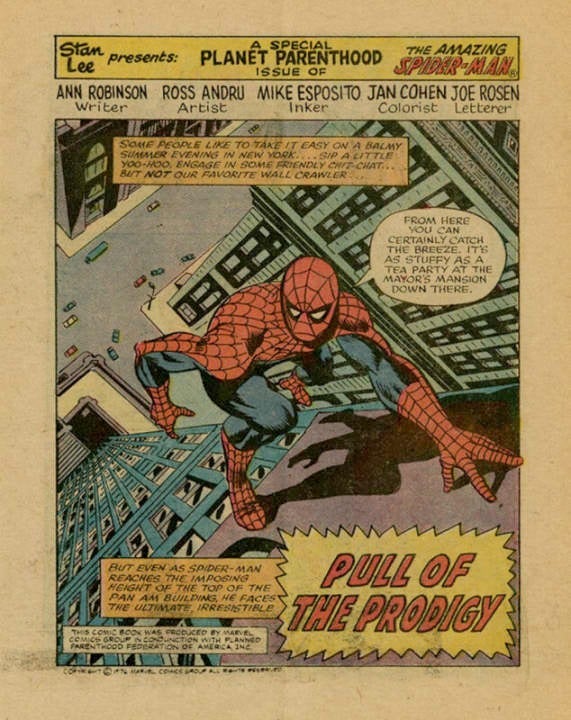
Spidey’s Unexpected PSA: When Spider-Man Encouraged Teenagers to Practice Safe Sex

Maybe that’s why Marvel trusted him to be the protagonist of a comic… about sexual health and pregnancy prevention. Yes. As is. Pure psychedelia.

Ah, Spider-Man. The masked web-slinger, always ready to do good (and suffer emotionally along the way). Whenever Marvel had to tackle a very special episode on a sensitive topic like drug addiction, they turned to Peter Parker: no one is more reliable, fun, and kind-hearted than Spidey. Perhaps that’s why Marvel trusted him to be the protagonist of a comic… about sexual health and pregnancy prevention. Yes, you read that right. It’s pure psychedelia.

Marvel Unlimited DOWNLOAD

The nets are not valid as a preservative

Year 1976. It was a different era, of course. In order to educate children about sensitive topics like drug addiction, various organizations organized massive crossovers with animated cartoons, comics featuring their favorite characters, or even video games that have been forgotten. That’s why, aiming to engage a youthful audience that couldn’t get enough of Spider-Man (in fact, his live-action television series began airing in 1976), a comic emerged in which he battled… a spreader of misinformation about sex.

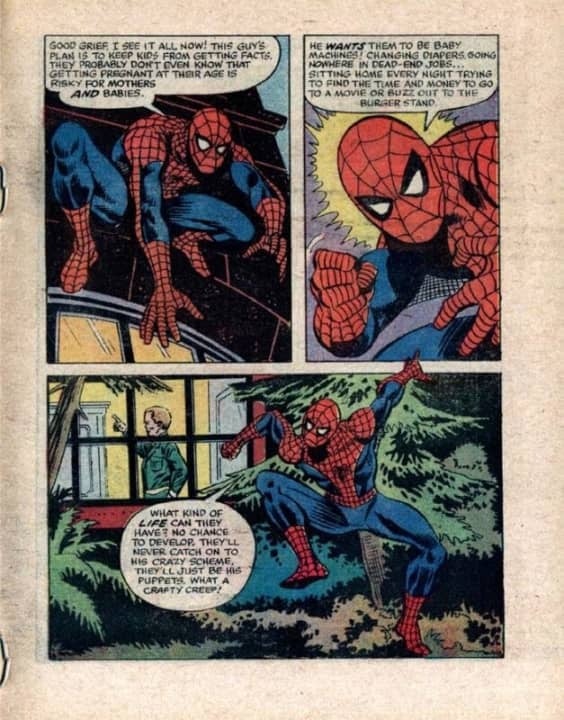
In ‘Spider-Man vs. The Prodigy,’ the web-slinger confronted an enemy who brainwashed thousands of young people and then encouraged them to have unprotected sex. Yes, you read that right. “I love it when they swallow all the nonsense I say! They really believe they can’t get pregnant before the age of fifteen, or the first time they have sex, or if they do it occasionally,” he shouts alone, ready to vocalize his intentions. Brace yourself, because it’s quite something.

The Prodigy’s plan is to fill the world with babies so he can kidnap them and take them to his planet, Intellectia, where his society focuses on the noble art of conquering planets. I don’t think he has thought this scheme through as well as he believes. The Prodigy gives a rather uncharismatic and outdated talk to the children, even for the 70s (“How are you going to prove you’re a man? How else are you going to get a man?”), and the kids rebut him by mentioning, well, there are condoms. Even with their brains brainwashed, things don’t go well for The Prodigy.

Fortunately, Spider-Man stops him in his tracks just before he can influence all the children through television. Spider-Man removes his human mask, revealing that he was an extraterrestrial all along. Spider-Man tells him that he will put an end to his plan of trapping youth in ignorance and defeats him by feeding him spider webs, proving that it’s cool to use condoms. Well done, Spidey!

On the final page, Spider-Man gives us some sexual advice, because if there’s someone we want to hear this kind of thing from, it’s a superhero like him. Well, advice like “Having a close friend or feeling attracted to someone of the same sex doesn’t mean you’re homosexual or that you will be” may not have aged well, but it was quite progressive for fifty years ago. Excelsior!

Marvel Unlimited DOWNLOAD

Some of the links added in the article are part of affiliate campaigns and may represent benefits for Softonic.

Garfield: The Feline Psychopath? Startling Revelations About the Iconic Character

The terrible case of a character who was vital in comic strips and who, overnight, stopped appearing: Lyman.

Garfield looks as fresh as ever, but the truth is that the most famous cat in the world (and that’s saying something) is about to turn 50. Much has been written about him, his beginnings, where he was a secondary character in the strip ‘Jon’ or those Halloween strips where they leave the doubt of whether everything is in his head or not. But there is something that has not been invented. The terrible case of a character who was vital in the comic strips and who, overnight, stopped appearing: Lyman.

Garfield Karting DOWNLOAD
Garfield and his friends sign up for kart racing

Creepygarfield

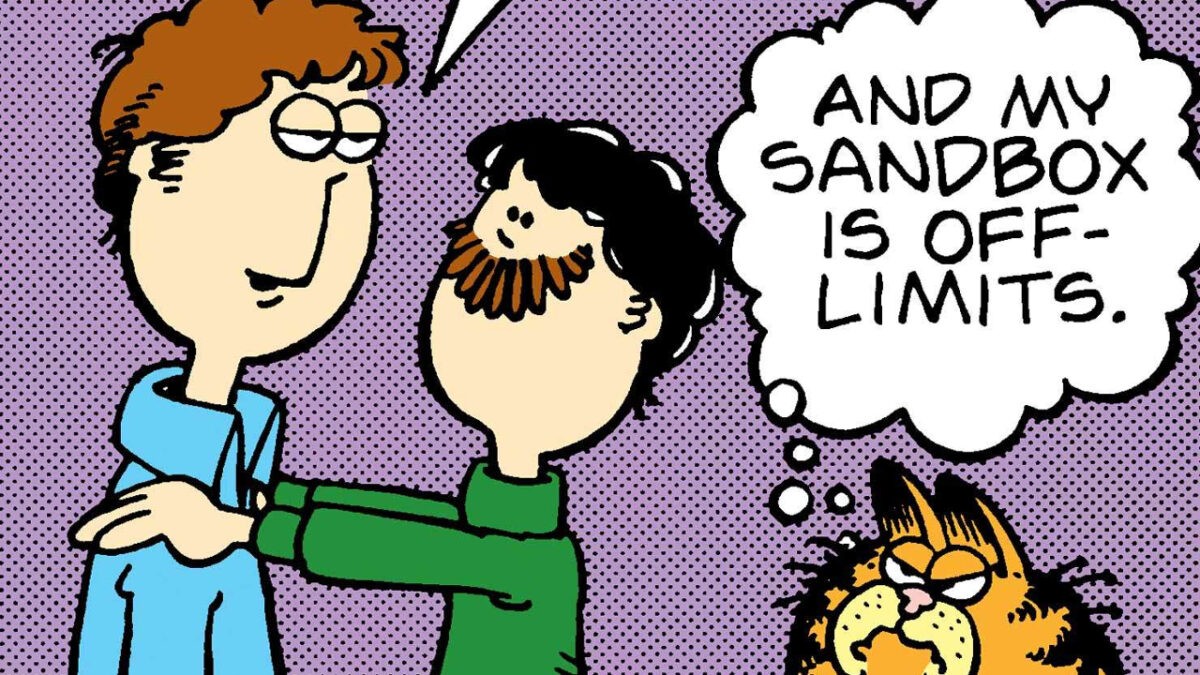
In 1976, ‘Jon’ began publication: the misadventures of a comic book artist who lived with his cat and a roommate, created exclusively so he would have someone to talk to. Lyman had his own dog, named Spot (we now know him as Odie), a profuse mustache, and was inevitably part of Jon Arbuckle and Garfield’s daily life. Until suddenly, he stopped.

From December 1981 to July 1982, Lyman stopped appearing in the strip. And little by little, his appearances became more and more sporadic until in 1983 he disappeared forever without any explanation after 69 gags. Fans have wondered for years what became of this secondary character without much charisma or importance, and Jim Davis, the author, has had enough of answering the question with jokes like “He joined the Peace Corps and no one ever heard of him again”, “He moved to San Francisco”, “He got fat and no longer fits in the cartoons” or the most widespread: “Don’t look in Jon’s basement”.

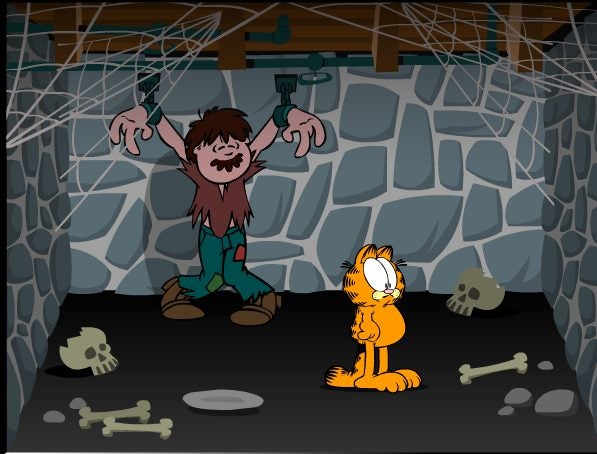
Is the protagonist of ‘Garfield’ a psychopath? Short answer: yes. Honestly. There are two web games that explain what happened to him, and they are downright creepy. In ‘Scary Scavenger Hunt’ he appears chained, precisely, in Jon’s basement, while in his second part, his head is in the kitchen oven. Wow.

If it weren’t for the fact that in 2012, the Garfield cartoon series provided a solution to the dilemma by becoming a spoiler in a quadruple episode explaining that he’s a nature photographer who went to Australia and disappeared looking for a mythological creature. If you want to believe it, sure. Isn’t this more of a smokescreen to keep us from thinking badly of Jon Arbuckle after all these years? Why did Odie, Lyman’s dog, stay with him all this time? Why aren’t more people investigating this? There we leave it. Pure cat mystery.

Garfield Karting DOWNLOAD
Garfield and his friends sign up for kart racing

Some of the links added in the article are part of affiliate campaigns and may represent benefits for Softonic.

The Unbelievable Story of a Frisbee’s Fate: From Creator’s Incineration to Soaring as a Flying Disc

But whatever, you don’t play Pluto Platter in the summer, you play frisbee, right? Well, you owe it to the Yale college kids.

It all started with a 19-year-old couple playing catch with a lid on the beaches of Los Angeles, and it ended up becoming a global phenomenon. It was 1939, and Walter Frederick Morrison had just married Lucille Eleanor Nay. They were the typical young American couple who laughed, played, and enjoyed inventing games like throwing and catching the mold of a pie. When a man offered them 25 cents to join in, they realized there was something more. That “something” translated to “money,” of course.

MyFitnessPal DOWNLOAD

From flying saucers to frisbees

In fact, the couple started a business called “Flying Pie Pans” with the idea that if they bought them for five cents in the store and could resell them for five times more, they would make a profit. And things were going well for them until World War II broke out. Walter joined the war effort, ended up being a prisoner for 48 days, and upon returning home, he continued with the business. Well, sort of.

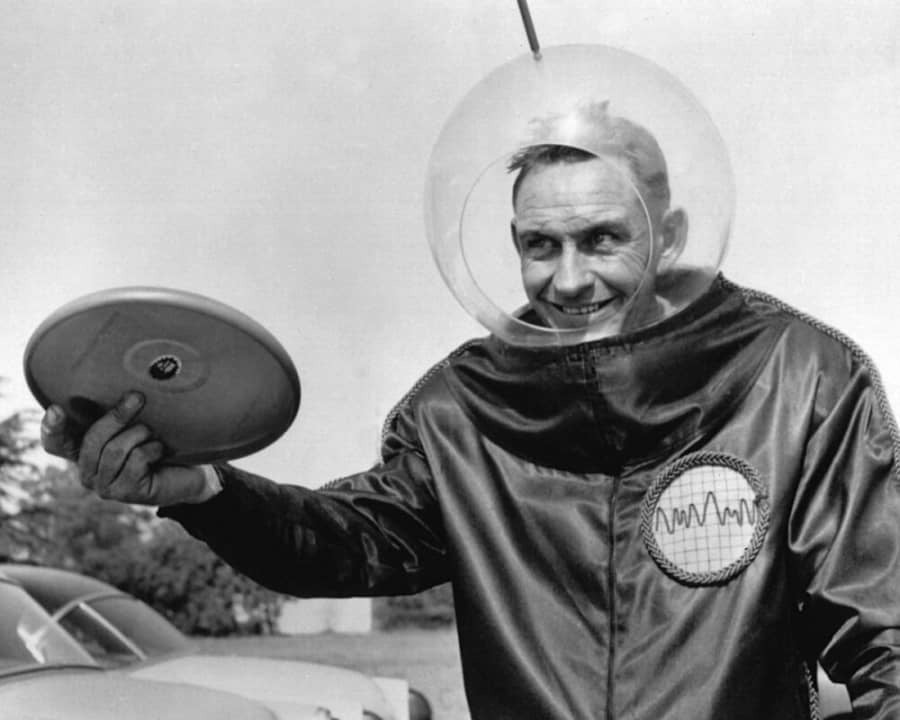
During the war, Walter had learned a thing or two about aerodynamics, enough to realize that pie pans weren’t the way to go. He created a prototype called the Whirlo-Way, later renamed the Flying Saucer. It was an absolute failure, but that didn’t deter him from the idea of a flying disc. He was a man with a fixed idea. In 1955, along with his partner, they manufactured the Pluto Platter, which they marketed with astronaut-themed attire, capitalizing on the space trend of the mid-1950s—rockets, spaceships, and astronauts were all the rage at the time.

But for some reason, during the summer, you don’t play with a Pluto Platter, you play with a Frisbee, right? Well, you can thank the students of Yale for that. In the absence of Frisbees, they were throwing – get this – Frisbie Pie Company pie tins (which, by the way, still exists to this day, barely standing since 1871). Twenty years after that young couple in love threw pie tins on a beach in Los Angeles, those same tins gave birth to the Frisbee. It became such a success that there were even songs, musicals, and professional leagues dedicated to it.

Ed Headrick was the person in charge of organizing everything related to the sport of Frisbee, which skyrocketed sales to this day. It was such a big deal that when Headrick passed away, he was cremated and turned into a few commemorative Frisbees that were given to family and close friends. The kind of Frisbee you hesitate to throw for your dog to catch during the summer, just in case.

In the end, Walter and Lu separated twice and got married twice more. They had two children and invented more things, although not with as much success. It just goes to show that the best inventions often arise from love, even if it’s a flying plastic disc!

MyFitnessPal DOWNLOAD

Some of the links added in the article are part of affiliate campaigns and may represent benefits for Softonic.

Proof in Lyrics: La Oreja de Van Gogh’s Revelation that Confirms You’re Older

It's a shame that Amaia Montero left La Oreja de Van Gogh, but well, it hasn’t been that long, has it? At any moment it comes back and they let the new one go. The new one, right? New?

Surely you remember those summers with the pop music of the people from San Sebastian in the background, right? If we start singing “Por eso esperaba con la carita empapada” we’ll probably have a pathetic three-minute soliloquy trying to reach Amaia Montero’s high notes. It’s a shame she left La Oreja de Van Gogh, but hey, it wasn’t that long ago, was it? Any minute now he’ll be back and they’ll let the new one go. The new one, right? New?

Spotify DOWNLOAD

Doing the math

Just as you’ve been calling ‘The Simpsons’ “new episodes” since season 12, your head is playing tricks on you with La Oreja de Van Gogh. And we’ve got facts you’re not going to like. In 1996, a band that played covers of U2 and Nirvana was looking for a singer: that’s how Amaia Montero started. ‘Dile al sol’, the first album, appeared in 1998. Keep these dates, because we imagine you can sense what’s coming next.

On November 19, 2007, Amaia said goodbye to her career within the group to try her luck as a soloist with a statement in which she said she loved the rest of the group “like brothers”. She, queen of pop, years later would change her mind on Twitter saying “Almost 13 years dodging the million dollar question that everyone asks me… And when I tell what could not even be the prologue… They shoot me dead”.

In any case, on July 14, 2008, Leire Martinez, who participated in ‘Factor X’ and had a different tone of voice but at the same time was very much in line with the new vision of the group.

A las cinco en el Astoria’ is, and don’t let Amaia’s fans hit me, one of the best albums of the group, and never sufficiently recognized. Leire started off on the right foot and, although many said she would not last, the truth is that even now she is still playing with Xabi, Pablo, Álvaro and Haritz. Let’s do the math: Amaia spent eleven years as vocalist. Leire is going on fifteen. Oops.

If you’re one of those people who say “Ten years ago, right, in ’95” right now you’re holding your hands over your head. The best thing you can do? Accept reality and sing all those songs you still don’t know. Hey, renew or die. The sirens have already gone far away from San Sebastian…

Barbie’s Most Controversial Moments: A Look at Pregnancies, Machismo, and Anorexia Controversies

At the gates of seeing Margot Robbie starring in the movie we all deserve, we review the eight most controversial Barbies in history! I assure you that you do not expect them.

March 9, 1959. Without knowing it, the world was about to change thanks to (or because of) a doll. Barbie has been everything during her almost 65 years of life: feminist icon, simplistic stereotype, astronaut… Under the slogan “Be what you want to be”, thousands of different models of the doll and her gang have tried their luck in the tempestuous market. However, not all of them have ended up succeeding. Wherever Barbie steps, no one is left indifferent. On the verge of seeing Margot Robbie starring in the movie we all deserve, we review the eight most controversial Barbies in history! I assure you that you do not expect them.

/

Barbie Dreamhouse Adventures DOWNLOAD
A fun and simple game for Barbie fans

8-Teen Talk Barbie

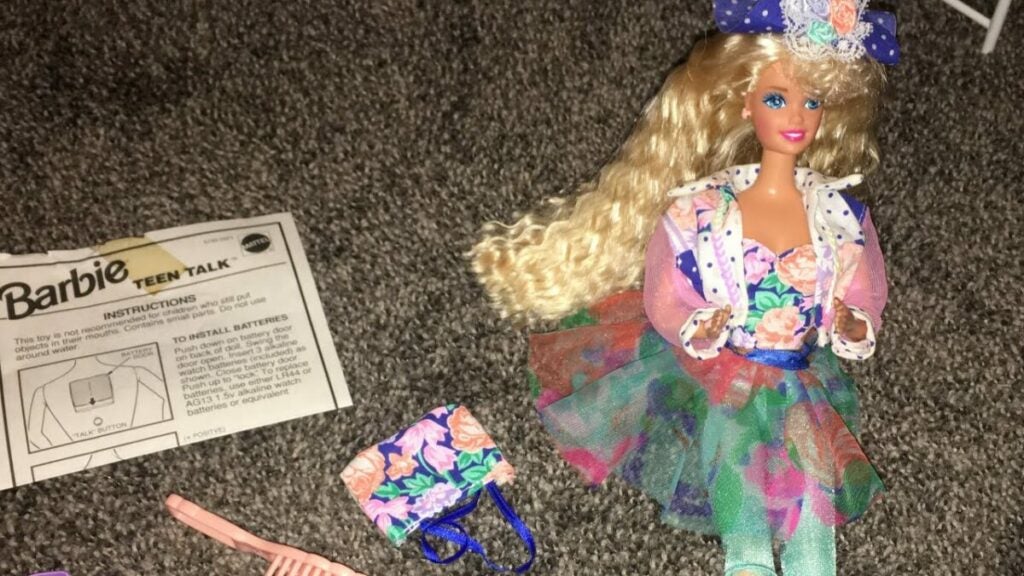
Remember Stacy Malibu, the doll from ‘The Simpsons‘ who said “Don’t ask me, I’m just a girl”? Well, it’s based on a real example: when Barbie was allowed to speak in 1991, she said “Will we ever have enough clothes?”, “I love shopping!” and “Math class is hard!”. For whatever reason, she was pulled off the shelves to keep quiet.

7-Tanner, Barbie’s dog

In 2006, someone thought it was a good idea to give Barbie a dog to walk him, pet him, watch TV with him and… uh… clean up his poop. Barbie Forever (like Batman) was accompanied by a stick that collected the dog’s droppings, which you could then put in her mouth to make her do her thing again. The funny thing is that it wasn’t removed because it was obviously disgusting, but because children could choke eating those little pieces. Things you see.

6-Disabled Barbie

In Mattel’s attempt to represent all the girls in the world, they created Becky, Barbie’s disabled friend who goes everywhere with her wheelchair. The idea is great! The problem is that they forgot one small detail: the chair didn’t go through the door of Barbie’s house. Take a sledgehammer to the real world.

5-Kissing Barbie

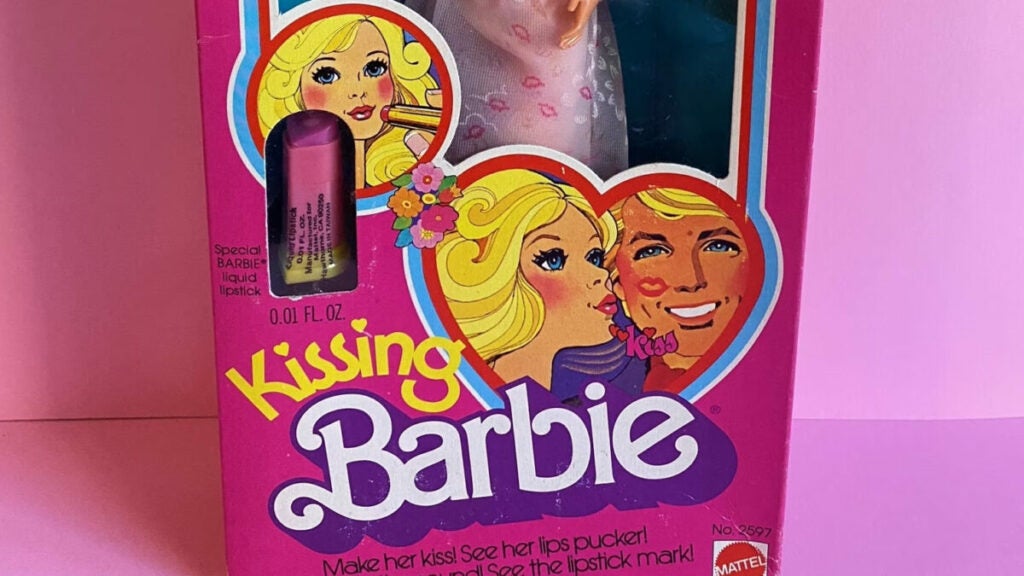
Who more, who less, has picked up Barbie and has made kissing sounds when she is near Ken, but… So much to want to paint her lips and activate a button that leaves her lips marked on whoever you want? The doll came out in 1978 and even then the idea that a woman is only good for kissing a man was more than outdated.

4-Barbie Oreo

What were they thinking? In 1997, Oreo entered into a commercial agreement with Mattel to create dolls based on their product line. The result, you can see. Terrible decisions.

3-Barbie rapper

In the early 90’s, nothing was more popular than rap. The commercials wanted to avoid it, there wasn’t a single TV show without its corresponding hip-hop beat (remember ‘Pokérap’?) and, of course, Barbie had to join in. The problem is that the design of the dolls looked like they were made by a sixty year old man who has never listened to anything hipper than Frank Sinatra. The ad was so infamous that it is still remembered today as one of the most serious mistakes in Mattel’s history.

2-Barbie babandsitter

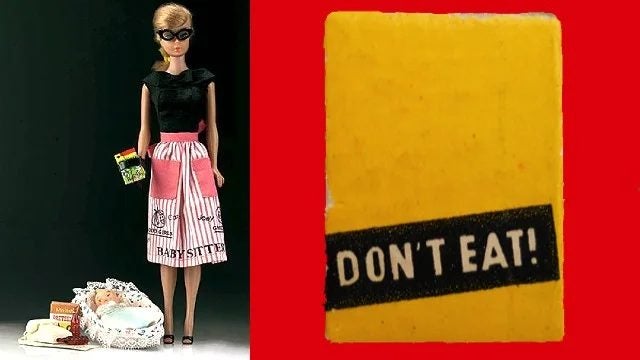
There’s nothing wrong with Barbie being a nanny (she has to get money somewhere), but what was a problem in 1965 is that, for some reason, a book titled “How to Lose Weight” was associated with the profession with one simple piece of advice: don’t eat. Oops.

1-Barbie mom

As the Barbie world expanded to infinity and beyond, among all the doll’s different professions, someone decided it would be a good idea to have a line of pregnant dolls that could give birth. The result is creepy and worthy of a body horror movie. The controversy came not from the image itself, but that it could lead to a wave of child pregnancies and the fact that she didn’t have a ring on her finger. Yankee dramatics.

From Zombies to Silence: The Mysterious Disappearance of PopCap Games

14 years have passed since that first game and since then we haven't heard much from PopCap, its developers. And it's what… What happened to them?

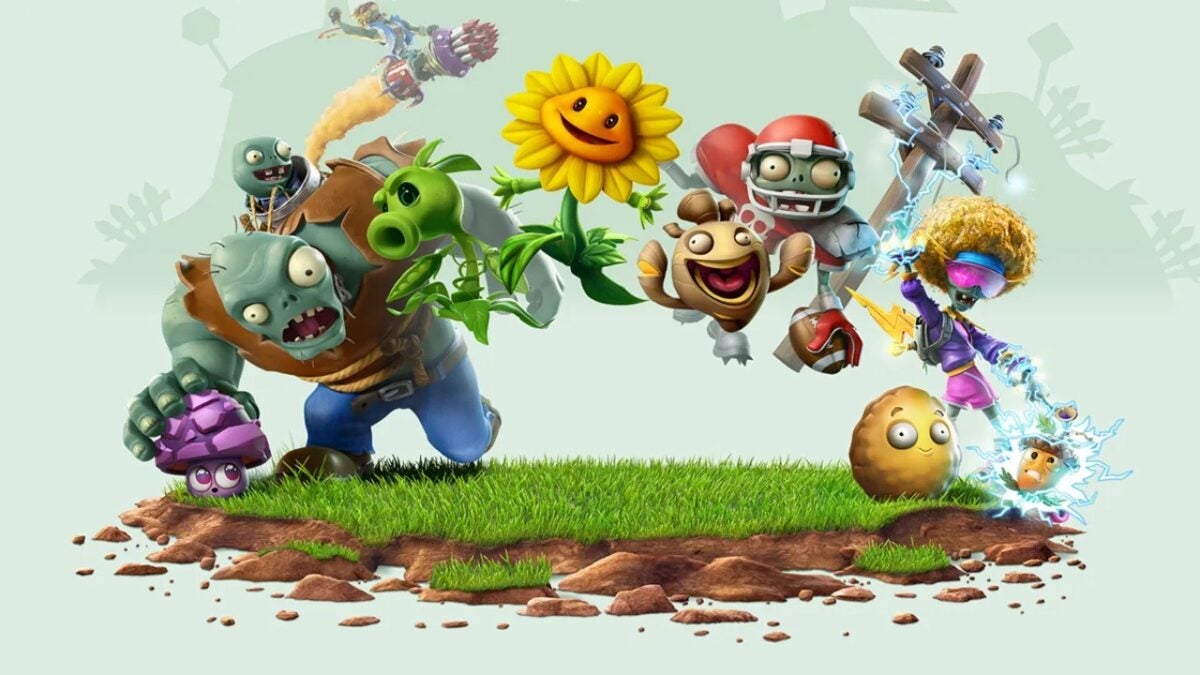
Surely you remember the first time you played Plants Vs Zombies: a game as simple in appearance as it was complex to master, which relied on the player’s ability to plant the right sunflowers and place the perfect plants and guessing strategies that ended on a high note, with one of the biggest hits in the history of video games (only second only to Portal’s Still Alive). But 14 years have passed since that first game and since then we haven’t had much news from PopCap, its developers. So… What has become of them?

Sexy Action Cool

Year 2000, Seattle. Jason Kapalka founds Sexy Action Cool, his own video game company, together with John Vechey and Brian Fiete. The idea was to create innovative video games that they were passionate about, even if they first had to make cheap but attention-grabbing stuff to make easy money. Their first attempt was Foxy Poker, which was about, you guessed it, a game of strip poker.

Sadly for them, the game did not succeed (for whatever reason) and in fact it is currently lost, but the fame they did not get then was achieved with their next release, the famous Bejeweled (formerly known as Diamond Mine), which at that time was played directly from the Internet. Between Diamond Mine and Bejeweled it took four months of development and they achieved more than ten million units sold between all the platforms where it was adapted, from Blackberry to… the first iPod.

Sexy Action Cool had already changed its name to PopCap, and its success was such that it even acquired a casual games company and expanded outside Seattle: they opened a company in Dublin and planned, between sequels to Bejeweled and other casual video games (such as Peggle and Bookworm), what they had always wanted to do. That is, a completely original title that would change the rules of the game.

Plants vs Zombies DOWNLOAD
Defiéndete de los zombies con tus plantas

Practicing gardening

In 2001, George Fan, a Californian developer, created a game called Insaniquarium that mixed pet simulation, strategy, action and puzzles. Years later, he was still kicking around the idea of making a sequel, which eventually led to a tower defense between plants and zombies. The PopCap team, passionate about the subject, took three and a half years to put the game together before launching it on May 5, 2009. A decade after its founding, they had finally achieved what they were looking for: a more or less original, epoch-making hit.

Plants Vs Zombies (which was going to be called Lawn of the Dead until George A. Romero expressly forbade it) took ideas from Warcraft III, Magic The Gathering and Swiss Family Robinson, but gave them the perfect twist to create a little adventure game with no micropayments, the old-fashioned way. The game came to iPhone, Android and consoles over the years and became PopCap’s fastest selling game ever.

To give you an idea: in just nine days, sales on iOS exceeded one million dollars, so PopCap had an incredible future ahead of it. And then, as in all horror stories, along came the big bad wolf. In this case, Electronic Arts, which bought the company on July 12, 2011 for $560 million. And when you’re bought by someone like Electronic Arts, they want immediate results: the beginning of the end.

More plants, more zombies

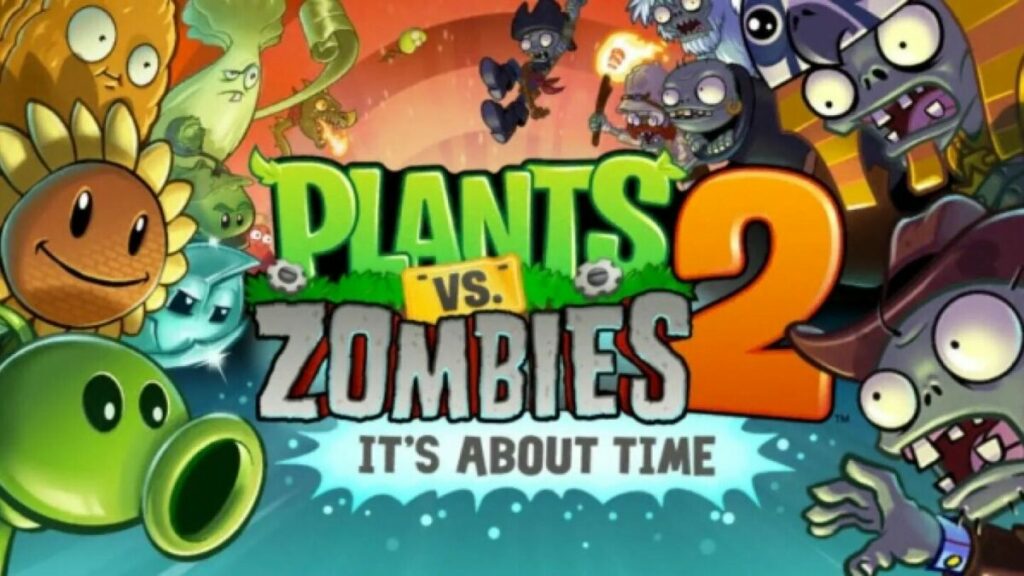
Since its purchase, PopCap has not released a single original game: only sequels to Peggle, Zuma, Bejeweled and, of course, Plants Vs Zombies. In August 2012, in fact, they announced that they would lay off fifty employees to focus on developing free-to-play games with micropayments. Said and done: in 2013, Plants Vs Zombies 2: It’s About Time was fun enough to ignore the fact that every so often you were pushed to buy power-ups and novelties.

The sequel was a bigger hit than the original: it sold 25 million units in one month, setting the franchise up for success. But greed is dangerous, and after PopCap Vancouver took a chance (and succeeded) with the two great Garden Warfare games, it was time to go back to mobile: Plants vs Zombies Heroes launched in 2016 with the ability to play on any of the two teams and with a system similar to that of Hearthstone… And with increasingly annoying and intrusive ads and micropayments.

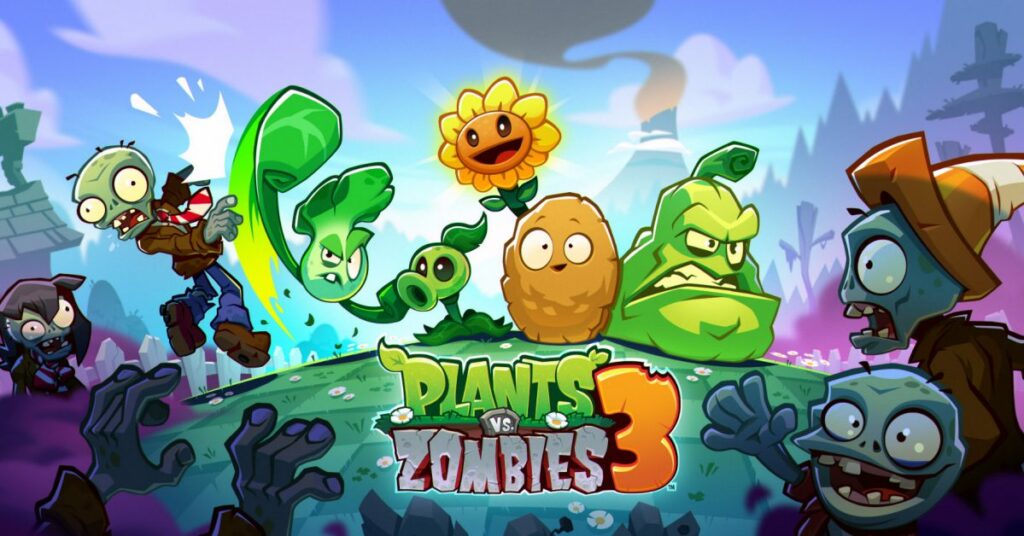
And since then, beyond another console game similar to Garden Warfare, nothing. Plants vs Zombies 3 remains an eternal promise that they’ve been developing for years and years doing something they hadn’t done up to that point: disregard EA’s pleas and listen, instead, to the fans. In July 2019, a pre-alpha was released on Android. Then, in October 2020, there was a worldwide release, but it was so criticized for continuous micropayments that it was withdrawn a month later. In 2021 there was another attempt, but so far there hasn’t been an official release… And EA is starting to get nervous.

With a broken management team, a community of fans demanding a return to the basics of the first game, a canceled animated film, and several canceled projects, the question is in the air: will they, like Rovio, manage to stay afloat, or before even from the third party PopCap has already died… but no one has warned them?

Love in the Age of Computers: The Early Days of Digital Dating

They intended to unite 49 women and 49 men by finding the most compatible people with each other. Spoiler alert: it was an absolute disaster.

We tend to think that we have invented it all, but deep down it has been around for years and years, only in much more rudimentary ways. Take for example Tinder, Adoptauntio, Badoo or whatever you want to use, the way we flirt in modern times, something our grandparents wouldn’t understand… If it wasn’t for the fact that in 1959 people were already finding the love of their lives thanks to a computer.

I gave you all my love, at love dot com

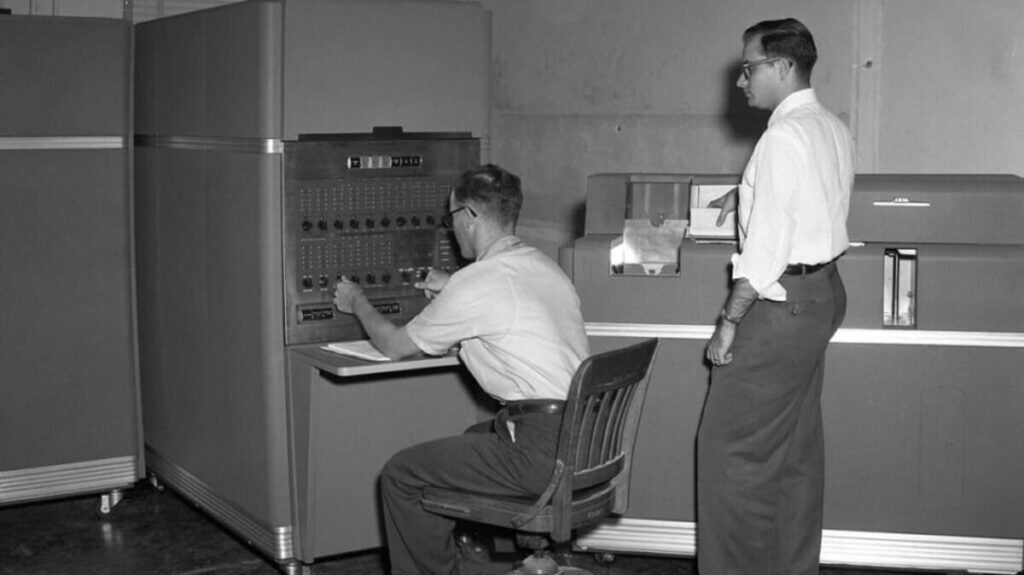
In 1954, a milestone in computing took place: the IBM 650, the first computer to be manufactured on a large scale, was assembled. More or less: a total of 2000 units were produced, each weighing 900 kilos. As a curiosity, it was the first computer that gave some money to its developers… And the one that served for more mundane matters such as, well, flirting.

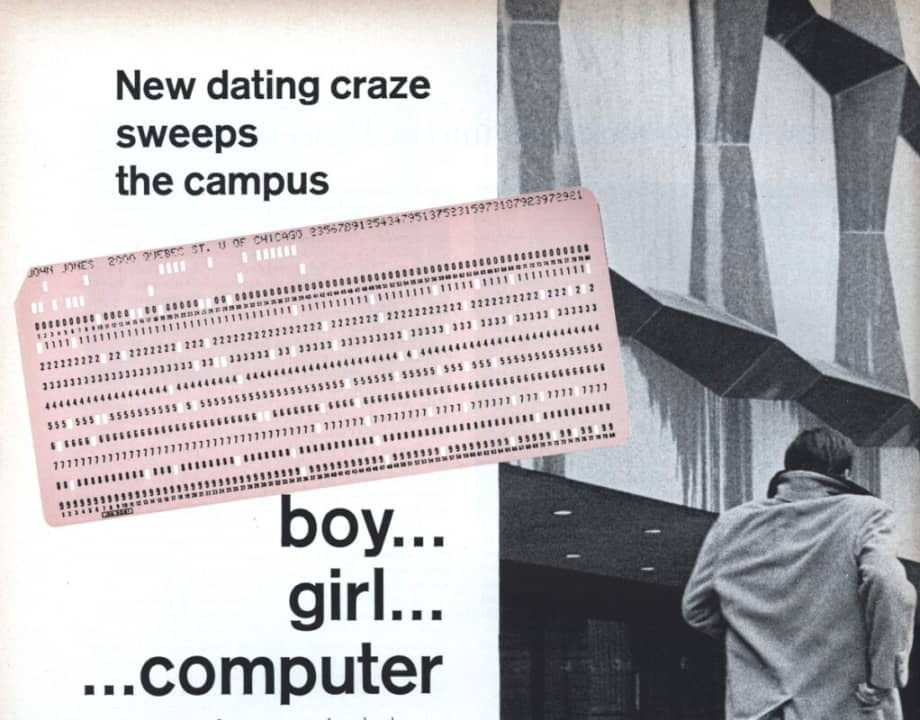
Stanford University, 1959. Philip A. Fialer and James Harvey are two mathematics students very interested in the future of computing who are preparing a final project destined to make history. Its name couldn’t be less interesting: ‘Happy Families Plan Service’ (although they later renamed it ‘Marriage Plan Service’), but the idea behind it was a good one. They intended to unite 49 women and 49 men by finding the most compatible people with each other. Spoiler: it was an absolute disaster.

The people selected were mostly Stanford students, but also residents of Los Trancos Woods, where the boys used to party. Each of these 98 people filled out a questionnaire and went through a program they created. This program compared a member of one “class” (i.e., a man) with all the members of the other class (women) and repeated this for all the members of the first class. The pair with the smallest difference in questionnaire scores was matched, and the process was repeated over and over again. The problem is that the first pair was ideal, yes, but the rest, as they were chosen and discarded… became more and more different.

Send me an e-mail and I will open my mailbox.

Fialer and Harvey only had ten minutes a day to conduct their experiment with the IBM 650, and so they decided to do the logical thing: sneak in at night and process all 98 questionnaires at the same time. All that remained was to test the success (or failure) of their idea.

The two students organized a party in their rented house hoping to have hit the nail on the head, but it is well known that you never get it right the first time and the pioneers are forgotten by history. Also, some of the dates were so disastrous that they even paired 30-year-old single mothers with 18-year-old virgins. None of the couples that came out of that computer ended up getting married and both decided that marketing it would be a big mistake.

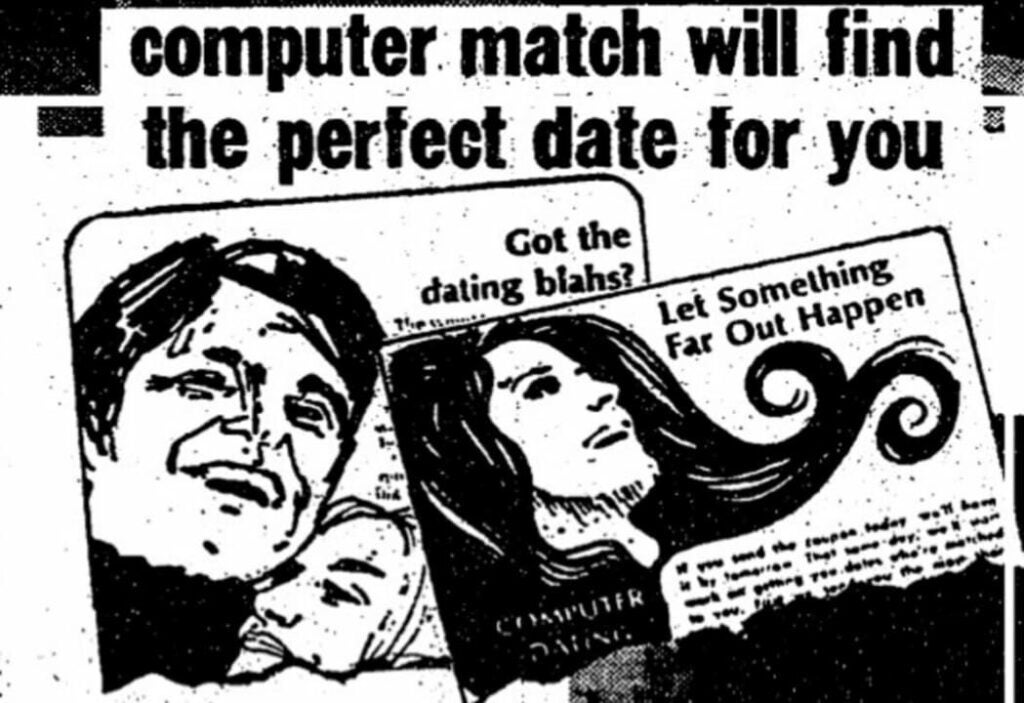
However, they marked the line to follow that continues to this day. In fact, in 1965 the first company dedicated to computer dating was launched, ‘Operation Match’, and that same year the same experiment gave rise to the first wedding ever performed thanks to computers: Marilyn Anderson and Gordon Keating still keep his questionnaire as proof of their love between chips, bytes and exaggeratedly heavy computers.

The business flourished in the years that followed, and people would pay as much as four dollars at the time (about twenty today taking inflation into account) to fill out a questionnaire with questions like “Do you believe in a god who answers prayer?” or “Is extensive sexual activity in preparation for marriage part of ‘growing up’?” The system on which these questionnaires were measured against each other was an IBM 7090, i.e., exactly the same thing Fialer and Harvey did shortly before. Only they were making money.

The computer-based matchmaking system would eventually evolve in the 1980s into something you’ve surely seen in movies: the VHS tapes of suitors introducing themselves that were sent to the homes of bachelors and bachelorettes to choose their -perhaps- next partner. In 1995, finally, Match.com was born by Gary Kremen, the same person who was smart enough to register the Sex.com website in 1994, earning more than 80 million dollars in sales to the highest bidder. Ah, how beautiful is love!