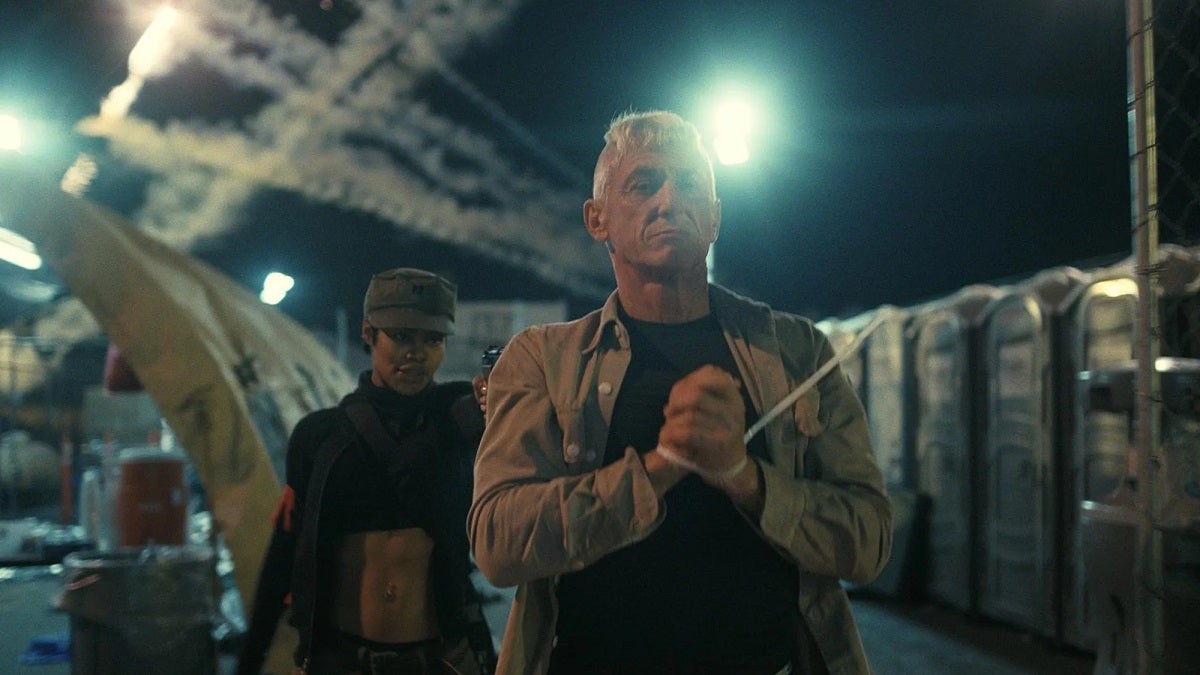
The movie “One Battle After Another,” directed by Paul Thomas Anderson and starring Leonardo DiCaprio, has established itself as one of the major phenomena in recent cinema following its successful run in theaters and its recognition at multiple Oscar award ceremonies.
This ambitious production has managed to win over both critics and audiences, leaving a significant mark on the film community.
An actor with methodology
One of the most striking aspects of the production is the experience that Sean Penn had while reading the script. According to his statements, he felt so captivated by the story that he couldn’t help but read it in one go, even ending up sitting, soaked and naked, on the floor as he delved into the pages of the text.
“It was page after page that broke with the conventional,” the actor emphasized, reflecting the impact that the script had on him and, by extension, on the viewers.
The narrative of One Battle After Another mixes adventure, comedy, and political elements, loosely based on Thomas Pynchon’s novel Vineland. This unconventional and groundbreaking approach has been one of the cornerstones of the acclaim received, both from audiences and film critics.
With an extensive 600-page script and an emphasis on practical effects, the film seeks to revive more traditional filmmaking styles that have been overshadowed by the use of digital effects in the contemporary industry.
The emotional connection that One Battle After Another has established with its audience has turned it into a true cinematic phenomenon. It is not only a testament to the talent of Anderson and DiCaprio, but also a return to the roots of narrative art in cinema. In this context, the production continues to generate interest and conversation in the entertainment world.