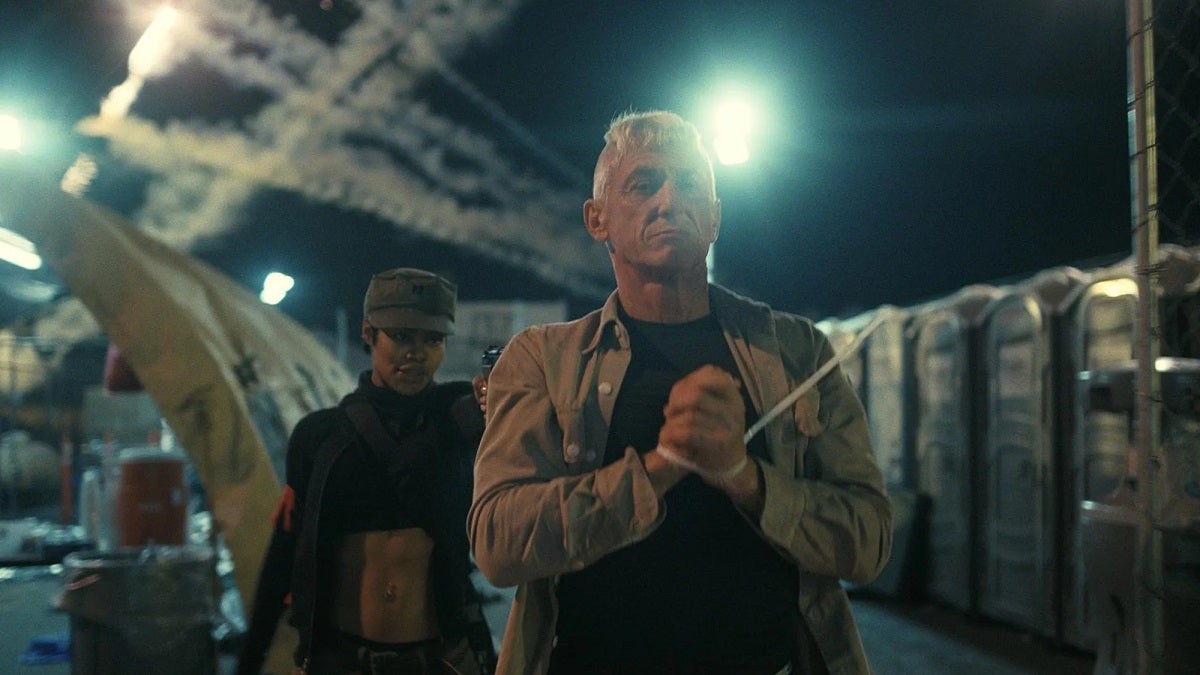
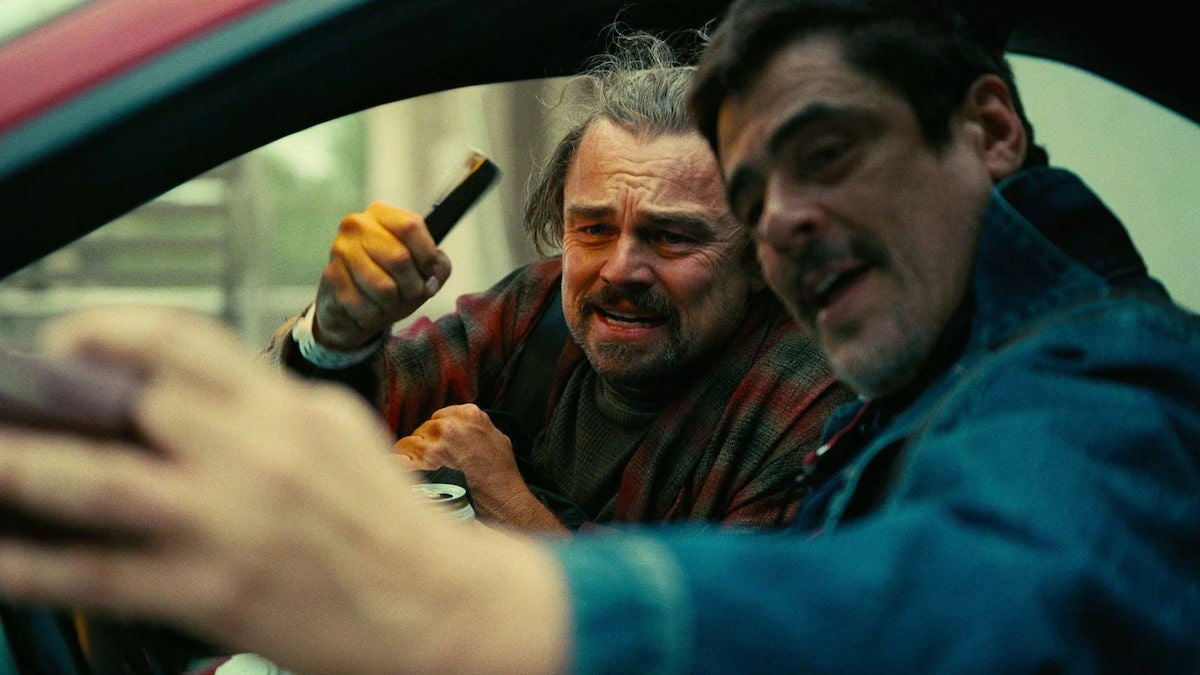
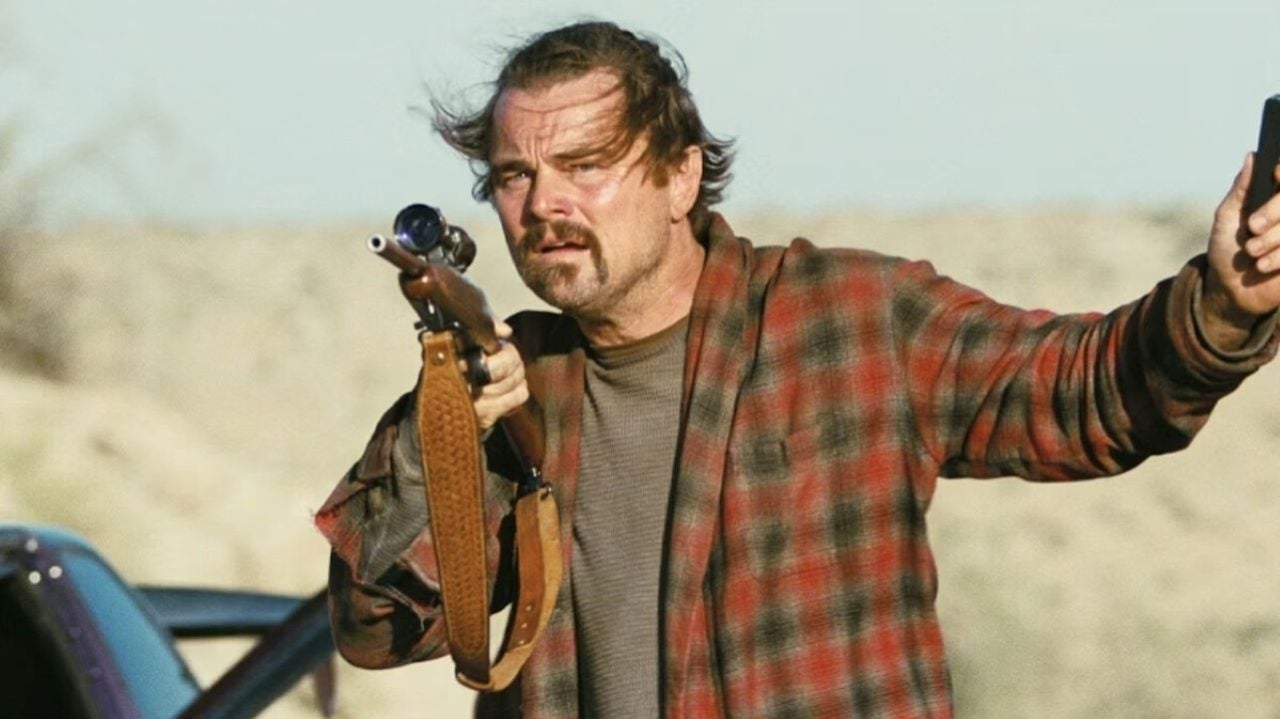
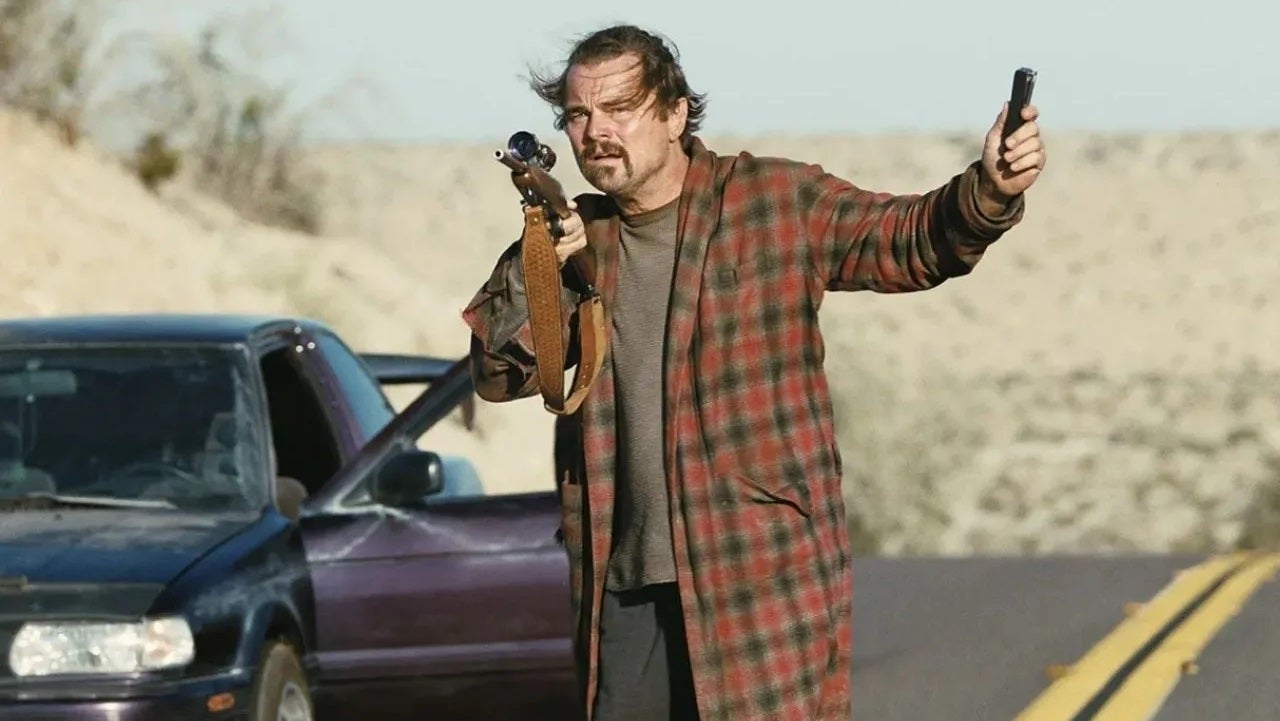
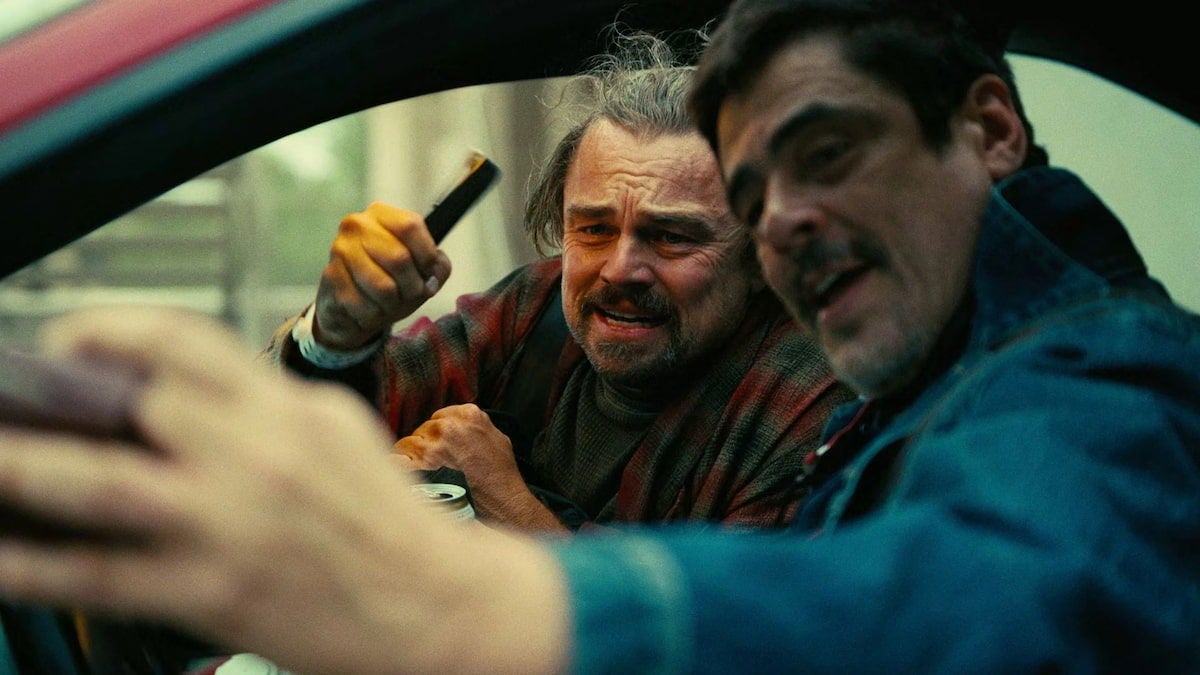
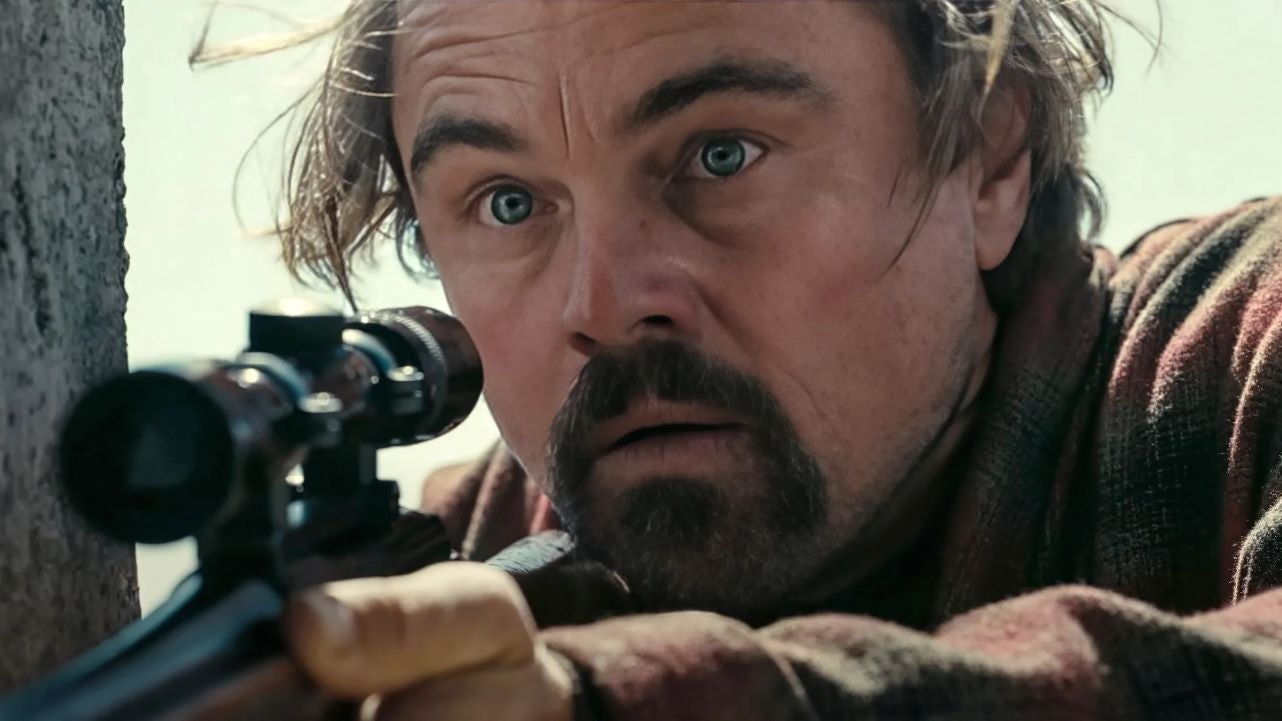
The movie “One Battle After Another,” directed by Paul Thomas Anderson and starring Leonardo DiCaprio, has established itself as one of the great phenomena of recent cinema following its successful run in theaters and its recognition at multiple Oscar award ceremonies. This ambitious production has managed to captivate both critics and audiences, leaving a significant mark on the film community. An actor with methodology One of the most striking aspects of the production is the experience that Sean Penn had while reading the script. According to his statements, he felt so captivated by the story that […]
The movie “One Battle After Another,” directed by Paul Thomas Anderson and starring Leonardo DiCaprio, has established itself as one of the major phenomena in recent cinema following its successful run in theaters and its recognition at multiple Oscar award ceremonies.
This ambitious production has managed to win over both critics and audiences, leaving a significant mark on the film community.
An actor with methodology
One of the most striking aspects of the production is the experience that Sean Penn had while reading the script. According to his statements, he felt so captivated by the story that he couldn’t help but read it in one go, even ending up sitting, soaked and naked, on the floor as he delved into the pages of the text.
“It was page after page that broke with the conventional,” the actor emphasized, reflecting the impact that the script had on him and, by extension, on the viewers.
The narrative of One Battle After Another mixes adventure, comedy, and political elements, loosely based on Thomas Pynchon’s novel Vineland. This unconventional and groundbreaking approach has been one of the cornerstones of the acclaim received, both from audiences and film critics.
With an extensive 600-page script and an emphasis on practical effects, the film seeks to revive more traditional filmmaking styles that have been overshadowed by the use of digital effects in the contemporary industry.
The emotional connection that One Battle After Another has established with its audience has turned it into a true cinematic phenomenon. It is not only a testament to the talent of Anderson and DiCaprio, but also a return to the roots of narrative art in cinema. In this context, the production continues to generate interest and conversation in the entertainment world.
Leonardo DiCaprio has once again left his mark on the world of cinema with his performance in One Battle After Another, although this time it was not enough to win an Oscar, which was awarded to Michael B. Jordan for his double role in The Sinners. Despite this, DiCaprio’s performance has been acclaimed by critics and audiences, particularly standing out in a scene where his character, Bob, communicates using a characteristic Spanglish that resonated deeply with the Latino community. A childhood among Latinos A notable moment in this interaction occurs when Bob, […]
Leonardo DiCaprio has once again left his mark on the film world with his performance in One Battle After Another, although this time it was not enough to win an Oscar, which was awarded to Michael B. Jordan for his double role in The Sinners. Despite this, DiCaprio’s performance has been acclaimed by critics and audiences alike, especially standing out in a scene where his character, Bob, communicates using a characteristic Spanglish that resonated deeply with the Latino community.
A Childhood Among Latinos
A notable moment in this interaction occurs when Bob, after receiving help from some Latino men, thanks them for their assistance with a particular whistle, a culturally significant gesture used in various Latin American communities. This whistle, which was not in the original script, emerged from DiCaprio’s own childhood experience in the Los Feliz neighborhood of Los Angeles. During a Q&A session organized by Movie Buddy, the actor explained that his improvisation was based on memories from his childhood, which adds a more personal and authentic dimension to his performance.
The use of Spanglish and whistling has become a symbol of cultural connection that resonated positively among Latino viewers, showing how lived experiences can enrich acting interpretation. Although not all memories are applicable to every role, in this case, they result in one of the most iconic moments of the current cinematic course. With the characteristic style of director Paul Thomas Anderson, DiCaprio has shown a free and unrestrained facet that has left a strong impression on the audience.
While Hollywood celebrated the much-anticipated Oscar ceremony, one of the highlights of the night was the award received by Sean Penn. The actor achieved his third statuette for his portrayal of Colonel Lockjaw in One Battle After Another, the new film by Paul Thomas Anderson. However, Penn was not present at the gala, which drew attention at the event. A man committed to Ukraine The actor’s absence was due to his meeting in Ukraine with President Volodymyr Zelensky. This supportive relationship dates back to the beginning of the […]
While Hollywood celebrated the much-anticipated Oscar ceremony, one of the highlights of the night was the award received by Sean Penn. The actor won his third statuette for his portrayal of Colonel Lockjaw in One Battle After Another, the new film by Paul Thomas Anderson. However, Penn was not present at the gala, which drew attention at the event.
A man committed to Ukraine
The actor’s absence was due to his meeting in Ukraine with President Volodymyr Zelensky. This supportive relationship dates back to the beginning of the Russian invasion, and Zelensky confirmed the meeting by posting a photograph on his social media thanking Penn for his ongoing support. This commitment to humanitarian and political causes has been a constant in the actor’s career, who has stated that his activism is deeply connected to his artistic work.
Kieran Culkin, winner of the Oscar for Best Supporting Actor last year, was the one to accept the award on behalf of Penn. During his speech on the stage of the Dolby Theatre, Culkin made an ironic comment about the actor’s absence, saying: “Sean Penn could not be here tonight, or he did not want to, so I will accept the award on his behalf,” which generated laughter among the attendees.
Penn has previously shared his thoughts on the risks of getting involved in political and social conflicts, emphasizing the importance of contributing in some way. His dedication is not only evident in his personal life but also reflected in his artistic choices. Through his performances and activism, Penn continues to advocate for causes he considers crucial, becoming an active voice on the global stage.
The movie A Battle After Another by Paul Thomas Anderson has been crowned as the big winner of the 2026 Oscar awards, taking home a total of six statuettes, including the coveted award for Best Picture. Additionally, Anderson was also recognized as Best Director, while Sean Penn won the award for Best Supporting Actor. This year, the Best Casting Direction award was held for the first time, which was also awarded to the same film, along with the awards for Best Adapted Screenplay and Best Editing. An Oscar ceremony to remember In second place, The Sinners, […]
The movie “One Battle After Another” by Paul Thomas Anderson has been crowned as the big winner of the 2026 Oscar awards, taking home a total of six statuettes, including the coveted award for Best Picture. Additionally, Anderson was also recognized as Best Director, while Sean Penn won the award for Best Supporting Actor. This year, the award for Best Casting Direction was held for the first time, which was also awarded to the same film, along with the awards for Best Adapted Screenplay and Best Editing.
An Oscar to Remember
Secondly, The Sinners, the innovative vampire film directed by Ryan Coogler, won four Oscars, highlighting the performance of Michael B. Jordan, who was named Best Actor. It also received awards for Best Original Screenplay, Best Original Score, and Best Cinematography, consolidating the narrative and aesthetic value of the work.
On the other hand, the Spanish film Sirat, directed by Oliver Laxe, did not receive any recognition, despite being nominated in two categories: Best Sound and Best International Film. In the latter, the award went to Valor sentimental, which stood out among foreign productions.
The third position in this year’s awards ceremony was occupied by Frankenstein, which received three awards, including Best Costume Design and Best Makeup and Hairstyling. In the technical field, Avatar: Fire and Ash stood out by receiving the Oscar for Best Visual Effects.
In terms of interpretation, the awards went to Amy Madigan, who won Best Supporting Actress for Weapons, and Jessie Buckley, who was named Best Actress for Hamnet, in what were considered the most predictable results of the night.
In the field of animation, The K-Pop Wars won the Oscar for Best Animated Feature and Best Original Song for Golden. A curious fact about the ceremony was the tie in the Best Short Film category, which saw The Singers and Two People Exchanging Saliva share the award, a rare occurrence in Oscar history.
The film Sirat, directed by Oliver Laxe, has achieved a notable nomination for the Oscars in the categories of Best Picture and Best Sound, despite not having garnered numerous awards in its journey through award ceremonies so far. Laxe, known for his commitment to the cinematic experience, is enjoying this journey in the industry and has had the opportunity to meet prominent film professionals, including figures like Jacob Elordi and Paul Thomas Anderson. Sirat and not volverat During a recent meeting with David Broncano on La Revuelta, Laxe shared his enthusiasm for […]
The film Sirat, directed by Oliver Laxe, has achieved a remarkable nomination for the Oscars in the categories of Best Picture and Best Sound, despite not having garnered numerous awards in its journey through award ceremonies so far. Laxe, known for his commitment to the cinematic experience, is enjoying this journey in the industry and has had the opportunity to meet prominent film professionals, including figures like Jacob Elordi and Paul Thomas Anderson.
Sirat and not return
During a recent meeting with David Broncano on La Revuelta, Laxe shared his enthusiasm for having interacted with some of his idols in the industry. In particular, he expressed gratitude for the compliment received from Paul Thomas Anderson, who praised Sirat and emphasized the need to enjoy the cinematic experience in its entirety. “This must be seen well”, were Anderson’s words, according to Laxe, who greatly valued this recognition from a director of such caliber.
In addition to the approach to emblematic figures of cinema, the Galician director has also strengthened ties with other nominees, including Elordi, who is in the running for the Oscar for Best Supporting Actor for his role in Frankenstein. Laxe described these interactions as a valuable and enriching experience, despite the fact that the awards have not yet largely arrived for Sirat.
Laxe’s proposal, focused on defending the experience of cinema, deeply resonates in Sirat, a film that has captured the attention of critics and audiences. With its Oscar nomination, the director hopes that the film, which has been a laborious project, will have a lasting impact in the cinematic field.
La última edición de los Globos de Oro ha tenido lugar, y aunque se esperaba, ‘Licorice Pizza’, la película de Paul Thomas Anderson, emergió como la gran ganadora de la noche. Con un total de cuatro premios, incluyendo Mejor Película en la categoría de comedia o musical, la película había llegado como la favorita y cumplió con las expectativas. Una batalla de premios tras otra, ‘Licorice Pizza’ no solo ganó el premio a Mejor Película, sino también a Mejor Director, Mejor Guion y el premio a Mejor Actriz de Reparto para […]
The latest edition of the Golden Globes has taken place, and although it was expected, ‘One Battle After Another’, the film by Paul Thomas Anderson, emerged as the big winner of the night. With a total of four awards, including Best Motion Picture in the comedy or musical category, the film arrived as a favorite and met expectations.
One award battle after another
‘One Battle After Another’ no solo ganó el premio a Mejor Película, sino también a Mejor Director, Mejor Guion y el premio a Mejor Actriz de Reparto para Teyana Taylor. Con un total de nueve nominaciones, la película demostró su fuerza en la competencia, aunque no logró un barrido limpio, dejando a actores importantes como Leonardo DiCaprio entre los nominados sin un premio. DiCaprio, quien fue nominado a Mejor Actor, se fue sin recibir reconocimiento, ya que el premio fue para Chalamet.
The list of nominees for Best Picture in the comedy or musical category included titles such as ‘Blue Moon’, ‘Bugonia’, ‘Marty Supreme’, ‘No other choice’, and ‘Nouvelle Vague’, but it was ‘One Battle After Another’ that captured attention. Despite the high competition, Anderson’s film maintained its status as a favorite among critics and the public.
On a night that felt like a prelude to the Oscars, the Golden Globes continue to be a benchmark in recognizing excellence in film and television. Will ‘One Battle After Another’ win the Oscar for Best Picture? Logic tells us yes, but we already know this is unpredictable.
The strong showing of One Battle After Another at the Golden Globes reinforces Paul Thomas Anderson’s long-standing reputation as one of the most respected filmmakers in contemporary cinema. Throughout his career, Anderson has consistently been recognized by major awards bodies for films that combine strong authorial vision with broad critical acclaim, often positioning his work as a reference point during awards season. This latest film entered the ceremony with significant momentum, reflected in its high number of nominations and its presence across the main creative categories.
The outcome of the acting awards also highlights the competitiveness of this year’s field. Teyana Taylor’s win for Best Supporting Actress places her among the breakout performances of the season, while the absence of awards for figures like Leonardo DiCaprio underlines how crowded and high-level the acting categories were. Timothée Chalamet’s victory in the lead actor category confirms his consolidation as one of the most prominent performers of his generation, particularly in projects with strong auteur backing.
Beyond individual wins, the ceremony once again served as an early indicator of industry trends ahead of other major awards. The Golden Globes traditionally act as a bridge between critics’ prizes and later ceremonies, shaping narratives around frontrunners and consolidating films that combine artistic ambition with mainstream appeal. In that context, the success of One Battle After Another strengthens its position within the broader awards conversation and reflects the continued relevance of prestige-driven cinema in an increasingly competitive release landscape.
In a moment where cinema faces significant challenges due to the rise of reactionary movements and the decline of relevant contemporary stories, “One Battle After Another” emerges, a masterpiece by renowned director Paul Thomas Anderson. Through a complex narrative that combines the war thriller with penetrating political critique, the film becomes a safe haven and a voice for dialogue about the reality we live in. Leonardo DiCaprio like you’ve never seen him before. The plot follows Bob Ferguson, played by Leonardo DiCaprio, a former rebel fighter who, after experiencing the violence and repression of a […]
At a time when cinema faces significant challenges due to the rise of reactionary movements and the decline of relevant contemporary stories, comes One Battle After Another, a masterpiece by renowned director Paul Thomas Anderson. Through a complex narrative that combines war thriller with penetrating political critique, the film becomes a safe haven and a voice to discuss the reality we live in.
Leonardo DiCaprio like you’ve never seen him before
The plot follows Bob Ferguson, played by Leonardo DiCaprio, a former rebel fighter who, after experiencing the violence and repression of a military squad, struggles to raise his daughter in a context marked by fear and criticism of the system. Despite his desire to keep her away from violence, he is forced to prepare her to face an old enemy that threatens to destroy the peace he is trying to build.
Anderson, true to his distinctive style, employs spectacular visual resources, including the return of the VistaVision format, to bring this captivating story to life. However, the director does not opt for a solemn narrative; instead, he introduces a constant use of humor, ranging from the absurd to the satirical, challenging the viewer’s expectations. As the story unfolds, DiCaprio’s character is presented as a ridiculous and paranoid father, the embodiment of the tensions faced by a revolutionary movement in a world that feels increasingly oppressive.
One battle after another not only shines for its performance and hypnotizing cinematography, but it also stands out for its ability to connect emotionally with the audience, managing to express the strength of human relationships in difficult times. With a mix of drama, social criticism, and humorous elements, this film is shaping up to be one of the most important of the year, and it is expected to collect numerous awards in the coming months.
This year, cinema has been filled with blockbusters dominating the box office, especially at the end of the year, and audiovisual experiences that have little to do with cinema, but we have not been devoid of great films in the old-fashioned way. Both spectacular and captivating films visually, as well as films with great scripts and even greater performances that catch the attention of cinephiles and attract a more general audience. This has been the case for one of the most celebrated films, if not the most celebrated, of Leonardo DiCaprio. A true surprise that has caused […]
This year, cinema has been filled with blockbusters dominating the box office, especially at the end of the year, and audiovisual experiences that have little to do with traditional cinema. However, we have not been devoid of great films in the old-fashioned way. Both spectacular and visually captivating films, as well as films with great scripts and even greater performances that catch the attention of cinephiles and attract a more general audience.
This has been the case for one of the most celebrated films, if not the most celebrated, of Leonardo DiCaprio. An authentic surprise that has caused a sensation, has swept through, and despite costing a fortune, has managed to be a box office success. Being a strong contender for the 2026 Oscars. Because One Battle After Another is one of those must-see films of the year.
One battle after another is a film, to say the least, with an interesting premise. The protagonist, “Ghetto” Pat Calhoun, is a pothead with a sixteen-year-old mixed-race daughter. Except that the daughter is from another man, a military man who had a romance with his partner and who now, when he tries to enter a secret sect of secret supremacists, will attempt to kill her to hide what he considers a shameful past. Something that will set in motion a story of paranoia, secret groups, assassination attempts, and terrorist groups that will go far beyond all the characters involved.
How can such a crazy argument be explained? Basically, through two groups of proper names. On one hand, the names of its two main actors: Leonardo DiCaprio and Sean Penn. On the other hand, the names of the creators of the story: Paul Thomas Anderson and Thomas Pynchon.
Leonardo DiCaprio plays an ex-member of a revolutionary group, now a pothead without benefits, who will do anything to protect his daughter. Except perhaps quit smoking pot. Sean Penn plays a deranged far-right military man to the point of being willing to join a cult. And in both cases, they are able to give meaning to two characters that border on caricature, bringing them to life with constant tiny nuances, which could easily be the best performances of the year. Something that undoubtedly has a lot to do with who is behind the camera.
Thomas Pynchon is a writer who, for lovers of postmodern literature, needs no introduction. For those who don’t, Pynchon is considered the father and patron saint of paranoid literature, with a maximalist and absolutely deranged style, featuring characters always on the brink of schizophrenia. Combining cults, secret plans, wars in the shadows, and a poetic vein with constant references, he is regarded as one of the best, if not the best, living American writers. This also comes with something: he has also been considered absolutely impenetrable for the average person, even if he is not that difficult to read, and impossible to adapt to film, which is something that is more accurate.
At least, until the arrival of Paul Thomas Anderson. Who has successfully adapted it to film twice already.
Adapting the extremely unhinged Inherent Vice in 2014, considered Pynchon’s most accessible novel, he has now embarked on adapting another of his novels deemed simpler, Vineland, in this One Battle After Another. Or to be exact, a part of the novel. One Battle After Another offers a modulated version, much less unhinged and leaving out a large part of the novel, turning it into a grand odyssey about a father and daughter’s struggle against a society that hates them for their prejudices.
The result is a film that has taken both critics and audiences by storm. With a 95% on Metacritic, it has grossed over 200 million dollars at the box office with a budget of 130 million. All of this positions it as one of the top favorites for the Oscars, both for its lead actors and for its director, as it sits at the perfect intersection for these awards: popular enough to justify the award, but cultured enough to make it sensible to award it.
If all of this has left you curious to see it, you won’t have to wait long to do so. A battle after another arrives on December 19 on HBO Max. So get ready and set aside 162 minutes to watch it, because if a movie has the potential to be talked about throughout 2026, it’s this one.
The highly anticipated film One Battle After Another, directed by Paul Thomas Anderson and starring a star-studded cast that includes Leonardo DiCaprio, Sean Penn, Teyana Taylor, Regina Hall, Benicio del Toro, and Chase Infiniti, will be available to watch at home starting December 19 on HBO Max. This release will allow viewers to enjoy the film from the comfort of their home during the holiday season. Leo, it’s your Oscar moment One Battle After Another follows the story of a declining revolutionary who faces the difficult task of saving his […]
The highly anticipated film One Battle After Another, directed by Paul Thomas Anderson and starring a stellar cast that includes Leonardo DiCaprio, Sean Penn, Teyana Taylor, Regina Hall, Benicio del Toro, and Chase Infiniti, will be available to watch at home starting December 19 on HBO Max. This release will allow viewers to enjoy the film from the comfort of their home during the holiday season.
Leo, it’s your Oscar time
One battle after another follows the story of a declining revolutionary who faces the difficult task of saving his teenage son. As the plot unfolds, the film explores themes of despair, redemption, and the struggle to find purpose in a changing world. DiCaprio’s performance, known for his intense and moving portrayals, promises to bring depth to the role of a father torn between his past ideals and the urgency of protecting his family.
The film has generated expectations not only because of Anderson’s direction, whose work has been praised on multiple occasions, but also due to the strong performances of its protagonists. The film also addresses social and political issues that will resonate with contemporary audiences, adding a layer of relevance to its narrative.
With its imminent premiere on HBO Max, One Battle After Another is shaping up to be one of the most attractive entertainment options in December, making it a title that movie fans won’t want to miss during the holidays. Undoubtedly, this film could spark conversations and debates about the themes it contains, making it a cultural event to watch for as the year comes to a close.
The recent selection by Quentin Tarantino of his 20 favorite films of the 21st century has caused a great stir, especially due to the placement of There Will Be Blood in fifth place. In his list, Paul Thomas Anderson’s acclaimed work is surpassed only by titles like Black Hawk Down and Toy Story 3, which has sparked debates around the criticism that the director has directed towards Paul Dano’s performance in the film. Tarantino, known for his sharp cinematic vision, does not consider Dano a good actor and praised Daniel Day-Lewis’s performance, describing it as a […]
Quentin Tarantino’s recent selection of his 20 favorite films of the 21st century has caused quite a stir, especially due to the placement of There Will Be Blood in fifth place. In his list, the acclaimed work of Paul Thomas Anderson is surpassed only by titles like Black Hawk Down and Toy Story 3, which has sparked debates regarding the criticism the director has directed towards Paul Dano’s performance in the film.
Doesn’t consider him a good actor
Tarantino, known for his sharp cinematic vision, praised Daniel Day-Lewis’s performance, describing it as an exhibition of “old-school craftsmanship.” However, he did not hesitate to point out that Dano’s performance does not reach the same level, suggesting that this negatively affects the overall perception of There Will Be Blood. In a recent episode of Bret Easton Ellis’s podcast, he stated: “It’s not that the performance is bad, it just seems like a compromise.” This assessment has reignited a recurring theme in the relationship between the two actors, which has characterized Tarantino’s analyses for years.
Tarantino’s comparison between Day-Lewis and Dano is clear. “If the two characters are supposed to fight during the movie, Daniel Day-Lewis is Muhammad Ali and Paul Dano is Jerry Quarry,” he stated, leaving little room for interpretation of his stance. Despite some praise for other performances by Dano, such as in The Fabelmans and 12 Years a Slave, it seems that Tarantino’s opinion has not changed. This disagreement could contribute to a climate of competition and criticism in Hollywood, where the definition of acting talent is a topic of constant discussion.
In summary, Tarantino’s selection has opened a new chapter in the debates about cinematic interpretation and the way performances can influence the reception of a masterpiece.