Middle-earth is preparing for a new cinematic adventure with the announcement of a film developed by Peter Jackson and Stephen Colbert, a well-known fan of J.R.R. Tolkien’s work.
Warner Bros. has confirmed this project, which aims to expand the universe of The Lord of the Rings by exploring events not adapted in the original trilogy.
A movie not based on any particular book
The film, provisionally titled The Lord of the Rings: Shadows of the Past, will focus on episodes from The Fellowship of the Ring that were left out of the 2001 adaptation. In particular, Colbert has highlighted that the narrative will be inspired by the chapters between Three is Company and Fog on the Barrow-downs, considered essential for understanding the essence of Tolkien.
With the involvement of Philippa Boyens, who played a crucial role in the Oscar-winning trilogy, the project promises to maintain a stylistic and narrative coherence with the previous films. Boyens, along with screenwriter Peter McGee, Colbert’s son, will bring a balance between the freshness of new voices and the established experience of the original team. Jackson, who introduced the project in an official video, will also be closely involved in its development.
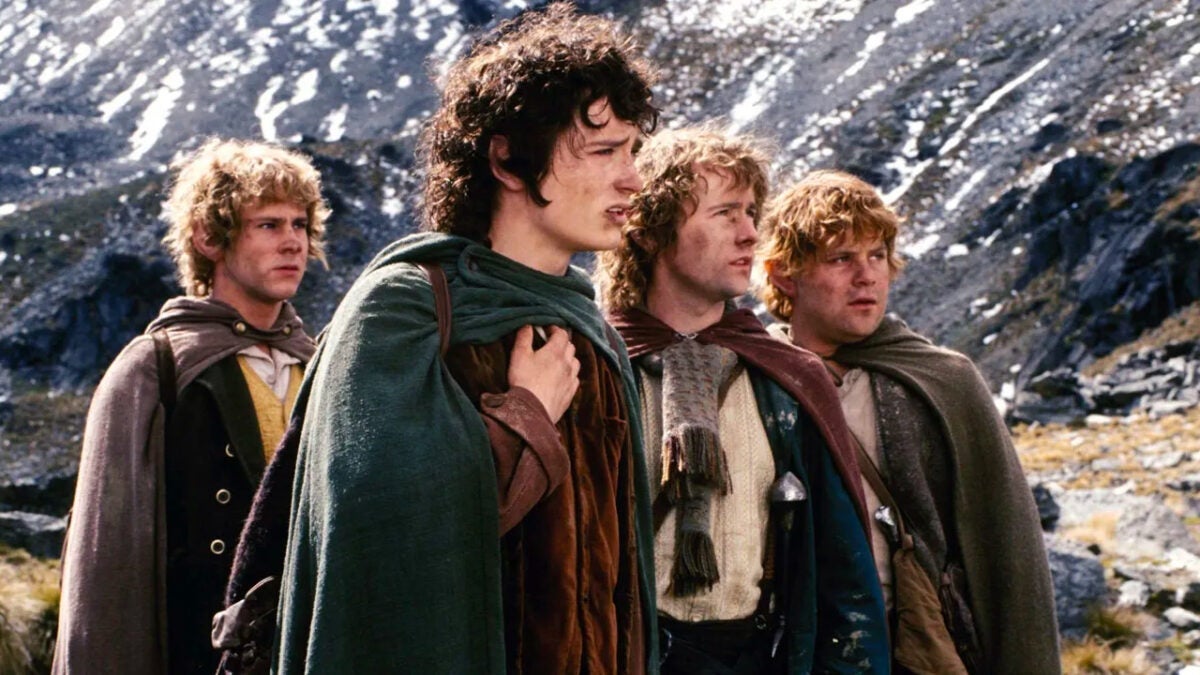
The story is set fourteen years after Frodo’s death, where iconic characters like Sam, Merry, and Pippin embark on an adventure that reveals secrets from the past. This approach reflects the trend in the industry of telling stories with the passion of their creators, which promises to attract both old fans and new audiences. The combination of nostalgic elements and the exploration of new angles of the literary material heralds an interesting project that moves away from typical reboots or conventional sequels.
In addition, it is estimated that this premiere will arrive after The Hunt for Gollum, suggesting that Warner Bros. is building a new cycle of productions around the franchise.This new venture into Middle-earth is a demonstration of the creative potential that remains in the world of Tolkien, reaffirming its relevance in the cinematic field.