More than 90 million inhabitants of Iran are without Internet, a 98% collapse in the country's traffic

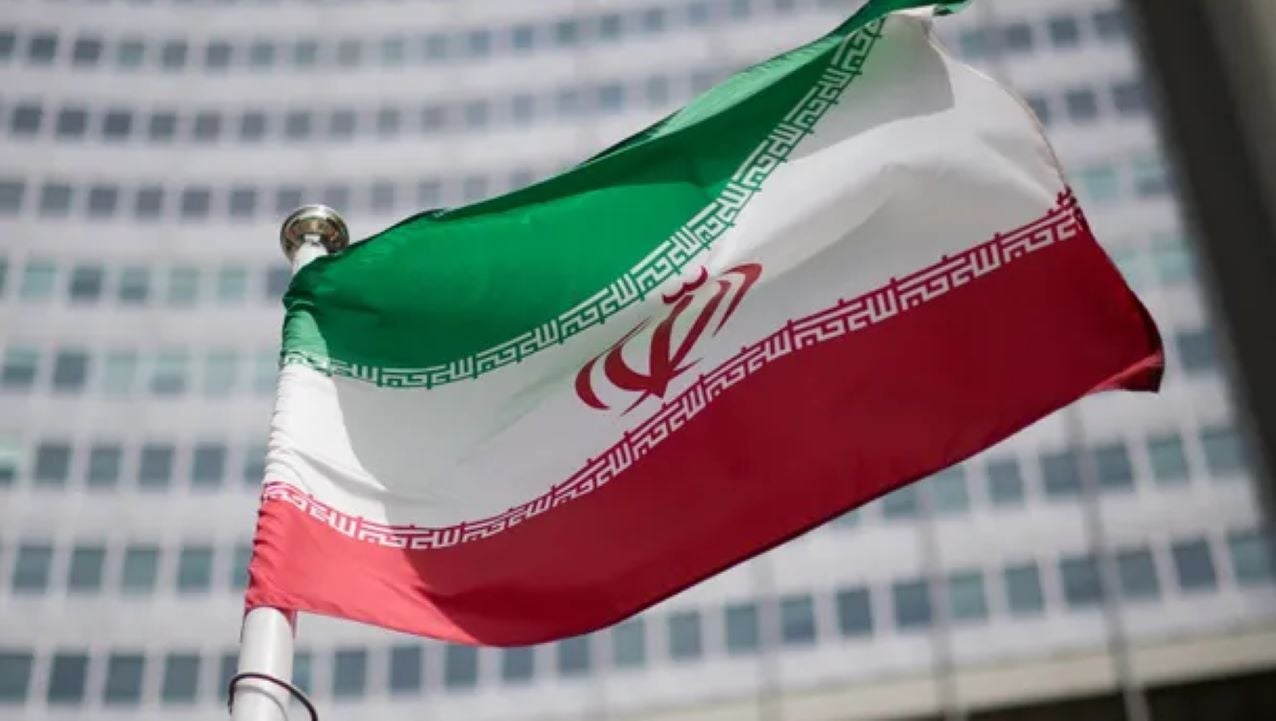
The internet blackout in Iran has lasted over ten days, leaving approximately 90 million Iranians effectively disconnected from the world. According to data from Cloudflare, HTTP traffic in the country has fallen below 1% of pre-blackout levels, which began on February 28, 2026, coinciding with military bombings by the U.S. and Israel. This situation has caused an immediate 98% collapse in internet traffic, with a significant impact across all Iranian regions. Iran, offline The monitoring firm NetBlocks has confirmed that the disruption was […]

The internet blackout in Iran has surpassed ten days, leaving approximately 90 million Iranians effectively disconnected from the world.

According to data from Cloudflare, HTTP traffic in the country has fallen below 1% of pre-blackout levels, which began on February 28, 2026, coinciding with military bombings by the U.S. and Israel. This situation has caused an immediate 98% collapse in internet traffic, significantly impacting all Iranian regions.

Iran, disconnected

The monitoring firm NetBlocks has confirmed that the disruption was imposed by the Iranian government and is not the result of a cyberattack or damage to infrastructure.

The drop in traffic was rapid and deliberate, affecting the entire country uniformly. In the most populated areas, such as Tehran, which accounts for 65% of the traffic, and other provinces like Fars and Isfahan, traffic has also decreased to near-zero levels since March 1.

The Iranian Minister of Communications has acknowledged that the blackout generates an economic cost of approximately 35.7 million dollars per day. Online sales have decreased by up to 80%, reflecting a halt in economic activity.

This internet blockade not only affects business activities but also represents a violation of fundamental rights, as noted by Human Rights Watch, by limiting access to vital information for civil security.

Authorities have reported that only websites approved on Iran’s National Information Network are accessible. As the situation drags on, the blackout is becoming one of the most severe imposed by a government worldwide, with Iran experiencing approximately one-third of the year 2026 disconnected. The international community is closely monitoring the evolution of this critical event.

The Oscars in trouble due to an Iranian threat. What will happen on Sunday?

Security is being intensified in Los Angeles for the 98th edition of the Academy Awards, scheduled for this weekend. Authorities have implemented exceptional measures in response to an alert issued by the FBI, warning of possible drone attacks allegedly orchestrated by Iran in California. This development has led to a drastic increase in surveillance in and around the event, with a particular focus on areas with a high concentration of celebrities and attendees. And the Oscar for best attack is… The alert is based on recent information suggesting that […]

Security is being intensified in Los Angeles for the 98th edition of the Academy Awards, scheduled for this weekend. Authorities have implemented exceptional measures in response to an alert issued by the FBI, warning of possible drone attacks allegedly orchestrated by Iran in California. This development has led to a drastic increase in surveillance in and around the event, with a particular focus on areas with a high concentration of celebrities and attendees.

And the Oscar for Best Attack goes to…

The alert is based on recent information suggesting that Iran plans to carry out a surprise attack using unmanned aerial vehicles from an unidentified ship starting in February 2026. Although the exact context of these plans has not been fully made public, authorities are taking the threat very seriously. It has been reported that this attack strategy could involve multiple drones, which represents a new form of threat that security forces are prepared to counter.

In response to the threat, federal and local agencies are collaborating to ensure the safety of the event, increasing surveillance and the number of security agents in the area. Additionally, additional checks are being implemented at the entrances to the awards venue. Security at events of this magnitude is always a priority, but recent threats have led to a tightening of defense measures.

The organizers of the Academy Awards have emphasized that they are working closely with authorities to ensure the safety of all attendees. As the event approaches, both guests and the general public are warned to follow the established safety guidelines and to be vigilant for any potential incidents.

United States, under direct threat to cybersecurity from Iran

Rating agencies have issued a warning about the increase in cyber risk that public finance issuers in the U.S. could face following the recent bombing campaign by the U.S. and Israel against Iran. Fitch Ratings, in a report published on Monday, warned that hacktivists, state-sponsored groups, and lone actors could target critical infrastructure and public entities in response to this conflict. Iran against Trump Omid Rahmani, director of Public Finance in the U.S. for Fitch Ratings, highlighted that, historically, municipal and local entities have not received the same robust investment in […]

Rating agencies have issued a warning about the increased cyber risk that public finance issuers in the U.S. could face following the recent bombing campaign by the U.S. and Israel against Iran. Fitch Ratings, in a report published on Monday, warned that hacktivists, state-sponsored groups, and lone actors could target critical infrastructure and public entities in response to this conflict.

Iran against Trump

Omid Rahmani, director de Finanzas Públicas en EE. UU. para Fitch Ratings, highlighted that, historically, municipal and local entities have not received the same robust investment in cybersecurity, making them more vulnerable. Threats can vary from distributed denial-of-service attacks to financially motivated intrusions, aimed at disrupting the operations of these entities.

The risk of retaliatory cyber activity has increased with rising geopolitical tensions related to Iran, warned experts from Moody’s, noting that attacks on critical infrastructure providers such as electric or water companies could have severe effects on the supply chain and public trust in services. A recent report revealed that 12% of large U.S. companies with annual revenues exceeding $1 billion are the most vulnerable to attacks related to Iran.

In addition, there are concerns about the possible challenge of insurance policies by insurance companies due to war exclusions, which could mean that the costs arising from the attacks fall directly on corporate balances. With the start of the bombing campaign on February 28, experts have reported on attempts to exploit critical infrastructure, including industrial control systems in Israel and surveillance cameras in Gulf countries.

The most well-known Iranian director asks us to talk about the massacre in his country

The situation in Iran has severely deteriorated in recent weeks, with reports of violent repression against protesters in the streets. In a moving speech during the National Board of Review gala, renowned filmmaker Jafar Panahi denounced that “the state of Iran is shooting at protesters and a savage massacre is evidently continuing in the streets of Iran.” This call to action is resonating not only among filmmakers but also among artists around the world. Are we going to look the other way? Panahi, known for his criticism of the Iranian regime and for […]

The situation in Iran has severely deteriorated in recent weeks, with reports of violent repression against protesters in the streets. In a moving speech during the National Board of Review gala, renowned filmmaker Jafar Panahi denounced that the state of Iran is shooting at the protesters and a savage massacre continues, evidently, in the streets of Iran”. This call to action is resonating not only among filmmakers but also among artists around the world.

Are we going to look the other way?

Panahi, known for his criticism of the Iranian regime and his commitment to freedom of expression, urged “artists and members of the global film community” not to remain silent in the face of barbarism. Images and accounts of indiscriminate violence have reached international media, documenting how repression is affecting the civilian population. According to reports, numerous deaths have occurred, and the humanitarian implications are particularly troubling.

The arrest and repression of discontented protesters have been characteristics of the Iranian regime, but the recent increase in violence has drawn attention to the desperation of the citizens. Panahi, whose work often portrays the struggle for human rights and individual freedoms, emphasizes the responsibility that artists have to make these realities visible. “I consider it my duty to make a call to the global community to take a stand, he stated.

As the international community watches, the future of Iran and its leadership’s response to these protests remains uncertain. The gravity of the situation has unleashed a torrent of condemnations and calls to action, highlighting the urgent need for a united global response to the human rights violations occurring. The moment demands deep reflection on the role of art and culture in defending human dignity.

The most famous Iranian director, sentenced to one year in prison

The acclaimed Iranian filmmaker Jafar Panahi, winner of the Palme d’Or, has been sentenced in absentia to one year in prison in Iran, as well as a decree prohibiting him from traveling. This sentence, confirmed by his lawyer through the AFP news agency, has raised concerns in the film community, as it could affect his ability to attend various film festivals in the future. Panahi, to jail Despite the conviction, Panahi was recently seen at an event in Los Angeles, where he was able to participate without apparent restrictions. His presence in the city […]

The acclaimed Iranian filmmaker Jafar Panahi, winner of the Palme d’Or, has been sentenced in absentia to one year in prison in Iran, as well as a decree prohibiting him from traveling. This sentence, confirmed by his lawyer through the AFP news agency, has raised concerns in the film community, as it could affect his ability to attend various film festivals in the future.

Panahi, to jail

Despite the conviction, Panahi was recently seen at an event in Los Angeles, where he was able to participate without apparent restrictions. His presence in the Californian city has raised questions about the real impact of the sentence on his international activities and his commitment to the global film community.

The filmmaker, known for works like Taxi and The Circle, has maintained his relevance in the international film festival through his bold and committed work, although always facing the risks associated with his criticism of the repression in his homeland. In this context, Panahi is expected to attend the Marrakech Film Festival, which begins on Thursday, which could be a demonstration of his persistent commitment to the art of cinema and his struggle for freedom of expression.

However, it is rumored that his trip could be complicated due to the imposed ban, which would raise even more concerns about artistic independence in Iran and the treatment of filmmakers by the authorities. Panahi’s case is not only a reflection of the challenges faced by artists in repressive regimes but also highlights the vital importance of international solidarity in supporting dissenting voices.