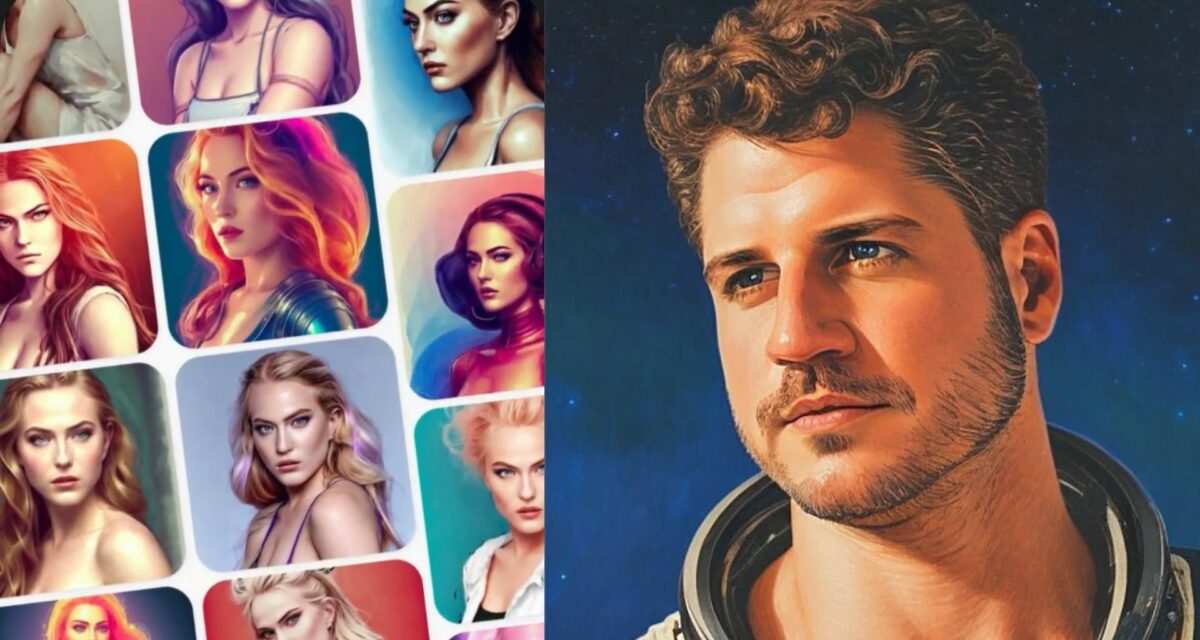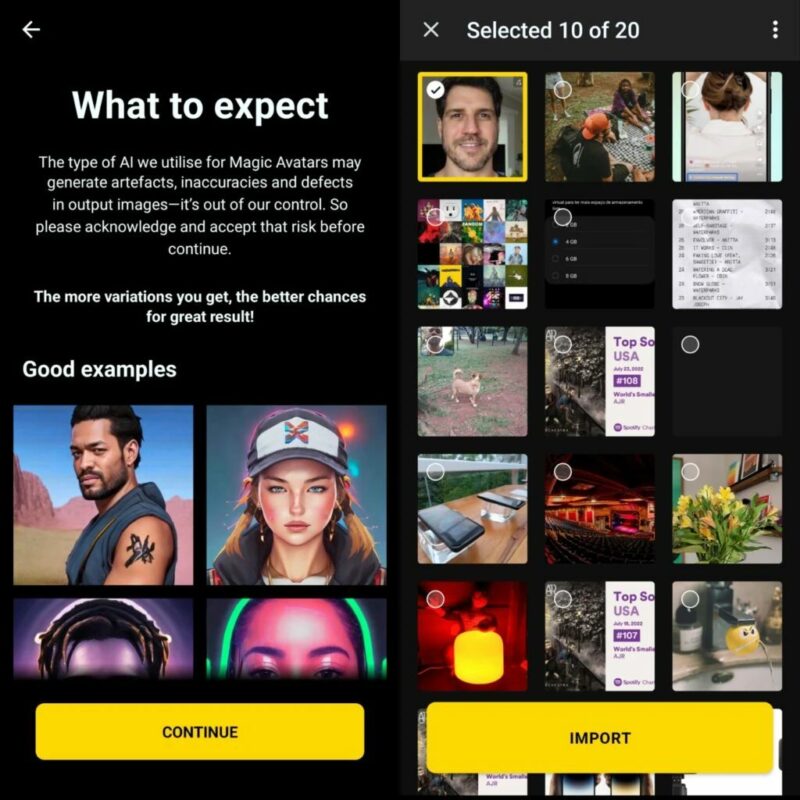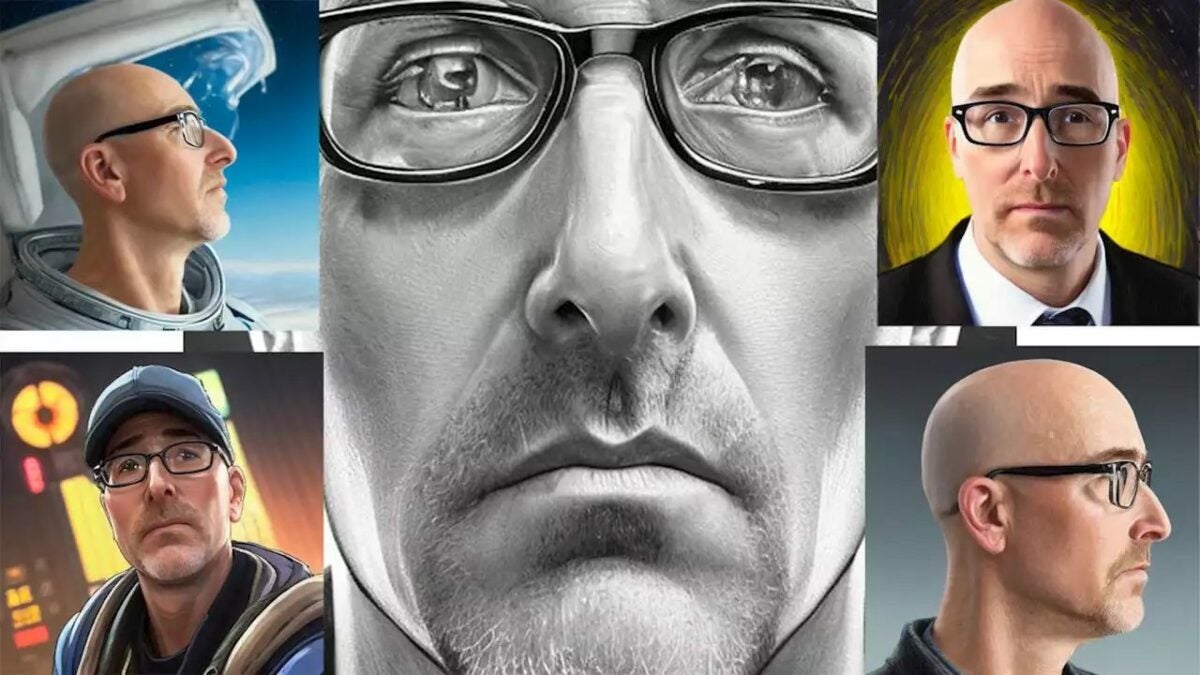
If you’ve been on social media lately, you’ll likely have noticed a larger proportion of your mutuals posting illustrated selfies thanks to AI apps like Lensa. In the old days, these images were skillfully created by digital artists. Now, though, they’re generated by ‘artificial intelligence.’
The rise of AI-generated artwork is something that’s been greeted with mixed feelings. Artists, whom this technology undercuts and displaces, are angry that such technology exists. Understandably so. There’s also still a lot that needs to be determined in terms of who owns these images, how exactly they’re created, and whether or not they’re an affront to the entire concept of copyrighting an image or digital artistic creation.
However, there’s another, even more complicated human response triggered by these pieces; the feeling you get when you see yourself portrayed in a non-human-made illustration. In many cases, this isn’t a terribly positive feeling, as Lensa has been known to change aspects of your likeness to suit the image, environment, or situation depicted.
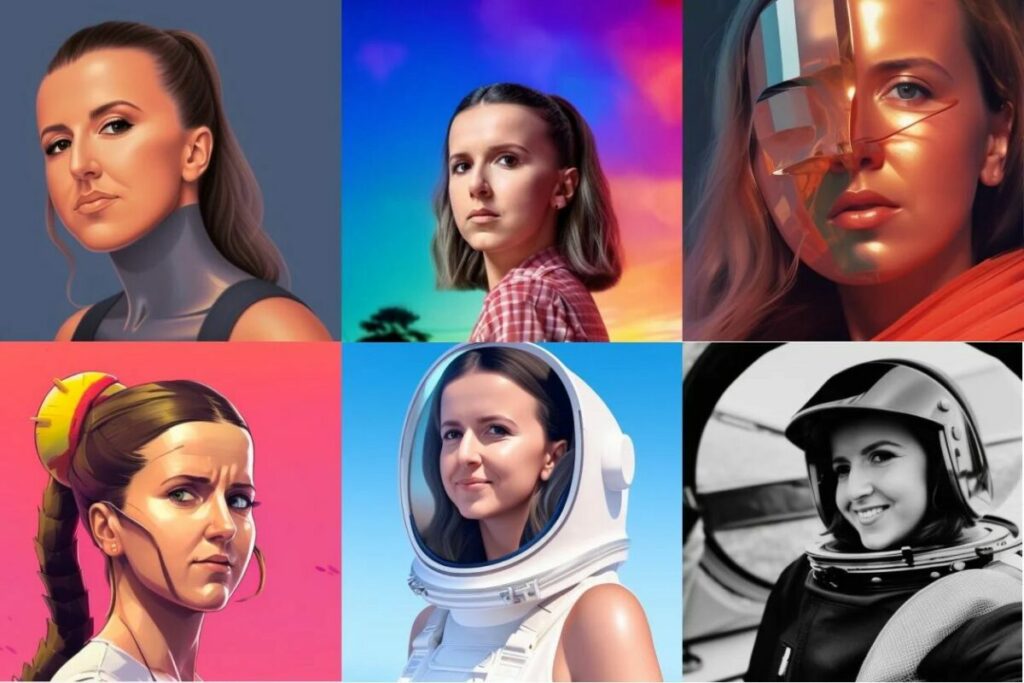
See, while human artists try to capture your unique beauty without altering anything about you, so-called AI doesn’t have the same concerns. Instead, AI surprisingly has very human biases. By this, I mean that Lensa typically tries to make its subjects more attractive, wherever possible.
However, the beauty standards that Lensa follows are landing the app in hot water. While the current rhetoric of the day is that all bodies are beautiful and that people should embrace what they look like instead of eating better, exercising, or trying to live a healthier life, Lensa is still noticeably shrinking its subjects down, should they have a few extra pounds to lug around.
Another thing that Lensa is accused of doing is whitewashing people’s faces if they have darker complexions. This isn’t the racist or fatphobic issue that people make it out to be. The issue here is that you’re not dealing with true artificial intelligence, as it were. You’re dealing with an app that takes your facial features and slaps them onto another photograph or picture that matches up with your prompts. Additionally, yes, there’s a massive move toward acceptance of all shapes and sizes, but the cover models for many beauty magazines are still edited to appear smaller, particularly in countries where a smaller physique is more desirable.
However, these poorly generated portraits are not the reason that Lensa is so popular right now. That honor belongs to the images that are generated in such a way that they please the subject. Psychology dictates that there may be a vanity-related reason that explains Lensa’s popularity. We like seeing ourselves portrayed in media.
According to Michigan State University Associate Professor of Media and Information, Rabindra Ratan, ‘What we consistently find is that a small boost in ‘attractiveness’ in your avatar is good for your confidence.’ Ratan explains further that ‘It doesn’t make you feel deceptive. It makes you feel like your good traits are just a tad bit magnified.’ However, Ratan also states that ‘If that boost is too great, then it’s harmful and problematic for a host of reasons.’
So, there are some people who like that Lensa changes the way they look, and those who despise it. However, even the people who don’t like how much the app alters their appearance will likely download it and recommend it to their friends. Another thing that humans have in common is our morbid curiosity.