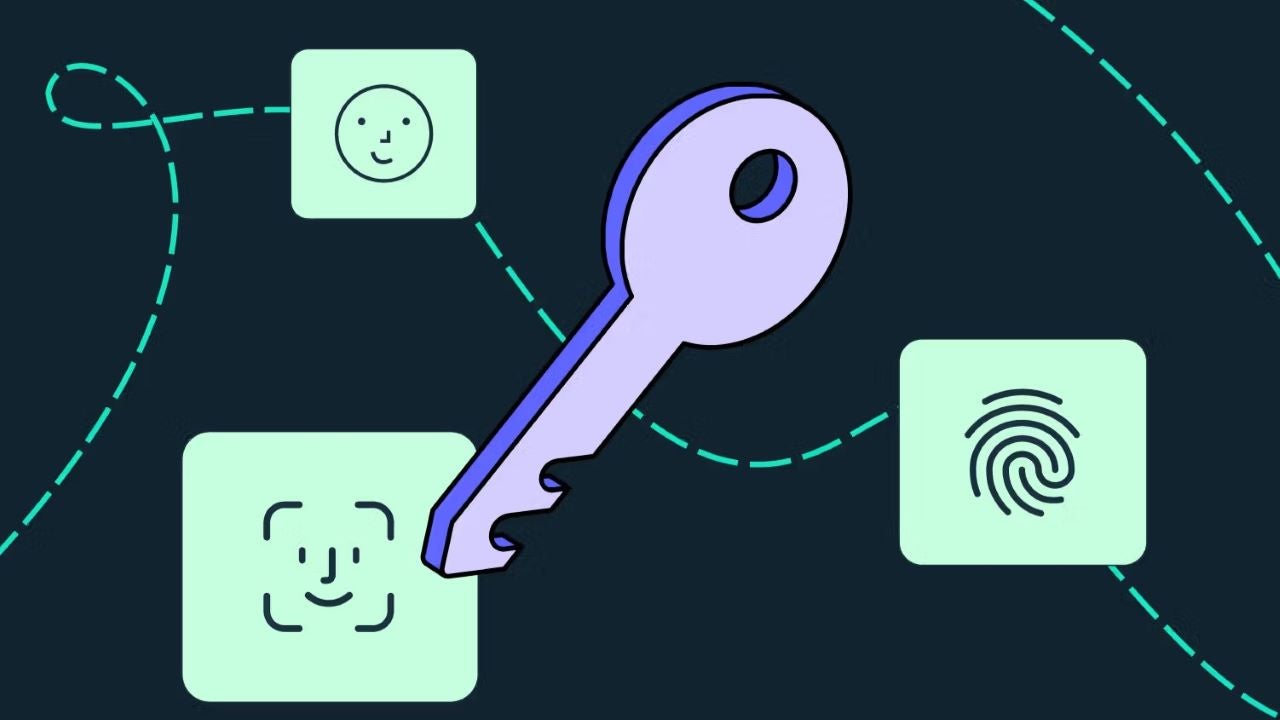
In the continuous evolution of cybersecurity, passkeys are emerging as a convenient solution for accessing accounts without the need for traditional passwords. This system uses cryptography to authenticate the user, allowing unlocking through biometric methods such as fingerprint or facial recognition, as well as PINs. Thus, it eliminates one of the biggest inconveniences of today’s digital life: the need to remember multiple passwords.
Change is Coming
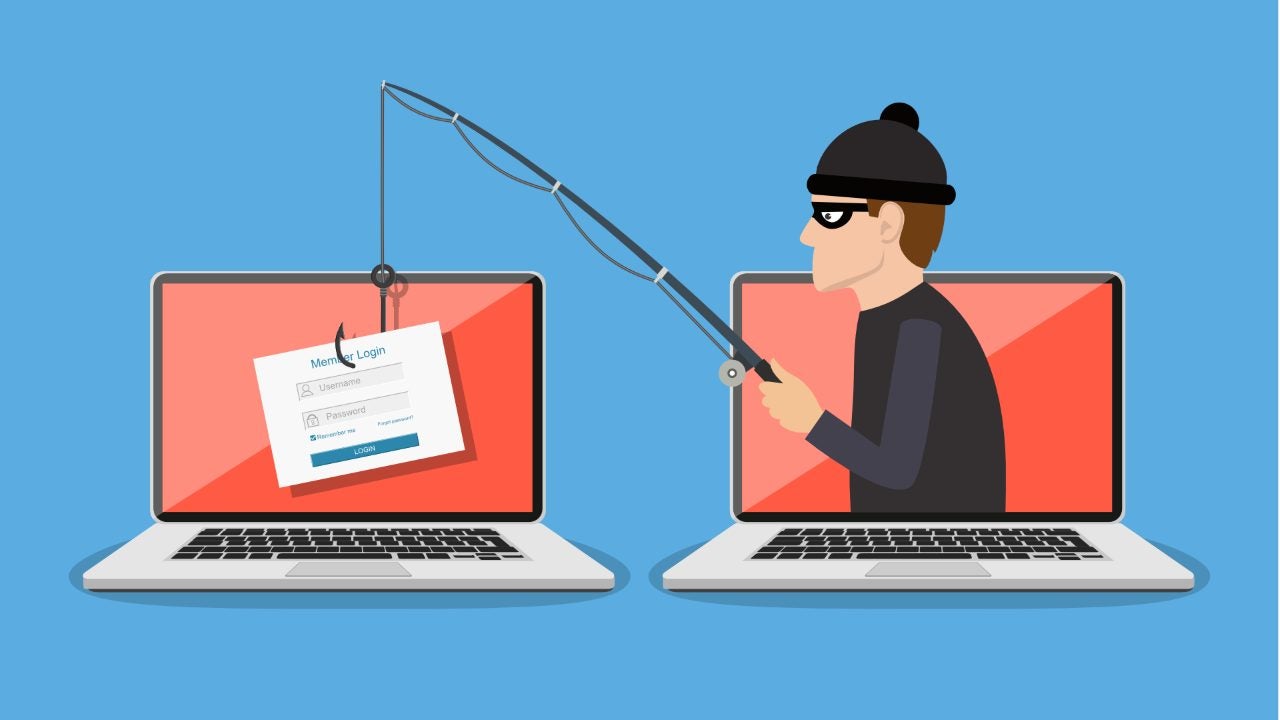
One of the main benefits of passkeys is their resistance to phishing. Unlike passwords that can be stolen through fake websites, passkeys do not allow this type of attack, significantly increasing security during login. Leading tech companies like Apple, Google, and Microsoft are backing this new standard, which is presented as a collective philosophy rather than just a commercial product.
In addition to improving security, passkeys promise to enhance the user experience by eliminating additional steps, such as verification via SMS or difficult-to-remember codes. However, concerns related to device loss persist, although it has been established that the recovery of passkeys can be linked to cloud synchronization or between devices.
Despite its advantages, the widespread adoption of passkeys faces obstacles. Not all users are ready for this transition, especially on platforms that still use traditional passwords or operate with hybrid systems. This is particularly relevant in shared environments, such as family or work devices, where managing access securely remains a challenge.
From a business perspective, passkeys are attractive due to their ability to reduce account theft and issues related to forgotten passwords. As more organizations adopt this technology, we could be witnessing the twilight of passwords as we know them. Maintaining a sensible backup method will be key in this new digital security landscape.