Access keys are revolutionizing digital access

In the ongoing evolution of cybersecurity, passkeys are emerging as a convenient solution for accessing accounts without the need for traditional passwords. This system uses cryptography to authenticate the user, allowing unlocking through biometric methods such as fingerprint or facial recognition, as well as PINs. Thus, it eliminates one of the biggest inconveniences of today’s digital life: the need to remember multiple passwords. Change is coming One of the main benefits of passkeys is their resistance to phishing. Unlike passwords that can be stolen through […]

In the continuous evolution of cybersecurity, passkeys are emerging as a convenient solution for accessing accounts without the need for traditional passwords. This system uses cryptography to authenticate the user, allowing unlocking through biometric methods such as fingerprint or facial recognition, as well as PINs. Thus, it eliminates one of the biggest inconveniences of today’s digital life: the need to remember multiple passwords.

Change is Coming

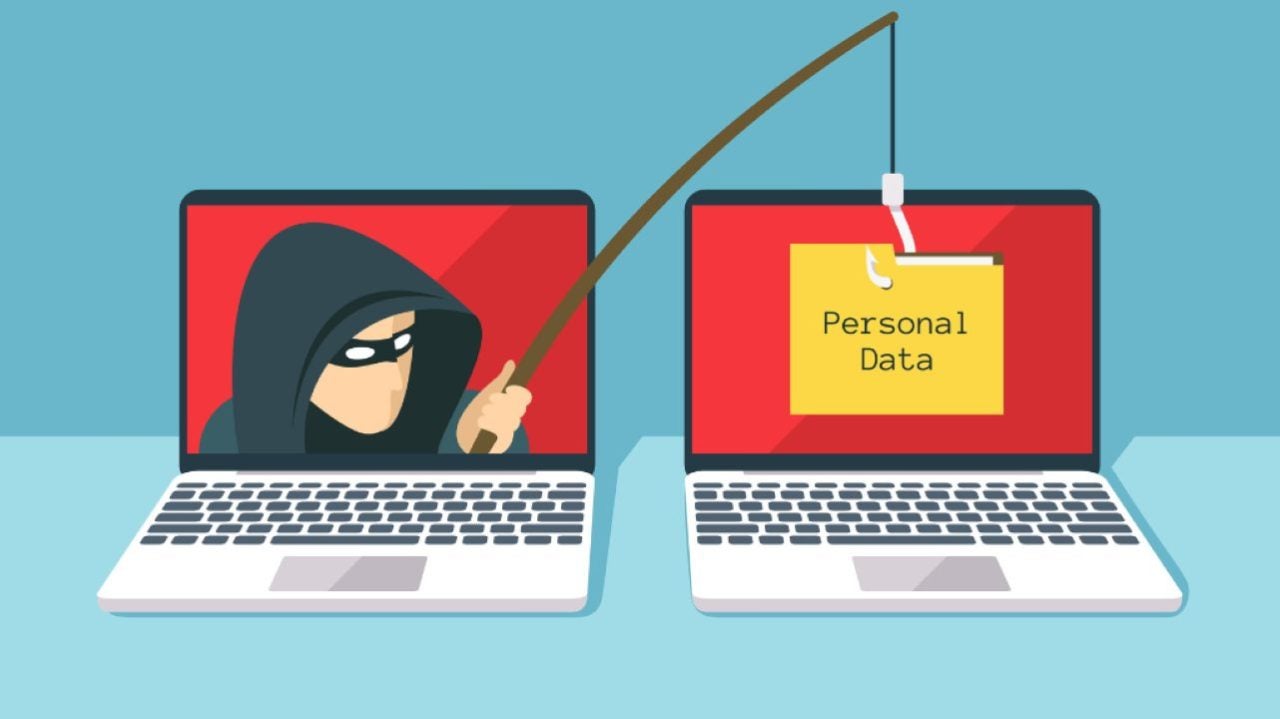
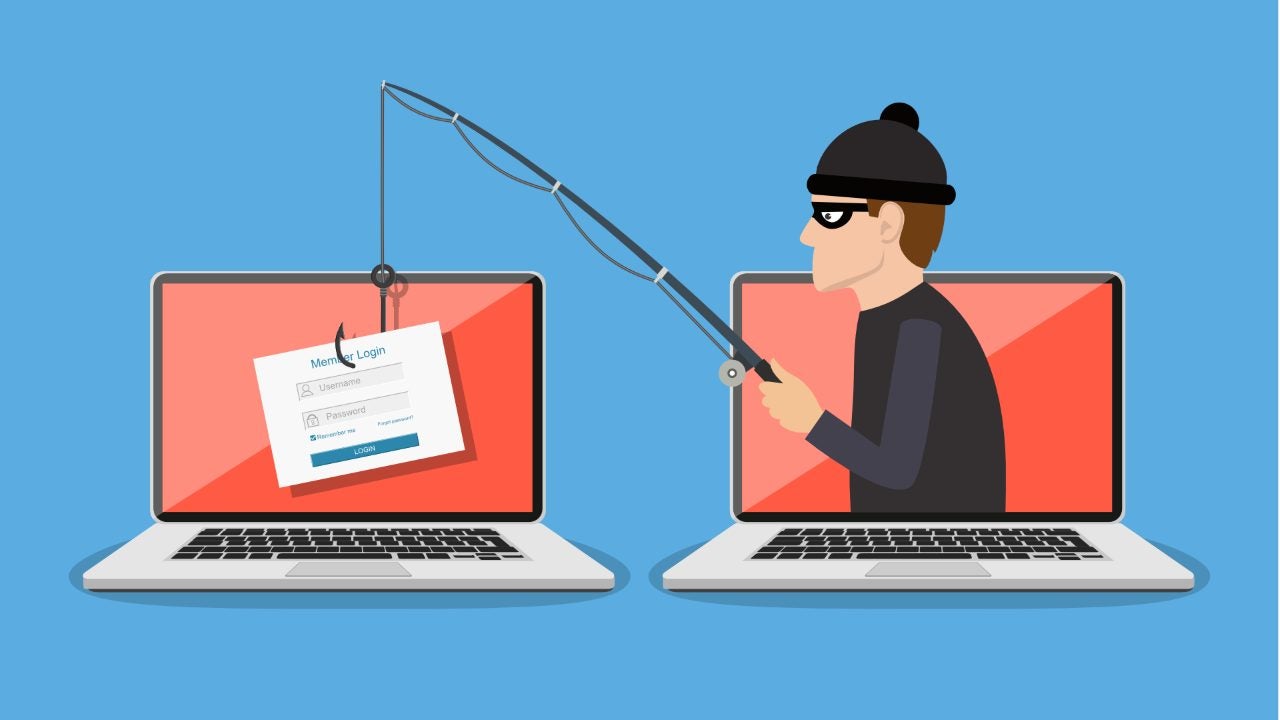
One of the main benefits of passkeys is their resistance to phishing. Unlike passwords that can be stolen through fake websites, passkeys do not allow this type of attack, significantly increasing security during login. Leading tech companies like Apple, Google, and Microsoft are backing this new standard, which is presented as a collective philosophy rather than just a commercial product.

In addition to improving security, passkeys promise to enhance the user experience by eliminating additional steps, such as verification via SMS or difficult-to-remember codes. However, concerns related to device loss persist, although it has been established that the recovery of passkeys can be linked to cloud synchronization or between devices.

Despite its advantages, the widespread adoption of passkeys faces obstacles. Not all users are ready for this transition, especially on platforms that still use traditional passwords or operate with hybrid systems. This is particularly relevant in shared environments, such as family or work devices, where managing access securely remains a challenge.
From a business perspective, passkeys are attractive due to their ability to reduce account theft and issues related to forgotten passwords. As more organizations adopt this technology, we could be witnessing the twilight of passwords as we know them. Maintaining a sensible backup method will be key in this new digital security landscape.

Las claves de acceso están revolucionando el acceso digital

En la evolución continua de la ciberseguridad, los passkeys están emergiendo como una solución conveniente para el acceso a cuentas sin la necesidad de contraseñas tradicionales. Este sistema utiliza criptografía para autenticar al usuario, permitiendo el desbloqueo a través de métodos biométricos como la huella dactilar o el reconocimiento facial, así como PINs. Así, se elimina uno de los mayores inconvenientes de la vida digital actual: la necesidad de recordar múltiples contraseñas.

El cambio está llegando

Uno de los principales beneficios de los passkeys es su resistencia al phishing. A diferencia de las contraseñas que pueden ser robadas a través de sitios web falsos, los passkeys no permiten este tipo de ataque, lo que incrementa significativamente la seguridad en el inicio de sesión. Compañías tecnológicas líderes como Apple, Google y Microsoft están respaldando este nuevo estándar, que se presenta como una filosofía colectiva en lugar de un simple producto comercial.

Además de mejorar la seguridad, los passkeys prometen facilitar la experiencia de los usuarios al eliminar pasos adicionales, como la verificación mediante SMS o códigos difíciles de recordar. Sin embargo, persisten preocupaciones relacionadas con la pérdida de dispositivos, aunque se ha establecido que la recuperación de passkeys puede vincularse con la sincronización en la nube o entre dispositivos.

A pesar de sus ventajas, la adopción generalizada de passkeys enfrenta obstáculos. No todos los usuarios están listos para esta transición, especialmente en plataformas que siguen utilizando contraseñas tradicionales o que operan con sistemas híbridos. Esto es especialmente relevante en entornos compartidos, como dispositivos familiares o laborales, donde gestionar el acceso de manera segura sigue siendo un reto.

Desde una perspectiva empresarial, los passkeys son atractivos debido a su capacidad para reducir el robo de cuentas y los problemas relacionados con contraseñas olvidadas. A medida que más organizaciones adopten esta tecnología, podríamos estar ante el ocaso de las contraseñas como las conocemos. Mantener un método de respaldo sensato será clave en este nuevo panorama de seguridad digital.

These new phishing tactics that take advantage of trust among senior executives

Recently, a sophisticated phishing attack has put companies on alert, especially those operating in the Middle East. Malicious actors managed to impersonate an ongoing email thread between high-level executives, using a phishing link that mimicked a Microsoft authentication form, demonstrating a clever execution of social engineering. The clever impersonation technique The attack began with a compromised sales manager account in a contracting company, allowing the insertion of a malicious message into a legitimate conversation. This tactic exploits trust […]

Recently, a sophisticated phishing attack has put companies on alert, especially those operating in the Middle East. Malicious actors managed to impersonate an ongoing email thread between high-level executives, using a phishing link that mimicked a Microsoft authentication form, demonstrating a clever execution of social engineering.

The Ingenious Identity Theft Technique

The attack began with a compromised sales manager account at a contracting company, allowing the insertion of a malicious message into a legitimate conversation. This tactic, which exploits trust and communication within organizations, has proven to be particularly effective, as attackers took advantage of genuine emails between employees to create an appearance of normalcy in their phishing emails.

Researchers have linked the incursion to an active campaign since December 2025, which has primarily targeted companies in the financial and energy sectors in the region. The investigation revealed the use of EvilProxy, a phishing tool that evades traditional detections, by introducing a proxy system that allows attackers to operate undetected.

This type of attack not only takes advantage of technical vulnerabilities but also crafts human workflows, making emails appear perfect, which makes them harder to detect by filtering systems like DMARC. As remote work becomes normalized and asynchronous approval processes become common, companies face an increased risk of compromises.

The importance of having adequate defense measures has grown significantly. Tools like ANY.RUN provide the ability to detect phishing behaviors in real-time, shortening response times to incidents and strengthening corporate cybersecurity.

This phishing campaign uses legitimate RMM software to deceive victims

A new phishing campaign has emerged, marking a significant shift in the tactics used by cybercriminals. According to a report from Abnormal AI, attackers are employing legitimate remote monitoring and management (RMM) software to lure their victims, representing an alarming evolution in the way these digital frauds are carried out. The increasingly sophisticated new tactics The use of legitimate RMM software not only puts unsuspecting users at risk but also makes it harder for security platforms to detect these attacks. The campaign has been specifically designed […]

A new phishing campaign has emerged, marking a significant shift in the tactics used by cybercriminals. According to a report by Abnormal AI, attackers are using legitimate remote management software (RMM) to lure their victims, representing an alarming evolution in the way these digital frauds are carried out.

The increasingly sophisticated new tactics

The use of legitimate RMM software not only puts unsuspecting users at risk but also hinders the detection of these attacks by security platforms. The campaign has been specifically designed to deceive users by offering programs that appear to be safe and trustworthy. This causes victims, believing they are installing a legitimate tool, to grant access to their systems to the attackers.

This advance in phishing methods highlights the growing sophistication of cybercriminals, who are always looking for new ways to exploit user trust. Instead of traditional suspicious emails, this campaign uses a strategy that presents itself as legitimate, increasing the chances of success for the attacks. Experts suggest that users should be increasingly vigilant for warning signs and verify the authenticity of any software they are considering downloading.

Although it is a concerning phenomenon, some analysts believe that this type of attack could be just the tip of the iceberg. Speculation suggests that cybercriminals will continue to refine their tactics in an effort to evade current security measures. The increase in the use of tools that seem trustworthy underscores the importance of ongoing cybersecurity education for users, as well as the need for companies to strengthen their defense protocols.

A new phishing scam targets users with personalized messages

A global phishing campaign has been identified that employs personalized emails and fake websites as a method to distribute malware. This technique, which has caught the attention of cybersecurity experts, uses a tool called UpCrypter to carry out the distribution of malicious software. Posing as legitimate organizations, the strategy behind this campaign consists of sending emails designed to look legitimate, allowing attackers to deceive victims and make them interact with links that lead to fraudulent sites. These sites are cleverly designed to mimic well-known organizations, thus increasing […]

A global phishing campaign has been identified that uses personalized emails and fake websites as a method to distribute malware. This technique, which has caught the attention of cybersecurity experts, employs a tool called UpCrypter to carry out the distribution of malicious software.

Pretending to be legitimate organizations

The strategy behind this campaign consists of sending emails designed to look legitimate, allowing attackers to deceive victims and make them interact with links that lead to fraudulent sites. These sites are cleverly designed to mimic well-known organizations, thus increasing the chances that users will fall into the trap. It has been observed that the emails are highly personalized, suggesting that the attackers have conducted prior research on their targets.

UpCrypter, the tool used for malware distribution, has been the subject of study by cybersecurity researchers. This software allows attackers to hide the true purpose of malicious files, making it difficult for traditional security programs to detect them. Thus, cybercriminals can disseminate malware more effectively and ultimately compromise the security of entire devices and networks.

Specialized circles are urging users to take precautions, highlighting the importance of verifying the authenticity of emails before clicking on unknown links. Organizations must implement robust security practices and ensure that their employees are trained to recognize phishing attempts. Although this campaign has been warned about, experts continue to investigate its repercussions and the extent of the malware. Cybersecurity companies may continue to uncover more about the tactics used in this type of attack.