Access keys are revolutionizing digital access

In the ongoing evolution of cybersecurity, passkeys are emerging as a convenient solution for accessing accounts without the need for traditional passwords. This system uses cryptography to authenticate the user, allowing unlocking through biometric methods such as fingerprint or facial recognition, as well as PINs. Thus, it eliminates one of the biggest inconveniences of today’s digital life: the need to remember multiple passwords. Change is coming One of the main benefits of passkeys is their resistance to phishing. Unlike passwords that can be stolen through […]

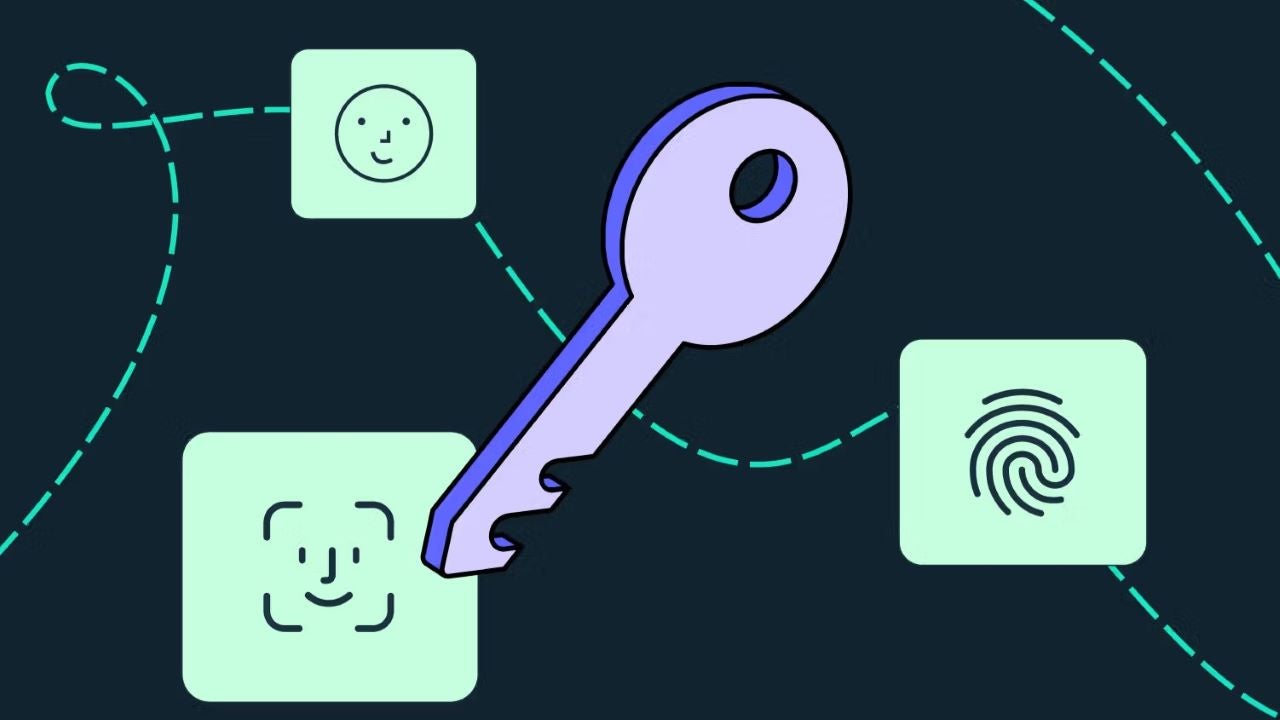
In the continuous evolution of cybersecurity, passkeys are emerging as a convenient solution for accessing accounts without the need for traditional passwords. This system uses cryptography to authenticate the user, allowing unlocking through biometric methods such as fingerprint or facial recognition, as well as PINs. Thus, it eliminates one of the biggest inconveniences of today’s digital life: the need to remember multiple passwords.

Change is Coming

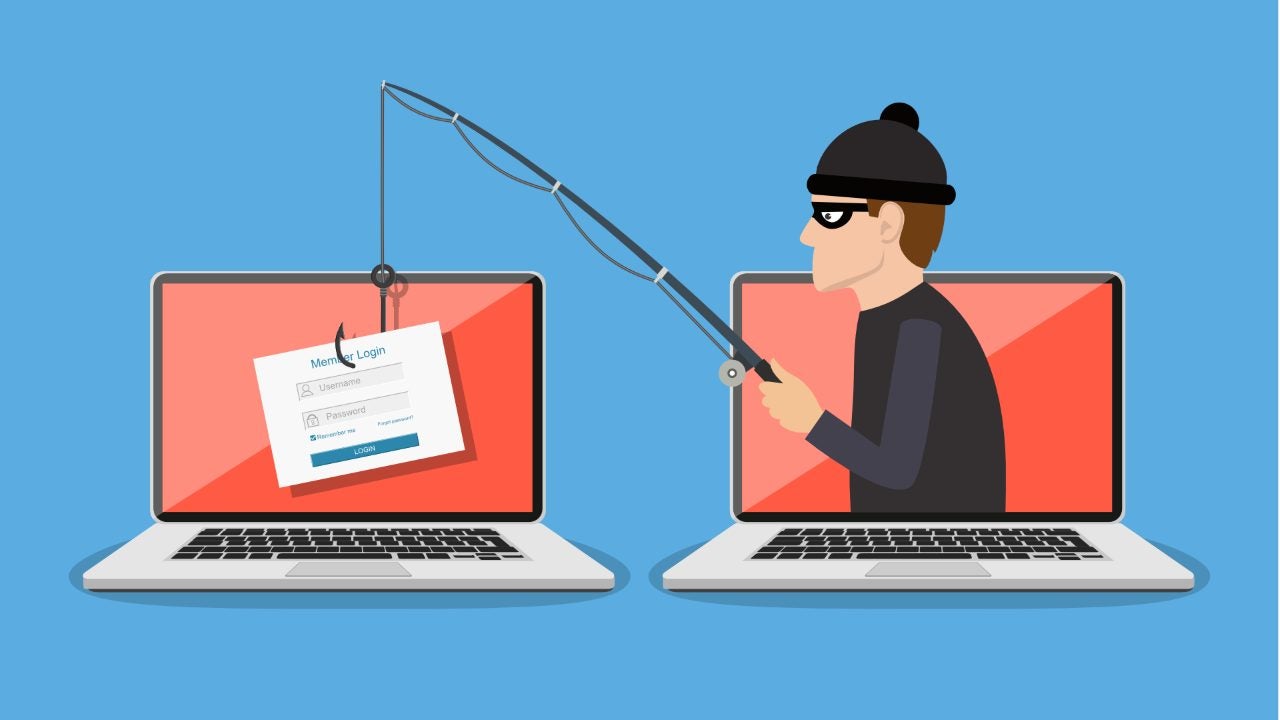
One of the main benefits of passkeys is their resistance to phishing. Unlike passwords that can be stolen through fake websites, passkeys do not allow this type of attack, significantly increasing security during login. Leading tech companies like Apple, Google, and Microsoft are backing this new standard, which is presented as a collective philosophy rather than just a commercial product.

In addition to improving security, passkeys promise to enhance the user experience by eliminating additional steps, such as verification via SMS or difficult-to-remember codes. However, concerns related to device loss persist, although it has been established that the recovery of passkeys can be linked to cloud synchronization or between devices.

Despite its advantages, the widespread adoption of passkeys faces obstacles. Not all users are ready for this transition, especially on platforms that still use traditional passwords or operate with hybrid systems. This is particularly relevant in shared environments, such as family or work devices, where managing access securely remains a challenge.
From a business perspective, passkeys are attractive due to their ability to reduce account theft and issues related to forgotten passwords. As more organizations adopt this technology, we could be witnessing the twilight of passwords as we know them. Maintaining a sensible backup method will be key in this new digital security landscape.


Las claves de acceso están revolucionando el acceso digital

En la evolución continua de la ciberseguridad, los passkeys están emergiendo como una solución conveniente para el acceso a cuentas sin la necesidad de contraseñas tradicionales. Este sistema utiliza criptografía para autenticar al usuario, permitiendo el desbloqueo a través de métodos biométricos como la huella dactilar o el reconocimiento facial, así como PINs. Así, se elimina uno de los mayores inconvenientes de la vida digital actual: la necesidad de recordar múltiples contraseñas.

El cambio está llegando

Uno de los principales beneficios de los passkeys es su resistencia al phishing. A diferencia de las contraseñas que pueden ser robadas a través de sitios web falsos, los passkeys no permiten este tipo de ataque, lo que incrementa significativamente la seguridad en el inicio de sesión. Compañías tecnológicas líderes como Apple, Google y Microsoft están respaldando este nuevo estándar, que se presenta como una filosofía colectiva en lugar de un simple producto comercial.

Además de mejorar la seguridad, los passkeys prometen facilitar la experiencia de los usuarios al eliminar pasos adicionales, como la verificación mediante SMS o códigos difíciles de recordar. Sin embargo, persisten preocupaciones relacionadas con la pérdida de dispositivos, aunque se ha establecido que la recuperación de passkeys puede vincularse con la sincronización en la nube o entre dispositivos.

A pesar de sus ventajas, la adopción generalizada de passkeys enfrenta obstáculos. No todos los usuarios están listos para esta transición, especialmente en plataformas que siguen utilizando contraseñas tradicionales o que operan con sistemas híbridos. Esto es especialmente relevante en entornos compartidos, como dispositivos familiares o laborales, donde gestionar el acceso de manera segura sigue siendo un reto.

Desde una perspectiva empresarial, los passkeys son atractivos debido a su capacidad para reducir el robo de cuentas y los problemas relacionados con contraseñas olvidadas. A medida que más organizaciones adopten esta tecnología, podríamos estar ante el ocaso de las contraseñas como las conocemos. Mantener un método de respaldo sensato será clave en este nuevo panorama de seguridad digital.

This new initiative aims to make cybersecurity advice accessible to everyone

A new resource aimed at dismantling misconceptions about cybersecurity has been launched. Hacklore.org, a platform conceptualized by Bob Lord, former cybersecurity official at Yahoo and the Democratic National Committee, seeks to replace outdated myths with fact-based advice. This initiative is presented as a joint effort by more than 80 industry professionals, who have signed an open letter calling for a shift towards practical and effective cybersecurity guidance. Practical cybersecurity solutions Among the myths that hacklore.org aims to challenge are the recommendations to frequently change passwords and to avoid using QR codes. According to […]

A new resource aimed at dismantling misconceptions about cybersecurity has been launched. Hacklore.org, a platform conceptualized by Bob Lord, former cybersecurity official at Yahoo and the Democratic National Committee, seeks to replace outdated myths with fact-based advice. This initiative is presented as a joint effort by more than 80 industry professionals, who have signed an open letter calling for a shift towards practical and effective guidance in cybersecurity.

Practical Cybersecurity Solutions

Among the myths that hacklore.org aims to challenge are the recommendations to change passwords frequently and to avoid using QR codes. According to Lord, these ideas, which have circulated for years and have been considered hard-earned wisdom, are not necessarily effective and may divert attention from more concrete and useful steps. The platform’s focus is to promote the use of strong passwords, multifactor authentication, and constant software updates, aspects that can truly enhance users’ digital security.

Lord points out that the goal is to make information about digital security more accessible and applicable for everyday users and small organizations. By replacing fear with facts, we can make digital security advice more accurate and effective for everyone, Lord stated. The initiative is also backed by major companies like Microsoft and Okta, as well as academics in the field of cybersecurity, who support the implementation of secure-by-default software designs.

As hacklore.org begins to operate, the challenge of changing public perception about cybersecurity looms as a daunting task. Ask me again in a year, Lord joked referring to the future of the platform. However, the direction is clear: a data-driven and fact-based approach is crucial for advancing digital protection.

A study reveals the security risks of cloud-based access keys

Recent warnings from the FIDO Alliance and Yubico have highlighted the insecurity of implementing synchronized passkeys in organizational environments. Although these credentials offer convenience for the user through synchronization via cloud services like iCloud or Google Cloud, they also significantly expand the attack surface, increasing vulnerability to man-in-the-middle attacks and phishing techniques. Passkeys: the double-edged sword Researchers have demonstrated that compromised browser environments can manipulate WebAuthn records and accesses without compromising the cryptography of the passkeys. This […]

Recent warnings from the FIDO Alliance and Yubico have highlighted the insecurity of implementing synchronized passkeys in organizational environments. Although these credentials offer convenience for the user through synchronization via cloud services like iCloud or Google Cloud, they also significantly expand the attack surface, increasing vulnerability to man-in-the-middle attacks and phishing techniques.

Passkeys: the double-edged sword

Researchers have demonstrated that compromised browser environments can manipulate WebAuthn logs and accesses without compromising the cryptography of passkeys. This is achieved through malicious extensions or by exploiting existing vulnerabilities, allowing attackers to perform actions such as code injection or hijacking authentication processes. The security of the implementation is compromised, particularly when users are induced to select weaker authentication methods, such as SMS or OTP, by a malicious proxy that intercepts communication.

In contrast, device-linked passkeys, which generally require secure hardware components for their generation and use, offer more robust control over device signals and lifecycle management. This approach not only enhances security but also allows organizations to conduct more effective audits of their authentication systems.

Therefore, both the FIDO Alliance and Yubico recommend that companies reconsider the implementation of synchronized passkeys, opting instead for solutions that are tied to devices to ensure greater protection. The convenience offered by synchronized passkeys should not compromise the integrity of access security in business environments.

HBO Max is going to prohibit you from sharing your password, and it will get aggressive about it

When streaming services first started, they promised you that they would never turn their back on you: zero ads, you can share passwords, we are your friends. And now… Well, now… HBO Max is preparing to implement an aggressive campaign aimed at eradicating password sharing among its subscribers. According to JB Perrette, HBO Max’s streaming director, the company has been conducting tests for several months to identify “legitimate users” versus those who are not. HBO: Are you looking for trouble? The strategy, which will intensify in the fourth quarter of this […]

When it all started in streaming services, they promised you that they would never turn their back on you: zero ads, you can share passwords, we are your friends. And now… Well, now… HBO Max is preparing to implement an aggressive campaign aimed at eradicating password sharing among its subscribers. According to JB Perrette, director of streaming at HBO Max, the company has been conducting tests for several months to identify “legitimate users” versus those who are not.

HBO: Are you looking for trouble?

The strategy, which will be intensified in the fourth quarter of this year, aims to transform the current communication regarding password sharing, which has so far been more optional, into a firmer message that requires users to take concrete actions. Perrette has noted that the language used in this communication will be less lenient, seeking to make subscribers understand that they need to adjust their usage habits.

HBO Max had previously announced the possibility of adding users outside the household for an additional fee. However, this service does not seem to be a very attractive option for users, given that HBO Max’s rates tend to be higher, especially when compared to packages from other streaming services that offer more competitive prices.

The decision to eliminate password sharing responds to the recent trend among streaming platforms to better monetize their subscriptions. In an increasingly saturated market, where companies are looking for ways to increase their revenue amid growing competition, HBO Max seems determined to shake off the practice of account sharing.

Thus, users who share their HBO Max account with people outside their home will be forced to pay more or look for alternatives in the wide ecosystem of available streaming services. This marks a significant change in the way content platforms are handling access and monetization of their services.