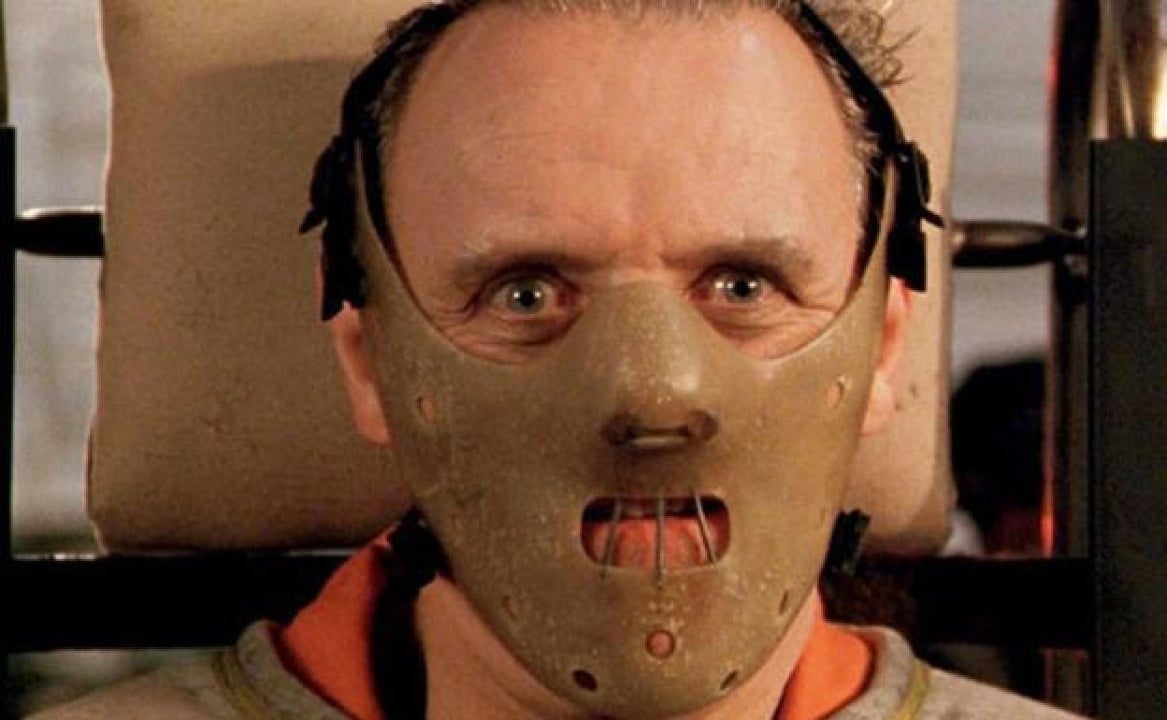
Steven Spielberg, one of the most influential filmmakers in the history of cinema, has revealed his regret for not having directed The Silence of the Lambs, a film that became a classic of the 90s and won five Academy Awards. This masterpiece, directed by Jonathan Demme, has left an indelible mark on cinematic culture, and Spielberg has realized the mistake he made by not taking on the direction. Spielberg turned down one of the biggest films of the 90s In a recent interview, the director of Jurassic Park shared that his own team considered […]
Steven Spielberg, one of the most influential filmmakers in the history of cinema, has revealed his regret for not having directed The Silence of the Lambs, a film that became a classic of the 90s and won five Academy Awards. This masterpiece, directed by Jonathan Demme, has left an indelible mark on cinematic culture, and Spielberg has realized the mistake he made by not taking on the direction.
Spielberg rejected one of the biggest movies of the 90s
In a recent interview, the director of Jurassic Park shared that his own team considered the script of The Silence of the Lambs to be inappropriate for him, which led to the choice of Demme. This announcement has reignited the debate about the movies that could have been, but which, due to creative decisions, never materialized under Spielberg’s vision. The filmmaker indicates that, after watching the film, he understood Demme’s success and regrets not having been behind the camera.
Interestingly, the same year that The Silence of the Lambs was released, Spielberg launched Hook, a film that, despite its commercial success of grossing 300 million dollars, did not satisfy the director. Spielberg has been outspoken about his dissatisfaction with the film, admitting that “he had no idea what he was doing” and that, in fact, he feels embarrassed by the final result.
Spielberg’s story reflects the dilemma faced by many directors: the balance between commercial success and personal satisfaction with art. Projects like The Silence of the Lambs highlight the brilliance of cinematography and the fate of films that, due to unexpected circumstances, do not end up in the hands of those who could have given them a distinctive touch.
Between the late 70s and the mid-90s, horror cinema was dominated by slashers. Supernatural serial killers who hunted down teenagers who had committed some kind of moral failing and had to be punished by the murderous headlines of their films. Becoming true icons of their franchises, the most popular ones are now figures of pop culture. Freddy Kruger, Jason Vorhees, or Michael Myers are fondly and passionately remembered, largely due to their enormous charisma and personality. And the fact that two of them didn’t even open their mouths […]
Between the late 70s and the mid-90s, horror cinema was dominated by slashers. Supernatural serial killers who hunted down teenagers that had committed some kind of moral failing and had to be punished by the murderous headlines of their films. Becoming true icons of their franchises, the most popular are now figures of pop culture. Freddy Kruger, Jason Vorhees, and Michael Myers are fondly and passionately remembered, largely due to their immense charisma and personality. And the fact that two of them didn’t even utter a word in more than ten films.
But even the slashers that didn’t have that level of impact were based on this premise and this appeal. That the titular slasher, that mysterious and seemingly invincible killer, had a charisma that made it easy to side with him, even if the protagonists, those suffering teenagers, didn’t necessarily deserve to die. This also happened in one of the most revered franchises of the genre from the 90s: I Know What You Did Last Summer.
A long-standing franchise
I Know What You Did Last Summer was born in 1973 as a young adult suspense novel written by Lois Duncan. At the time of its publication, it received a very modest reception, and that is understandable. Although it is entertaining on the thriller side, managing to maintain suspense, the writing is not particularly brilliant and the characters lack interesting development, making everything rely on the interest of its premise and the strength of its development: a group of teenage kids receive a mysterious note saying “I know what you did last summer,” referring to what they did when they hit a boy on a bike whom they thought was dead and believed no one had seen them.
Although the novel never manages to elevate its interest beyond the strength of its premise, it is memorable enough that more than 20 years later it was revived in Hollywood. Because in 1997, I Know What You Did Last Summer was released.
Directed by Jim Gillespie with a script by Kevin Williamson, who had previously written both Scream and Dawson’s Creek, they decided to base it on the novel but adapt it to their own interests. They took the basic premise we have already discussed, but the rest of the story would focus on how they are stalked by a killer with a hook who seeks to murder them in the most brutal and agonizing way possible, in true slasher style.
The movie was a success in every possible way. Costing just 17 million dollars, it managed to gross over 125. The reissue of the book for the movie’s release, which was not a great success at the time, sold 517,000 copies in just over a year. It received numerous award nominations and even though the critics did not adore it, they did not consider it an absolute failure: there was some dissent, with part of the critics tearing it apart, but another part claiming it was a good product of its time, considering that the slasher genre was in decline.
This led to a series of sequels of which only the first one is understood. I Still Know What You Did Last Summer premiered just a year later, in 1998, and, with a cost of only 24 million, it managed to gross 84 million at the box office. But without any award nominations and being absolutely panned by critics, they decided to give the franchise a break.
An interesting return to the origins
Because in 2006 they released, directly on DVD, I Still Know What You Did Last Summer 3. An even worse disaster than the second movie that seemed to condemn the film to oblivion forever: it was no longer the era of slashers. Or so it seemed until 2021 when they decided to release an adaptation on Prime Video that was more faithful to the original novel, titled I Know What You Did Last Summer, with James Wan as executive producer and belonging to the same cinematic universe. Although it was canceled in its first season, the reception was lukewarm, compared to the terrible reception of the two previous adaptations, and perhaps that encouraged them to the movie that is now coming to streaming: the definitive return of the franchise.
I Know What You Did Last Summer is not a reboot, but a direct sequel to I Still Know What You Did Last Summer. Taking place years later and following the surviving characters and how they lead their lives after the events of the first two films, it ignores everything that happened after those to focus on the films that were a success.
With a budget of 18 million dollars and revenues of just over 64 million at the box office, it was a modest success during its run in theaters. Critics were, once again, almost enthusiastic about the film, stating that its entire value lay in being a return to the origins of the franchise, appealing to nostalgia more than to a unique personality. Although that was precisely what captivated its fans: it is a film that knows how to capture what made the original movies interesting and replicate it in 2025, even if it doesn’t do anything particularly original with it.
If you fondly remember the franchise and want to see how good this third installment is, I Still Know What You Did Last Summer is available on Movistar Plus+ since February 19. However, we recommend that you don’t do anything questionable during the summer…