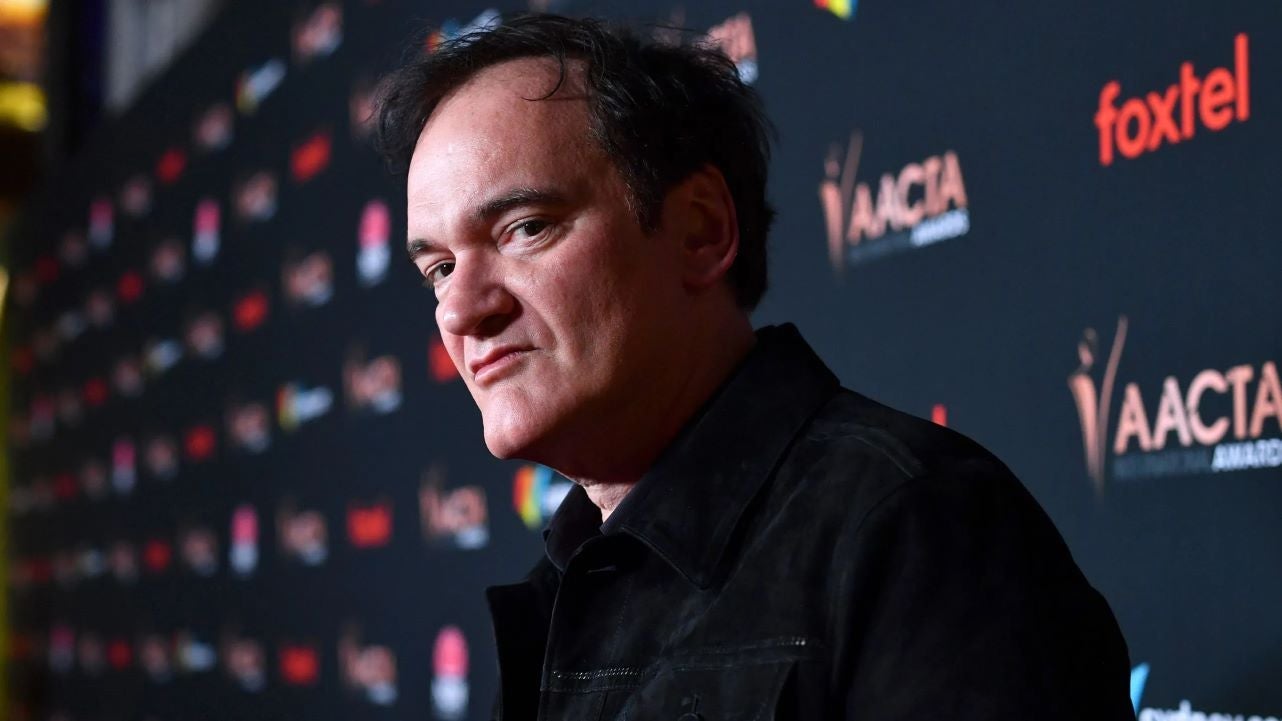
Quentin Tarantino, a renowned filmmaker of great titles like Pulp Fiction and Inglourious Basterds, has expressed his admiration for the so-called Dollar Trilogy, composed of A Fistful of Dollars (1964), For a Few Dollars More (1965), and The Good, the Bad and the Ugly (1966), all directed by Sergio Leone and starring Clint Eastwood. During an episode of the podcast Club Random with Bill Maher, Tarantino stated that he considers this trilogy to be the only one that “works completely and absolutely to the nth degree”.
Tarantino multiplied by three
The filmmaker emphasized how each installment not only improves in quality but also expands the original narrative. According to Tarantino, “the first movie is fantastic, but the second is just as good and takes the idea to a much larger place than the first”. This progression culminates in the third installment, which, like its predecessor, manages to take the story to new heights. This type of evolution in sequels is, according to him, something uncommon in most trilogies.
The Dollar Trilogy was not originally conceived as a continuous story, as each film can be enjoyed independently despite featuring the same actors. In each installment, the characters played by Eastwood have different names, which highlights the independence of the plots. This characteristic allowed United Artists, after the success of the first film, to decide to market the three as part of the same narrative, even though the stories were not initially connected.
Moreover, the music of Ennio Morricone plays a fundamental role in the atmosphere of these classic western genre films, becoming a key element that complements Leone’s visual direction and the performances of his actors. The masterpiece of these films continues to resonate in contemporary cinema and in the recommendations of filmmakers like Tarantino, who does not hesitate to share his passion for this cinematic legacy.