The streaming service that was supposed to be the alternative to Netflix for mobile and lasted half a year: the strange story of Quibi

2020 was the best possible year to launch a streaming service: everyone was stuck at home, wanting to entertain themselves in some way. For example, Disney+ took the opportunity to launch its service on March 24, and shortly after, on April 6, Quibi would do the same, an app that promised to kill Netflix by offering something they couldn’t: short-format series to watch while waiting for the bus or when you have five minutes to spare. Because, let’s be realistic, who has an hour to watch Black Mirror or Stranger Things? Quibi, not kiwi The founder of Quibi, Jeffrey Katzenberg, was not […]

2020 was the best possible year to launch a streaming service: everyone was stuck at home, wanting to entertain themselves in some way. For example, Disney+ took the opportunity to launch its service on March 24, and shortly after, on April 6, Quibi would do the same, an app that promised to kill Netflix by offering something they couldn’t: short-format series to watch while waiting for the bus or when you have five minutes to spare. Because, let’s be realistic, who has an hour to watch Black Mirror or Stranger Things?

Quibi, not kiwi

The founder of Quibi, Jeffrey Katzenberg, was not a nobody in Hollywood, far from it: he was the director of Walt Disney Studios for ten years, founded Dreamworks, and after two decades of success, he decided to try his next sure step towards becoming one of the most respected names in the industry: having his own streaming service. “Quibi” came from “Quick Bites” and never really resonated with the international audience. Despite the fact that, as TikTok has shown, the idea wasn’t bad.

We all have TikTok in our pockets, and we all spend hours and hours scrolling endlessly. Why not spend the time we spend watching recipes we will never make and mountain plans we won’t join… on watching series produced by a studio that have invested a good amount of money? Moreover, with a variety of options: the idea of Quibi was that you could watch any program vertically, but when you changed the position of the phone, the margins would expand and you could watch the same series in classic format. And whether you like it or not, in the middle of 2025, it still seems like a pretty incredible idea to me.

In one week, 1,700,000 people downloaded Quibi and took advantage of its 90-day free trial, but very few (estimated at 8%) ended up subscribing. In fact, one month after the launch, it was already in 125th place among the most downloaded apps on iPhone, and it continued to drop, with only 1,300,000 active users. And who did they blame? Well, of course, COVID. They had some reason; it was an app designed for urban life in the modern period of humanity when more people have stayed home without going out. And of course, when given the choice, a big TV with powerful sound will always be better than figuring out what’s happening on your little mobile screen.

Failbi

The original idea of Quibi was that it would only work on your smartphone, but they soon realized that if they wanted to succeed, they had no choice but to pivot, and they launched the possibility of watching series on television thanks to Chromecast or AirPlay, but it was already too late, the internet had made all the possible memes, no one gave a chance to their original content, and little by little it sank deeper and deeper. On October 21, just half a year after its launch, its closure was announced, leaving its nearly 500,000 subscribers worldwide devastated. To give you an idea, Netflix has around 300 million. Those were not good numbers, no.

On December 1st, the service finally closed its doors and some of the series were bought and aired by other services. In its defense, the ideas weren’t bad (although it was evident that the production was cheap). Things like 50 States of Fright -which had 2 seasons and episodes directed by the one and only Sam Raimi-, the reboot of The Fugitive, an episodic and at-home recreation of The Princess Bride, a documentary about Kirby Jenner (Kendall’s sister) or season 7 of Reno 911! had their audience. Small, but an audience nonetheless.

Of the dozens of projects announced -among which there was, for example, a series directed by Steven Spielberg– nothing more was heard. In fact, it is quite surprising that, of the billion dollars spent on creating original content, not a single dollar managed to stay in people’s minds or in popular culture. Quibi came offering something very different and aimed to reign, but it encountered the most uncomfortable truth of all: it simply did not understand anything that was happening around it and ended up being one of the most amusing victims of the streaming tyranny. Would it have been different without COVID? Frankly, with such a crazy idea and TikTok being free, it’s hard to imagine.
What is Quibi? A look at Hollywood’s $1 billion mobile video gamble

Steven Spielberg and Guillermo del Toro are in. Are you?

Quibi

Next year, a premium video service called Quibi will be available for your mobile devices. Hollywood is betting big money that this will be a hit. But will you be willing to pay? Here’s what we know…

What’s different about Quibi video?

Quibi is sort of like if Netflix and Vine had a baby. A subscription will get you access to short videos that are exclusive to the Quibi platform.

  • 7,000 episodes produced in the first year
  • Episodes no longer than 10 minutes
  • Paid subscription
  • Lower tier subscription means you’ll see one non-skippable pre-roll ad between 6-15 seconds

The videos will only be available on your mobile device, though you will be able to cast episodes from your phone to your TVs.

Quibi has exclusive rights to those videos for seven years. After two years, the creators can shop film-length versions of their stories to other platforms.

What will Quibi cost?

You’ll have to pay $5 a month if you’re willing to sit through ads. You can pay $8 per month to get rid of the ads entirely.

Quibi’s talent

Steven Spielberg

This is where Quibi really hopes to make a dent. Some big-name creators will be producing video that can only be accessed on the Quibi platform.

  • Steven Spielberg
  • Guillermo del Toro
  • Antoine Fuqua
  • Sam Raimi
  • Steven Soderbergh
  • Anna Kendrick
  • Doug Liman
  • Laurence Fishburne
  • Tyra Banks
  • Chrissy Teigen
  • Don Cheadle
  • Idris Elba
  • Stephen Curry’s Unanimous Media

The most intriguing project that’s been floated is Spielberg’s horror series called “After Dark.” Quibi will only allow you to watch the show after the sun has gone down in your area. Spooky! Cool! Slightly annoying!

Fuqua and Fishburne are working on a project called “#Freerayshawn” that will be two and a half hours long with a $15 million budget. Remember, that will be broken into at least 15 episodes. It tells the story of an Iraq War vet who gets set up by the police and barricades himself in his house with his girlfriend and child. As police surround the building, a social media movement erupts in Rayshawn’s defense.

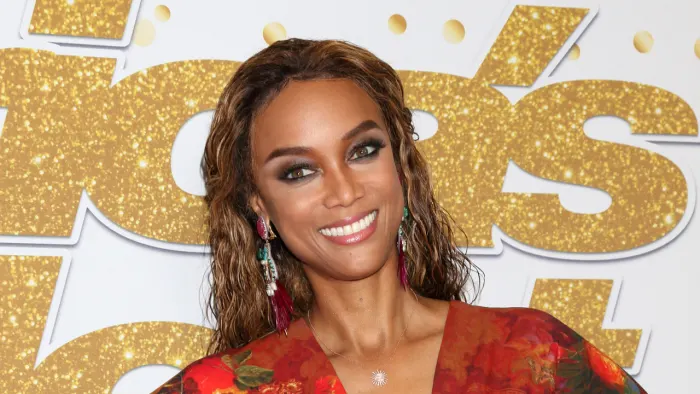
Tyra Banks

Tyra Banks will star and executive produce a documentary series titled “Beauty.” It’s supposed to examine and challenge the concept of traditional physical beauty.

Don Cheadle and Emily Mortimer will star in the sci-fi drama “Don’t Look Deeper.” The series is set “15 minutes into the future” and focuses on a high school senior who starts to think she’s not human.

Quibi will also feature a remake of MTV’s “Punk’d.” Neat.

Quibi’s leadership

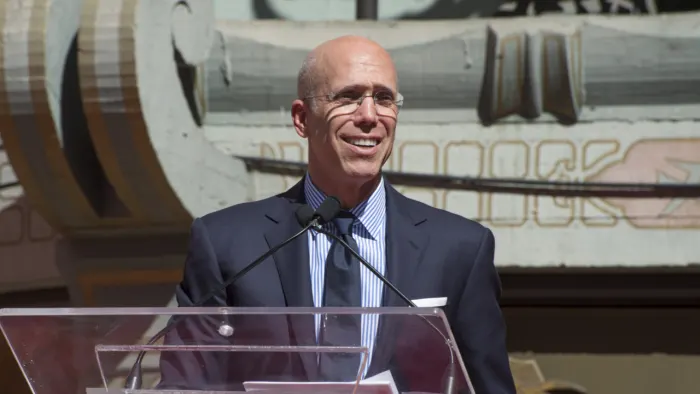
Jeffrey Katzenberg

Quibi’s talent extends beyond the filmmakers. You’ll know Quibi’s founder Jeffrey Katzenberg as the former chairman of Walt Disney studios during its late 80s/early 90s renaissance. Katzenberg was also the “K” in “Dreamworks SKG.”

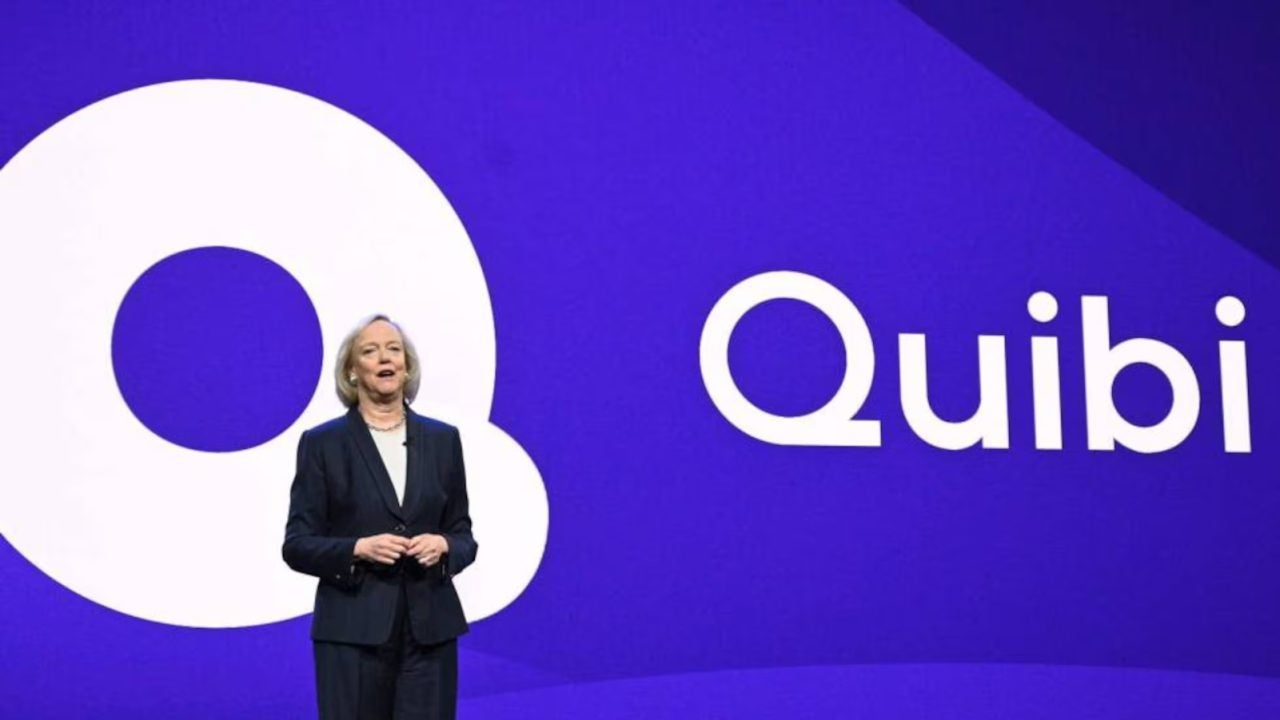
Quibi’s CEO is Meg Whitman, one of the most accomplished executives in technology. Her eye-popping resume includes leadership of Hewlett Packard and eBay. Forbes called her the 20th most powerful woman in the world in 2014.

Katzenberg and Whitman have already assembled $1 billion in funding. All the major movie studios are invested. They’ve already sold two-thirds of their first-year ad inventory.

When will Quibi come out?

Quibi is set to launch April 6, 2020.

Will Quibi succeed?

Streaming video

That is literally the $1 billion question. We know that mobile video consumption is on the rise, so maybe a premium product makes sense there. But there’s a huge difference between watching a goofy YouTube video on your phone and investing in a multi-part series with plotlines and character arcs.

The kind of content Quibi is offering almost demands a large screen. Yes, you can cast to the screen from your phone, but that is a giant pain. Will you use your phone while casting? What happens if you get a text in the middle of an episode? We know that 88% of Americans use a second device while watching TV. Scrolling through social media while watching a boring show has become a national pastime. But what if the Quibi show gets boring? Do you whip out a second device to entertain yourself?

The other issue is the sheer volume of competition. Alongside traditional network streaming options, there’s Netflix, Hulu, Prime Video, YouTube, and a dozen smaller players, all of which will work on mobile devices and TVs. We’re also anticipating launches of Apple TV+ and Disney+ this year. Gamers also spend a lot of time playing and watching Twitch. Sure, Quibi could get a foothold with people looking for a quick break between those other services, but being stuck on a mobile device reduces the likelihood anyone’s going to binge these stories.

Also, paying $5/month to be forced to watch ads is unlikely to work with today’s audiences. People are willing to accept ads for free content, and they don’t mind paying for really good ad-free content, but that middle ground leaves everyone unhappy. Expect Quibi to pivot to a totally free version with more ads if the model doesn’t catch on quickly.

We are producing more video than ever, but we’re also headed for an absolute bloodbath where a handful of providers destroy the smaller players. Quibi has an interesting lineup, but time will tell whether users think it’s worth their money.