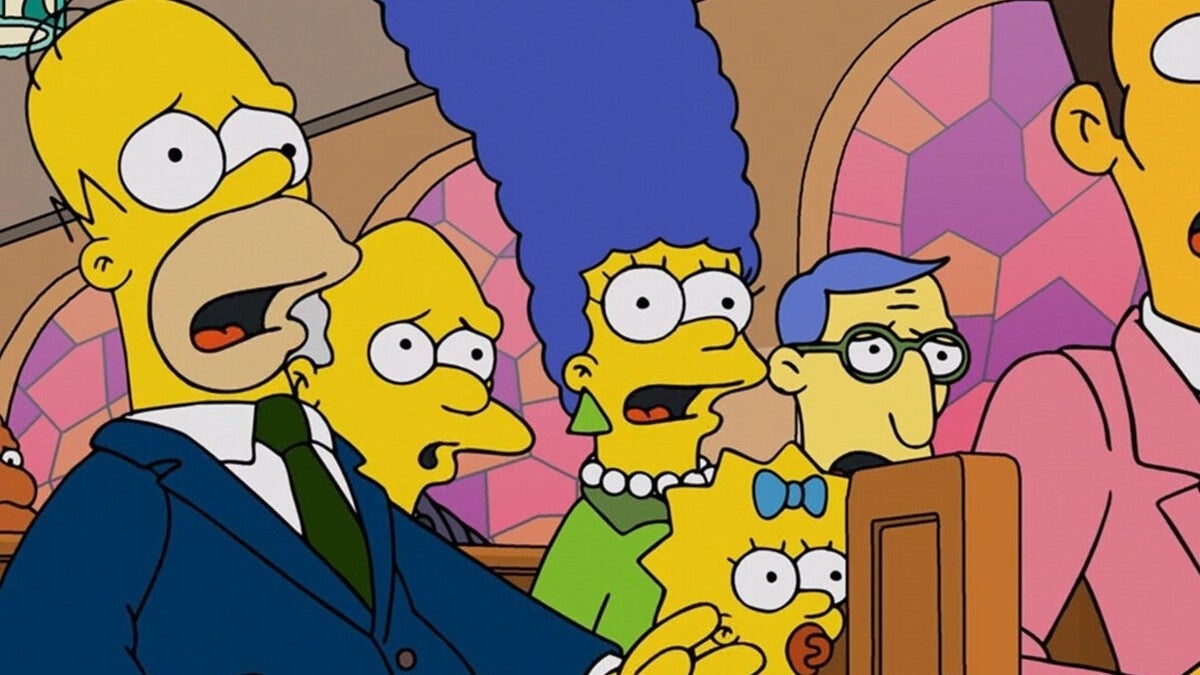
The Simpsons say goodbye to something that has accompanied them for 37 years

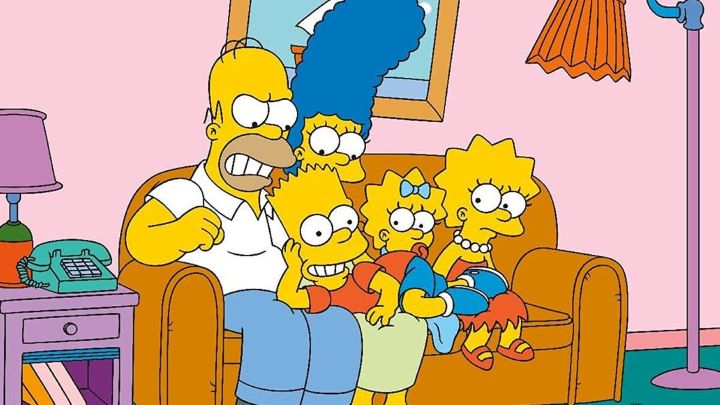
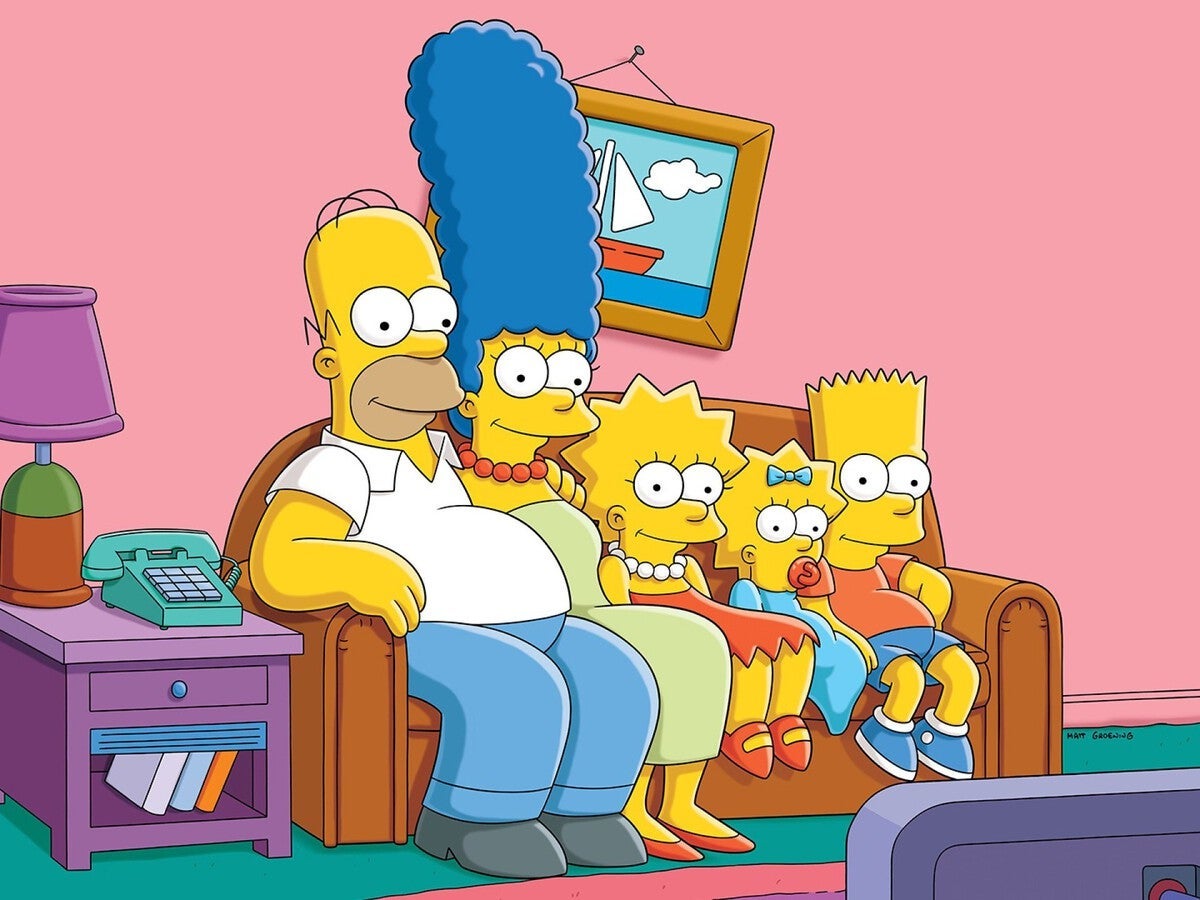
In a surprising turn for fans of The Simpsons, the iconic couch gag, which has accompanied the series since its debut in 1989, will begin to disappear in some future episodes. Matt Selman, the showrunner of the long-running series, has confirmed that this decision aims to prioritize narrative over the comedic gags that have defined the show. During a recent podcast, Selman expressed: I wish we had time to include a funny couch gag in every episode, but I’m not going to cut the story to do it. I want to tell the best story possible, and for that we need twenty minutes and […]

In a surprising turn for fans of The Simpsons, the iconic couch gag, which has accompanied the series since its debut in 1989, will begin to disappear in some future episodes. Matt Selman, the showrunner of the long-running series, has confirmed that this decision aims to prioritize storytelling over the comedic gags that have defined the show. During a recent podcast, Selman expressed: OI wish we had time to include a funny couch gag in every episode, but I’m not going to cut the story to do it. I want to tell the best story possible, and for that, we need twenty minutes and forty seconds.

Some of them are true audiovisual gems

This change has sparked criticism among veteran fans, who watch with frustration as iconic moments of the series fade away. Many believe that the couch gag is an essential part of the experience of The Simpsons, and its absence could affect the emotional connection viewers have with the series. The popularity of the Skip Intro button on platforms like Netflix has contributed to this phenomenon, as it has reduced the number of viewers who witness the initial gag, leading creators to rethink its inclusion.

In addition to considering narrative factors, Selman has mentioned that decisions also respond to budgetary issues. The prioritization of episode quality means that resources allocated to the production of the couch gag will be redirected towards improving the overall content. While this approach is designed to enrich the viewer’s experience in the long term, it is still painful for those who have grown up with the antics of the Simpson family.

Selman’s move reflects a broader shift in the entertainment industry, where audiences are increasingly seeking more impactful stories at the expense of traditional gags. While the creative position can be understood, the question remains: are we ready to say goodbye to one of the most beloved traditions of The Simpsons?
This classic character from The Simpsons says goodbye after nearly three decades

In a significant twist for the most iconic animated series on television, Duffman, the well-known spokesperson for Duff beer, has announced his definitive retirement in the episode titled Seperance, a play on words that parodies the Apple TV+ production, Severance. This announcement marks the end of nearly three decades of performances as the characteristic Duffman, the beloved character voiced by Hank Azaria, who has highlighted the physical challenges of the role due to its explosive nature and intense vocal requirements. The drama came to The Simpsons during the episode, Barry, the man behind the Duffman costume, […]

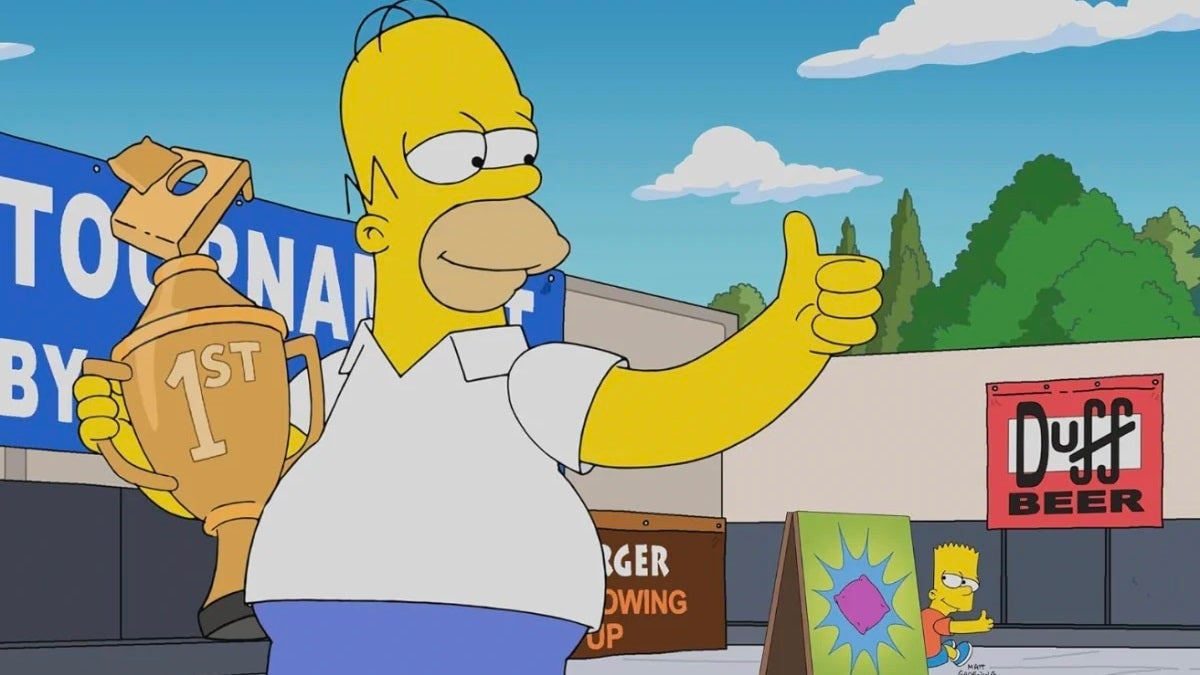
In a significant turn for the most iconic animated series on television, Duffman, the well-known spokesperson for Duff beer, has announced his definitive retirement in the episode titled Seperance, a play on words that parodies the Apple TV+ production, Severance. This announcement marks the end of nearly three decades of performances as the characteristic Duffman, the beloved character voiced by Hank Azaria, who has highlighted the physical challenges of the role due to its explosive nature and intense vocal requirements.

The drama came to The Simpsons

During the episode, Barry, the man behind the Duffman disguise, informed the Simpson family that the corporation has decided to retire the character forever. Duff has permanently removed that figure, he explained, noting that traditional forms of advertising, such as corporate representatives and jingles, no longer resonate with new generations.

This retirement occurs in a context of changes within the series, which has also seen the departure of other characters, such as Alice Glick, after 34 years on screen. These farewells have led some fans to speculate about a possible conclusion to the series, which has been on the air for almost 40 years. It seems that the narrative of The Simpsons is preparing for more drastic and emotional twists in its story.

Despite these changes, the series plans to release a second movie in September 2027, so this twist does not seem to be related to the end of the series.

Why do cartoons in Japan have 5 fingers and in the West 4?

In the world of animation and video games, the representation of hands and fingers has sparked an interesting debate between Western and Japanese culture. Traditionally, many animated characters in the West, such as Mickey Mouse and The Simpsons, have four fingers on their hands. This practice originated from the difficulty of drawing and animating realistic hands, a kind of stylistic solution that, over time, became a tradition in the industry. However, in Japan, the representation of characters with five fingers is more common, although three fingers are often chosen to avoid cultural connotations […]

In the world of animation and video games, the representation of hands and fingers has sparked an interesting debate between Western and Japanese culture.

Traditionally, many animated characters in the West, such as Mickey Mouse and The Simpsons, have four fingers on their hands. This practice originated from the difficulty of drawing and animating realistic hands, a kind of stylistic solution that, over time, became a tradition in the industry.

However, in Japan, the representation of characters with five fingers is more common, although three fingers are often chosen to avoid negative cultural connotations.

https://twitter.com/3djuegos/status/2003369777167745517

A cultural issue

The preference for the number of fingers in anime and manga is influenced by a social taboo that dates back more than 400 years. During the Tokugawa Shogunate period, the burakumin, a marginalized social class due to their profession related to death, were stigmatized, and the number four, pronounced “shi” in Japanese, became associated with death in Japanese culture.

This connection has led to the representation of four fingers being considered offensive, which has motivated animators to avoid this practice in contemporary productions.

The recognition of this sensitivity has led to notable decisions in animation. For example, there are cases where characters like those in “Ratchet & Clank” were reanimated to include a fifth finger, while in “Psychonauts”, a more extreme solution was chosen, joining the pinky to the ring finger.

These elections reflect a growing awareness of cultural representation in the media, where history and social sensitivities influence character design.

In summary, the difference in the representation of fingers in animation highlights not only aesthetic trends but also deep cultural realities. The history of the burakumin and the symbolic burden of the number four continue to affect the way creators approach animation in Japan, seeking to avoid offenses in a still sensitive social context.

We regret to tell you, but this beloved character from The Simpsons has passed away and will not appear anymore

The animated series ‘The Simpsons’ has lost another of its iconic characters. Alice Glick, the organist of Reverend Lovejoy’s church, has been confirmed as definitively deceased by executive producer Tim Long. The news comes after the airing of the episode on November 16, which specifically focused on her death and how her inheritance will be used to fund a new music program at Springfield Elementary. The scene that you surely remember While the name Alice Glick may not be widely known, her role as an organist has been […]

The animated series ‘The Simpsons’ has lost another of its iconic characters. Alice Glick, the organist of Reverend Lovejoy’s church, has been confirmed as definitively deceased by executive producer Tim Long. The news comes after the airing of the episode on November 16, which specifically focused on her death and how her inheritance will be used to fund a new music program at Springfield Elementary School.

The scene you surely remember

While the name Alice Glick may not be widely known, her role as an organist has been a benchmark in several episodes throughout the 37 seasons of the series. Her most memorable appearance probably came in season 7, when Bart convinced her to play a version of In-A-Gadda-Da-Vida, the iconic song by Iron Butterfly. Despite being announced as dead in season 22, Alice had found a way to return multiple times, either as a ghost or as a physical character. This situation had raised doubts among fans regarding the permanence of her death.

Long emphasized that, although Alice Glick’s music will endure, the character is, in fact, dead and buried. This change coincides with the recent showrunner transition in the series, after 25 years under the direction of Al Jean.

Many speculate that this decision may be aligned with the new creative direction that seeks to offer a fresh and definitive approach to the series’ narrative. The conclusion that Alice has officially ceased to exist represents a significant measure in the context of the long-standing story of ‘The Simpsons’, which has constantly explored the dynamics of life and death through its characteristic satirical humor.