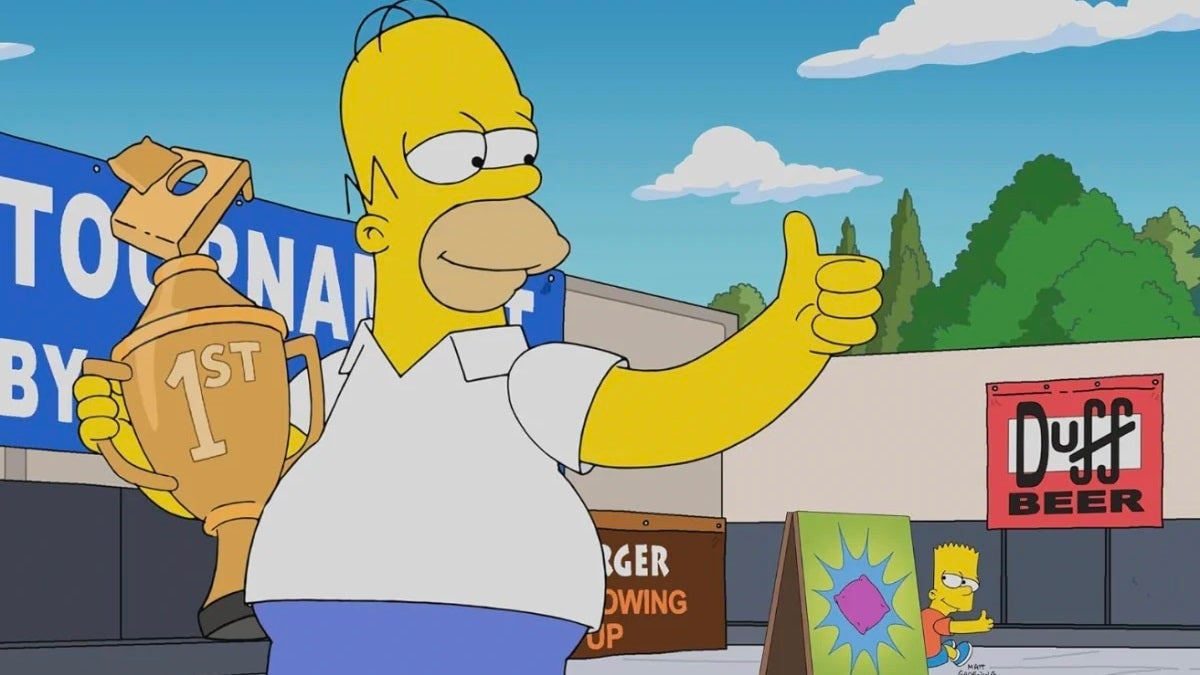
In the world of animation and video games, the representation of hands and fingers has sparked an interesting debate between Western and Japanese culture.
Traditionally, many animated characters in the West, such as Mickey Mouse and The Simpsons, have four fingers on their hands. This practice originated from the difficulty of drawing and animating realistic hands, a kind of stylistic solution that, over time, became a tradition in the industry.
However, in Japan, the representation of characters with five fingers is more common, although three fingers are often chosen to avoid negative cultural connotations.
A cultural issue
The preference for the number of fingers in anime and manga is influenced by a social taboo that dates back more than 400 years. During the Tokugawa Shogunate period, the burakumin, a marginalized social class due to their profession related to death, were stigmatized, and the number four, pronounced “shi” in Japanese, became associated with death in Japanese culture.
This connection has led to the representation of four fingers being considered offensive, which has motivated animators to avoid this practice in contemporary productions.
The recognition of this sensitivity has led to notable decisions in animation. For example, there are cases where characters like those in “Ratchet & Clank” were reanimated to include a fifth finger, while in “Psychonauts”, a more extreme solution was chosen, joining the pinky to the ring finger.
These elections reflect a growing awareness of cultural representation in the media, where history and social sensitivities influence character design.
In summary, the difference in the representation of fingers in animation highlights not only aesthetic trends but also deep cultural realities. The history of the burakumin and the symbolic burden of the number four continue to affect the way creators approach animation in Japan, seeking to avoid offenses in a still sensitive social context.