Do sleep apps work? What are the best?

We all want to get a better night sleep, but are sleep apps the solution?

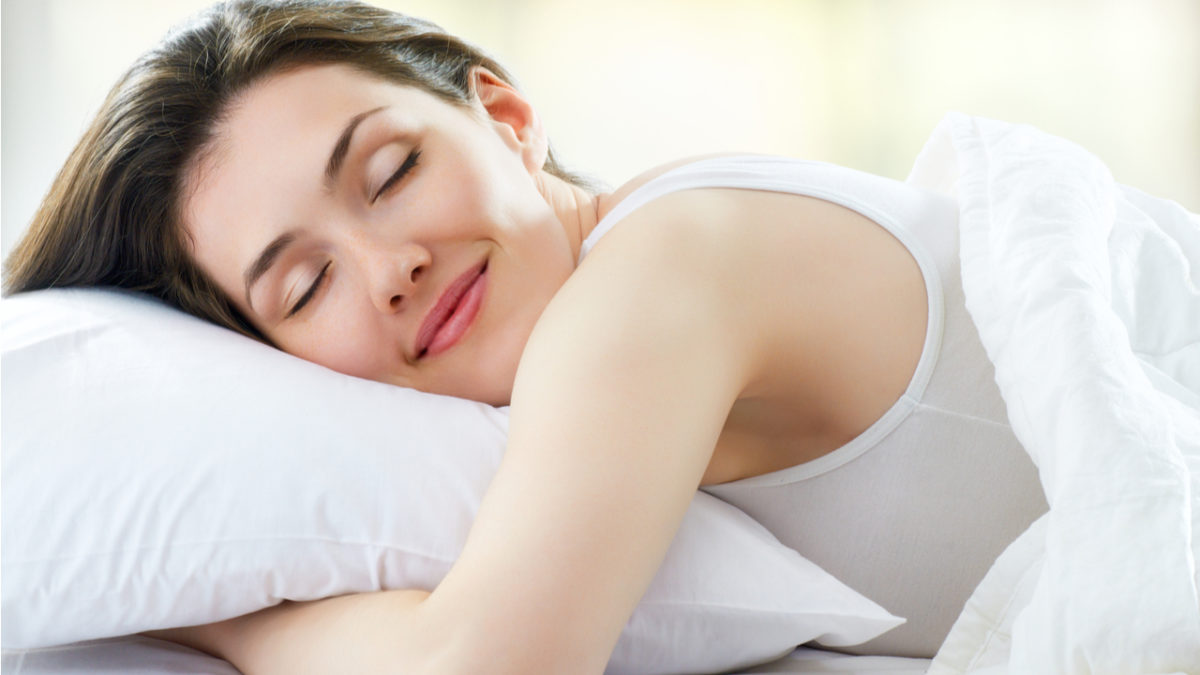
Sleeping lady

It’s easy to understand the appeal of a sleep app. Lack of sleep can mess with our health, our happiness, and our productivity.

An app promises an easy fix. It sidesteps those sleep hygiene habits advising us to work out in the morning or stop drinking coffee before 2 p.m.

But, do sleep apps actually work?

Sleep tracking apps have a significant blind spot when it comes to providing accurate insights into your sleep habits. 

Here is a look at what sleep apps can and can’t do, according to science. 

Sleep apps don’t analyze your sleep
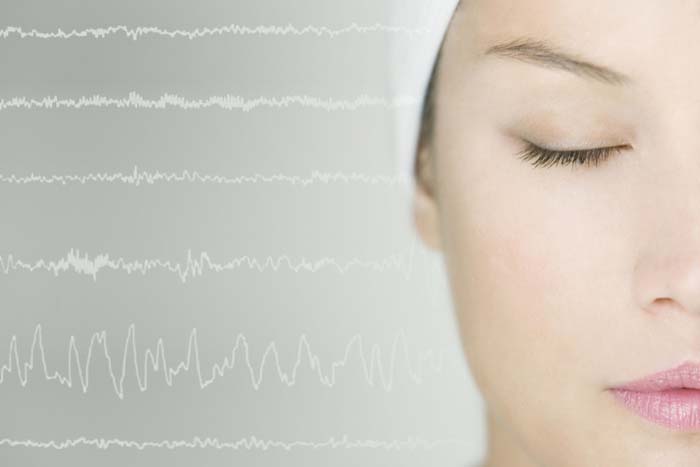
Sleep study

Admittedly, we’ve long been confused as to how sleep apps are supposed to work. 

Smartphones can lie right next to you when you hit the sack, but they don’t hook up to your brain or anything. So how can they tell if you’re catching some shallow snoozes or deep in the throes of REM?

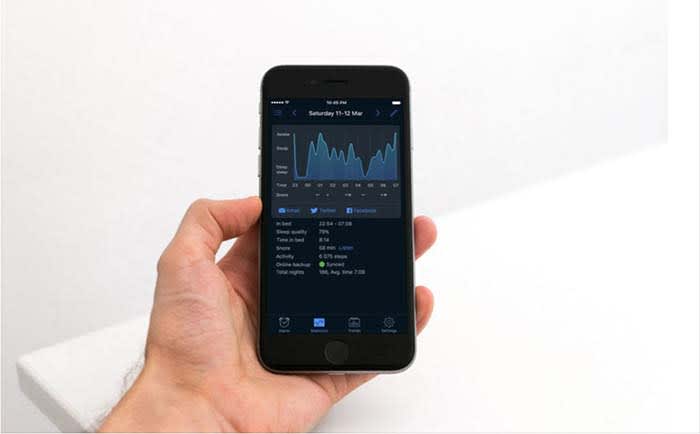
The answer is this process called actigraphy. It’s a motion-tracking technology that analyzes each phase of sleep based on what your muscles are up to as you snooze.

How sleep apps work sounds complicated, but it’s pretty simple. Your movements directly correspond with each sleep phase. Your Fitbit or phone analyzes how much you move. Stillness indicates REM, while restlessness indicates light sleep.
When muscles are inhibited, you don’t get up or jump out of bed while sleeping. However, when you toss and turn, your muscles are uninhibited. Apps can also record snoring, which may be a sign of sleep apnea. The apps might be able to help you identify when in your sleep cycle you are waking up. 

If you are showing signs of sleep apnea, it is in your best interest to consult a doctor and seek treatment. 

The benefit of understanding the sleep cycle is that we feel more refreshed if we wake up during light sleep than deep sleep. Understanding when to set your alarm can leave you feeling more refreshed throughout the day. 

Still, doctors don’t agree on whether sleep apps are worthwhile. Columbia University’s Dr. Carl Bazil says, “I think they’re garbage.” 

Bazil told Inverse in an interview that the writer’s sleep data didn’t make sense — stating that one app showed the REM cycle starting way too early. 

So, what are sleep trackers good for?

Now that the bad news is out of the way, it’s worth pointing out that sleep trackers aren’t complete junk science. Doctors say that sleep apps offer a handful of benefits. It’s just important to note that mobile apps don’t paint a complete picture of your sleep habits and health.

It’s kind of like a sleep diary
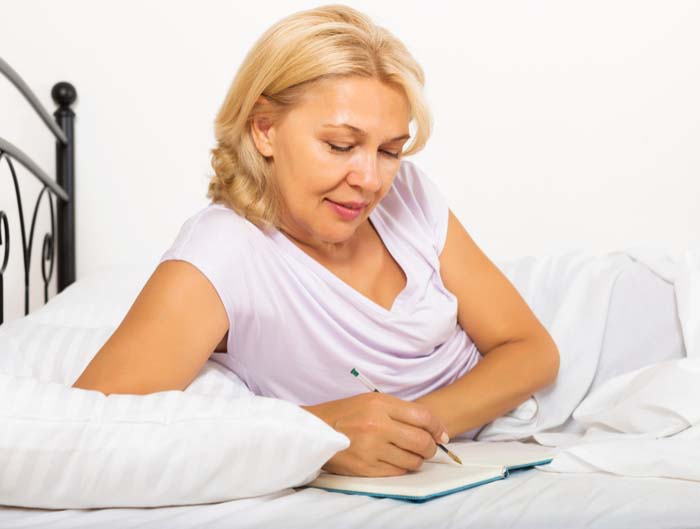
Sleep diary

Another benefit of these apps is, they function as a digital sleep diary. Some doctors recommend that patients keep a sleep diary. They function as a way to help patients keep track of things like when they went to bed, what they ate, whether they experienced nightmares or restlessness, and more.  

Like fitness trackers, people get bored with tracking their personal data after a few short months. It’s an extra job to do, and it’s hard to identify how actually to leverage that data for a better experience. 

You can use them to spot trends
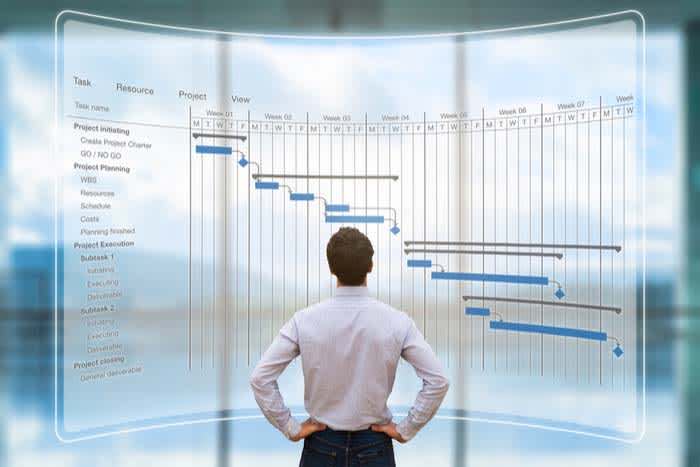
Man looking at data

If something changes in your life, a sleep app may be able to help you understand how these changes are affecting your sleep. 

Stress can make you more restless in your sleep, so if you’re feeling tired throughout the day, check out your data. Wearing a Fitbit or Jawbone at night can reveal whether you’re tossing and turning more than usual.

You can also learn how alcohol affects your sleep. Many of us live in denial, believing that alcohol makes us fall asleep more easily. In reality, it makes us wake up more often and get a lower quality of sleep. While we do fall asleep faster when under the influence, the effects of alcohol don’t last all throughout the night. As they wear off, quality of sleep diminishes.

Which apps are your best options? 

SleepScore
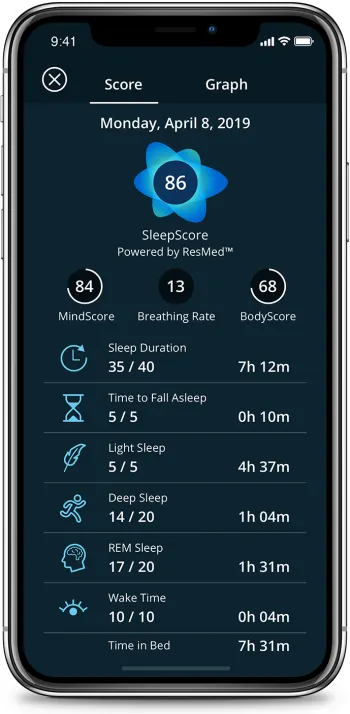
SleepScore

SleepScore provides more detailed sleep data than most of the competing applications. It comes with a smart alarm that aims to wake you up at the perfect time, preventing groggy mornings.

For $50 a year, SleepScore records sleep data long term and helps you create an improvement plan. The free version tracks sleep, but only for seven days at a time. 

SleepScore has partnered with a company called SlumberType, which offers DNA-based sleep insights. But the use of DNA to analyze health/wellness might also be junk science, so it’s important to take their recommendations with a giant grain of salt. 

SleepScore Download now ►
7

Sleep Cycle

Sleep Cycle

Sleep Cycle is a favorite among Apple and Android fans alike. It tracks sleep habits and wakes you up at the optimal time. The smart alarm won’t surprise you. Instead, you’ll select a 30-minute window for your wakeup call. What’s more, Sleep Cycle integrates with Apple Health so that you can analyze sleep habits, as well as your heart rate. 

Sleep Cycle Download Free ►
7

Pillow

Pillow

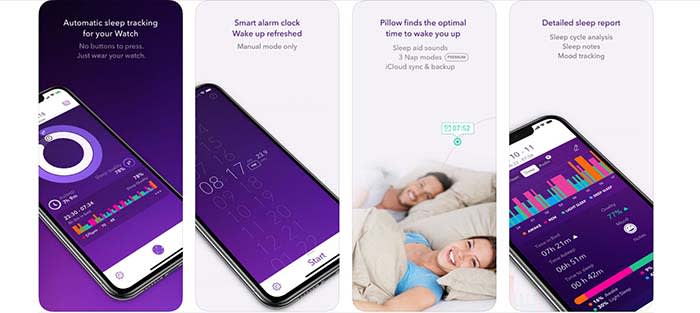
Pillow gives data nuts access to everything they might want to know about their sleep habits. It’s similar to Apple’s built-in sleep tracker, but it comes with a few extra features. For example, you can use the tool to time power naps, recovery naps, and full cycle naps. For the record, who knew there were multiple kinds of naps?

Additionally, Pillow gives you a look at your REM cycles, heart rate, and how long it takes to fall asleep. Maybe it’s not everything you need to know, but it’s useful nonetheless. 

7

Other tech on the horizon

Sleep apps leave something to be desired when it comes to analyzing and optimizing sleep. As a result, innovators are thinking up some clever ways to close the knowledge gap. 

There’s Dreem, a headband that measures brain activity. It’s $500 and designed by Yves Behar. The headband tracks sleeping patterns and conducts an initial assessment. Then, users have the option to enroll in a Sleep Restructuring Program. Here, an app will recommend steps toward better sleep. Also, your friends will all be jealous of your awesome new headband! 
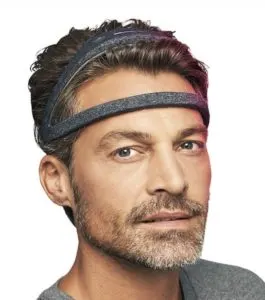
Dreem Headband

There’s Dreamlight’s massive sleep mask that uses your 23andMe results to recommend adjustments to your sleep habits. It then projects infrared light to calm the user into a meditative state. This one kinda makes you look like Cyclops from X-Men. 
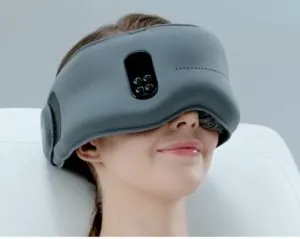
Sleep mask

Try some sleep hygiene tips before investing in expensive headgear

You know all of those articles about powering down before bed, ditching screens, and establishing a routine? 

Yeah, yeah. They elicit some groans, but science sides with the boring stuff in this case. 

If you’re struggling with sleep, maybe give some of the analog methods a try first. They are free, after all. At the end of the day, don’t we all just want to sleep better?

Is waking up early really a virtue worth celebrating?

Is it better to be an early bird or a night owl? Here’s what science says.

We’ve long lived in a world that places a lot of value on the early bird.

Blame it on the Protestant work ethics or Prussian philosophy, but there’s this deep-seated perception that waking up early sets the tone for success — and late risers are lazy underachievers.

There are a million blog posts and TED talks that highlight the power of getting up early. Michelle Obama, Oprah, and a whole host of TED Talkers, entrepreneurs, and athletes are early risers, and there’s no shortage of content pointing toward the link between early call times and success.

Need proof? A while back, the Huffington Post compiled a list of notable early birds from Dwayne “The Rock” Johnson’s 4 a.m. gym time to Tim Cook’s 3:45 am (that’s night still, right?) email routine.

Should you wake up early?

waking up

Here’s what science has to say about catching the worm

Roughly 25 percent of people tend toward waking up very early.

Most people fall into a middle ground — it’s no big deal to wake up for a traditional job, but the idea of hitting the gym before the sun comes up sounds like a real pain.

A study published by Harvard Business Review found that of the 367 participants they surveyed, those who stayed up late reported higher levels of distraction and lower levels of productivity.

Morning people do enjoy more career opportunities, but that may be a product of society, tradition, and the fact that business hours are a fixed schedule that suits this group better than the night owls.

On the flip side, night owls reportedly have their own set of desirable traits. They’re more creative, have higher IQs, and often, as healthy and prosperous as early birds. This study from 1998 looked into the famous Benjamin Franklin quote, “Early to bed, early to rise makes a man healthy, wealthy, and wise.”

The aim was to see if Franklin’s claim had any truth to it, yet the findings found that late risers did not have a higher rate of health problems or have lower incomes than their go-get-em peers.

What are the stereotypes?

morning person

Morning people are seen as more conscientious and proactive. They’re stable, consistent, and agreeable. Night owls are seen as partiers, they’re lazy, and they lack self-control.

While studies have shown that late risers tend toward novelty-seeking behaviors and may be more impulsive and avoidant, there’s no evidence that this group works fewer hours or is less motivated.

Productivity really boils down to chronotypes. Chronobiology researcher, Katharina Wulff says it’s best if people work according to their body’s natural rhythms, rather than trying to fit into a schedule that doesn’t work.

Chris Bailey, of The Productivity Project, tried to change his chronotype to see if there was any truth to the link between success and morningness.

If you don’t remember, a few years back, Bailey spent a year experimenting with a range of strategies aimed at boosting productivity. The chronotype experiment involved changing from a night owl schedule to a strict 5:30 am wake-up call and 9:30 pm bedtime. Bailey reported that he’d find himself getting ready for bed just as he was starting to feel productive.

In short, getting a hard start on the day sounds like a great idea, until it starts to eat into your productivity. Tiredness isn’t exactly good for setting the tone for your best ideas.

The benefits of an early wake-up are appealing:

  • You’re dealing with fewer distractions
  • You get a head start on the day
  • You’re less likely to procrastinate
  • You have time to eat breakfast

Many of the successful people who wake up early mention the main reason they keep this routine is, the extra few hours of quiet before everyone else — be it kids or coworkers — are up and at ’em.

But most of these benefits only exist because of traditional working hours.

Increasingly, people are finding that there’s a need to cater to all types of people. Like Wulff and Bailey, Camilla Kring, founder of the B Society, sees the value in chronotype diversity. Her organization questions why school and work need to start at a certain time – -and advocates for more support for late risers.

If we were left to our own devices, waking and working according to natural biology, night owls might report the same advantages their early rising peers experience, just at a later hour.

Work according to your energy levels

morning energy

Shifting your chronotype is possible.

We’ve all experienced this to some degree when we’ve had to get used to waking up for work or school. However, studies have found that when you change your schedule, you don’t necessarily get the traits that come with the other chronotypes.

Late risers who become used to waking up early don’t feel any happier or suddenly become more traditional or conscientious. Instead, they might just feel tired more often and lament the struggles of trying to change their natural habits.

Some studies have found that these traits associated with morningness or eveningness boil down to other biological factors.

A recent study from the University of Haifa found that visually creative people tended to wake multiple times a night or suffer from insomnia. And, these qualities were associated with a dopamine receptor.

The main takeaway here is, work according to your energy levels. Some people work best in the evening, while others benefit from working out at 4 a.m. and getting to work before everyone else.

Start making a note of when you’re most productive and structure your day around energy highs and lows.

While morning people have an advantage when it comes to the traditional 9-5 grind, remote work and flexible schedules are increasingly becoming the norm. Maybe, society will soon get hip to the idea that time shouldn’t matter quite so much.

The future is here: New device lets you control your dreams

Wish you could control your dreams? This device claims to make that a reality!

Have you ever been aware that you’re dreaming? You’re in the middle of a dream and suddenly you’re acutely conscious that what you’re seeing is not in fact real, but rather a projection from your own mind? This rare state of semi-consciousness is called lucid dreaming and if you’ve already experienced it you know firsthand how incredible, how endlessly freeing it can be. If you’ve never been lucky enough to have one – and don’t be disheartened; they’re exceedingly rare – the Lucid Dreamer is about to give you the opportunity.

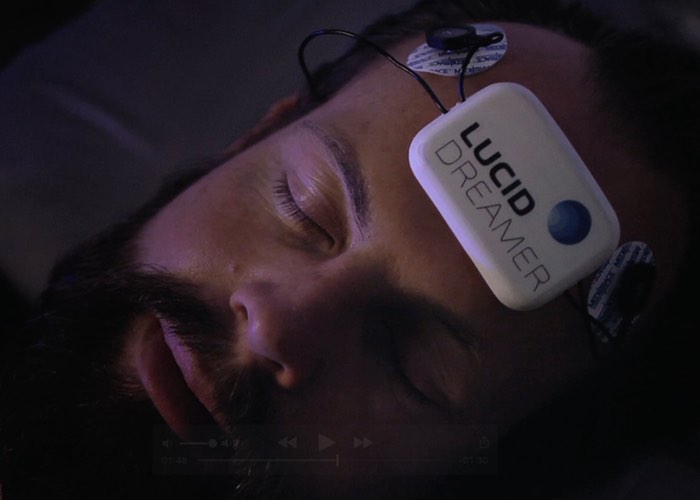
This device can trigger lucid dreams!

How does this work?

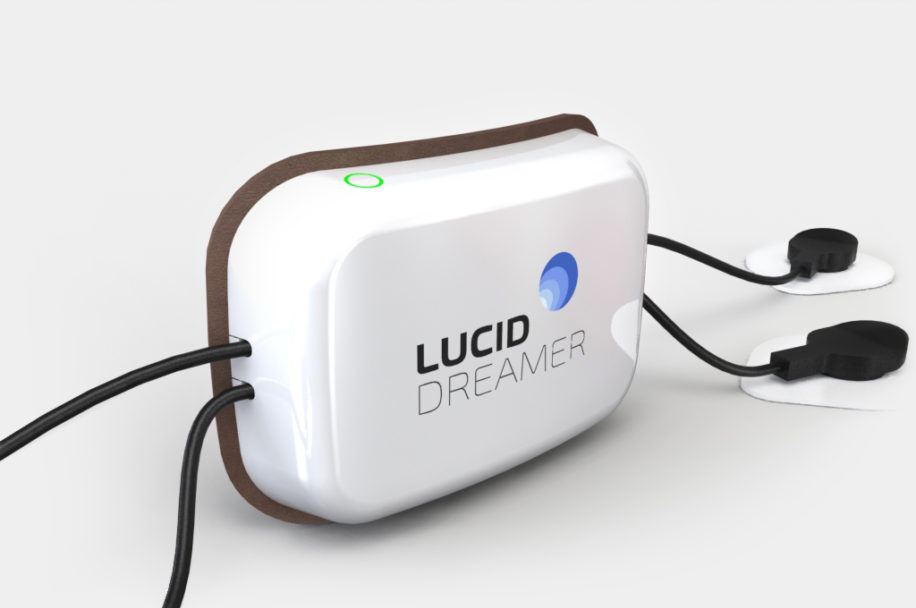
In development by neuroscientists Derk Mulder and André Keizer, the Lucid Dreamer is a wearable device that utilizes advanced algorithms to detect when the wearer starts to dream. These algorithms rely on electrical signals from the brain, detecting the onset of a dream accurately and consistently. It also uses light and audio stimulation, which are long-known methods for increasing the likelihood of having a lucid dream, and takes measurements of your brain activity…

Are we moving too fast? Let’s take a step back:

What is lucid dreaming?

Imagination is literally the limit

The philosopher Aristotle wrote that “often when one is asleep, there is something in consciousness which declares that what then presents itself is but a dream.”

In 1913, the Dutch psychiatrist and writer Frederik (Willem) van Eeden coined the term ‘lucid dream’ in his article A Study of Dreams. What this amounts to is an experience where you’re dreaming and yet realize that you’re dreaming. The result is that you can control the environment around you in whatever way you can think of.

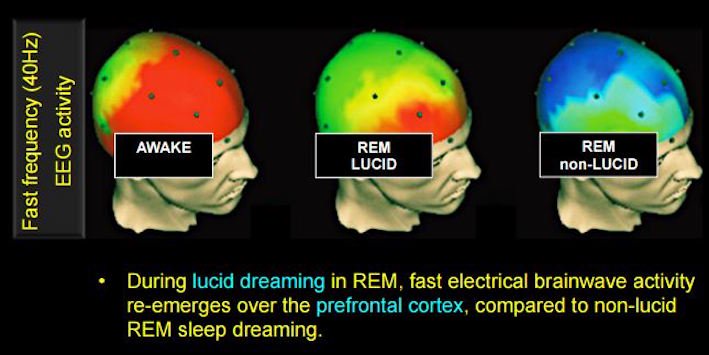
Psychologist Celia Green dedicated her life to the study of lucid dreaming among other perceptual phenomena. She concluded in 1968 that lucid dreaming was closely associated with rapid-eye movement (REM sleep), coupled with a person realizing he is dreaming. Piggybacking on this, neuroscientist J. Allen Hobson theorizes that this recognition of a dream state may happen in the dorsolateral prefontal cortex, an area of the brain that is not active during REM sleep and where memory occurs.

Lucid dreaming creates fast electrical brainwave activity
(Source)

Most lucid dreamers falter immediately upon realizing that they are dreaming. This is because the only way to maintain the experience is to be cautious enough to let the dream continue while simultaneously being aware that you are in a dream. More often than not, the realization that one is dreaming renders them awake moments later. Treading the fragile line between conscious awareness and conscious dreaming is trickier than it sounds, and it nearly always ends with waking up without meaning to.

Is the Lucid Dreamer safe?

Yes. During the entirety of the Lucid Dreamer’s testing, no adverse events were reported. Though it may sound like the device is using electroshock therapy, that’s certainly not what’s happening here.

How to use it

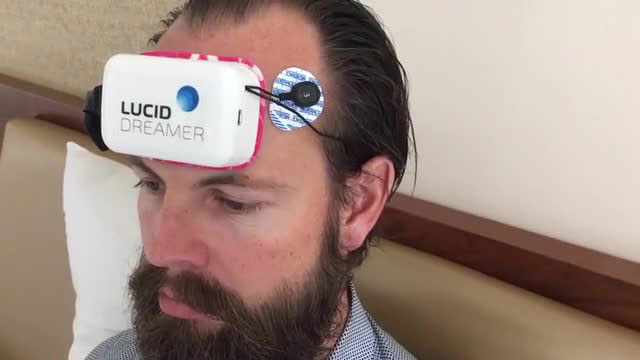
It does look pretty silly

Though it may look a little silly, using the device couldn’t be easier. The Lucid Dreamer comes with disposable, sticky electrodes. Attach these to the device, remove the protective covering and press the electrodes to the designated places on your forehead and behind your ears. Each use will require six electrodes: Four for your forehead, and then one behind each ear. If it sounds uncomfortable, you’re about to be pleasantly surprised; the Lucid Dreamer is designed with the wearer’s comfort in mind, so you should have no problem falling asleep.

The Lucid Dreamer can be worn comfortably at night

There’s even an accompanying app. On it you can choose your stimulation protocol for the night (25Hz or 40Hz), which will likely be something you’ll need to tailor to your own preferences as you grow accustomed to using it; set the number of stimulations a night (three is the maximum); the duration of the stimulations (between 30 and 120 seconds); and the number of minutes the Lucid Dreamer will wait before triggering the lucidity.

If you opt for the pro package (which we wouldn’t recommend until you try the essential first) you can further modify the intensity of the stimulation, receive more control over the frequency of Hz, and also have access to the Protocol Builder, which allows for experimentation with different frequencies. You can check out more comparisons between packages here. Find the one that works most reliably for you!

Is it possible to lucid dream without using this device?

For sure! People have attempted to develop the ability to consistently have lucid dreams since as early as ancient Greece. It is a skill that you can learn, and there are a number of documented induction techniques.

These techniques are not infallible, however, and even the most reliable will undoubtedly take a lot of practice and even more luck. Without the Lucid Dreamer there’s no clear-cut induction technique guaranteed to cause lucid dreams consistently, though there are some that look promising.

When can you get one?

Not just yet!

The Lucid Dreamer is still in development, but you can stay up to date with its progress and learn more about the device on their website. For more information and reports about lucid dreaming, check here.

If you’ve never had a lucid dream before, you’re in for an unforgettable ride – one where your imagination is quite literally the limit!