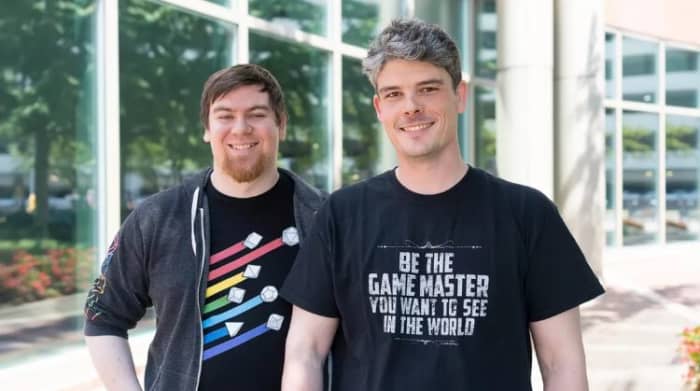
Jeremy is an avid gamer, writer, musician, and instructor. He has been teaching for over 15 years, with his primary focus on music, and has written all manner of gaming articles, reviews, FAQs, walkthroughs, strategy guides, and even the odd screenplay or two.
He has run the gamut of tech reviews, game guides, lifestyle content, and more. His focus as a writer is to give fair feedback of products, highlighting their strengths and weaknesses in a clear, concise, and entertaining manner.
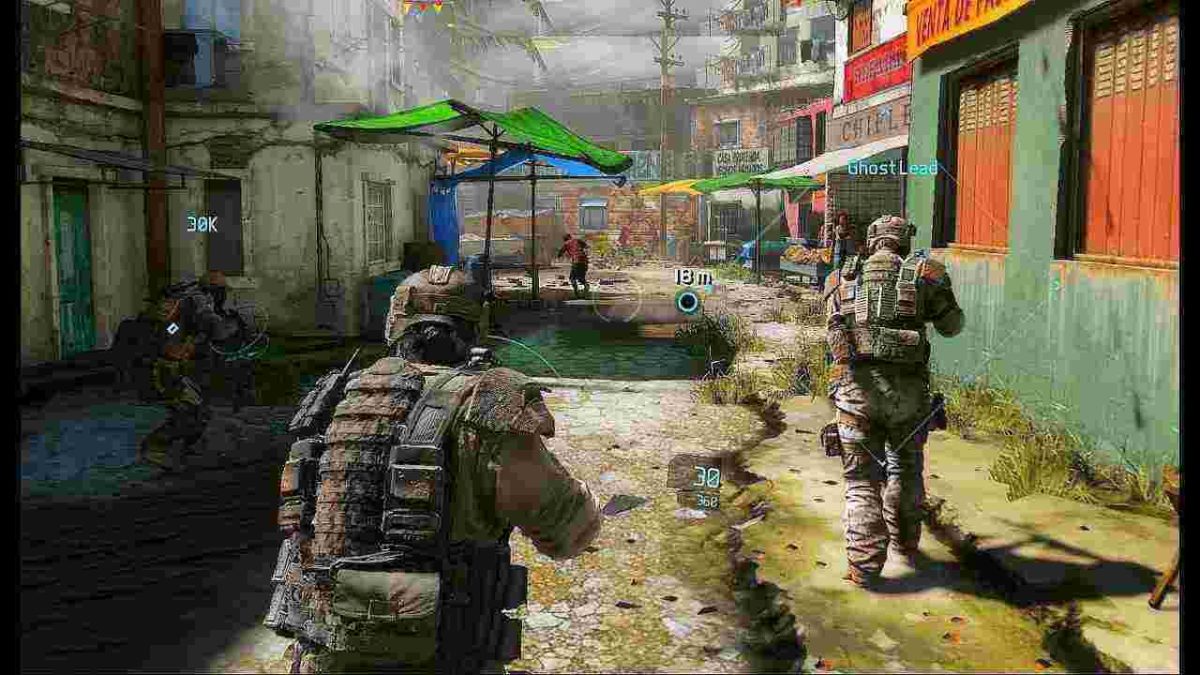
We all like to play the lone wolf, running into an enemy outpost like Rambo and swinging a chain gun around while yelling “Leroy Jenkins!” It’s the way shooter games may play in our head, but unfortunately it’s not going to net you many wins (and if it does, thank your teammates). The best shooter games take inspiration from actual squad-based combat, and even if at the end of the day you’re still just playing Fortnite or Battlefield, some strategies and maneuvers still bleed into the experience. Here’s our selection of squad-based military tactics that will give you an edge over players, even when the odds are stacked against you.
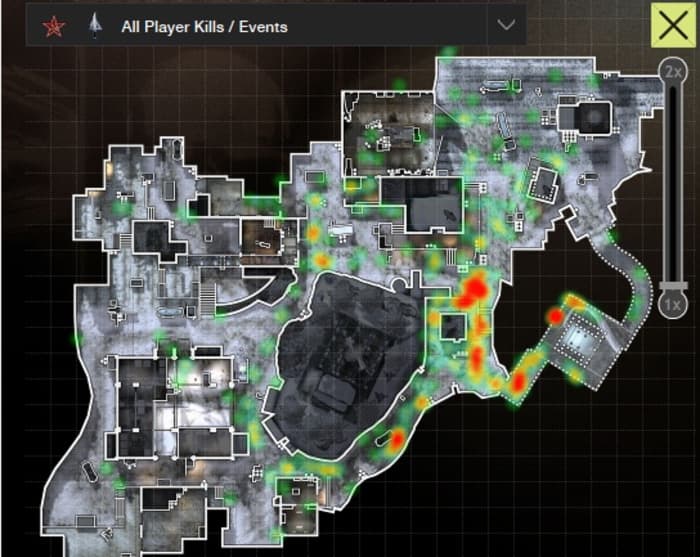
If you’re a fan of shotguns in video games, you’ll need to stay out of wide, open fields. Likewise, you’ll want to keep far away from close quarters if you’re playing a sharpshooter. Where the fight happens is up to you; avoid running into a place where you’re outnumbered, outmaneuvered, or have poor mobility. Before Napoleon Bonaparte sent off his invading armies, he hired cartographers to sketch maps of enemy settlements and terrain.
Studying this heat map of Outpost from Modern Warfare 3 can shed light on areas to avoid.
Instead, keep to familiar territory where you have a clear advantage. If you’re not sure where that is, look up the map online. Check your loadout. Plan where you want to make your stand. This tactic also works great in games that offer gadgets like thermal vision, smoke grenades, or trip mines. Keep your entrances covered, and outlast your opponents.
2. Use team chat
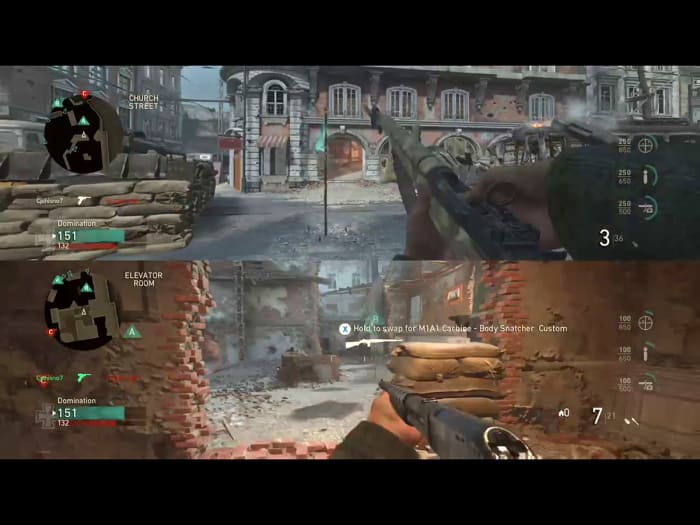
You know how people like to scream and hurl insults about your mother over game chat? While this is charming you can also use this tool to coordinate a team (provided you can establish the ethos for them to take you seriously). Don’t just use it to call out enemy locations either. In an actual military situation you’d be doing a lot more communicating than shooting, and it’s this way for a reason – knowing is half the battle. Which of your teammates can offer cover fire with a sniper rifle? Does anyone have eyes on the objective? How many enemies are converged over x position? If you know what you’re up against you won’t be understaffed.
“Who needed a carbine? There’s one by me.”
If you’re on a team with some outlandishly good players, but you find you’re still having trouble capturing a territory or completing an objective, it’s probably because your team’s talents aren’t being put in the right places. Stop banging your head against the wall and coordinate an effective push. Take a second to rethink your strategy. There could be a weakness you were too frustrated to see. Re-evaluate and exploit it, this time with numbers behind you!
3. Move in formation
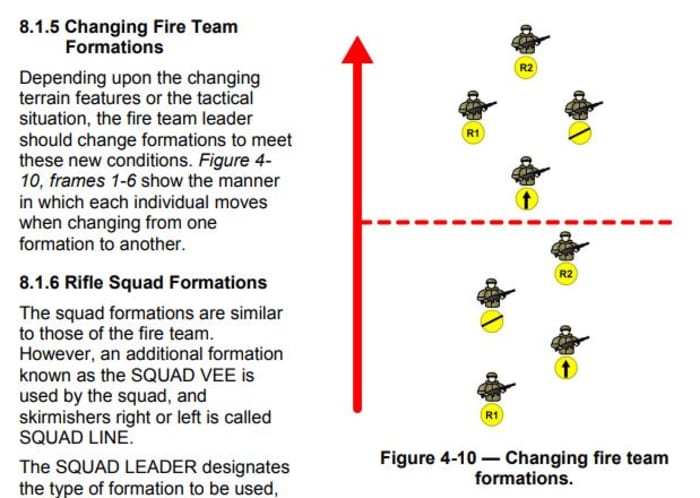
The military deploys its units in small squad formations, and it’s not just because it looks cool. The way your team is positioned can make all the difference once a firefight erupts. Where are you positioned? Where are your teammates positioned? Can you effectively move, react, and shoot as one cohesive unit, or could one well-placed grenade take you all out at once? Know the best time to employ the best shape.
One of the most effective formations in a game like PUBG or Battlefield is the Fire Team Column which positions your squad mates in a parallelogram (the bottom formation pictured below). This is a great shape for controlled mobility in any direction, and also allow for an immediate, reactive counter in case you get ambushed. If you move together and keep moderately spread out you’re forcing your enemies to pick a single target. Once they do, communicate and retaliate as one cohesive unit. It’s also great because you can easily and intuitively switch formations from the Fire Team Column:
4. RTR
RTR stands for React, Take Cover, Return Fire. If you find yourself separated from your team for whatever reason, this is an effective defensive strategy should the enemy gets the drop on you. In a more realistic shooter experience you’re not going to have health bars a mile long, or shields made out of magic. Your best defense is to threaten with your own firepower, and retreat to a more advantageous position. That’s what RTR is all about:
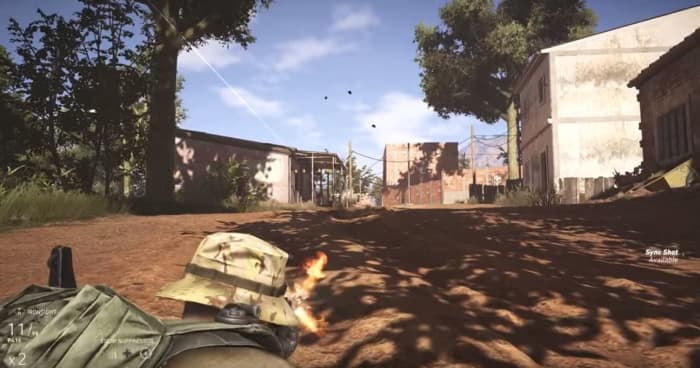
No one likes getting shot at. Go prone and return fire. See how they like it.
When you get shot at, your first reaction may be to run or hide, but it’s actually better to shoot back at the enemy – even if you know you can’t kill them; that’s not what you’re trying to do. You’re trying to get them to stop shooting at you. If you lay down suppressive fire (React) you can buy yourself enough time to do step two (Take Cover). If there isn’t a decent cover to duck behind, crouch down, drop to the ground, or at least zig-zag back and forth. It’s better than standing there doing nothing, and jumping around isn’t as helpful as you’d think. Once you’re in a better spot for avoiding enemy shots, you can take proper aim (Return Fire) from a safer position.
5. Flank
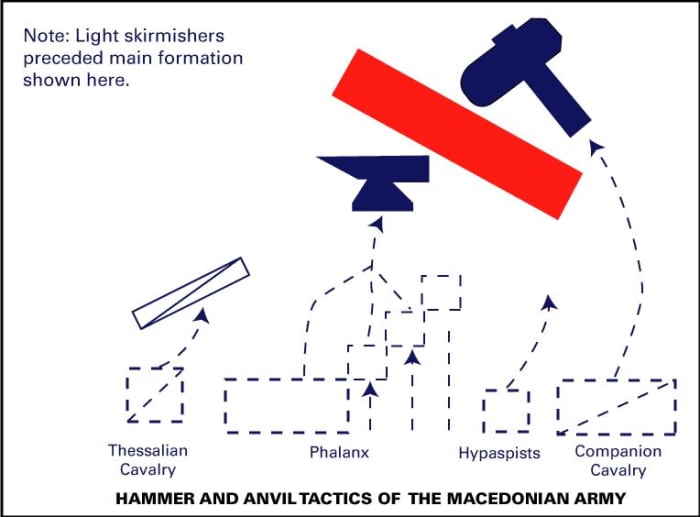
This is a classic ‘hammer and anvil’ tactic employed by the Alexander the Great and the Macedonians. The idea is to keep your opponent preoccupied with an unbreakable force in front, while you’re circling around to hit them with a hard-hitting elite force from behind. It looked something like this:
Flanking is such an overused, obvious tactic that it’s often discarded as a something overly predictable. The whole point of a good flank is that it is unpredictable. If you’re just attacking from two directions at once, you are technically flanking an enemy, but there are ways to do so more effectively: Surrounding and pincering, misdirecting, or attacking from a wholly unexpected angle.
You may have noticed that most of these strategies involve working with a team. Yes, that’s the point. Even if you’ve spent the entire match bad-mouthing your teammates for a having bad K/D, at the end of the day even bad players can group up and at least hold the advantage of numbers – they just need to be properly coordinated. Hop on team chat and start playing the macro game! If they won’t listen and just keep shouting insults about your mother … at least you tried.
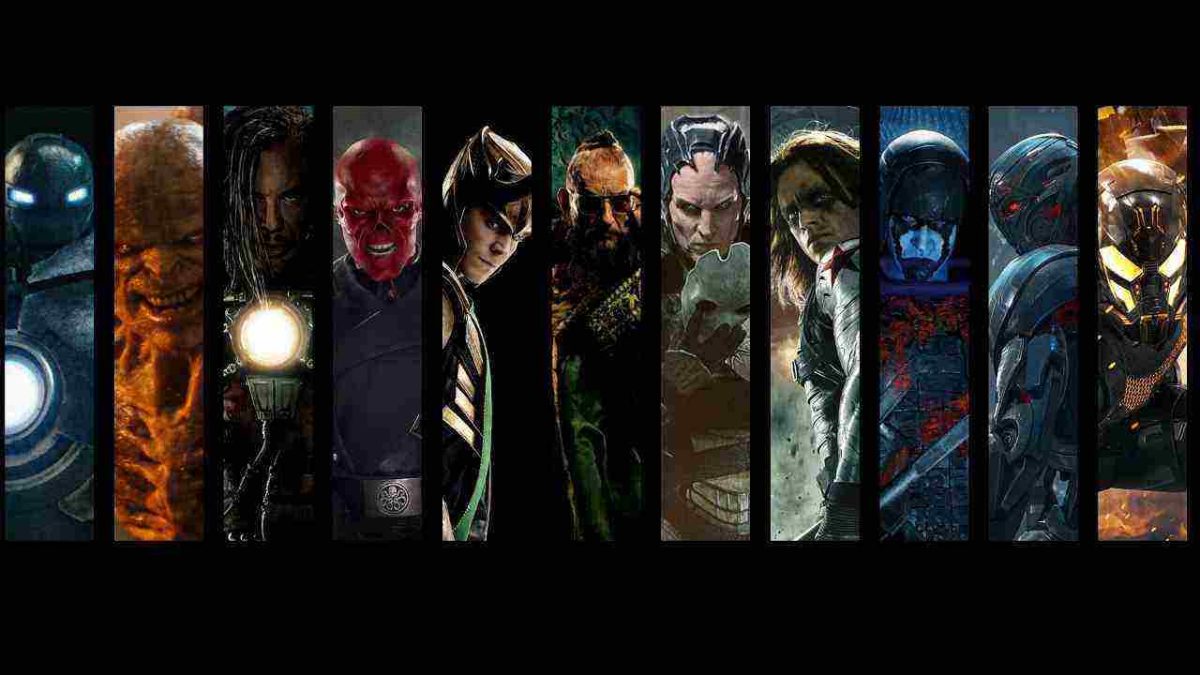
It’s a blast getting to be a superhero, but let’s be honest – it’s way more fun to be the bad guy. You get to blow stuff up, watch the good guys scatter and run, laugh maniacally as your army invades planets, and sit back on the throne of a new empire. With the villains of the Marvel Cinematic Universe the scariest part is that oftentimes they’re not even wrong. So which one of these vindictive villains are you?
Happy with your choice? If not, we suppose you could go and wreck the nearest planet in a frustrated tantrum. Or at least you could turn out the lights and let out an evil cackle. Come on, you know you want to.
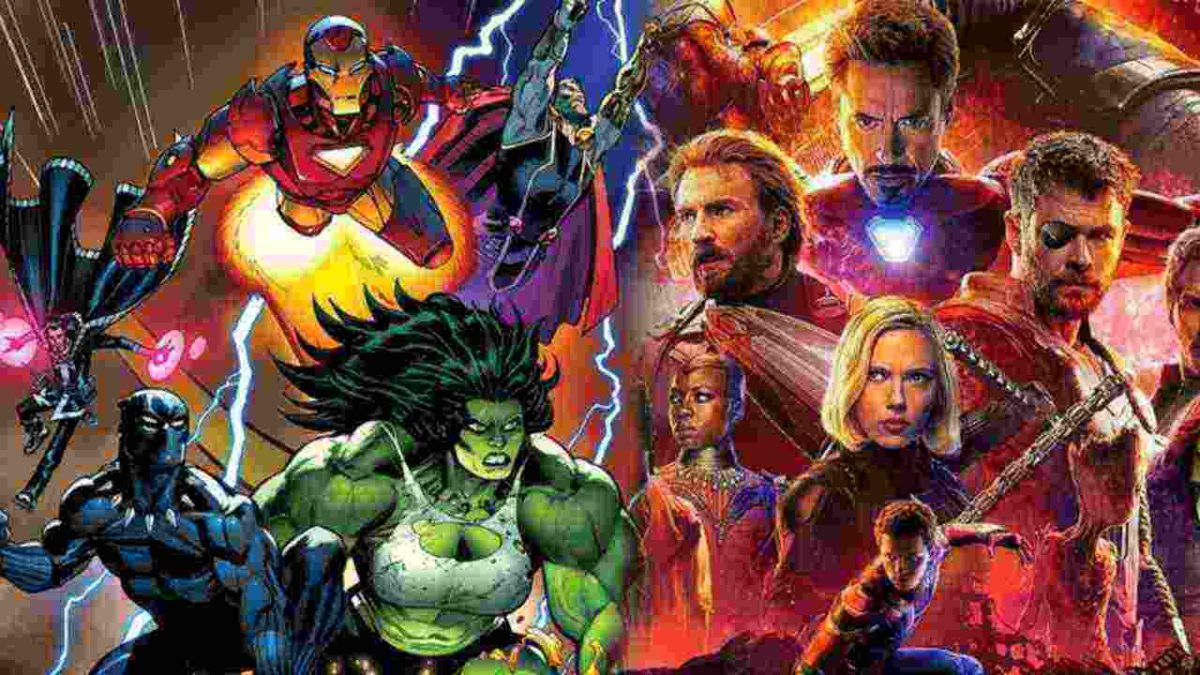
Despite the creative cleverness and fresh ingenuity of Marvel figureheads and directors like Kevin Feige, Jon Favreau, James Gunn, and the Russo Brothers, the widespread success and growth of the Marvel Cinematic Universe still began with the kernel of the comics. While the MCU has stayed relatively true to its source material, they’ve also taken their fair share of liberties.
While more hardcore Marvel fans might still be salty about Sony’s recent acquisition of Spider-Man, the glaring lack of mutants in the films, or how the Mandarin was cheekily sidestepped in “Iron Man 3,” there’s a lot of decisions the team has made that vastly improved the comic origins. Here’s our top 10:
10. Thor isn’t Donald Blake
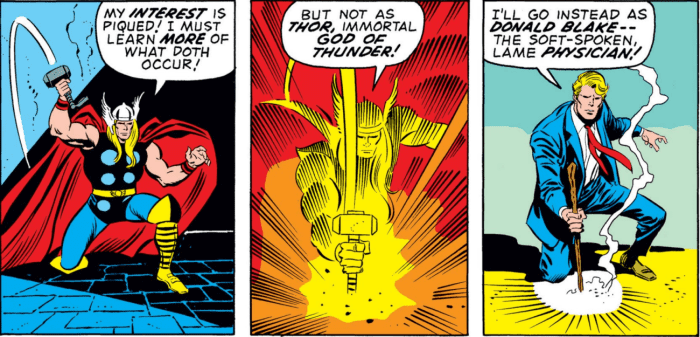
If your first foray into Asgard was through the MCU then you probably don’t even know the name “Donald Blake.” While Thor was still born and raised an Asgardian in both, his powers and relation with the mystical Mjolnir was very different. In the MCU Thor is sent to Midgard (Earth) to learn humility and respect in the original “Thor.” He knows what he has lost and it’s only when he starts acting like a true hero that he re-earns his powers.
“soft-spoken and lame” is right
In the comics Odin sends Thor to Earth for much the same reason. The difference? In the comics Thor is further punished by being sent to Earth in the mortal guise of a crippled young medical student named Donald Blake, forced to hobble around on an injured leg. Furthermore he’s completely stripped of his memories, leading to a long stint as a (surprisingly successful) physician and surgeon, similar to Doctor Strange. It’s honestly pretty weird – “Donald Blake” even opened up a private practice in New York. We think it’s definitely for the best that the MCU decided to forego this unnecessary complication to the plot, and instead that Thor learned to be a hero the real way. No mind-wiping necessary.
9. Scott Lang, not Hank Pym
Hank Pym is one of the most important members of the Avengers in the comics: He’s a founding member, the creator of Pym Particles, and even the mind behind the creation of Ultron. Many fans of the comics were upset by his exclusion in “Avengers: Age of Ultron” when in the comics his character played such a pivotal role. Even when Ant-Man finally got a solo movie it wasn’t Hank Pym in the starring role, but rather Scott Lang. Hank Pym’s role is minimal, and he certainly had nothing to do with Ultron. Here’s why:
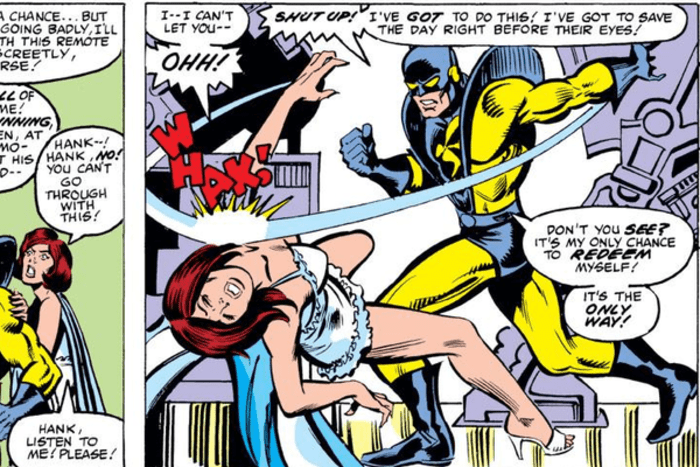
You can’t come back from some things
In the comics Scott Lang does become Ant-Man, and he’s the second guy to take on the mantle, just like it was shown in “Ant-Man.” Why put Hank Pym on the sidelines?
Well, to put it bluntly, it’s because in the comics Hank Pym beat his wife. Not something you’d likely see in a 2019 movie where you’re supposed to like the protagonist. Plus, the MCU already had one genius with a cool suit, they didn’t really need two. It was a lot more fun to see Scott Lang as the guy in the suit while Hank Pym exasperatedly tries to coach him.
8. Everything about Black Panther
Black Panther in the comics was a cool dude. He was the king of a hidden nation, a noble warrior, a humble leader in tune with his ancestry, and a frighteningly capable warrior. So how did the MCU take that character and improve him? By keeping everything we mentioned canon and focusing on improving everything and everyone around him. We could talk about the cool costumes and sleek technology of Wakanda all day, so to keep this short we’ll focus on a few key supporting characters from “Black Panther.”
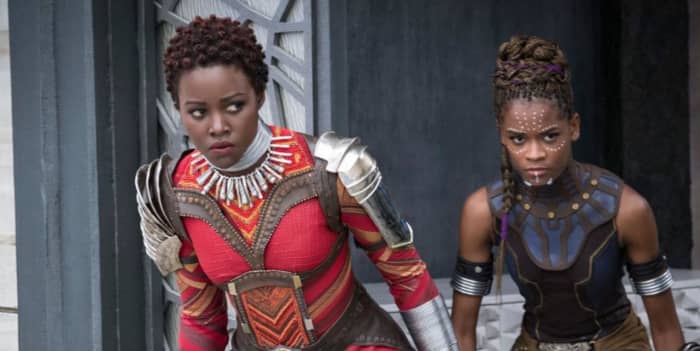
Making Lupita Nyong’o a one-shot villain would be an egregious waste of her talents
Let’s start with Nakia. In the movies she plays T’Challa’s ex-girlfriend and a spy for the throne of Wakanda. Strong, compassionate, pragmatic, and forward-thinking she’s largely the reason T’Challa’s family survived Killmonger’s coup.
In the comics, Nakia is strong, too; in fact she’s one of the Dora Milaje. She was also a wife-in-training openly obsessed with marrying T’Challa (she even threw herself 50 feet into a shallow pool just so T’Challa would perform mouth-to-mouth on her). Ew. Definitely not something that would cast her in a good light in the movies. M’Baku was also radically overhauled in the movies, for which we are eternally grateful. Why? Dude was called “Man-Ape” in the comics.
Let’s just leave it at that.
7. Peter Parker is Iron Man’s protegee
Iron Man is a brilliant engineer and inventor. Spider-Man is a smart kid. On top of that, both are costumed superheroes trying to leave a positive mark on the world. It makes perfect sense that Peter would idolize Tony Stark, and that Tony would welcome his talents during a heated disagreement with his former friend, Steve Rogers.
We love the Tony-Peter relationship
What makes this improvement such a stroke of genius is that it also means MCU Spider-Man gets to play with all Iron Man’s gadgets and toys. As we saw in “Spider-Man: Homecoming” it’s a clever way for Stark to pass on the torch and keep his character’s influence present in the MCU even after the character has sadly departed.
6. Bucky is awesome
Before Steve Rogers became a super soldier in “Captain America: First Avenger” it was Bucky Barnes who pulled him out of the fire again and again, “’till the end of the line.” Even after receiving the serum, Rogers still played the shy hero with a heart of gold, while Bucky was the more outgoing, confident, older brother figure. This dynamic was one of the key aspects that made “The Winter Soldier” such a compelling film, and gave such weight to Cap’s wanting to protect and redeem his best friend in “Civil War.”
My eyes! They bleed!
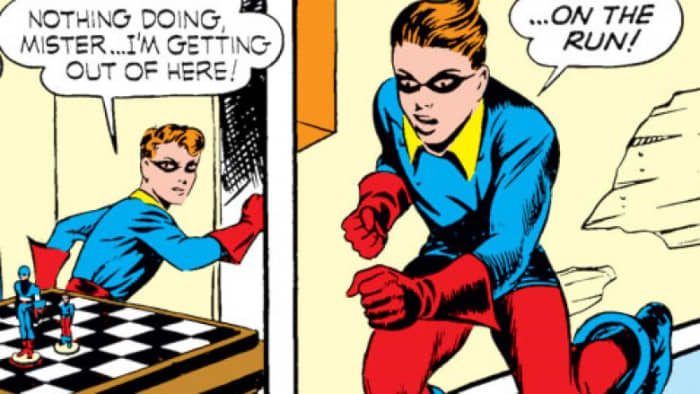
It’s times like this that we implore you to remember that Bucky was Captain America’s teenage sidekick in the comics. Yeesh. Introduced during a time when Batman and Robin was all the hype, Bucky originally played the part of Steve Rogers’ eager, plucky sidekick and mascot. This version of Bucky also led a team of teenage soldiers called – wait for it – the Kid Commandos. We get the feeling that if this character had fallen off a train in the final act the audience would have burst into applause.
5. War stories
Some might say that the MCU really hit its stride with the release and unprecedented success of the first “Avengers” film. The aftermath of the Chitauri invasion set the stage beautifully for Phase 2, with the effects of the disaster playing an important role in the subsequent chapters. While this isn’t really a choice you can compare with the comics, it was a brilliant way to interweave several of the themes and threads from the comics into a more streamlined, logical order.
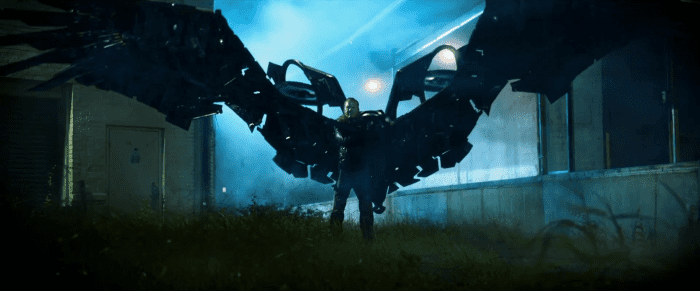
It’s so cool that Vulture’s wings are powered with Chitauri tech
Right off the bat, we see this come into play with “Iron Man 3.” In the comics, Tony Stark had a serious drinking problem (which they addressed with moderate success in “Iron Man 2“) that was a huge hurdle for the character to overcome. This was repainted as severe panic attacks and an obsessive need to protect the planet as a result of realizing how under-prepared they were for what the universe had in store. Speaking of neat segues, this leads right into our next point:
4. I am Iron Man
Aside from making the smart choice to headline the MCU with a character that at the time was lesser-known (which meant a smaller chance to screw up the series!), placing Iron Man at the center was smart for another reason: His personal journey aligns perfectly with the course laid out by Marvel’s first 3 phases. Aside from Robert Downey Jr.’s performance elevating the character to a whole new level of awesome, it’s his relation with the other characters in the MCU that made such an important figure on a more macro level.
Tony Stark was never the same after New York
We already talked about how “Avengers” put Tony Stark on a course that plagued him with anxiety. While he recovered on a personal level at the end of “Iron Man 3,” he still carried this with him in all the later movies. He sees a vision of death and destruction in “Age of Ultron” that inspires him to build a shield around the planet. Thus Ultron was born.
He wants to prevent global disasters and champion a more legal, institutionalized grip on superheroes. Thus the Sokovia Accords were introduced and the Civil War ignited.
He carries the weight of Marvel’s first three phases on his shoulders and brings that weight into every story in which he plays a part, adding his signature gravitas and credibility to situations well into “Avengers: Endgame.” We love you 3000, RDJ!
3. Everything about the Guardians of the Galaxy
If you knew who the Guardians of the Galaxy were before 2014 you are a cut from a very different cloth than most. Seriously, even the most hardcore Marvel fans probably didn’t know these oddball characters terribly well, and certainly never thought they’d see the day when they hit the big screen. James Gunn changed all of that with the huge breakout success of the first “Guardians of the Galaxy.”
Virtually everything about this corner of the Marvel universe needed a serious overhaul and paint job, and this movie managed to do that with flying colors, injecting its trademark humor, heart, multi-faceted characters, and zany, larger-than-life situations.
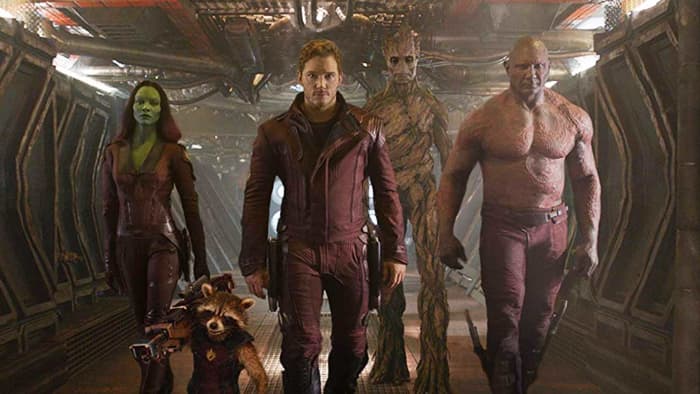
The Guardians of the Galaxy magically evolved into one of our favorite teams in Marvel
While Rocket and Groot didn’t change overly much from the comics’ formula, the oblivious and hilarious Drax was a delight to watch, and Star-Lord became the anchor the audience could attach to in an unfamiliar world. Playing rock hits from the ’60s and deeply affected by his mother’s passing, we could immediately sympathize and enjoy the new character. Gamora was perhaps the most important of all, with her ties to Thanos and the Infinity War, but we’ll get into that later.
2. To court Death
Humans “are unruly and therefore cannot be ruled,” The Other said to Thanos in the post-credits scene of Avengers. “To challenge them is to court…Death.” This line probably didn’t mean much to fans unfamiliar with the Infinity Gauntlet storyline, but to those who were, it carried on a whole new context.
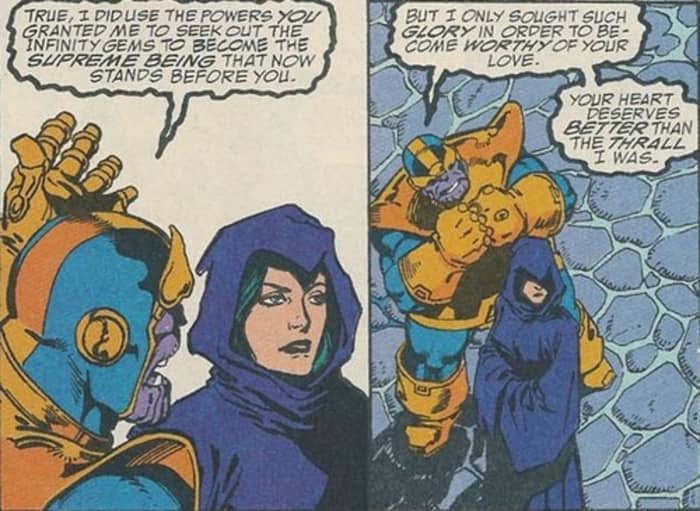
In the comics, Thanos was obsessed with Mistress Death, one of the Cosmic Entities of the Marvel Universe. The MCU could have gone a very different direction with his character if they’d stayed true to the comics:
Come on, dude, you’re embarrassing yourself.
Thanos in “Infinity War” was portrayed as a dogmatic futurist set out to carve a universe with plentiful resources, a universe that would know neither famine nor overpopulation. This wasn’t the case at all in the comics; everything he did in the Infinity Gauntlet story arc was for the affections of Mistress Death, a love that was never requited. We’re glad the MCU didn’t go this route in the movies; we’re not sure we could have taken him half as seriously.
1. Everything connects
Our favorite thing about the Marvel Cinematic universe is how everything is seamlessly intertwined. Plot threads often return or are revealed to have had a much deeper impact than we previously thought, and it’s one of the coolest parts of setting up a multi-movie franchise. In that way, it’s actually quite similar to the comics!
Of course, there are a lot of differences in the things the studio chose to connect, like turning the Eye of Agamotto into the Time Stone, having Captain Marvel’s plane inspire Nick Fury into launching the “Avenger Initiative,” or making Red Skull the protector of the Soul Stone.
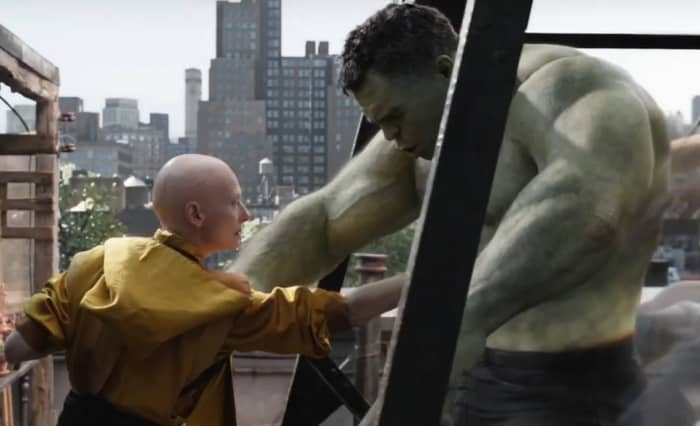
Did anyone really expect Hulk to run into the Ancient One?
While the comics had their own connections written throughout the series, drawing different connections between different points made these tie-ins special and exciting even to people who thought they knew Marvel comics inside and out.
Agree with our list? What’s your favorite story line or character from Marvel comics that got a shiny, refurbished paint job for the limelight of the MCU? Let us know in the comments below, and stick with Softonic for all things Marvel!
Ready to step into the ring? There’s dozens of kombatants waiting to earn the title of Mortal Kombat Grand Champion. But which one will take the crown? More importantly, which is the one you’re best at playing? Which will earn you the favor of the elder gods in their search for a victor? Take our quiz below and find who will topple your challenge tower!
Are you a sassy showman like Johnny Cage? Or are you more an honorable duelist like Liu Kang? Maybe you’re a complete oddball like Goro. Satisfied with your result? If not, take our quiz again. Practice makes perfect!
Games are hard. That’s the not-so-secret reason a YouTube channel like LetsPlay has 3 million subscribers, or why Fortnite tournament champions can bring home millions of dollars. Sure some games are easier than others, but you can usually tell the difference between a novice and a veteran gamer no matter what title they boot up or what controller is in their hands.
Even if you can win every Fortnite match, dominate the Mortal Kombat leaderboards, or build Minecraft castles in the sky, you still might not be the greatest when it comes to beating Riddler in Arkham Knight, winning races in Forza, or leading a nation in Civilization 6. Gaming has grown into a huge umbrella, and it covers a lot of ground. No matter what game you pick up, though, there are some universal tips that will always start you off on the right foot. Here’s our list:
1. Save often, use different slots
Mostly gone are the days of classic Sierra-style point-and-click adventure games like Quest for Glory or Gabriel Knight. You know, games that punish the crap out of you for forgetting to save your progress. Most games use auto-saves or checkpoints nowadays, but take it from a guy who grew up with the classics: If there’s an option to manual save, do it often. It can save you hours of having to replay the same territory.
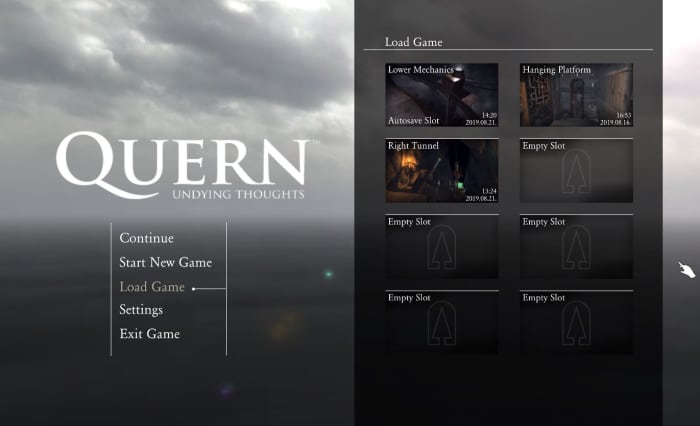
Use multiple save slots to set up a safety net
Saving in different slots is also smart. You may make a decision that you regret, like overspending your resources, killing a character, entering a place before you were ready, choosing a poor team for the job – the list goes on. We recommend having at least three saves that you go between. That way you have a safety net in case you royally screw something up.
2. Everything is rock, paper, scissors
Rock, paper, scissors is the most basic game of all time (besides maybe Pong) and yet it permeates everything. Hilariously enough, it’s usually even praised for making games complex. The idea is that for everything there is a counter. We can’t stress how important it is to take that into consideration no matter what game you’re playing. It’s the foundation for RTS titles like Total War or Battle for Middle Earth (spearmen –> horses –> archers –> swordsmen –> spearmen), but rock-paper-scissors can apply to practically any genre.
Total War: Three Kingdoms – Complete beginner’s guide
Look at fighting games (who’s the best match for Braniac in Injustice 2?), RPGs (when should you use ice spells instead of fire in Skyrim?), and even shooters (when will an SMG beat a shotgun?). If you find that your usual tactic, your favorite character, or your best weapon isn’t getting the job done like you expected, it’s time to consider a new tactic.
3. Read the manual
We know what you’re thinking. ‘I don’t need to read a manual! That’s for wimps!’ Well then it’s time for a personal story: One of the first games I ever played was Jedi Knight: Dark Forces II. In the sixth level (ugh, I still remember every detail of this game) there’s a room with a bridge that has to be manually extended in order to progress through the room. The catch is that the extension controls are quite far from the bridge itself, and the bridge doesn’t stay extended long. Bottom line: You have to run across the bridge really quickly before it pulls back in again. It went something like this:
I was stuck at this part of the game for seven months because I kept trying to walk across it as fast as possible. Because I didn’t know there was a ‘run’ button. Call me dumb, but since this was one of my first games I didn’t know that was standard practice. If I’d read the manual I would have known this right off the bat and saved myself monthsof frustration. It pays to know the tools in your toolkit. Read the manual. Don’t be like me.
4. Hotkeys are your friends
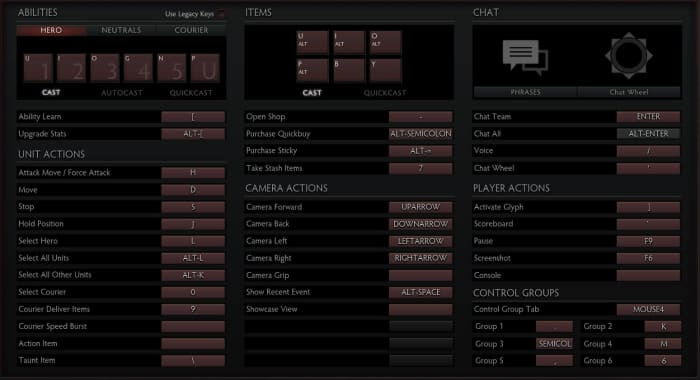
If you’re a console player this tip isn’t quite as important, but for all you PC players looking to up your game this is huge. Any level where you’re on the clock (and we’re not just talking about racing games like Need for Speed. If you’re playing a shooter you need to react quickly.) you need to be able to do a lot of things in a short amount of time. Hotkeys might take some extra memorization, but trust us; it’s worth it. You’ll be able to do so much more, so much faster.
With a bit of practice and the right hotkeys set, you can operate as fast as you can think.
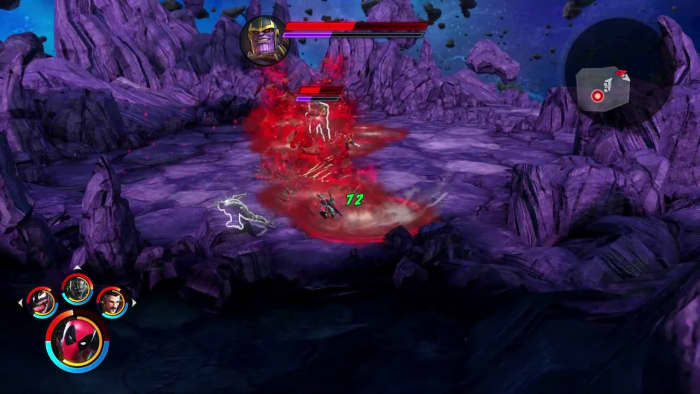
Some games let you set the hotkeys yourself, which means your experience will play as intuitively as you choose. You can even look at a new console game like Marvel Ultimate Alliance 3. If you’re having trouble adjusting to the gameplay (like we did) you can change the control scheme right in the Options menu. You can also re-assign powers to different buttons if you don’t think it makes sense where they are. If the controls don’t make sense to you, look to see if you can change them.
If it feels like you’re running into a brick wall, it might be because you are. How could the game designers be so cruel? Why would they make a level unwinnable?? Odds are, that isn’t the case; you’re just not approaching it the right way. Attacking from a different angle can make all the difference. A melee brawl with a tough opponent might spell death, but a sniper shot to the back of the head? Can’t argue with that! Sometimes it’s like Sam Fisher instructs, you’ve got to “re-position and reacquire:”
This doesn’t just go for single-player games either. If another player in an FPS game seems untouchable, try and undermine him. Go at him with strategies he doesn’t expect. Use equipment that your teammates discarded. Get around the obstacles, flank him, and hit him where he least expects you. Be patient and, to quote Napoleon Bonaparte, “never interrupt your enemy when he is making a mistake.”
6. Everything is min/max
Remember when we said that everything is rock, paper, scissors? That only works if your rock is heavy, your scissors are sharp, and your paper is … uh, it’s not a perfect metaphor. The point is that when you’re trying for an specific build, strategy, or angle in a game you need to push it to its fullest extent. There’s an important balance you need to consider: Do you want to create a loadout or character that’s a jack of all trades? Or would you rather make a specialist who’s unmatched in one category, but vulnerable in another (a la rock, paper, scissors)?
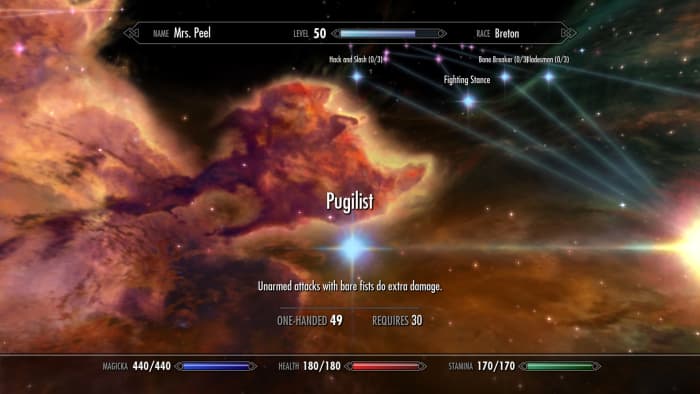
Don’t even TRY an unarmed Skyrim playthrough without investing in this perk.
While it may be tempting to raise the HP of a weak character, or beef up someone who’s not doing much damage, remember that teamwork makes the dream work: Operating as a cohesive unit of properly min/maxed characters ensures that no matter what you go up against, you have a solution for it. In RTS games that means moving units with stacked bonuses. In shooter games that means teammates are covering all the angles in a firefight. In an RPG that means leveling up the right skills and traits.
7. DODGE!
A good player can roll with the hits, but a pro player doesn’t get hit to begin with. In the words of Piccolo, the most valuable skill you can learn is to dodge. This applies to literally every game: When you’re under fire there’s a spot where you’re safe and there’s (usually many) spots where you are decidedly not safe. Dodging in video games is an art, but it’s also a test of patience. Defensive playing can keep you alive long enough to get that coveted weapon in Halo, elude that persistent zombie horde in World War Z or outlast that infuriating Dark Souls boss.
It’s usually clear where to stand and where NOT to stand.
This tip also extends to using cover properly in a game like Mass Effect or Dragon’s Dogma. Silly as it may seem, trees, pillars, and rocks are usually indestructible, so dipping behind them will shield you from mightier aoe attacks and buy you valuable time to heal or plan your next move.
8. Retread old ground, but remember your current objective
Going back to explore old territory might sound boring if you’re itchy to move along in a game’s plot, but it’s often worth doing. Sometimes a place you’re stuck actually is unsolvable unless you go back to investigate earlier ground with a little more scrutiny. This is especially true in puzzle games like The Room or Myst where being observant is half the battle. Maybe there’s a subtle clue you overlooked. In RPGs like Dragon Age backtracking is a good way to save characters who would otherwise have died or complete easier quests, and in shooter games it’s a great way to hone your skills in a controlled environment.
Having trouble winning online Halo matches? Practice in Firefight.
On the flip side of the coin, if you’re stuck at a difficult juncture in a game don’t just endlessly replay easier points. It may not be fun to hammer away on a tough boss in Street Fighter 2 for hours, or sit there stumped trying to beat a difficult stealth section of a game like Shadow Tactics, but we promise – you’ll beat it eventually. You just have to keep grinding away. Never give up, never surrender!
9. Tinker
If a game has a place to tweak your equipment and tools, it’s always worth doing. Whether its smithing your weapons and armor in an RPG like Kingdoms of Amalur or Witcher 3, managing your ISO-8 in Ultimate Alliance 3, upgrading your Mother Base in Metal Gear Solid V: The Phantom Pain or memorizing those multi-hit juggle combos in Injustice, practice makes perfect and every little bit counts.
If you’re really trying to fine-tune your experience, the same goes for the often-ignored Options menu. Small tweaks here can have a huge impact on your gameplay, like raising your joystick sensitivity. In Call of Duty that will open a ton of doors. Even something as small as changing the reticle color in Apex Legends could make an unexpected difference in your performance. Trial and error might lead to an adjustment you didn’t know you needed.
10. The Internet already did it
Last but probably most obvious: It’s 2019 and “if it exists, it’s on the Internet.” That goes for strategy guides, tips and tricks (like this article!), video walkthroughs, Twitch streaming, and even Facebook groups or companion apps for certain games. If you’re struggling with a point in a game, we swear you’re not the first. Look to the gigantic network of players and you’ll undoubtedly find someone who’s gotten past where you’re stuck.
Hopefully these tips will help you up your gaming skill in whatever franchise you’re currently enjoying, and that you’ll tackle the next milestone with a bigger bag of tricks.
Let us know in the comments below if there are any universal gaming strategies that you’ve used, and stick with Softonic for more gaming tips and tricks!
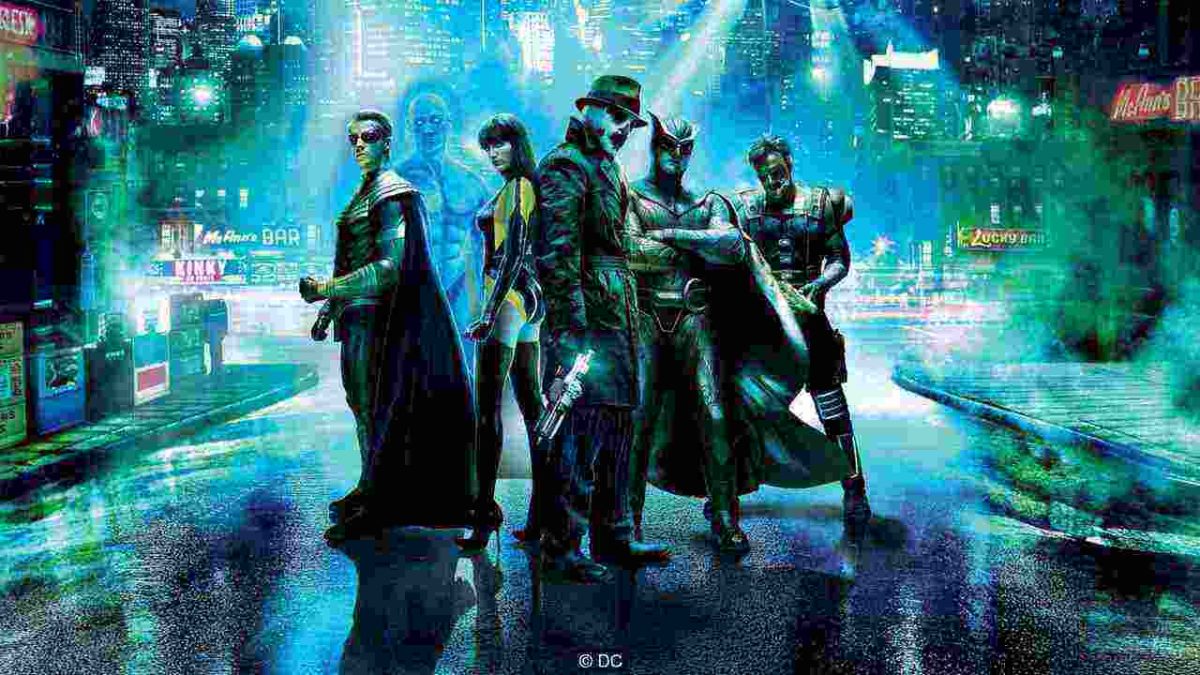
“Watchmen” came out 10 years ago, and it’s about the furthest thing from the popcorn-munching superhero movies of today. In fact, some might say it isn’t a superhero movie at all. While the main characters of the film definitely look like superheroes – masks, capes, and flying vehicles included – the point of the characters was not to inspire readers with tales of heroism and glamour.
A big part of Watchmen is looking at the characters and weighing in on their flaws. “We tried to set up four or five radically opposing ways of seeing the world,” said writer Alan Moore. “Let the readers figure it out for themselves; let them make a moral decision for once in their miserable lives!”
Nobody’s perfect! So which hero from Watchmen do you think you’re most like? Take our quiz and find out:
Happy with your result? I mean … probably not. Most of these heroes aren’t exactly role models. But hey, recognizing your flaws is the first step towards overcoming them, right? Or … maybe stick with our Avengers quizzes in the meantime.
Meet The HU: The Mongolian metal band that’s taking the internet by storm!
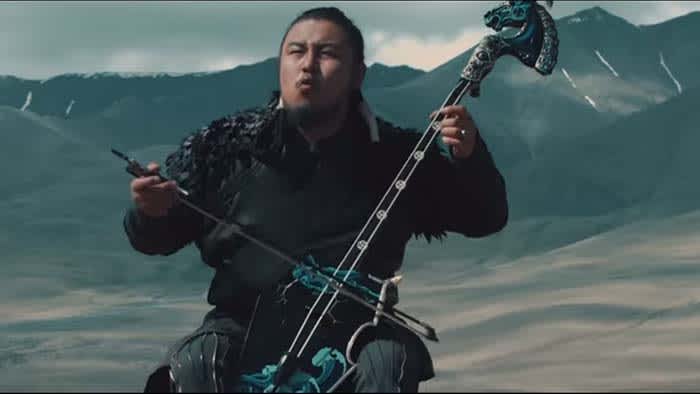
It doesn’t get much more metal than craving the days when your civilization conquered most of the eastern hemisphere. That attitude is the heart, soul, and blood of The HU, a band from Mongolia that’s donning the leather jackets and motorcycles of your typical heavy metal band. However, they’re pushing the boundaries with a fresh cultural edge.
The HU’s sound is distinctive, incorporating their native instruments (like a guitar called a Tovshuur or a jaw harp called a Tumur Khuur), distinctive guttural throat singing, and their harsh language into the music. Their lyrics are pretty brutal too:
“Ten of us will strike you as thunder. Hundred of us will shatter your hearts. Thousand of us will destroy and obliterate. Ten thousand of us will hand you the wrath of heaven.”
The first couple music videos the band put out went absolutely viral. Together the videos got more than 37 million views, and the number is only climbing. The HU is scheduled to tour later this year in Canada and the United States, and shows are coming to the following places:
Never thought we’d see a Keshik horseman leading a pack of motorcycles.
The HU taps into a proud ancestry and ancient violence to rekindle a culture steeped in warfare and bloodshed. They put that fire into their music, and it comes through with the passion and anger that gives metal its bite. As one YouTuber commented, “I was listening to this while riding my bike. Now my bike is a horse.” We’re happy to see the band finding success, and are eager to hear what they churn out next!
TeamViewer allows you to control computers remotely. Here’s why you should give it a try!
Have you ever asked your IT department for support and have them request your Teamviewer details? Teamviewer is remote access software for Mac, Windows, iOS, and Android devices. Teamviewer is a fast and secure way of remotely gaining access to another computer or device. Teamviewer has a wide range of features that make it an ideal solution for remote control, meetings, and maintaining a cloud-based service desk.
In this guide, we’ll be covering what Teamviewer is, what it’s used for, and how to download and start using the program.
What Is Teamviewer?
Teamviewer is a remote access software program. But what does that mean? In short, Teamviewer allows a user to gain access to another computer or device that also has the software installed. Once the access is granted, you can remotely work on the computer through the software. This means you can install files, make changes, and even troubleshoot issues.
What Is Teamviewer Used For?
Teamviewer is used for a range of tasks. It is widely known as an all-in-one solution for remote support, remote access, and online meetings. You will often find Teamviewer used by IT departments and any other companies that need to provide computer support. The reason for this is that it gives the user access and control over a device remotely. This is ideal because it means problems can be resolved faster and more efficiently. No more waiting for someone from the IT department to come to your office to fix the problem.
This is just one aspect of what Teamviewer is used for. This software can also be a great tool for hosting online meetings, sharing your desktop with others, and sharing files with colleagues and other team members.
Is TeamViewer safe?
Yes. You can only use TeamViewer to connect to devices you pair it with, and that access is both device agnostic and completely secure. TeamViewer has powerful security measures in place, such as end-to-end encryption which prevents man-in-the-middle attacks or anti-brute-force means.
How to Download the App
Downloading and installing the software is easy enough. Teamviewer is available for Mac, Windows, Android, and iOS. Now let’s take a look at how to download the app for the various platforms so that you can start using the tool.
Android and iOS
One of the best things about TeamViewer is that it’s not restricted to desktop or macOS. You can run it on Android or iOS devices just as easily, which means you can now remotely view what’s on your iPhone or iPad.
TeamViewer is the world’s first remote support technology to allow screen sharing on iOS devices from any desktop or mobile device, and Android is an especially good platform if you’re trying to support multiple employees who use their own personal devices.
Windows and Mac
Teamviewer was first designed to be used on computer desktops. It is a very easy and intuitive program to use. Teamviewer is also one of the very few programs that allow access between different operating systems. This means you can access a Mac computer from a Windows computer through Teamviewer.
You can download Teamviewer from a reputable source or directly from the Teamviewer website. All you do is click on the download version for your operating system, and the install files will be downloaded to your computer or smartphone.
What Is Teamviewer QuickSupport?
Teamviewer QuickSupport is just that: quick support. With this feature enabled, you can get the assistance of a computer technician easily and quickly without having to wait around for hours. The support offered is safe and secure as you need to allow access to anyone wishing to use Teamviewer on your device.
Still, it means that you have the comfort of knowing that if any issues pop up on your computer or device, you’ll have fast and easy access to trained technicians to assist you.
How to Use Teamviewer
Teamviewer is a very simple program to use and an easy one to master. It was designed to be intuitive and user-friendly, and it meets these goals perfectly. Let’s take a look at how to use Teamviewer.
How to Set Up Teamviewer
To set up Teamviewer, you have to start by installing the program from the files you downloaded. Once the program has been installed on your computer or smartphone, you can open the app and set up your account. Remember these details as you’ll need them to access your account in the future. We recommend setting up ‘Easy Access’ from the ‘Remote Control’ tab to make any future setup even easier. We also recommend activating the two-factor authentication from within your profile as an added layer of security.
File transfer
You can log on to TeamViewer to remote access and transfer files, folders, screenshots, text, and images to and from any computer or mobile device you’re connected with. This is done in two different ways.
Option one is to use a regular clipboard function (Ctrl+C, Ctrl+V) to simply transfer from an online storage cloud like Google Drive, OneDrive or Box.
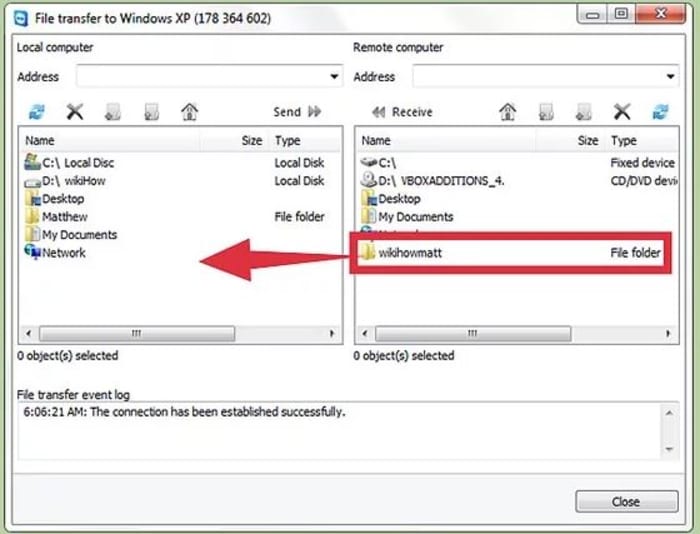
Option two is to use the integrated file transfer tool shown below.
How it works
TeamViewer works by providing a unique 9-digit ID number tied to a particular computer. This is known as your TeamViewer ID. Even if you update or reinstall your TeamViewer account this specific number won’t change. You share that ID number with a TeamViewer user (or another device that you own) and they’ll be able to access your partner ID via remote desktop.
Collaboration and support at their best
When it comes to teamwork or IT support, it’s a necessary evil to let others have remote access to your desktop. You’re only a few steps away from seeing for yourself how TeamViewer works. We hope it assists with any issues you may have or enhances communication for your project.
Discover how role-playing games are helping kids fight mental illness.
When you’re a kid, it’s hard to save the world. You’ve got grades to keep up, sports teams and school plays to try out for, friends to make, and parents to please. It’s even harder to save the world when you’re a teenager with depression, social anxiety, or Autism. Saving the world is only possible if you can first save yourself, and a company called Game to Grow is helping kids do both.
Rebecca might be shy, but her level 9 paladin can inspire her allies through the darkness.
Founded in 2017, Game to Grow is a non-profit organization that uses tabletop gaming to improve people’s lives – specifically Dungeons & Dragons.
What makes DnD such a good choice right off the bat is that it’s a role-playing game. If you can immerse yourself in a fantasy world and invest in the zany exploits of your character, suddenly you’re not a little boy who had a bad day at school, or a teenager who just had a fight with her parents. Movies, books, and video games are all escapist fun, but tabletop gaming does two things that no other medium can match:
First, the heart and soul of the character is up to you. Dungeons & Dragons goes much deeper than vicariously living through a Marvel hero, or poking and prodding a character creation menu in a video game. There’s no Mass Effect dialogue wheel in DnD; you say whatever you want. There are no invisible walls either; you can go where you want.
Victims of depression often describe themselves as feeling trapped, like their course is set and they have no control over their own lives. Dungeons and Dragons puts you in the shoes of an altogether different character, charting an altogether different path. With that agency comes a rare liberation – what you do matters, and more importantly who you are matters!
Second, and just as important, is that with tabletop gaming you’re with a group. You’re sharing space, making conversation, and working together to complete an objective. It’s a hands-on experience that gently nudges players towards a collaborative effort and achieving something that they could not do alone.
A DM (who serves as the game’s moderator) sets the stage and it’s up to you how you want your character to tackle the obstacles. These obstacles could be clearing a dungeon or slaying a monster, but could just as easily be negotiating with townspeople, attending a costume ball, or interfering with kingdom politics. Maybe you’re afraid to embark on such a daunting task … but your character isn’t!
No matter what the quest of the week happens to be, Game to Grow has a bigger mission they’re weaving into the plot: Targeting your own personal issues, and empowering you to conquer them.
“Part of what we do is we say you are yourself and that is OK,” says company founder Adam Davis. “You can participate and we can celebrate your uniqueness and your unique skill set.” He and co-founder Adam Johns have been using this formula for over eight years. Today they see over 50 kids a week, many of whom are on the Autism spectrum, and the result is a system that’s just as – if not more – effective than official therapy or psychiatry.
Adam Johns considers the company “agnostic to diagnosis,” explaining that “even when kids report that they’re doing fine, a lot of times that’s because they’ve never had an opportunity to know what it is to have a friend and know what it is to feel connected. When they come to our groups they build that connectedness, they build that opportunity for relationship with other kids.”
The Game to Grow founders have been teaching kids to fight the good fight for almost a decade
Game to Grow has since expanded the company, training teachers, librarians, community leaders, and even therapists in their methodology.
“We know we’re never gonna run groups across the world,” admits Adam Johns. “Instead, we’d rather train other people to get their own group started.” Kids or parents who fear the social stigma of therapy are more willing to say “I’m going to DnD tonight” over “I’m seeing my therapist.” As such, Game to Grow has a 94% retention rate, and kids are excited to come back for the next adventure.
“We see kids that are burned out on therapy,” says Johns, “but they come to our group, week after week. It’s the one thing they don’t want to miss.”
Friends who slay dragons together stay together
It’s awesome to see tabletop gaming being used as a medium to help people overcome their anxiety, and we hope to see that same creative initiative catch on and become more mainstream in today’s society, one dungeon at a time!
Maybe the most famous version of Batman will finally step into the spotlight.
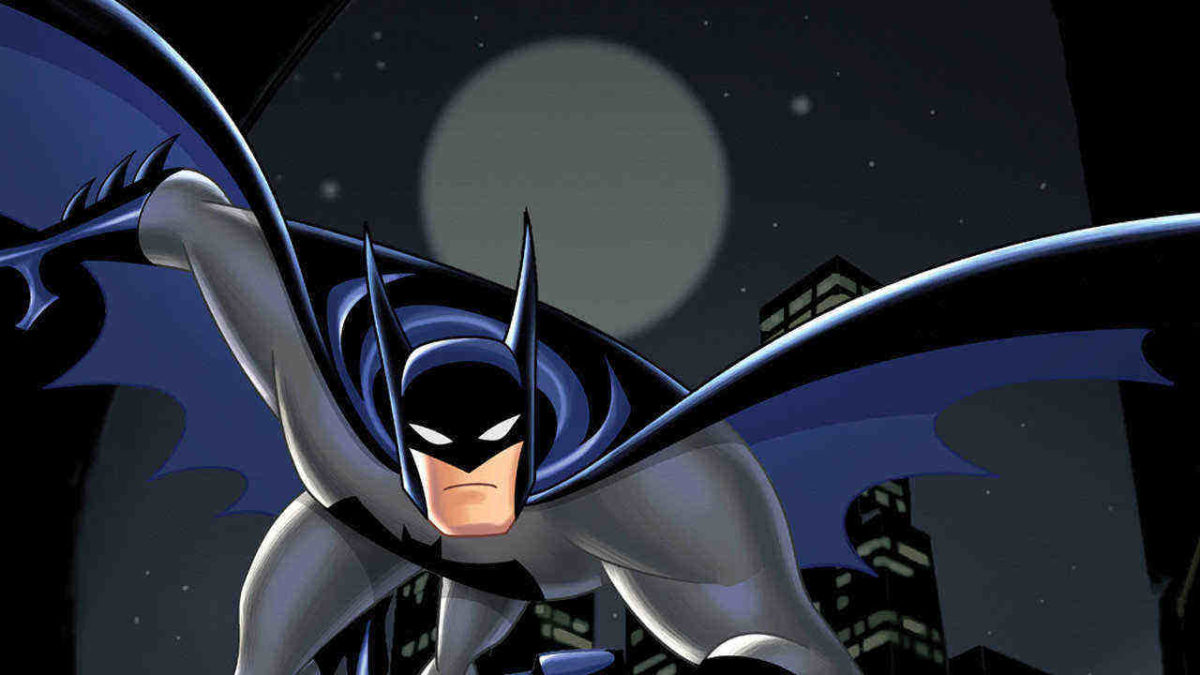
If you ever watched Batman cartoons growing up, were a fan of the Justice League TV series, or played any of the games in the Arkham or Injustice series, you’ve heard Kevin Conroy. His deep, sonorous, honorable voice has become practically synonymous with the vengeful, brooding Dark Knight, and at this point, if someone besides Conroy is behind the mic, it doesn’t feel authentic.
After over 25 years of playing Batman he’s taken the character practically anywhere there is to go. He’s even done musical numbers. Despite all the work Conroy has done as Batman, he’s never played the caped crusader live before – until now.
The CW recently announced that Conroy has been cast to play an older Bruce Wayne in the upcoming “Crisis on Infinite Earths,” a series that will span two quarters and consist of “Arrow,” “The Flash,” “Supergirl,” “Legends of Tomorrow,” and “Batwoman.”
The crossover series will air between December and January, and is set to be five episodes total.
While it’s unlikely we’ll get to see Conroy donning a bat suit, seeing him play an older, more grizzled Bruce Wayne will be incredibly cool. As always, we can’t imagine better casting for the part.
Are you looking forward to “Crisis on Infinite Earths?” Let us know in the comments below if you’re planning to tune in for the even, and stick with Sofonic for more Batman news!