Japan’s Planned Launch Program Hit by Major Setback Following Failed Rocket

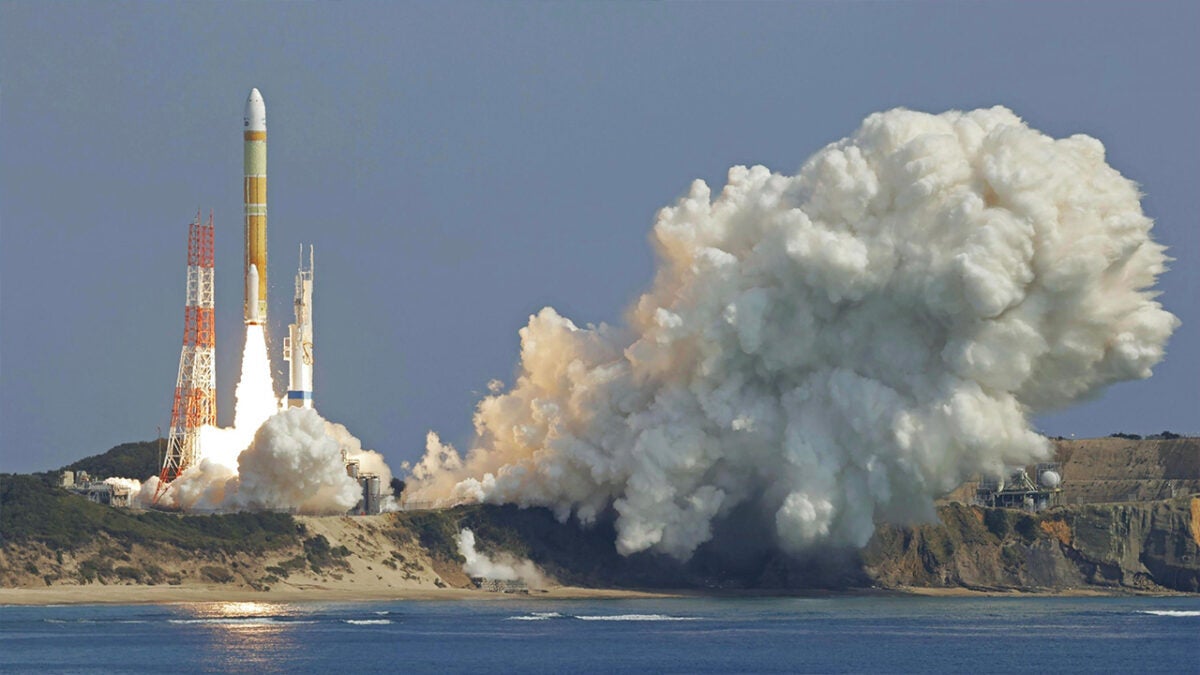
The Japan Aerospace Exploration Agency (JAXA) planned to launch its latest flagship rocket, H3, today as part of a disaster management program. Unfortunately, the event didn’t go as planned, with the rocket going into self-destruct mode. This is the second time H3 has failed to launch properly to begin the mission.

CNN initially reported the failed launch this morning. According to Jaxa, one of the controllers sent an instruction to the rocket to destruct when it realized that the launch wouldn’t succeed. Basically, the H3’s second stage didn’t ignite as planned, which is when the approaching failure was detected. 

The first launch of H3 also failed on February 17, 2023. There were secondary boosters attached to the side of the rocket, which refused to ignite, causing a similar issue. Sadly, it meant H3 was doomed for failure back then already. 

These failed launches are causing significant setbacks for JAXA. H3 is supposed to be an improved upgrade from the previous H-2A and H-2B, designed for commercial and governmental missions. It’s supposed to carry the Advance Land Observation Satellite-3 (ALOS-3), created to map the ground and capture images in an effort to help with future disaster management planning and control.

Japan’s H3 rocket fails to launch again

Perhaps they should approach Elon Musk’s SpaceX company. They’ve been having quite a bit of success with the launch of Falcon 9’s 53 satellites. Who knows; maybe they have a better idea of how to get H3 to launch properly.
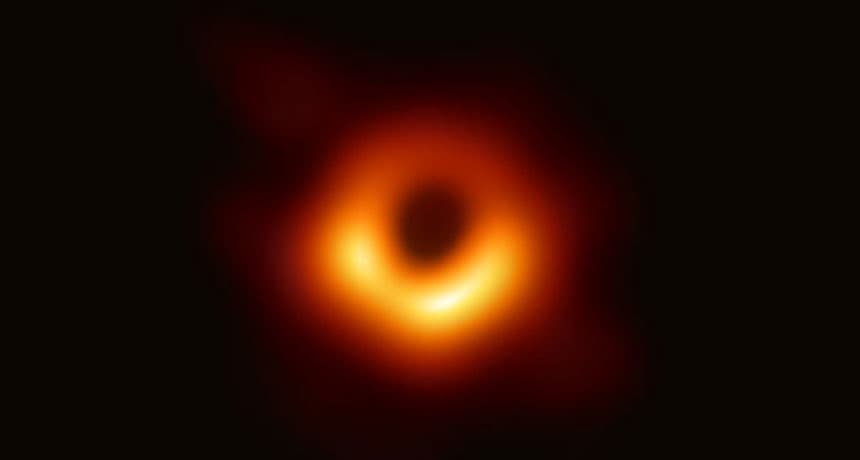
First black hole picture released

Discover what makes this picture so special.

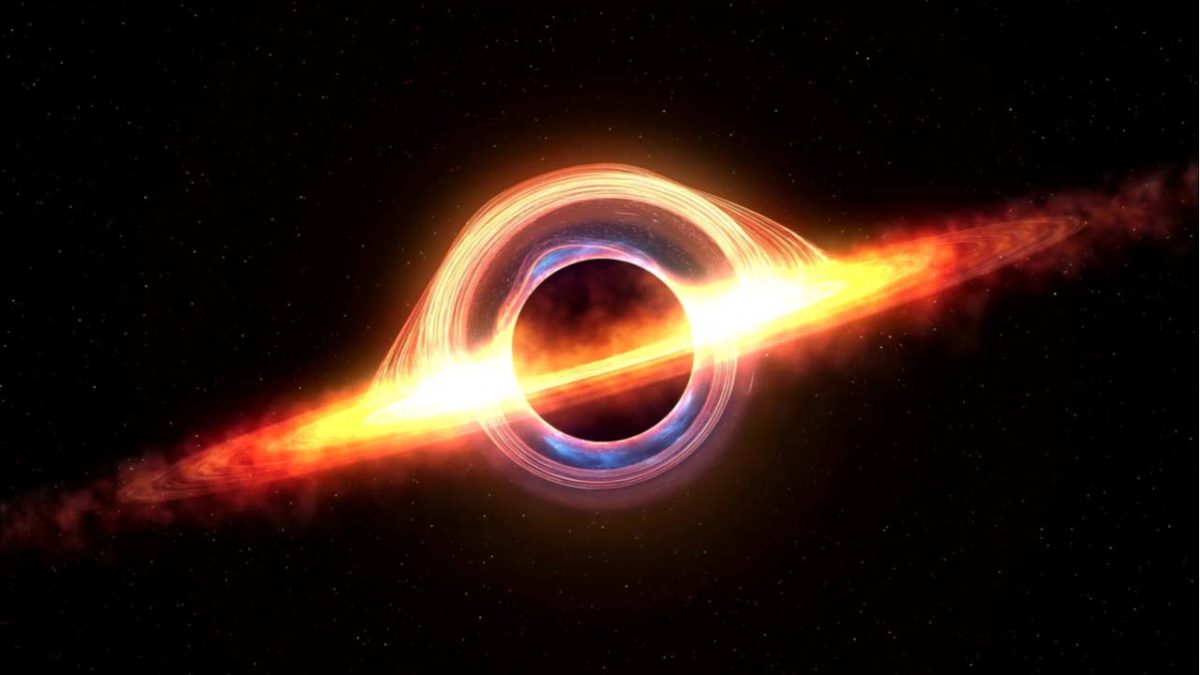
Is it the Eye of Sauron? Is it some marmalade someone spilled on the carpet? Nope, this is actually the first-ever image of a black hole.

Black hole

It might not look as exciting as what a Christopher Nolan movie or Soundgarden song might depict. However, it is, without a doubt, a monumental achievement in space exploration.

The image was captured by the Event Horizon Telescope with the help of NASA scientists and spacecraft. This black hole currently sits about 55 million light-years away in galaxy M87. It is more than six times bigger than the sun. 

Members of the scientific community have taken to social media to express their joy at the milestone.

“History books will be divided into the time before the image and after the image,” said Michael Kramer from the Max Planck Institute for Radio Astronomy.

As for us, we’re just sad that Opportunity didn’t live to see this day.

The shadow of the black hole is in the center of the image. The bright red and yellow color is actually light being sucked into the black hole.

The Event Horizon Telescope does not look like any sort of traditional telescope you are picturing. The “telescope” is the size of the Earth.

The team takes measurements to collect data with satellite dishes. The dishes are located in North America, South America, Europe, and Antarctica. This technique is called radio observation. 

“This is an amazing accomplishment by the EHT team,” said NASA’s director of the astrophysics division Paul Hertz “Years ago, we thought we would have to build a very large space telescope to image a black hole. By getting radio telescopes around the world to work in concert like one instrument, the EHT team achieved this, decades ahead of time.”

If the data is collected at the same time, scientists can use it to produce an image. The data for this black hole came in two years ago, and scientists have been forming it into a clear image since then. If that sounds confusing, just remember that scientists initially thought this was impossible.

The image is the first step in more research toward massive black holes, event horizons, and gravity itself.

“We have achieved something presumed to be impossible just a generation ago,” said EHT project director Sheperd S. Doeleman. “Breakthroughs in technology, connections between the world’s best radio observatories, and innovative algorithms all came together to open an entirely new window on black holes and the event horizon.”

NASA’s heartbreaking final words to the Mars rover Opportunity

NASA’s send-off to the brave robot will reduce you to tears.

NASA Opportunity

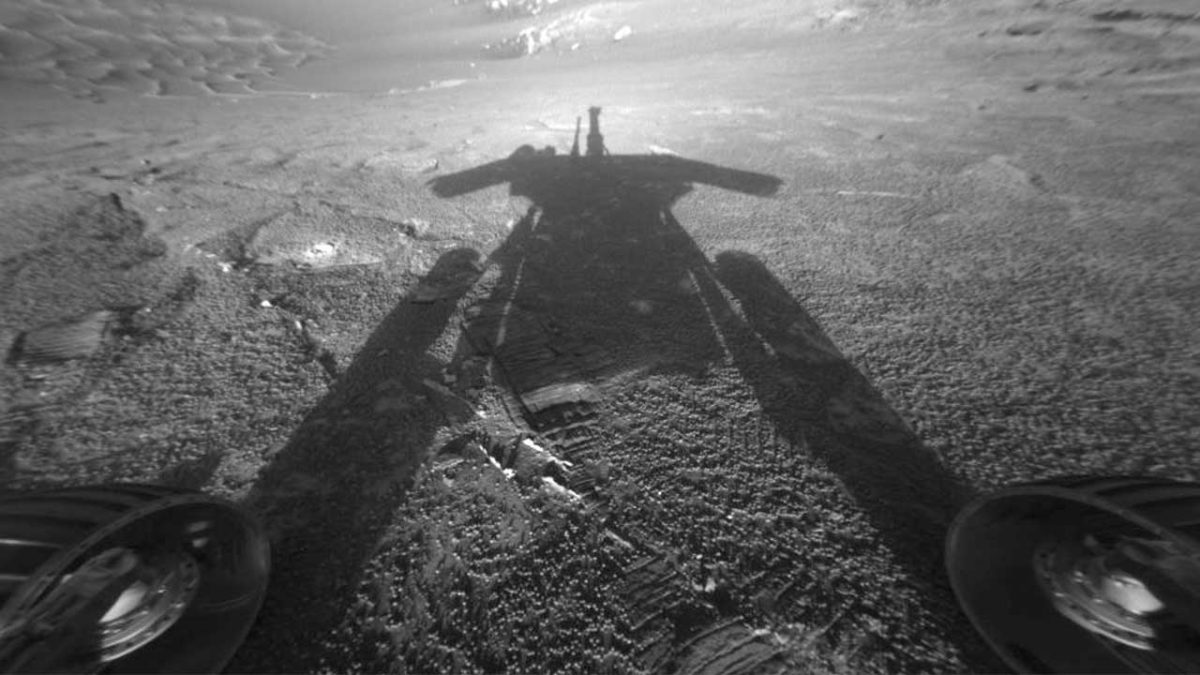
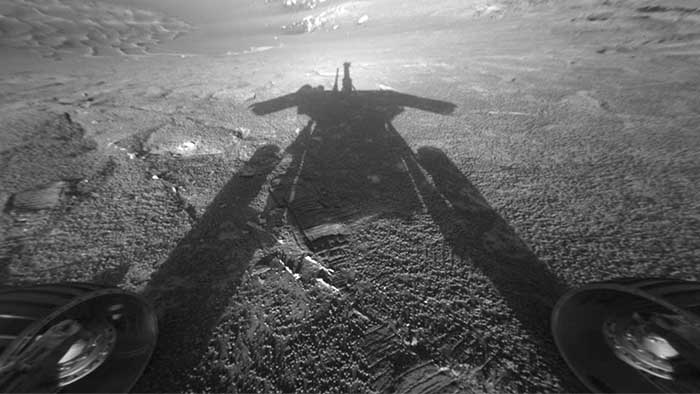
After a record-shattering run on Mars, NASA’s Opportunity rover is dead.

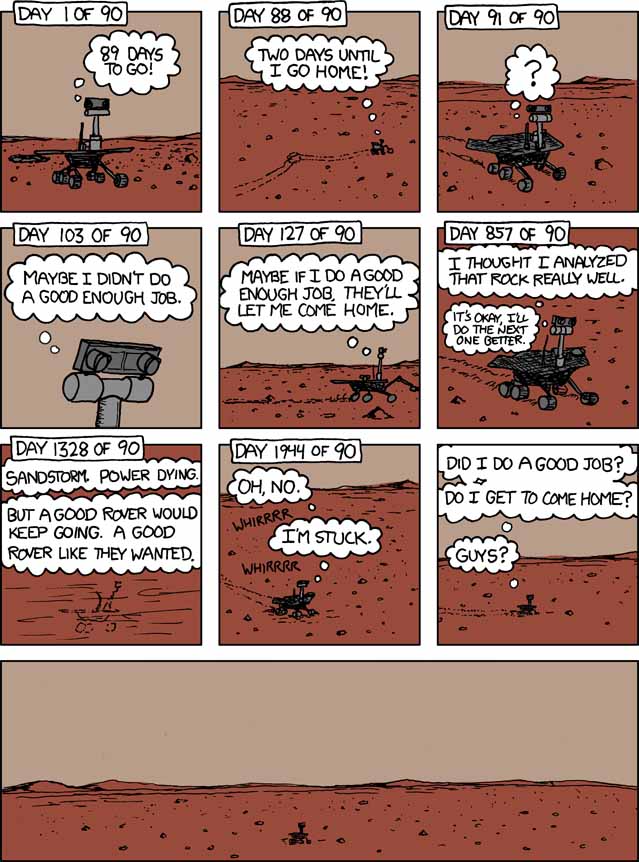
The little rover was only supposed to last 90 days on Mars, but it kept exploring for more than 14 years over 28.06 miles. And then, the end came. In June of 2018, a dust storm engulfed the entire planet and Opportunity went silent. The last words Opportunity sent back are enough to drive grown men to tears.

On February 13, 2019, NASA finally gave up hope they’d ever hear from Opportunity again. And the internet mourned the little ‘bot that could.

Opportunity
Source: xkcd


View this post on Instagram


A post shared by blindwire (@blindwire_art) on Feb 13, 2019 at 10:42am PST

NASA sent one last message to their little rover: Billie Holiday’s version of “I’ll Be Seeing You.” Play this and read the lyrics and imagine our little robot friend hearing this as the darkness closes in.

So if the transmission went through, the last words Opportunity will ever hear are:

opportunity goodbye

More fitting than our first choice for a goodbye:

…but that’s why NASA is NASA and we just write articles for a living.

Click here to see the best pictures Opportunity took during its record-setting run.