Skip to content

Softonic English

Just another Softonic Sites site

Tag: spacewar

The incredible story of SpaceWar, the first open-source video game in history

What is the first video game in history? Many will consider it to be Pong, from 1972. Others might say a version of Tic-Tac-Toe called OXO that was made at the University of Cambridge in 1952, which didn’t have moving graphics but did have interaction with the player (the computer that ran it, by the way, took up an entire room, and its controller was… a rotary dial telephone). Or perhaps Tennis for Two, a kind of side-view tennis game that was understood as simple entertainment and never had a commercial vision. In fact, after […]

The incredible story of SpaceWar, the first open-source video game in history

What is the first video game in history? Many would consider it to be Pong, from 1972. Others might say a version of Tic-Tac-Toe called OXO that was made at the University of Cambridge in 1952, which did not have moving graphics but did have interaction with the player (the computer that ran it, by the way, occupied an entire room, and its controller was… a rotary dial telephone). Or perhaps Tennis for Two, a kind of side-view tennis game that was understood as simple entertainment and never had a commercial vision. In fact, after 1959 it was dismantled to use its components in other projects.

All are valid in one way or another, but it can be said that the first video game, as we know it, was born in 1962: a space battle between ships called SpaceWar! which was not only the first contact for many with programming, but also… the first creative commons game in history, which was tweaked, improved, and re-released across several universities until it had dozens of versions throughout the United States.

Steam
Steam DOWNLOAD

A Gigantic Minicomputer

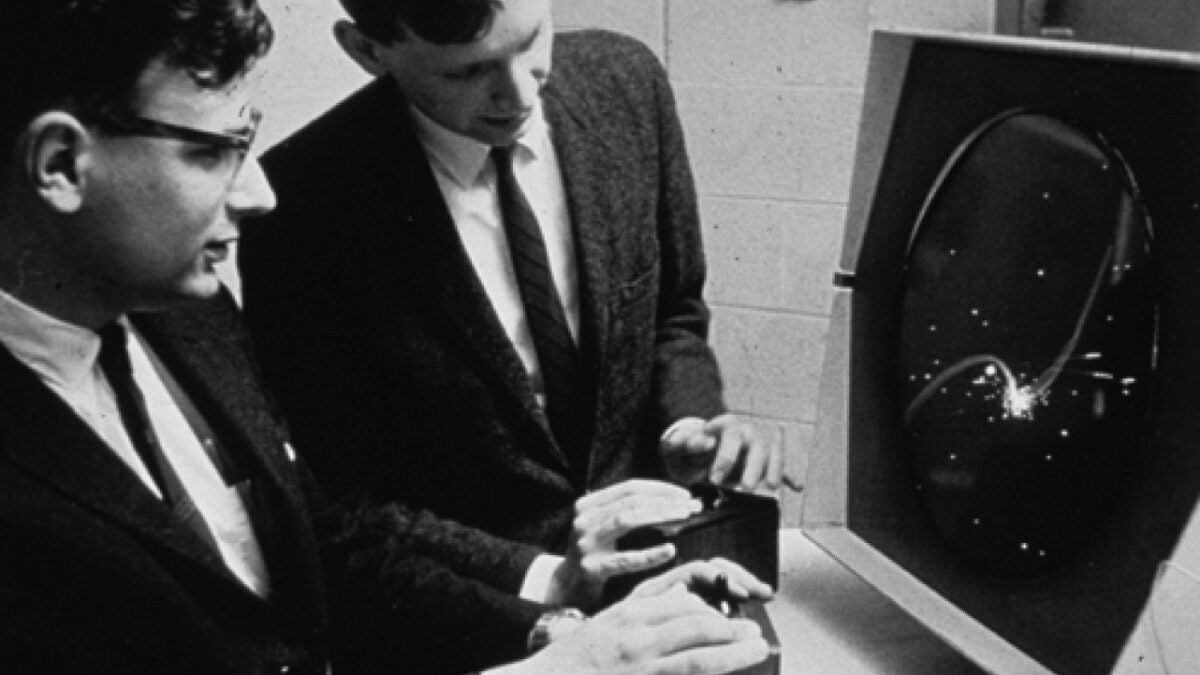
There are two places where this story begins. The first, in the offices of Digital Equipment Corporation, a company that in 1959 was just two years old and had been able to create a revolutionary minicomputer, the PDP-1, which cost $120,000 (a little over a million today, considering inflation) and weighed exactly what you are thinking when you hear the word “mini”: 730 kilos of nothing. But of course, it had to house its amazing 9.2 Kb of power somewhere!

Only 53 units of the PDP-1 were made. One of them, in 1961, ended up being donated to MIT (the university of Massachusetts known worldwide as one of the most cutting-edge in the world), where it became the favorite toy of an entire community of hackers. Yes, although now the word has negative connotations, back then it referred to people eager to write code, learn to program, and use the then-novel computers of tomorrow. And if they could have fun along the way, all the better.
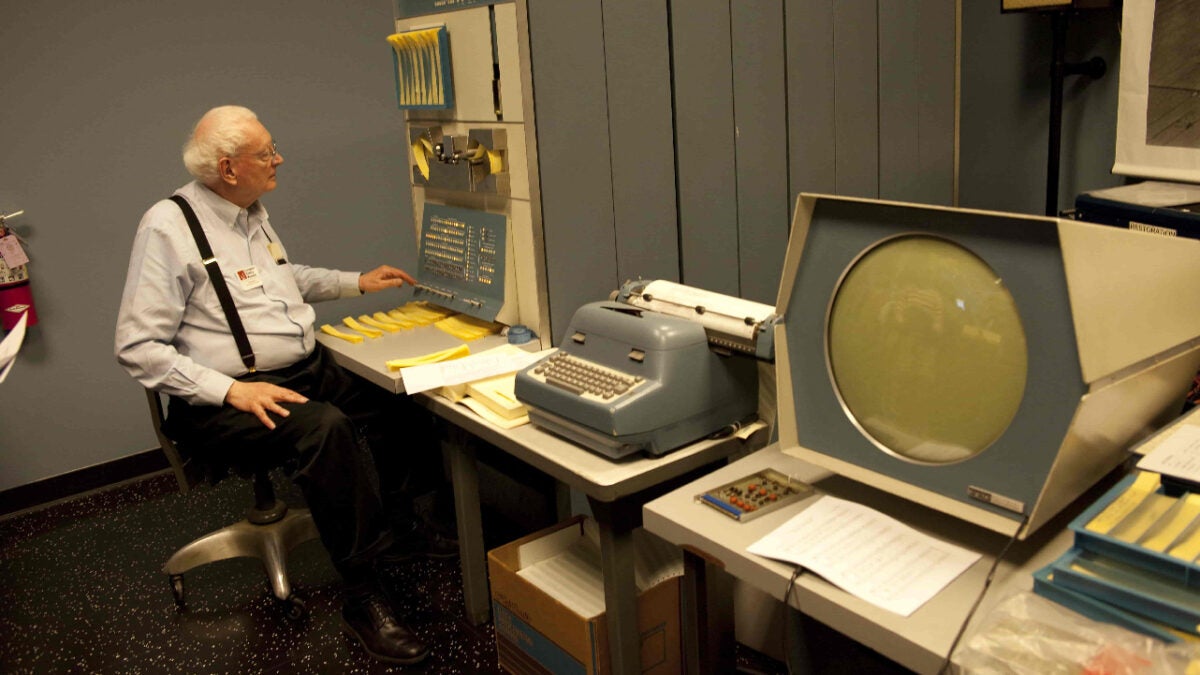
It is there where we find the second place that begins the story, the Tech Model Railroad Club. Yes, exactly: a club where they made scale models of trains and locomotives. And the members were divided into two: those who wanted to enjoy the realism of the models and those who wanted to use computing to ensure that the trains ran correctly on the tracks. Gradually, these evolved into the world’s first computer programmers. And it wasn’t easy.

Let the Space War Begin!

When talking about the PDP-1, you might think of a computer like the one you have near you right now: a screen, a keyboard, a mouse… Well, not exactly. The first prototype of a mouse was created in 1964 and the first keyboard in 1973. Those gigantic structures were operated with all kinds of plugs and buttons… and from there they could program things that now seem basic to us, like word processors, but which were incredibly novel at the time. They were even able to reproduce Bach’s fugues, Mozart’s songs, Beethoven’s Symphony No. 9, or even the Ode to Joy! Yes, now we have Spotify, mp3, and wav, but imagine doing that with less than 10 kb of memory and no guide on how to achieve it.
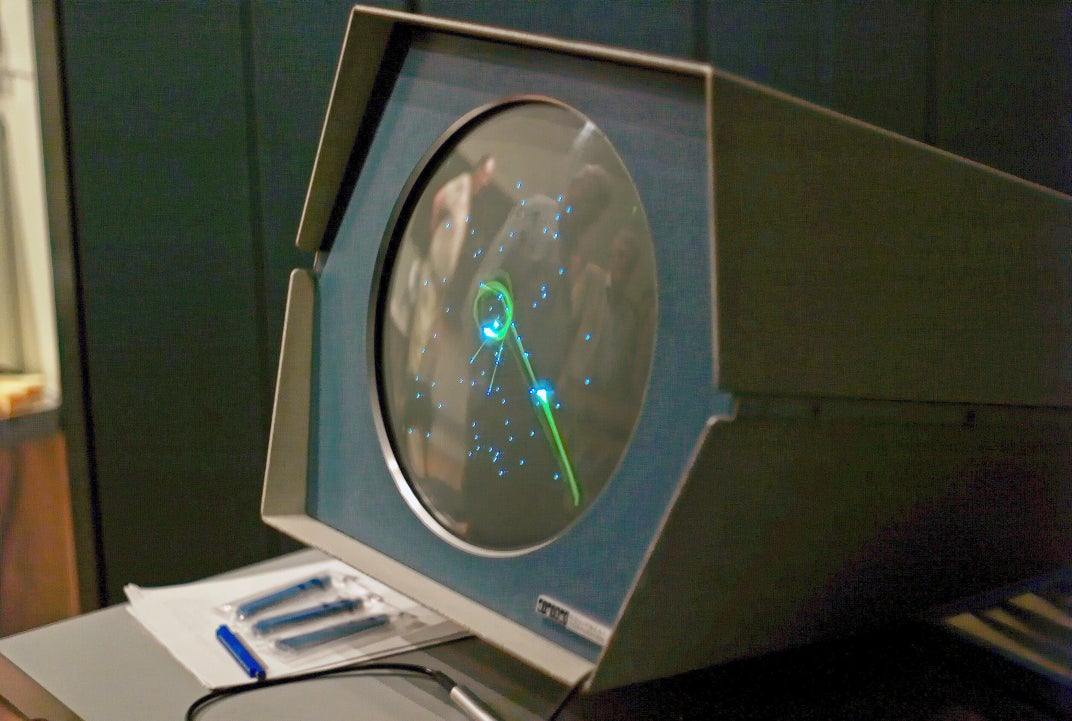
In this situation of limitless creativity, we find a group of kids, the Hingham Institute, who wanted to create the first “computer toy” or, as we know it now, video game. In fact, they believed that was the highest aspiration a computer could achieve. Being fans of space opera thanks to novels like The Secret Planet or The Skylark of Space by E. E. Smith, they decided to pursue their dreams: two ships in space shooting at each other. Sounds easy, right? Now imagine being the first to do it in 1962, without being able to Google “how to program an easy video game” or ask ChatGPT.

Steve Russell became the project leader, a legendary student who didn’t even finish his studies at Dartmouth because he was quickly hired as a professor. And it didn’t take him five years to program it, like current games: in just two months he had written the 2000 lines of code necessary for it to work. Not bad considering he could only use the computer when no one else was using it. That is, in the early hours, when the rest of the university was asleep.

His prototype wasn’t the best in the world, and he was aware of it. Once he finished it, it was time for the other students to add rhythm, dynamism, and what we now know as mods. The code was completely open for anyone to modify and make their own version: one created a multiplayer mode, another altered gravity, yet another allowed the player to flee… And there was even someone who found the ultimate key: a scoring system to compete, continuously try to improve… And make the queue of people waiting to try it at the demonstrations move faster. In short, a classic arcade game.

You can imagine the heightened creativity of twenty-year-olds who have just discovered their vocation (and, incidentally, video games for the first time). SpaceWar! quickly became a hit around universities, especially because the PDP-1 was included as a program in every unit sold since then. Of course, no one made a penny, although it would have been a success. Gradually, students were playing, enjoying, learning, and forming the world’s first group of video game fans. Both playing them and making them. And among them were some of the people who would create the industry just a few years later. And it all started with a computer that didn’t even have a keyboard. Well, minicomputer.

Steam
Steam DOWNLOAD
Author Randy MeeksPosted on January 14, 2025July 1, 2025Categories GamingTags app-subdomain-redirection:steam, hackers, programacion, spacewar, videojuegos

Recent Posts

  • What comes after 'Super Mario Galaxy'? Five possible projects about the future of Nintendo in film
  • Everyone thinks that 'Euphoria' is an original series, but in reality, it is just a remake
  • The new Fable has specialists making the cutscenes: Blizzard Entertainment
  • Even a dachshund can play LOL, as long as it's with a magical cat
  • The mayor of New York, Zohran Mamdani, has explained US policy in a way that everyone can understand: with Mario Kart

Archives

  • April 2026
  • March 2026
  • February 2026
  • January 2026
  • December 2025
  • November 2025
  • October 2025
  • September 2025
  • August 2025
  • July 2025
  • June 2025
  • May 2025
  • April 2025
  • March 2025
  • February 2025
  • January 2025
  • December 2024
  • November 2024
  • October 2024
  • September 2024
  • August 2024
  • July 2024
  • June 2024
  • May 2024
  • April 2024
  • March 2024
  • February 2024
  • January 2024
  • December 2023
  • November 2023
  • October 2023
  • September 2023
  • August 2023
  • July 2023
  • June 2023
  • May 2023
  • April 2023
  • March 2023
  • February 2023
  • January 2023
  • December 2022
  • November 2022
  • October 2022
  • September 2022
  • August 2022
  • July 2022
  • June 2022
  • May 2022
  • April 2022
  • March 2022
  • February 2022
  • January 2022
  • December 2021
  • November 2021
  • October 2021
  • September 2021
  • August 2021
  • July 2021
  • June 2021
  • May 2021
  • April 2021
  • March 2021
  • February 2021
  • January 2021
  • December 2020
  • November 2020
  • October 2020
  • September 2020
  • August 2020
  • July 2020
  • June 2020
  • May 2020
  • April 2020
  • March 2020
  • February 2020
  • January 2020
  • December 2019
  • November 2019
  • October 2019
  • September 2019
  • August 2019
  • July 2019
  • June 2019
  • May 2019
  • April 2019
  • March 2019
  • February 2019
  • January 2019
  • December 2018
  • November 2018
  • October 2018
  • September 2018
  • August 2018
  • July 2018
  • June 2018
  • May 2018
  • April 2018
  • March 2018
  • February 2018
  • January 2018
  • December 2017
  • November 2017
  • October 2017
  • September 2017
  • August 2017
  • July 2017
  • June 2017
  • May 2017
  • April 2017
  • March 2017
  • February 2017
  • January 2017
  • December 2016
  • November 2016
  • October 2016
  • September 2016
  • August 2016
  • July 2016
  • June 2016
  • May 2016
  • April 2016
  • March 2016
  • February 2016
  • January 2016
  • December 2015
  • November 2015
  • October 2015
  • September 2015
  • August 2015
  • July 2015
  • June 2015
  • May 2015
  • April 2015
  • March 2015
  • February 2015
  • January 2015
  • December 2014
  • November 2014
  • October 2014
  • September 2014
  • August 2014
  • July 2014
  • June 2014
  • May 2014
  • April 2014
  • March 2014
  • February 2014
  • January 2014
  • December 2013
  • November 2013
  • October 2013
  • September 2013
  • August 2013
  • July 2013
  • June 2013
  • May 2013
  • April 2013
  • March 2013
  • February 2013
  • January 2013
  • December 2012
  • November 2012
  • October 2012
  • September 2012
  • August 2012
  • July 2012
  • June 2012
  • May 2012
  • April 2012
  • March 2012
  • February 2012
  • January 2012
  • December 2011
  • November 2011
  • October 2011
  • September 2011
  • August 2011
  • July 2011
  • June 2011
  • May 2011
  • April 2011
  • March 2011
  • February 2011
  • January 2011
  • December 2010
  • November 2010
  • October 2010
  • September 2010
  • August 2010
  • July 2010
  • June 2010
  • May 2010
  • April 2010
  • March 2010
  • February 2010
  • January 2010
  • December 2009
  • November 2009
  • October 2009
  • September 2009
  • August 2009
  • July 2009
  • June 2009
  • May 2009
  • April 2009
  • March 2009
  • February 2009
  • January 2009
  • December 2008
  • November 2008
  • October 2008
  • September 2008
  • August 2008
  • July 2008
  • June 2008
  • May 2008
  • April 2008
  • March 2008
  • February 2008
  • January 2008
  • December 2007
  • November 2007
  • October 2007
  • September 2007
  • August 2007
  • July 2007
  • June 2007
  • May 2007
  • April 2007
  • March 2007
  • February 2007
  • January 2007
  • December 2006
  • November 2006
  • September 2006
  • August 2006
  • June 2006
  • May 2006
  • July 2001
  • January 2001
  • November 2000
  • September 2000
  • August 2000
  • July 2000
  • April 2000
  • March 2000

Categories

  • Affiliate post
  • Expert Review
  • Gaming
  • Guides
  • How to
  • Legacy how To
  • News
  • Noticias
  • Software>Security
  • Sponsored
  • Trucos y Consejos
  • Uncategorized
  • Windows software

Meta

  • Log in
  • Entries feed
  • Comments feed
  • WordPress.org
Softonic English Proudly powered by WordPress