Google Stadia game service launches this year – here’s what you need to know

The Google Stadia’s Founder’s Edition touts a $129 pricetag.

Stadia

If you’ve been looking forward to Google Stadia, this new info might sour your expectations, but we still have our hopes up!

In order to play Stadia this year, you’ll need to purchase the Founder’s Edition bundle for $129.  On top of that, you’ll pay $9.99/month after the first three months. The monthly subscription to Stadia Pro allows you to play games in 4K and in 5.1 surround sound. The subscription also includes additional “free” games on a regular basis. On top of that, you will still have to pay separately for other games you may want. (There’s other pricing available, but we’ll get to that in a minute.)

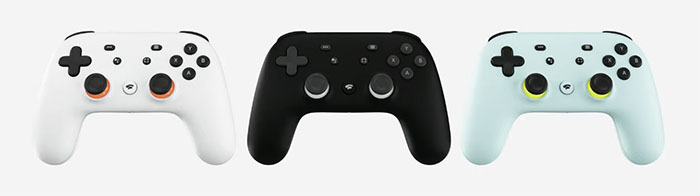
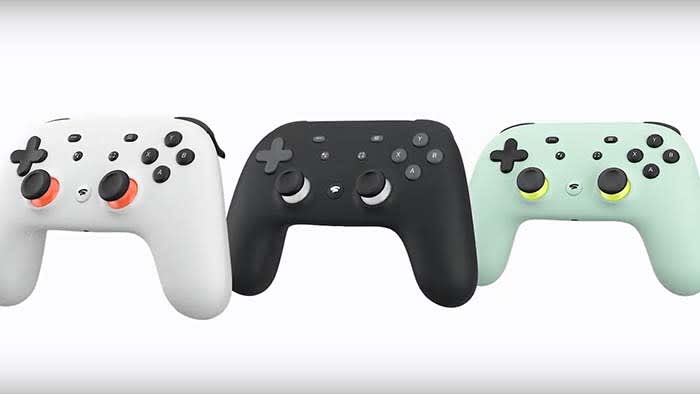
That $129 bundle includes an exclusive game controller, a Chromecast Ultra, a copy of Destiny 2, a free three-month subscription, and a buddy pass that gives a friend a free three-month subscription as well. You have to have a Chromecast Ultra in order to play on a TV. If you purchase one outside of this deal, it costs about $60.

A $129 price tag may sound steep, but it’s a far cry from the minimum $300 you’ll pay for a new PlayStation 4.  

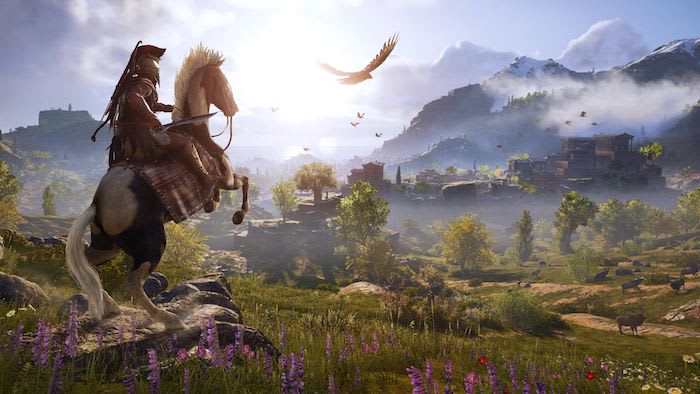
When the service is released in November, launch games will include Tomb Raider games, Doom, The Division 2, Dragon Ball Xenoverse 2, Assassin’s Creed: Odyssey, and Destiny 2. Early rumors suggest there will be 31 games available when the service debuts.

New games that have not yet been confirmed to be launch titles include Baldur’s Gate 3 and Ghost Recon: Breakpoint. 

Stadia Pro vs Stadia Base
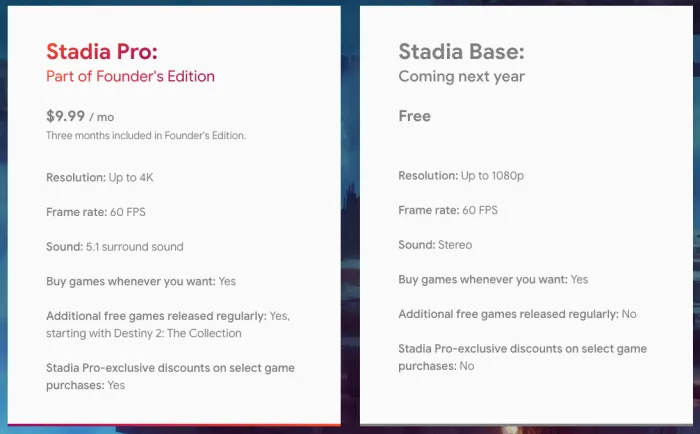
Stadia comparison

Again, the free version (Stadia Base) will not be available until 2020. The biggest difference between the services is the quality. In the free version, you play in 1080p rather than 4K and your game will be in stereo rather than 5.1 surround sound.

You also won’t have access to free games distributed to pro members, and you will not have access to pro deals and discounts.

A mixed bag

Monthly fee

Getting a system and a game for $129 is unheard of by today’s standard. When Microsoft released the Xbox One, it cost $500 at launch. The PlayStation 4 wasn’t much better, costing $400 at launch.

However, the subscription service really seems like a raw deal. Paying a subscription every month really adds up. At $9.99 per month, the service essentially costs an additional $120 per year.

If the price doesn’t change, and the Stadia has a lifespan like the PS4  (six years), then that’s an additional $720. When you add the initial $129 for the controller and other goodies, it’s not far from the same price as the Xbox One and the PS4 combined. 

To be fair, both Xbox and PlayStation have subscription services. Depending on your plan, playing Xbox or PlayStation online costs about anywhere between $4 and $9.99 per month. However, that’s just for online play, not for playing the games you already purchased on the system you already purchased.

Why would I want to buy Google Stadia?
Google Stadia

The important thing to point out is that you do not have to pay the subscription fee in order to use Stadia. If that extra $9.99 a month is a sticking point, you don’t have to pay it. After all, playing games in 1080p is still decent.

Putting the price aside, there are some cool features about the Stadia worth mentioning.

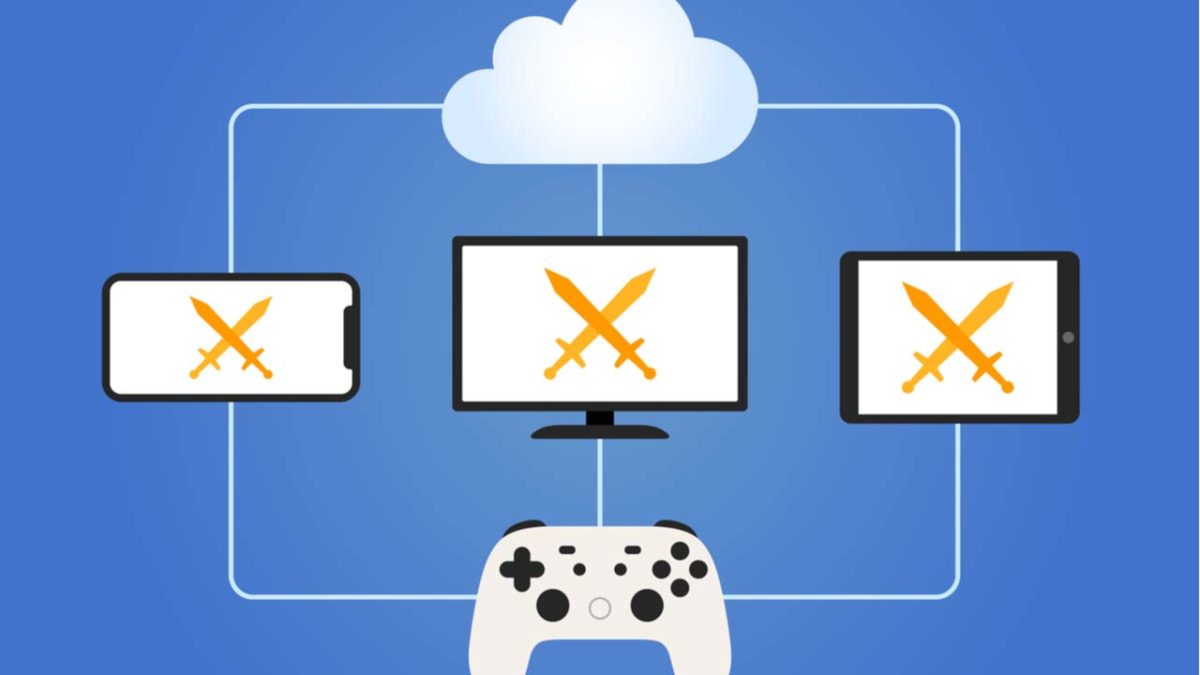
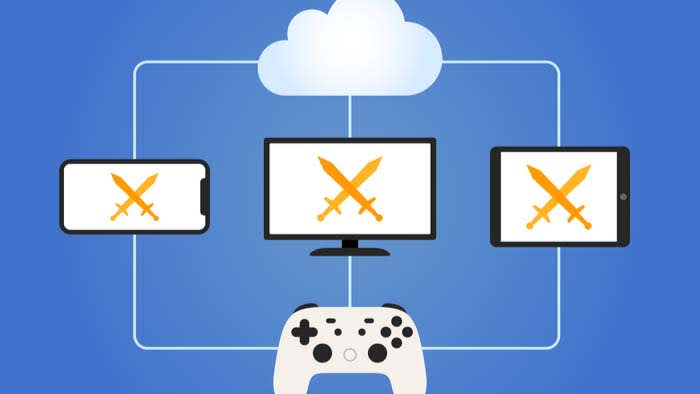
First off, you will be able to play across all your screens: TV, smartphone, computers, and tablet. You also don’t have to download or update the games you want to play.

Unfortunately, the only phones you will be able to play games from are the Pixel 3 and Pixel 3a. However, you will be able to purchase games and build your Stadia profile on any Android or iPhones with access to the Stadia app.

The games you buy are streamed from the cloud and will play immediately at 60 fps. Supposedly, you will also be able to click a button and start playing a game in a matter of seconds.

If you want to play with something other than the Stadia controller, you can use a USB controller. However, you must use the Stadia controller and a Chromecast Ultra when playing on a TV. If you want to buy another Stadia controller, it will cost about $70. You can add it in checkout when buying your bundle.

Finally, you do not need a physical console with the Google Stadia. Instead, you are paying for a service, so you don’t have to worry about a cumbersome giant console with wires getting tangled.

Wrapping up

We’d recommend waiting it out for a while to see how the Stadia performs at launch before buying one. However, some of these features do seem too good to pass up. You also have to wonder about how your data cap might hold up when streaming so much 4K 60fps 5.1 content.

When we buy games, we want to play them as soon as possible. We don’t like waiting around for hours on end for a game to download. The Stadia is giving us the opportunity to jump right into the action. At $129 for the service, how do you beat that?
Everything we know about Google’s new video game service, Stadia

Google Stadia

Google exploded onto the gaming scene yesterday with the reveal of their new game streaming project, officially dubbed Stadia. Taking the stage at the Game Developer’s Conference, Google detailed its ambitious plans for the new gaming platform. Here’s a detailed look at what’s been revealed so far about Stadia… and everything that we still don’t know.

Everything we know about Stadia

Chrome is your console

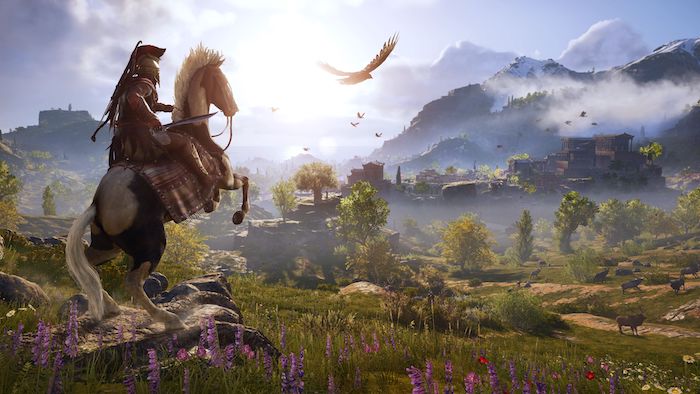
assassins creed odyssey screenshot
Image courtesy Ubisoft

The most important detail about Google’s new console is that it’s not a console. Stadia is built around Google’s network of data centers and the Google Chrome browser. Stadia players will be able to stream big budget, triple-A games at 60fps and 4k resolution simply by using a Chrome browser. You can stream instantly to any device with access to Chrome, whether that be a desktop PC, tablet, laptop, smartphone, or beyond.

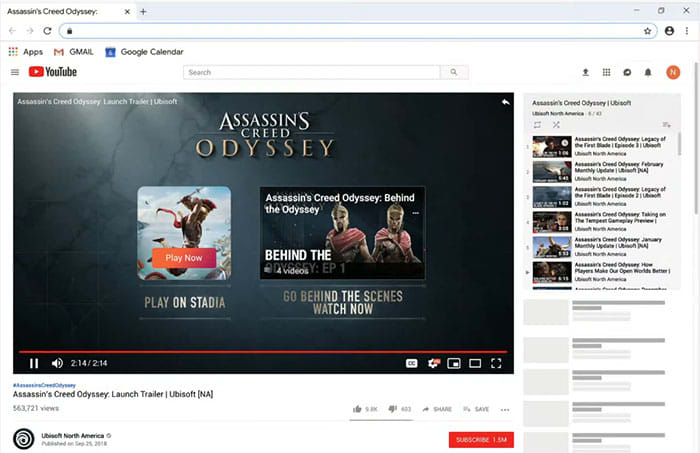
This might sound too good to be true, but the technology has actually been proven. Google tested the system with the Project Stream beta last year, which allowed players to stream Assassin’s Creed Odyssey in a browser window without any download, install, loading screen, or updates. Google is looking to integrate Stadia with Youtube in a big way. Stadia users will be able to see a “Play Now” button on game trailers, “let’s plays,” or other gaming videos. Clicking that button will allow players to instantly begin streaming that game in their browser.

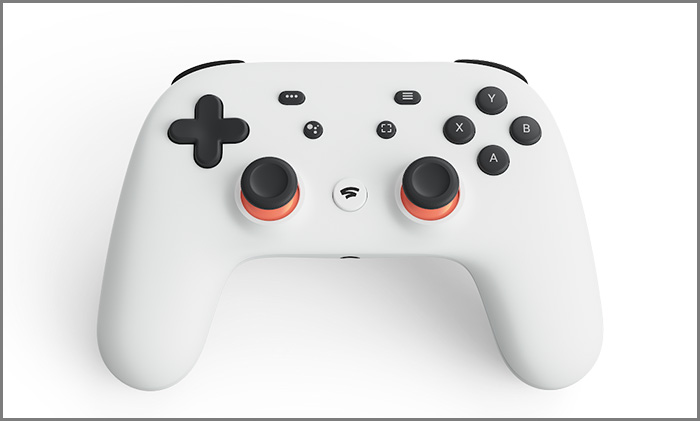
Google Stadia controller

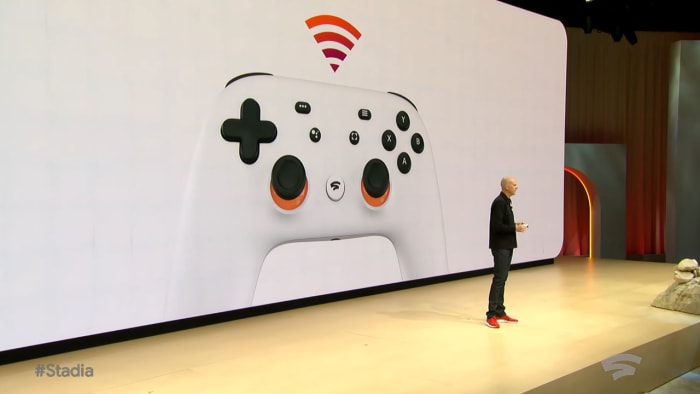
In addition, the service is going to be paired with the Wi-Fi capable Stadia controller, which will allow users to access a variety of unique features. Players can access games, save files, and other saved settings directly via the controller. In addition, the controller comes standard with a button that allows players to instantly begin capturing footage for upload to YouTube. This is all part of Google’s unifying vision for Stadia as a link between players, streamers and content creators, and developers.

Stadia Capture Button

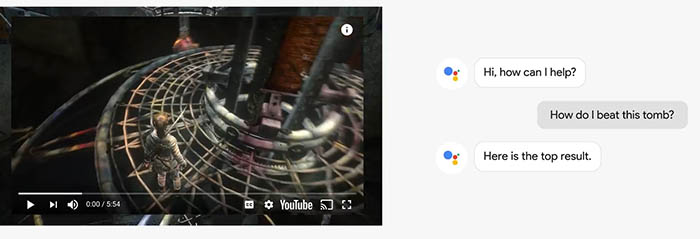
The controller also features a Google Assistant button so you can ask for tips, tricks, or walkthroughs, and it will pause the game and pull up the info you need.

Google Assistant Stadia
Google Assistant button pulls up info to help you.

Ambitious developer tools

google stadia style transfer ml
Image courtesy Google

Google also revealed that Stadia is just as much of a development tool as it is a platform for gamers. Developers will be able to use Stadia to tap into the massive processing power of Googles data centers to develop games in the cloud. To do this, Google has partnered with Unity and the Unreal Engine, as well as middleware like Simplygon and Havok to offer a wide range of tools for developers. Google has also announced Stadia will feature a few unique tools of its own.

Style Transfer ML is an art tool that uses machine learning to alter a game’s art style in real time. Using a source image, Style Transfer will apply the style of that image to the game world. Google showed this in action by using Van Gogh’s “Starry Night” to turn a drab, black and white game world into an ethereal mix of dark blues and golds. It remains to be seen how practical this tool could actually be for developers, as using a single source image in this manner would still lead to a fairly visually monotonous game. Google did detail that Style Transfer ML could be a useful tool to quickly narrow down the general idea of a game’s visual style to cut down on development time.

In the multiplayer realm, the Stream Connect feature would allow developers to implement split-screen co-op without any loss of quality. This works by running each “screen” as a separate Stadia instance. Google used a custom-built game to showcase this feature, and also showed that using Stream Connect would have exciting implications for squad-based multiplayer. Players in a squad would be able to access and view their teammate’s screens in real time, allowing for easier coordination and big potential for asymmetrical multiplayer games.

These are just a few of the tools that Google showcased, but because Stadia is unbelievably powerful, this is likely just the tip of the iceberg as far as applications for developers.

Details still murky

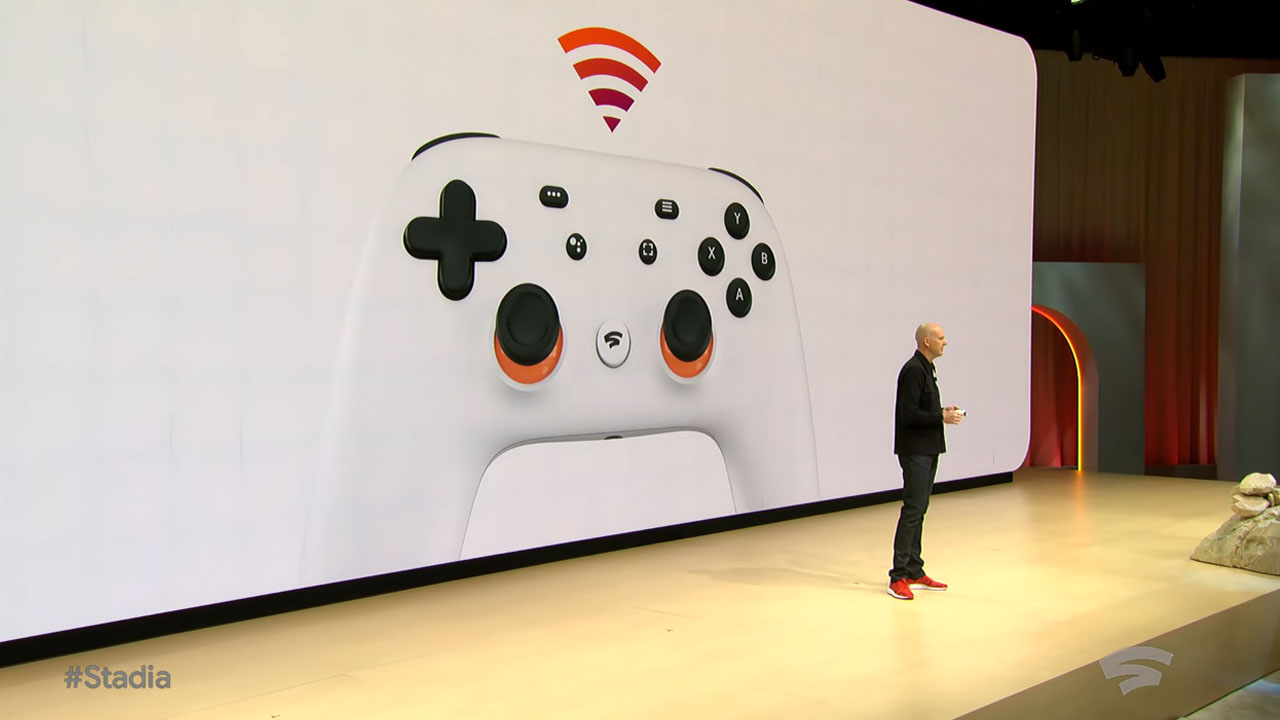
google stadia phil harrison
Image courtesy Google

Though the Stadia panel showcased many exciting features and is doubtless an ambitious vision for the future of gaming, many important details were lacking in the announcement. First and foremost, Google gave no indication of what paying for the Stadia service would look like. Google has long been clear that they want Stadia to be the “Netflix of gaming,” so a subscription-based pricing scheme seems to be a likely move. Google was mum on what that price point might be, so players will need to wait and see if they want to figure out how much they’ll need to fork over to access Stadia.

Also notably lacking was a discussion of Stadia’s game library. Ubisoft has been involved with the Stadia project from its early stages, so it seems likely that their library of games will be included. Aside from Ubisoft, the only other developer to announce a game on Stadia was id, the developers of 2016’s Doom. They specified that the game’s sequel, Doom Eternal, was being built entirely withing Stadia. Google has been clear that they want to attract major titles to the service, but made no specific announcements on how it intends to do so.

Also absent was any discussion of how fast a player’s internet connection would need to be to access the service at full specs. This aspect, in particular, could be a significant barrier between Google and the wide audience it wants to attract. Google has made no indications as to when these details will be revealed, so interested gamers will need to keep their eyes peeled for these specific updates.

Google reveals mindblowing new Stadia game platform

Google Stadia looks ready to blow up everything you know about video games.

Google Stadia

The details of Google’s headfirst plunge into the gaming world have finally been revealed. In today’s keynote address at the Game Developers Conference, Google finally unveiled the specifics of its long-rumored gaming initiatives.

Google CEO Sundar Pichai took the stage to reveal Google’s new gaming platform, aimed at bringing high-end games to the widest audience possible: Stadia.

Former PlayStation executive Phil Harrison, now part of Google’s gaming team, detailed that Stadia would form a bridge between players, streamers, and game creators. Harrison detailed a scenario in which a player, watching a game trailer on YouTube, would be able to click a “Play Now” button and instantly begin streaming the game via Chrome. 

Stadia Play Now

Stadia itself is not a console; Google’s data centers will let players access any game across laptops, tablets, smart TVs, smartphones, and essentially any other platform a player can imagine. Players can also move between consoles seamlessly, switching from a desktop PC to a smartphone in a matter of seconds.

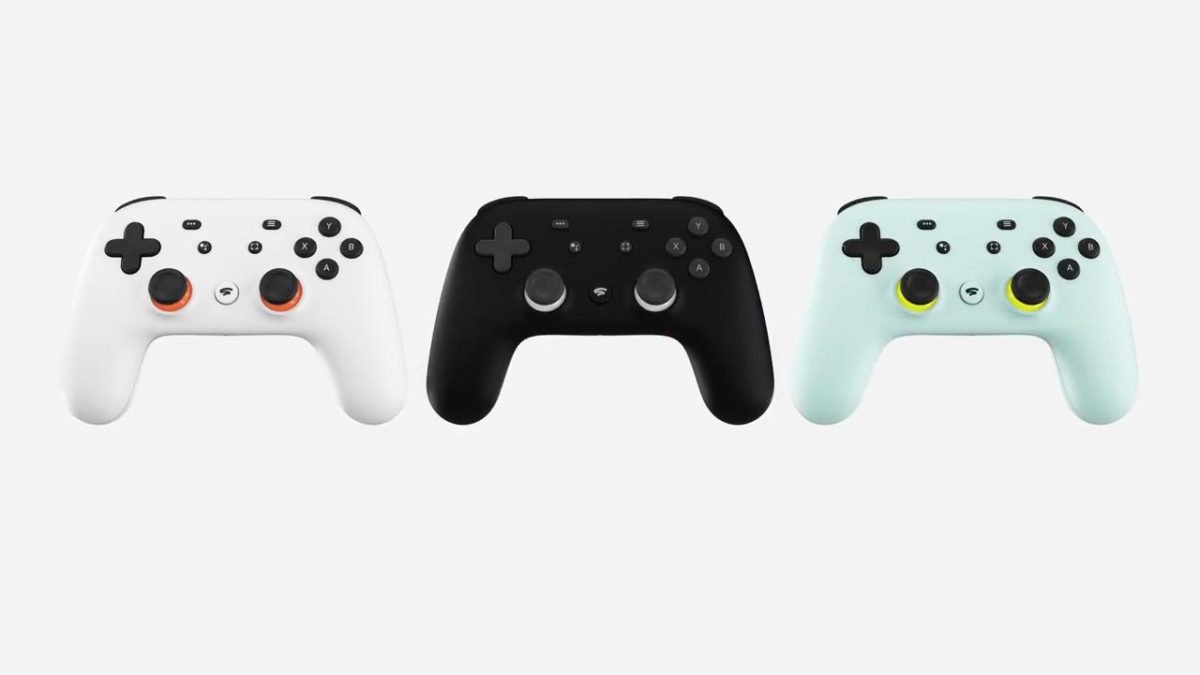
Though specifying Stadia can be played with any existing controller, they also revealed the Stadia controller. First unearthed earlier this month via a patent, the Stadia controller is a wireless, Wi-Fi capable controller. The Capture button will be able to instantly share gaming footage to Youtube, and the Google Assistant button will allow players to access help and tips directly through the controller.

Stadia Controllers

For game developers, Stadia is partnering with Unreal, Unity, and Havok, allowing game devs to access Google data centers to develop games with this suite of tools. Developers can use Google’s cloud or a personal cloud to develop games flexibly using Google’s massive processing power. Developer Marty Stratton was brought in to reveal that Doom Eternal, the forthcoming sequel to Doom, was built within Stadia.

The potential for multiplayer is also astounding. Harrison revealed that Stadia would have full cross-platform multiplayer, and because games are running directly on Google’s hardware, multiplayer games could potentially support up to thousands of players.

assassins creed odyssey project stream
Image courtesy Ubisoft

Google’s jump into the world of gaming began ramping up in earnest last year, when Google launched a beta-version of its Project Stream service. Project Stream allowed PC gamers to stream Assassin’s Creed Odyssey directly in a browser window without the need for hefty PC hardware. The beta was met with much praise and success before finally ending in January.

Google has spent much of the past several years bolstering its gaming division with high-profile hires from around the gaming world. These hires include former PlayStation Now mastermind Jack Buser, Harrison, and former EA studio head Jade Raymond. It’s clear from these hires that Google has been taking major cues from Sony’s wildly successful PlayStation Now game streaming service.

This move follows a general shift toward streaming services in the gaming world at large. Though Google’s service is the first to be announced this year, and arguably the most anticipated, gamers should expect this announcement to be the first of many. Microsoft’s foray into game streaming, Project xCloud, is due to be revealed at some point this year, and Amazon is also reportedly in the beginning stages of a game streaming project of some kind.

Google’s plans for Stadia are massive and ambitious, and needless to say, the future looks promising for Google’s foray into gaming. You can watch the unveiling video here:

Check back with Softonic for more details as they’re revealed.