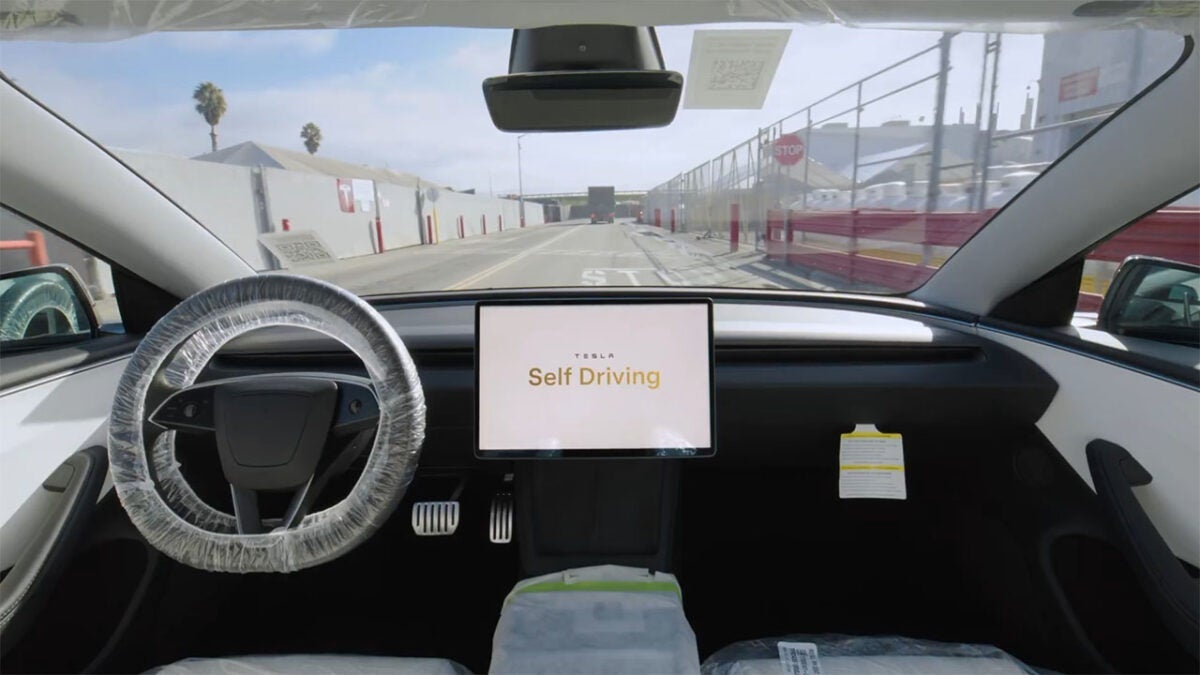
Tesla is facing growing backlash from owners of vehicles equipped with its ‘HW3’ hardware system, as the automaker still lacks a plan for compensation, over four months after admitting that HW3 won’t support full self-driving capabilities.
This acknowledgment has sparked concerns among many Tesla owners who invested up to $15,000 for the Full Self-Driving (FSD) package, believing it would enhance the value of their vehicles.
The situation dates back to 2016 when CEO Elon Musk promised that all vehicles produced from that year onward would eventually be capable of full autonomy through software updates.
Elon Musk’s Commitment to Full Autonomy Falls Short for HW3 Vehicle Owners
At the time, Tesla was rolling out the HW2.5 hardware suite, which included essential components for self-driving technology. In March 2019, the introduction of the HW3 hardware was marketed as a step forward in achieving those promises.
However, issues arose when the newest HW4 hardware began production in early 2023, indicating Tesla’s shift in focus away from fulfilling these initial vows.
Despite Musk’s claims that the HW3 hardware would still receive future updates enabling unsupervised self-driving capabilities, many reports indicate that Tesla appears to have reached the limitations of the HW3 computer.
As Tesla looks ahead to a potential HW5 for future models, it remains unclear whether or how existing HW3 owners will receive upgrades, leaving many in a precarious position regarding vehicle valuation and functionality.
Several lawsuits have already been filed against Tesla over its self-driving claims, with estimates suggesting settlements could reach billions. With no signs of immediate resolutions and an apparent pivot towards launching a ride-hailing fleet, the outlook for HW3 owners remains bleak.
As it stands, many are left wondering if Tesla hopes to encourage them to purchase new vehicles rather than honoring the commitments made nearly a decade ago.